Why a Chartered Jet Still Might Not Have Anywhere to Park
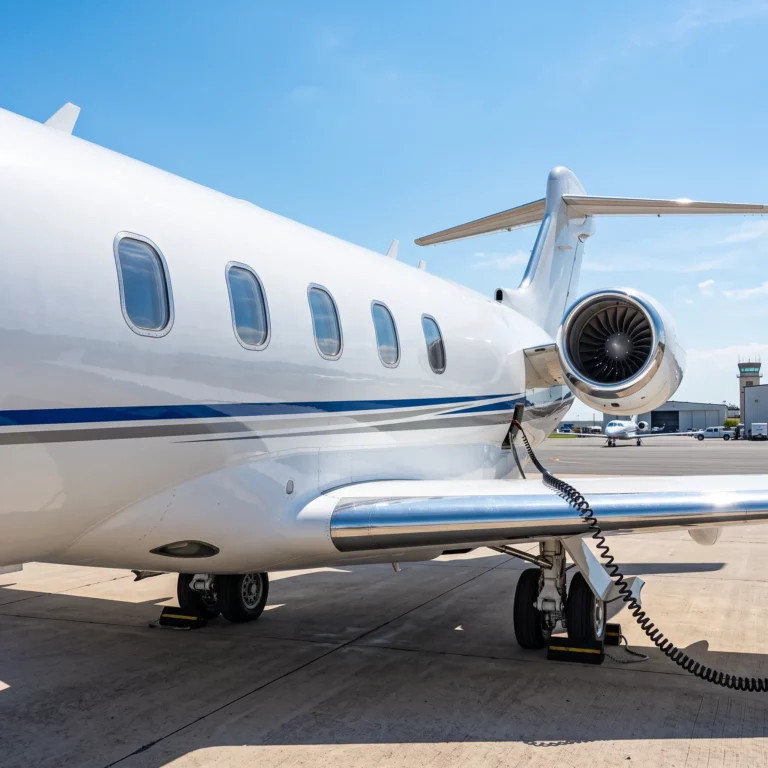
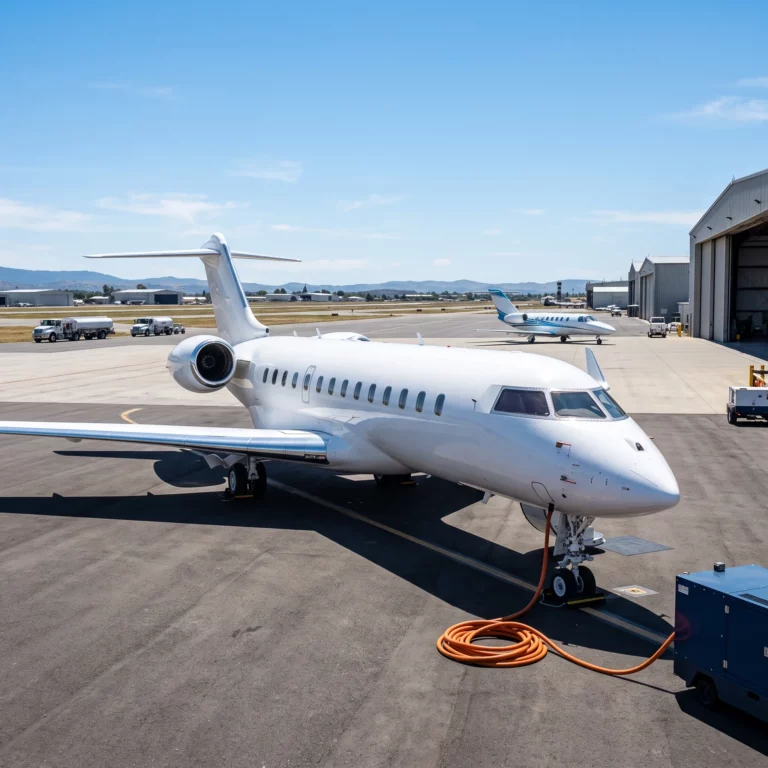
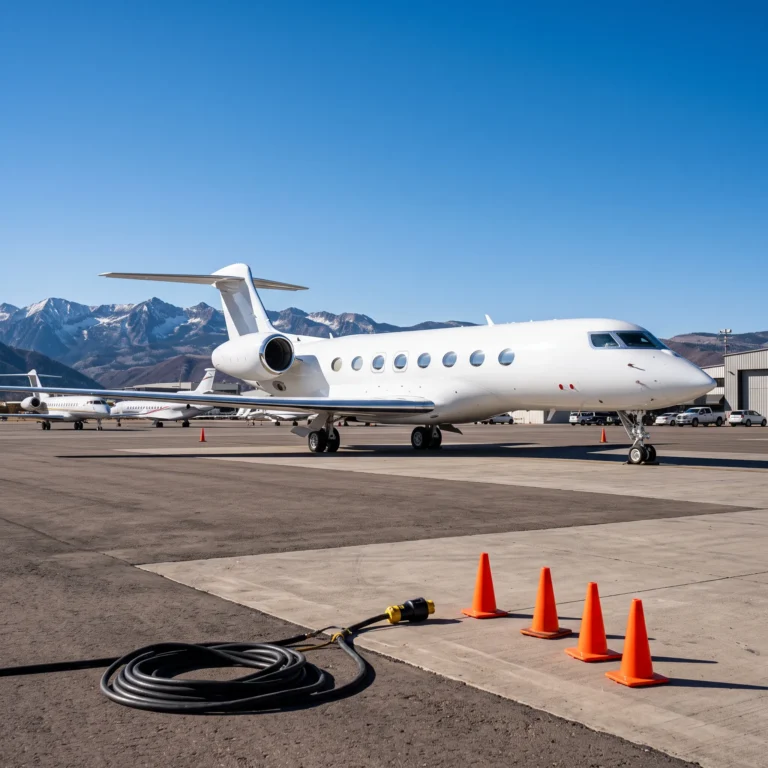
Booking a private jet doesn’t guarantee it can land or park where you want. Here’s how PPR approvals, airport slots and ramp space decide when your flight actually operates.

Essential aviation terminology explained in plain language. From aeronautical acronyms to technical flight terms, this comprehensive glossary helps pilots, passengers, and aviation enthusiasts understand the language of private aviation.
Booking a private jet doesn’t guarantee it can land or park where you want. Here’s how PPR approvals, airport slots and ramp space decide when your flight actually operates.
Empty legs are often 25 to 75 percent below standard charter, but they hang on someone else’s itinerary. Here’s why they cancel and how to decide if the risk suits your trip.
A 30-minute delay can legally ground a charter until tomorrow. Here’s how pilot duty time differs from flight time, and how to plan your trip around it.
London City and Lugano demand descent angles nearly double the industry standard, and most business jets simply aren’t engineered for it. Here’s what steep approach certification actually requires, from reinforced landing gear to the simulator training that keeps crews current.
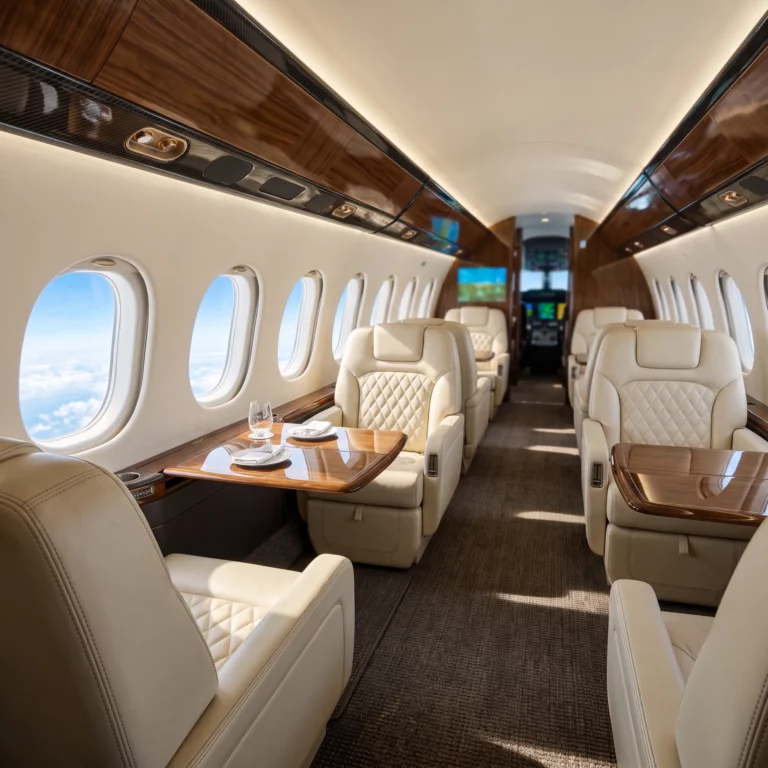
Most private jet passengers assume the person serving drinks is FAA-certified safety crew. On aircraft with 19 or fewer seats, that’s often not true, and the difference matters more than you’d think.
Why does a light jet pilot sometimes ask you to switch seats before takeoff? It comes down to strict center of gravity limits that leave far less room for error than larger cabin jets.
Not every private flight follows the same FAA rulebook. Here’s what separates Part 91 owner-flown operations from Part 135 charter, and why the difference matters more than most flyers realize.
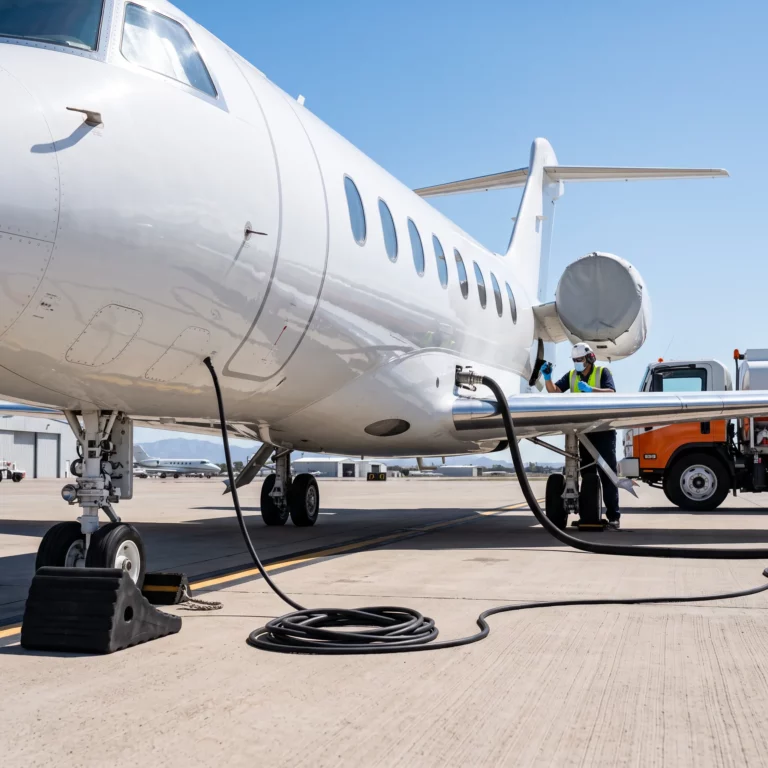
Private jets sometimes carry more fuel than a leg requires, and it’s rarely about safety margins. It’s about avoiding punishing fuel prices at the next stop, a practice called fuel tankering that quietly shapes how operators plan multi-leg trips.
Cabin altitude, not cruising altitude, decides how fatigued you feel after a long private flight. Here’s how the physics and physiology actually work, and why ultra-long-range jets are engineered around it.
Flight hours get all the attention, but flight cycles often determine when an aircraft needs its next major overhaul. Here’s why a low-hour jet can still be structurally worn, and what that means for buyers and charter clients.
Cabotage rules quietly shape nearly every international private jet itinerary, restricting foreign-registered aircraft from flying purely domestic legs. Here’s what every charter passenger should know before booking a multi-country trip.
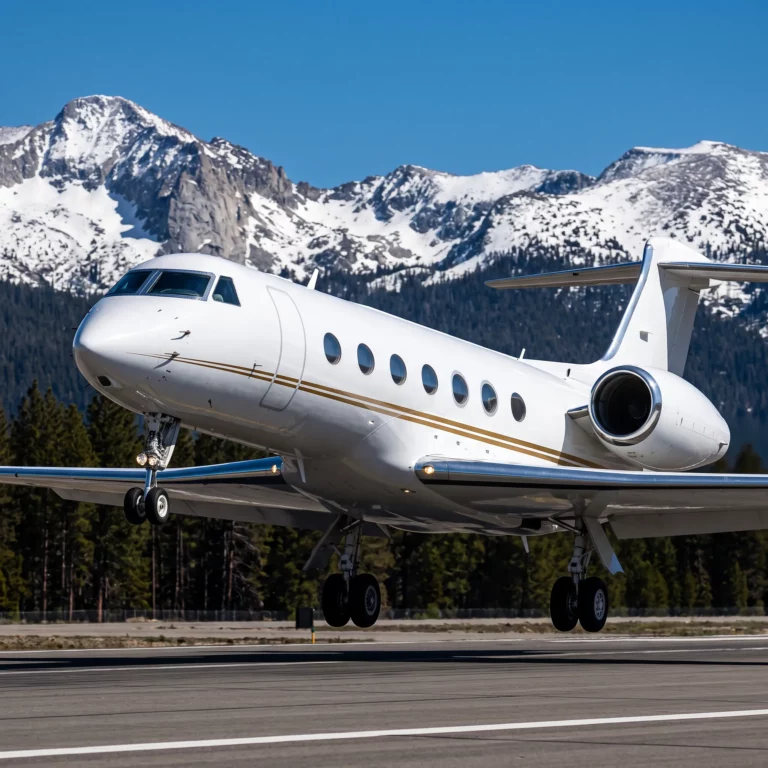
Thin air at high-elevation, hot-weather airports quietly limits how much a private jet can carry and how far it can fly nonstop. Here’s the physics behind it and what it means for your next mountain getaway.