
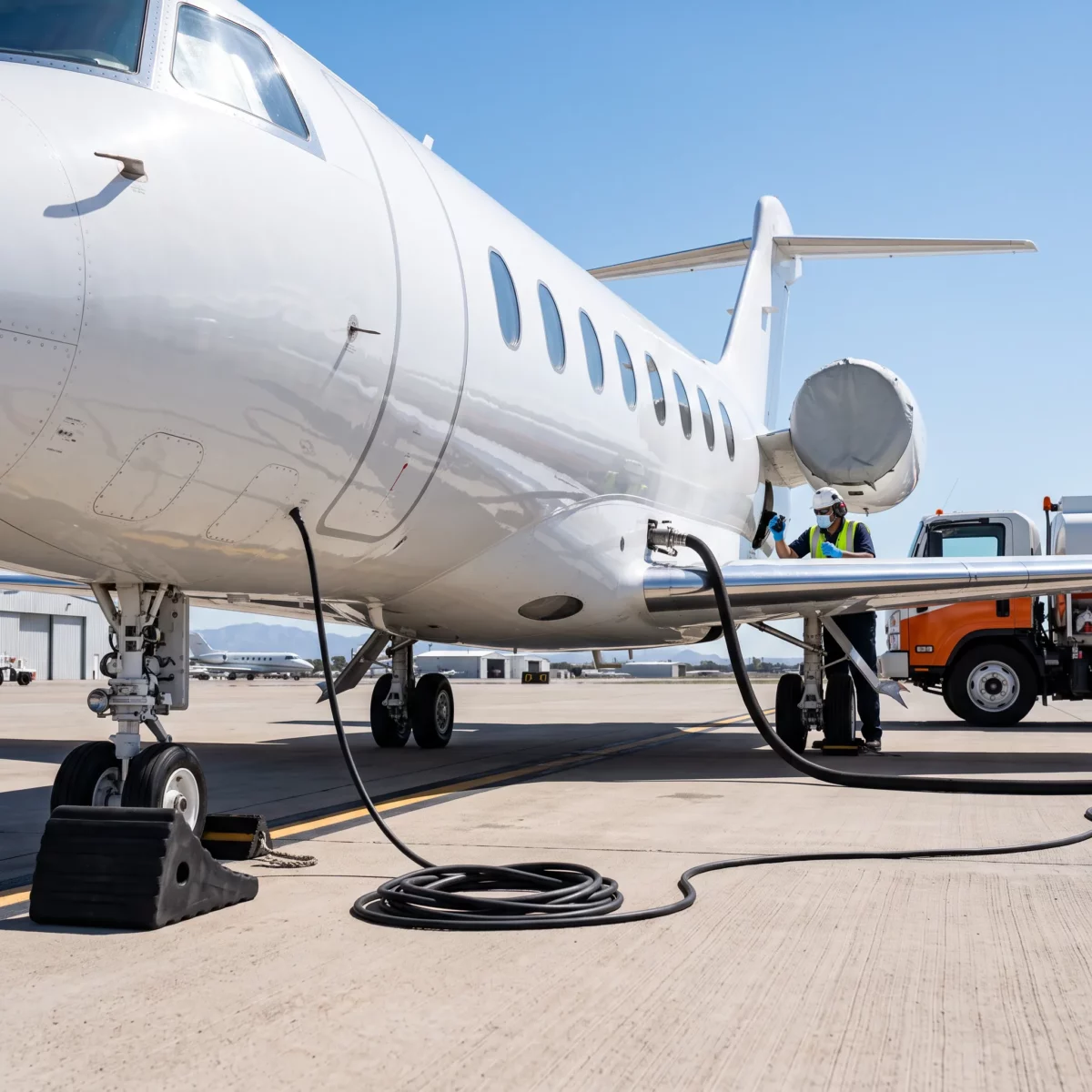
Every so often, a passenger glances out the window during boarding and asks the crew why fueling is taking so long for a short hop. Ask why, and the crew will tell you it’s not really about this leg at all — it’s about the one two stops from now. Operators call this practice fuel tankering, and it’s one of the quieter ways charter companies and flight departments protect their margins without touching your comfort or your schedule.
What Fuel Tankering Actually Means
Tankering is simple in concept. A crew uploads more fuel than the next leg requires, specifically so the aircraft can skip buying pricier fuel at the following stop. Think of it as buying gas in the cheap state before crossing into the expensive one, except the price swings in aviation fuel can be far more dramatic than anything you’ll see at a highway pump.
Fuel prices at FBOs vary wildly depending on location, competition, and how remote the airport is. A gallon of Jet-A at a busy hub might run $6, while the same gallon at a small island strip or a fuel-scarce regional field can top $14 or more. Multiply that gap across a few thousand gallons and the savings from tankering get real fast.
The Trade-Off Nobody Talks About
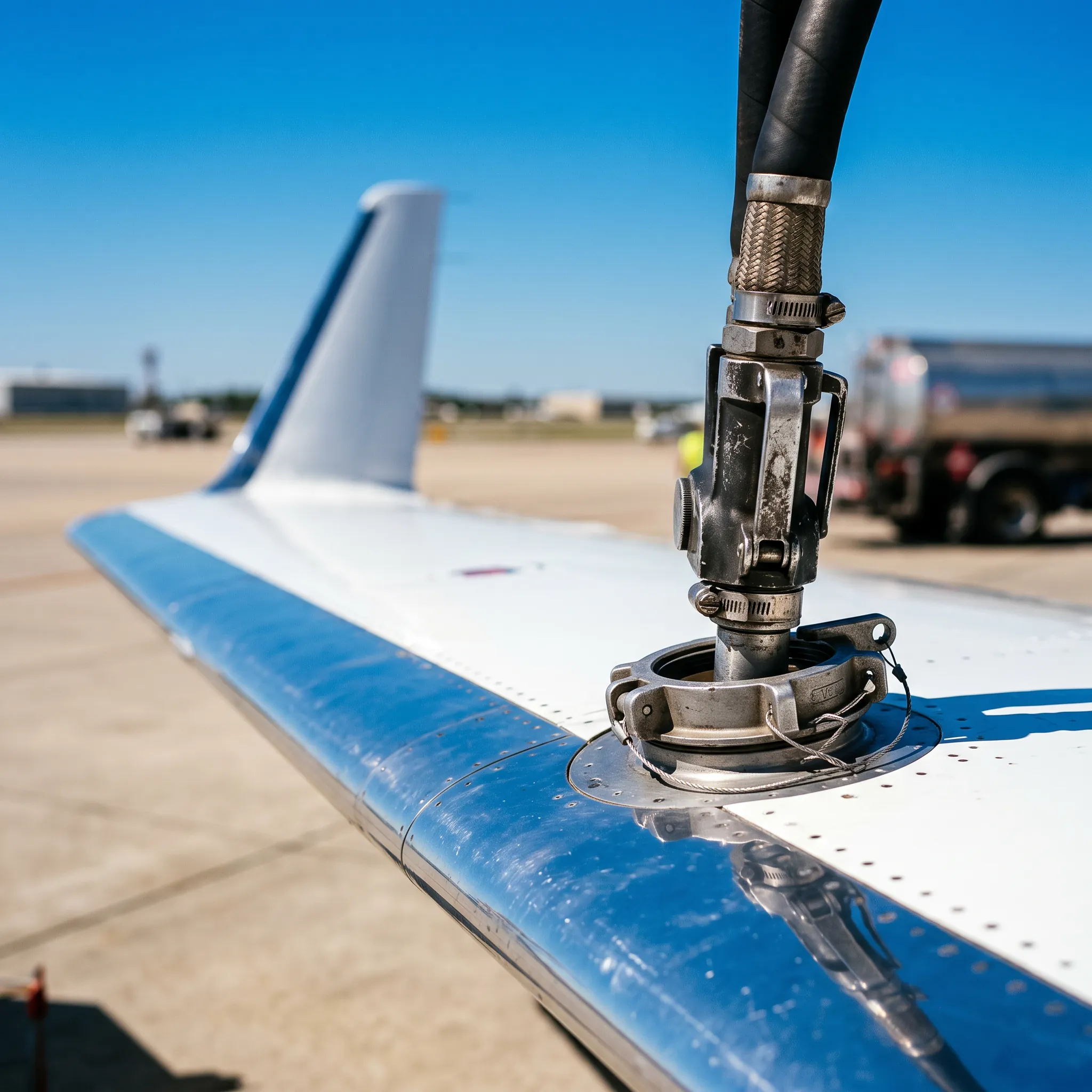
That fuel-price arbitrage comes with a catch: weight. Carrying extra fuel means carrying extra weight, and weight is never free. Every additional pound of fuel eats into payload, the allowance for passengers, bags, and cargo. On a jet already tight on numbers, that trade-off can force a hard choice between topping off tanks and leaving a bag behind.
There’s also a runway performance side to this. Heavier aircraft need more runway to get airborne, especially at high elevation airports or on hot days when the air is thinner. This is closely related to the payload and range math pilots run before every departure, something we cover in detail in our payload and range guide.
In short, tankering decisions boil down to a short list of competing factors dispatchers have to weigh before every multi-leg trip:
- Payload cost: extra fuel weight can bump passengers, bags, or cargo to stay under maximum takeoff weight
- Runway performance: heavier jets need more runway, especially at high-elevation or hot-day airports
- Fuel savings: price gaps between stops can exceed $8 per gallon at remote or fuel-scarce fields
- Burn penalty: carrying extra fuel means burning extra fuel just to move that weight, which eats into the savings
- Trip length: does the leg run long enough for the burn penalty to erase the price advantage entirely?
How Operators Decide When to Tanker
Dispatchers don’t tanker fuel on a hunch. Most operators run the numbers through flight-planning software that compares the cost of fuel at the departure airport against the destination, factoring in the extra burn required to haul the additional weight. That extra burn is real: a jet doesn’t get something for nothing, and every pound of tankered fuel costs a small amount of the very fuel it’s meant to save.
The breakeven calculation typically comes down to three inputs: the price differential between airports, the distance of the leg, and the aircraft’s specific fuel burn rate at cruise. A large price gap over a short leg is the ideal tankering scenario, since the aircraft doesn’t have to work hard to carry the extra weight before landing again. A long leg erodes the advantage quickly, because the burn penalty compounds mile after mile.
Weather and payload requirements can also override the math. If a departure airport is forecasting high density altitude, or if the manifest already has the aircraft near its weight limits with passengers and bags, the flight department may pass on tankering entirely, even if the fuel price gap looks attractive on paper. Safety margins and contractual passenger loads always take priority over a fuel discount.
What This Means for Charter Clients
None of this changes what a charter client experiences on the ground beyond the occasional longer fueling stop. The aircraft still arrives on schedule and the cabin is stocked exactly as expected, with the only visible difference being a few extra minutes at the pump. What tankering does change is the operator’s cost structure, and by extension, the pricing and route planning that goes into your trip.
If your itinerary includes an island hop, a resort strip, or any field known for thin fuel infrastructure, it’s worth asking your operator whether tankering factors into that leg’s planning. The answer won’t change your seat or your schedule, but it’s a good way to understand how a well-run flight department quietly keeps costs in check even when the destination’s fuel prices are anything but reasonable.