
Ask a broker how much life is left in an aircraft, and you’ll probably hear a number followed by “hours.” That’s only half the story. The other half, flight cycles, gets far less attention but often matters more when it comes to predicting an aircraft’s next big maintenance bill.
If you’ve ever shopped for a used jet, or wondered why a plane with relatively few logged hours still needed a costly inspection, the answer usually comes down to this distinction. Understanding it can save you from an expensive surprise, and it can also help you read an aircraft’s history the way a maintenance director would.
What Counts as an Hour, and What Counts as a Cycle
A flight hour is exactly what it sounds like: time spent airborne, from takeoff to touchdown, added up trip after trip. It’s the metric most people quote because it’s simple and it’s what shows up on a charter invoice.
A flight cycle is different. It’s one complete sequence, a single takeoff, one pressurization of the cabin, and the landing that follows. A three-hour flight from New York to Miami counts as one cycle. Five quick 30-minute hops between regional airports in the Northeast also count as five hours of flight time, but they generate five separate cycles, not one.
Why Cycles Punish Structure Harder Than Hours Do
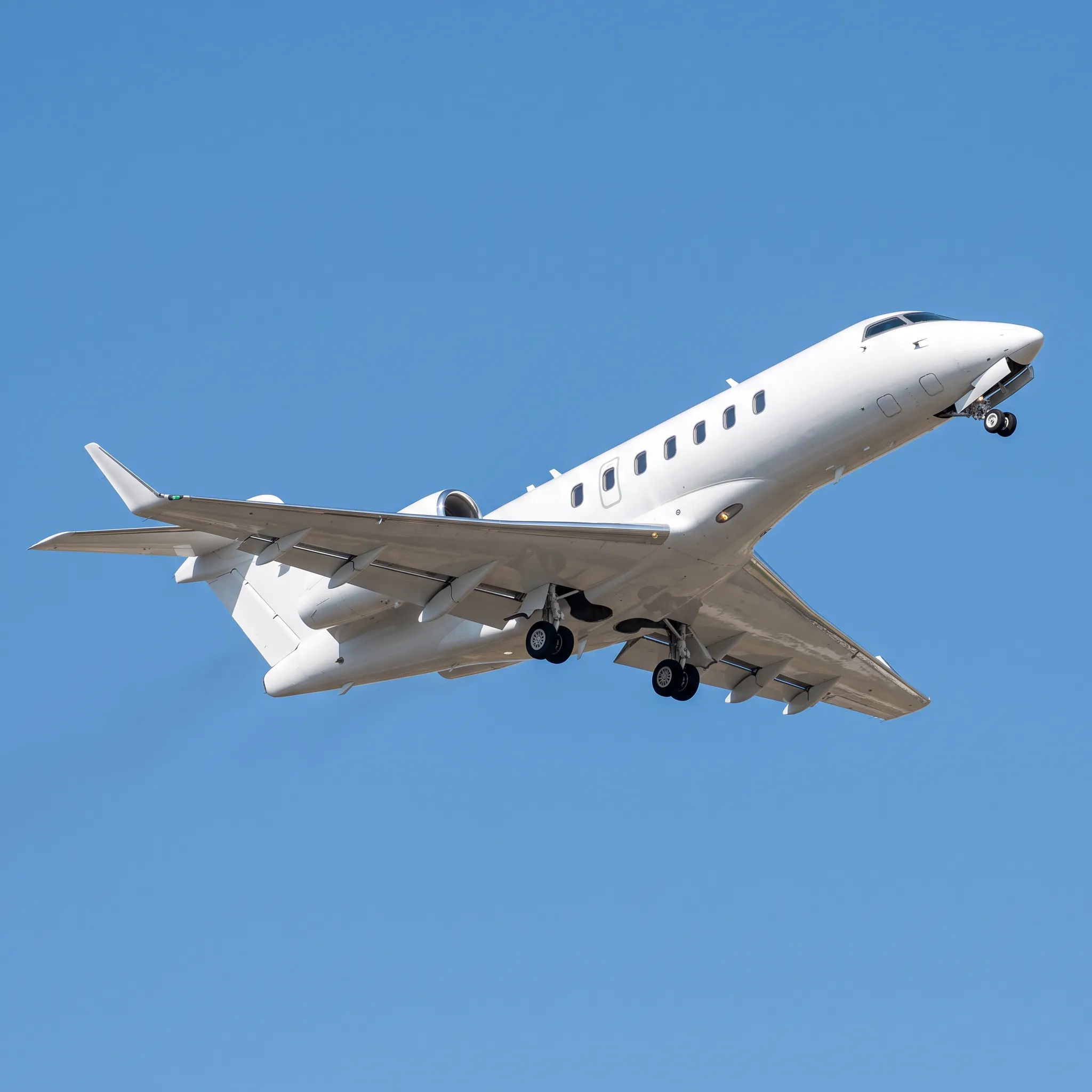
Every time a cabin pressurizes and depressurizes, the fuselage expands and contracts, ever so slightly. Do that enough times and you get metal fatigue, the same kind of stress that eventually cracks a paperclip after enough bends. Engineers design airframes to handle a certain number of these pressurization cycles before certain structural components need inspection or replacement.
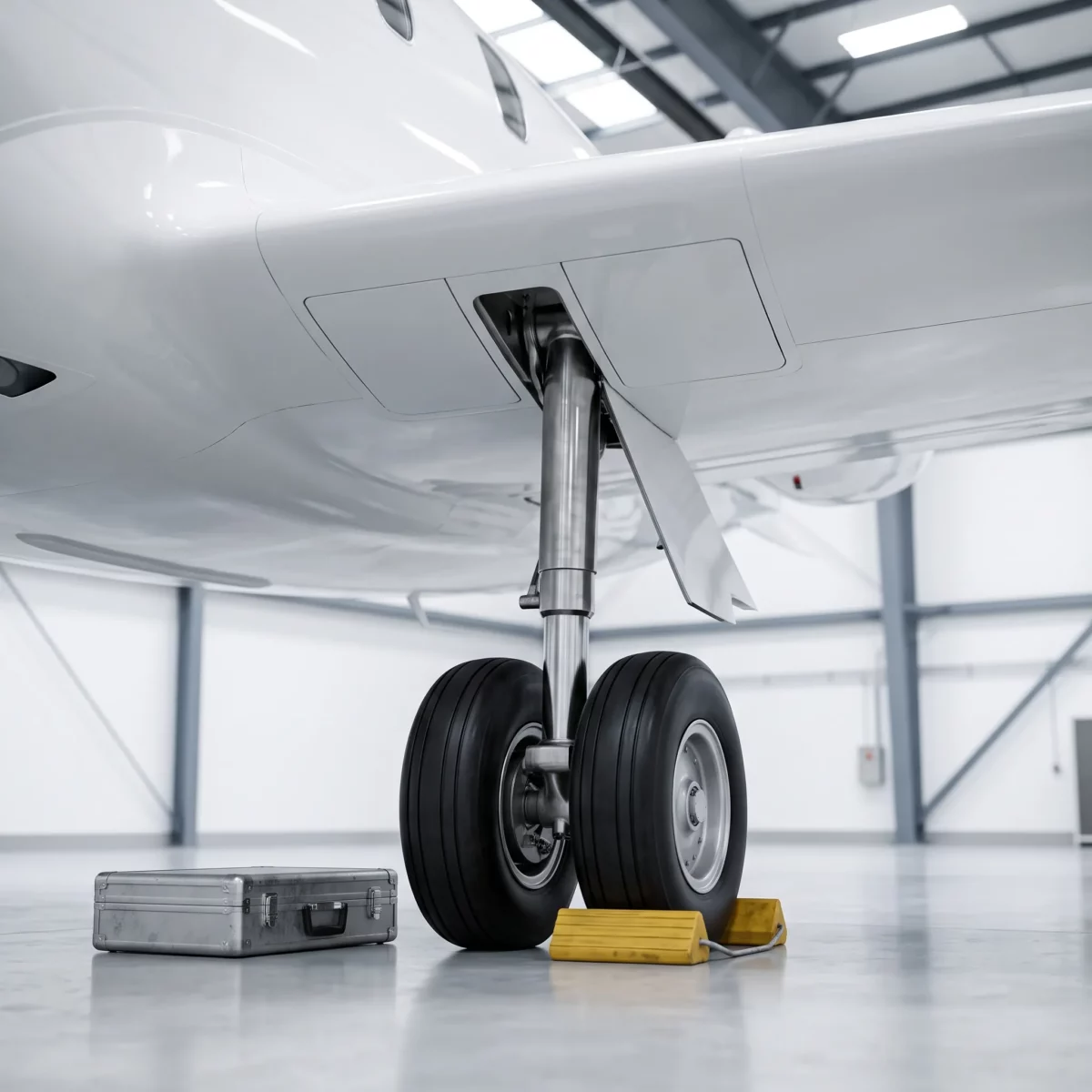
Takeoffs and landings load the airframe in other ways too. Landing gear absorbs impact. Brakes and tires wear. Engines spool up from idle to full power and back down again, which is far more stressful on turbine components than cruising at a steady altitude for hours at a time.
This is why a jet flying short regional legs, with frequent takeoffs and landings driving frequent pressurization cycles, can rack up cycle-driven wear far faster than its hour total suggests. Meanwhile, an aircraft that spends most of its life on long transcontinental or transatlantic legs might log 10 or 12 hours per cycle, putting comparatively little cycle stress on the airframe even as the hours climb.
A Simple Way to See the Difference
- Aircraft A: 2,000 flight hours, 2,800 cycles. Likely flew short regional or shuttle-style routes.
- Aircraft B: 2,000 flight hours, 400 cycles. Likely flew long-range missions with fewer, longer legs.
- Same hour total, very different maintenance outlook. Aircraft A is closer to major cycle-driven inspections despite having identical logged time.
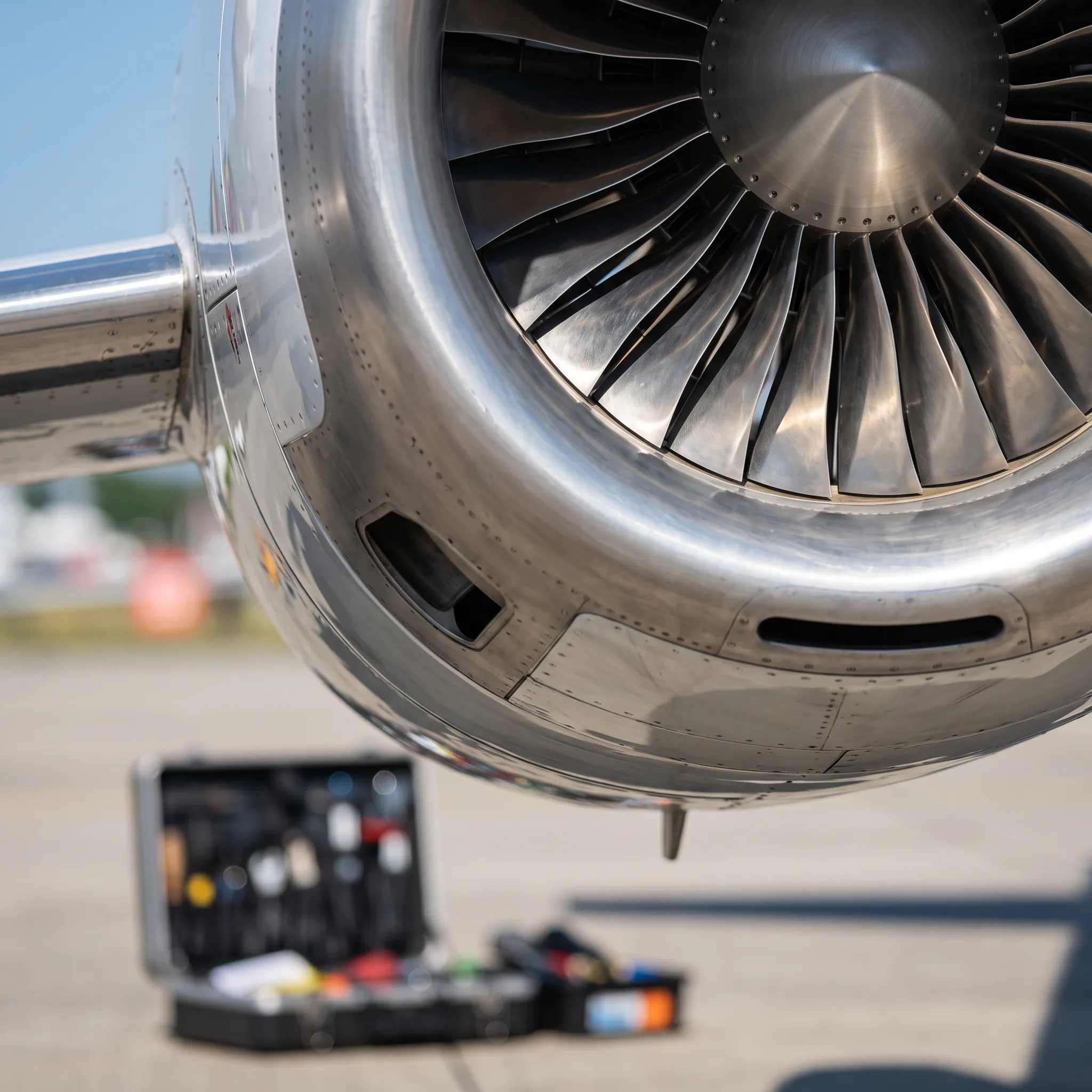
Manufacturers publish maintenance intervals tied to both metrics, and operators track whichever one comes due first. On many business jets, heavy structural inspections and certain landing gear overhauls are triggered by cycle count, not hours flown. Engine overhauls can be governed by either, depending on the model, but cycles weigh heavily because of the stress that comes with every takeoff’s full-power demand.
What This Means If You’re Buying or Chartering
For a buyer evaluating a used aircraft, the hours-to-cycles ratio tells you almost as much as the logbooks themselves. A low ratio, meaning lots of cycles relative to hours, suggests a jet that spent its life on short hops. That’s not automatically a dealbreaker, but it does mean you should look closely at landing gear condition, brake wear, and how close the airframe is to its next major cycle-based inspection.
A high ratio, more hours relative to cycles, generally points to a jet built for long-range flying. These aircraft often show gentler wear patterns on cycle-sensitive components, even if the hour total looks intimidating on paper.
This is one more reason why the biggest or newest aircraft on the ramp isn’t automatically the smartest purchase. As we’ve covered when looking at whether size and novelty should drive a private jet decision, the mission profile an aircraft actually flew matters as much as its specifications on a brochure.
Questions Worth Asking Before You Buy
- What’s the total hours-to-cycles ratio, and does it match how you plan to fly the aircraft?
- When is the next cycle-driven inspection due, and what does it typically cost?
- Has the aircraft’s mission profile changed over its life, from long-range to short-hop or vice versa?
- Are engine overhaul intervals on this model tied to hours, cycles, or whichever comes first?
Charter clients rarely need to think this deeply about maintenance triggers, but it’s worth knowing that operators do. It’s part of why billing methods in private aviation can seem inconsistent from one operator to the next. The way an aircraft is used shapes not just what you pay per flight, but how the operator manages that aircraft’s long-term maintenance schedule and, ultimately, its resale value.
Reading the Full Picture
During a pre-buy inspection, ask to see the cycle count broken out separately from total hours on the logbook summary, not just buried in the maintenance tracking software printout. Most reputable shops can pull an hours-to-cycles breakdown by flight segment in minutes, and it’s worth comparing that breakdown against the aircraft’s next scheduled structural inspection before you negotiate price. That single request can surface a looming five- or six-figure inspection bill that a simple hours total would never reveal.