
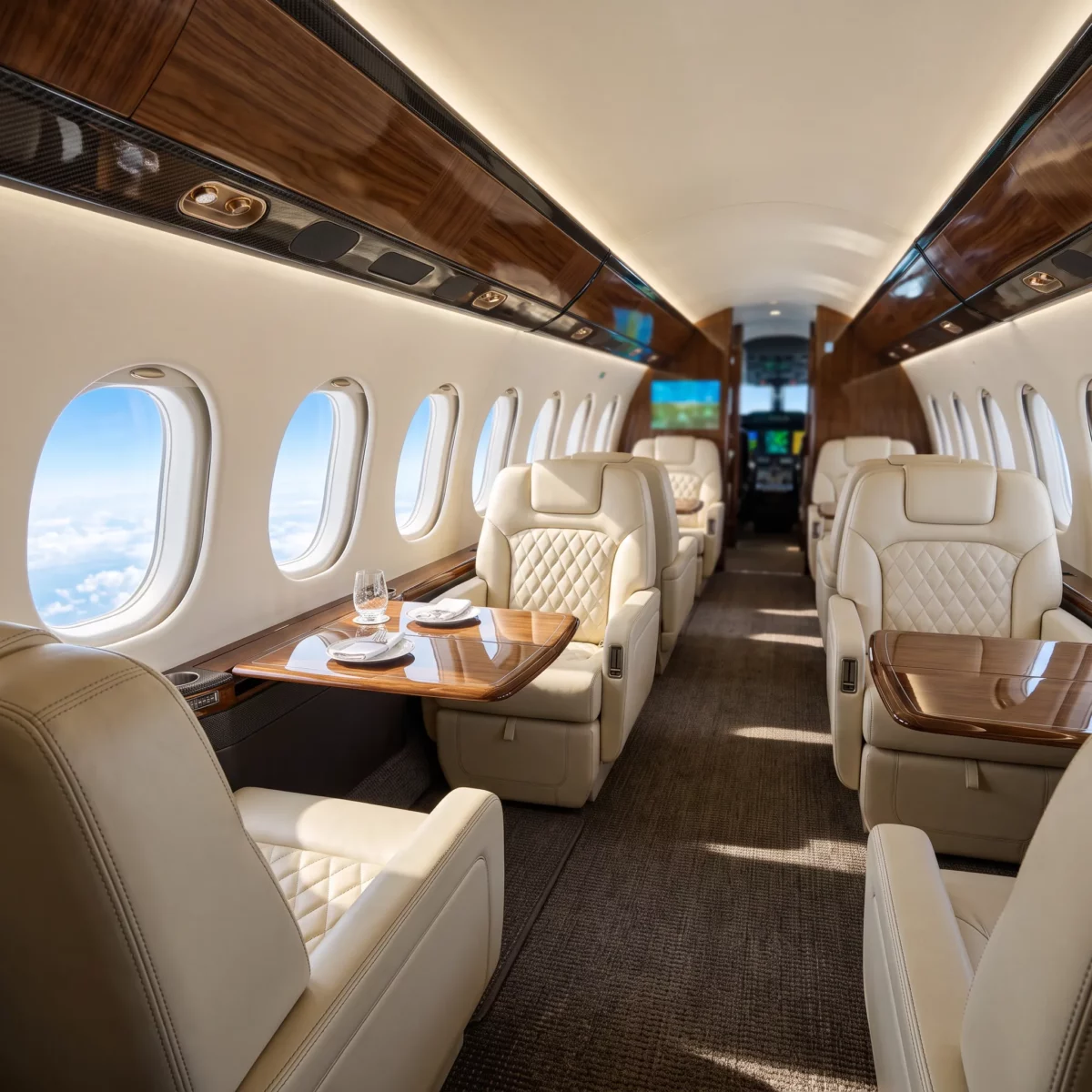
Ask a frequent flyer why they feel wrung out after a long commercial flight and they’ll blame the recycled air or the cramped seat. The real culprit is usually a number nobody ever tells them: cabin altitude. It’s the single biggest factor in how your body handles a long flight, and it’s also one of the most overlooked specs when people shop for a private jet.
Most airliners pressurize their cabins to the equivalent of 7,000 to 8,000 feet above sea level, even while cruising at 40,000 feet. That’s roughly the altitude of Aspen or La Paz. Your body can handle a ski trip to Aspen just fine, but sitting in that thin air for eight hours straight, breathing lower oxygen levels the entire time, leaves you dehydrated, foggy, and fatigued before you even clear customs.
What Cabin Altitude Actually Measures
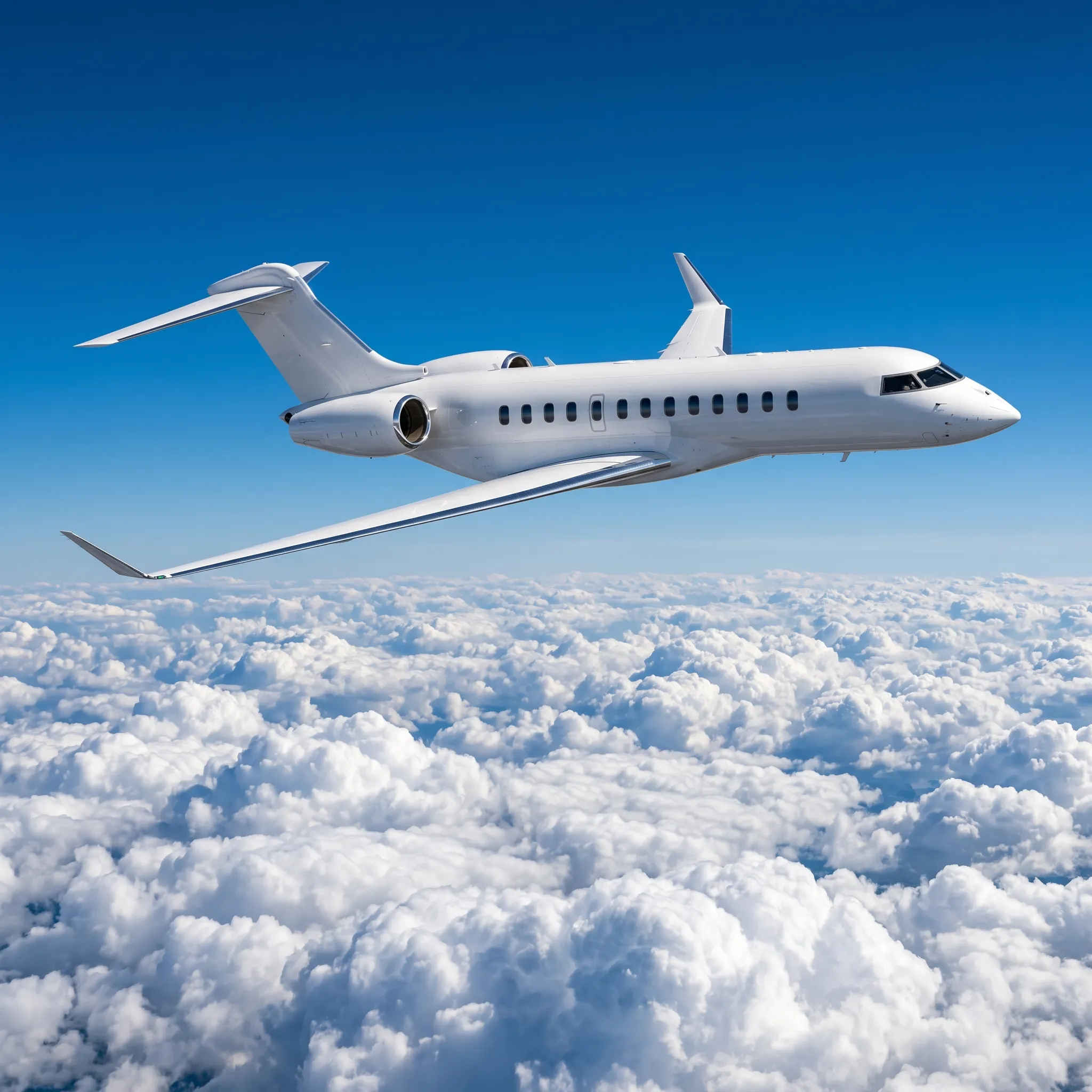
Cabin altitude isn’t the plane’s altitude. It’s a simulated altitude created inside the fuselage by the aircraft’s environmental control system, which pumps and regulates compressed air to keep cabin pressure higher than the thin air outside. The bigger the gap between outside pressure and inside pressure, the more oxygen your bloodstream absorbs, and the better you feel when the wheels touch down.
Engineers describe that gap using a term called maximum differential pressure, or psid (pounds per square inch differential). A higher psid rating means the fuselage can hold more pressure difference between the cabin and the thin air outside, which lets manufacturers push the cabin altitude lower even at extreme cruising heights. It’s a structural engineering problem as much as a comfort one. Every fuselage has a psid ceiling, and pushing past it risks the kind of structural fatigue that keeps aircraft designers up at night.
Why This Became a Selling Point
For years, cabin altitude was buried in spec sheets that only pilots and engineers read. That changed when manufacturers realized ultra-long-range travelers, the ones flying New York to Singapore or Los Angeles to Dubai nonstop, cared far more about landing sharp than about a fractional bump in top speed. Gulfstream, Bombardier, and Dassault now feature cabin altitude prominently in marketing materials, right alongside range and cabin size.
- Gulfstream G700: maintains a 2,916-foot cabin altitude at 51,000 feet, its maximum operating altitude
- Bombardier Global 7500: holds cabin altitude to roughly 4,850 feet at 51,000 feet cruise
- Legacy narrow-body airliners: typically sit between 7,000 and 8,000 feet
That difference sounds small on paper. In practice, it’s the difference between landing ready for a same-day board meeting and landing needing a nap first.
The Physiology Behind the Feeling
Lower cabin altitude means your blood oxygen saturation stays closer to sea-level norms throughout the flight. At 8,000 feet of cabin altitude, oxygen saturation in a healthy adult can drop into the low 90s, similar to what you’d feel hiking a moderate trail. At 3,000 to 4,000 feet, that drop is far smaller. Passengers on ultra-long-range jets consistently report fewer headaches and less swelling. The grogginess people casually call jet lag shows up far less too.
There’s a knock-on effect too. Lower cabin altitude reduces the rate of moisture loss from your skin and respiratory system, so dehydration, one of the biggest drivers of in-flight fatigue, happens more slowly. Combine that with better humidity control, another feature ultra-long-range cabins are increasingly built around, and the difference over a 12-hour leg becomes dramatic.
What to Ask Before You Book or Buy
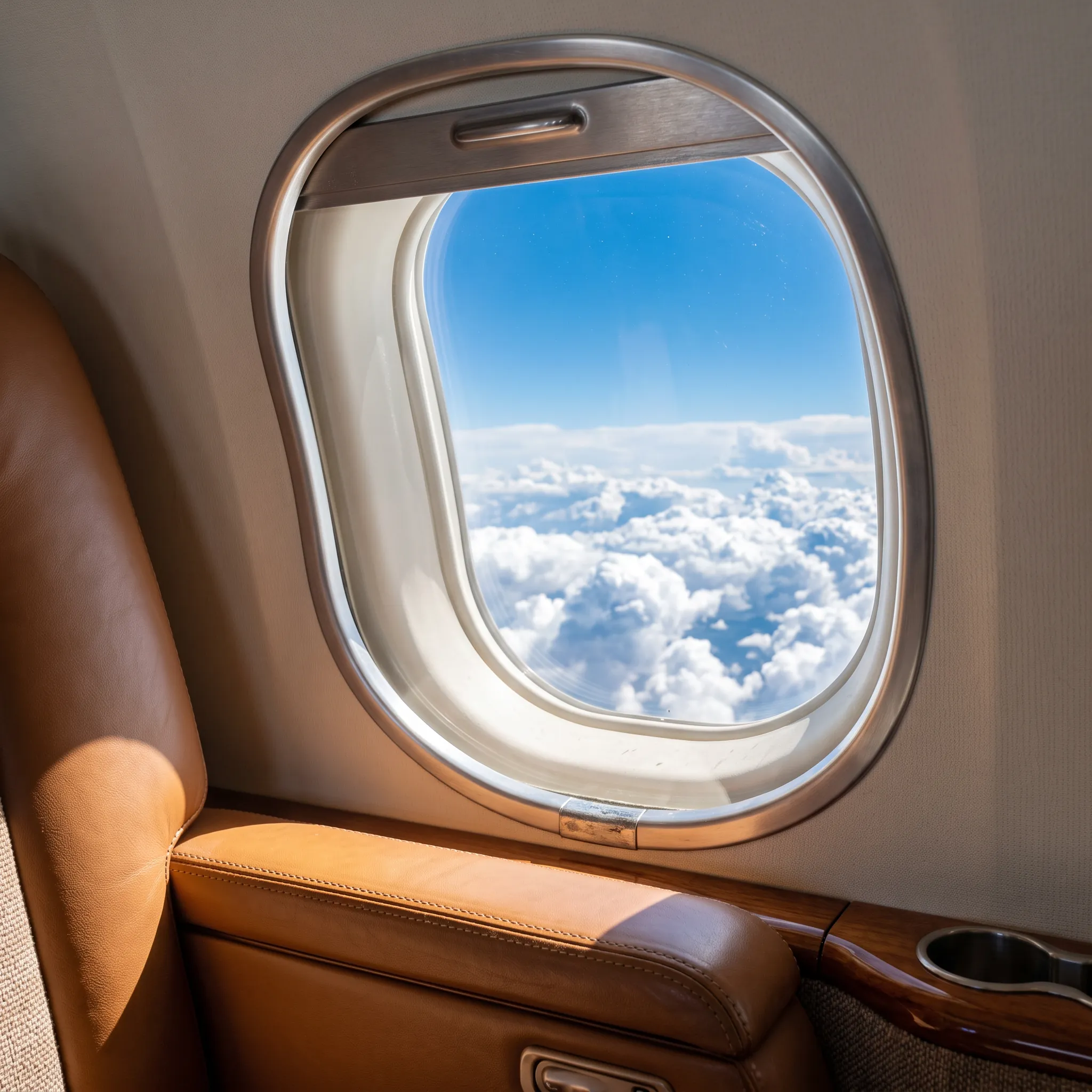
If you’re chartering, fractional, or shopping for a jet outright, cabin altitude deserves the same attention you’d give range or cabin height. It’s a spec worth comparing side by side, not just taking on faith from a brochure.
- Ask what cabin altitude the aircraft holds at its typical cruising altitude, not just its best-case figure
- Compare that number against your longest planned routes, since altitude effects compound over time in the air
- Remember that psid rating and cabin altitude are related but not identical, so ask for the actual cabin altitude figure, not just the pressure differential
This ties into a broader conversation about how flying private changes the way your body experiences a long trip, well beyond the obvious perks of legroom and privacy. It also connects to how aircraft manage thin air at altitude more broadly, a subject covered in our look at what density altitude means for payload and range.
Where the Technology Is Headed
Newer composite fuselages, like those on the G700 and Global 7500, handle higher psid ratings better than older aluminum designs because composite materials resist the fatigue cycles that repeated pressurization causes. That’s part of why the newest generation of ultra-long-range jets keeps pushing cabin altitude figures lower, even as they fly higher and faster than their predecessors.
Expect this trend to continue as manufacturers compete for buyers who care less about shaving twenty minutes off a transatlantic crossing and more about walking off the aircraft ready to work. A sub-3,000-foot cabin isn’t a marketing flourish. It’s the reason a 14-hour Dubai leg ends with a handshake instead of a nap.