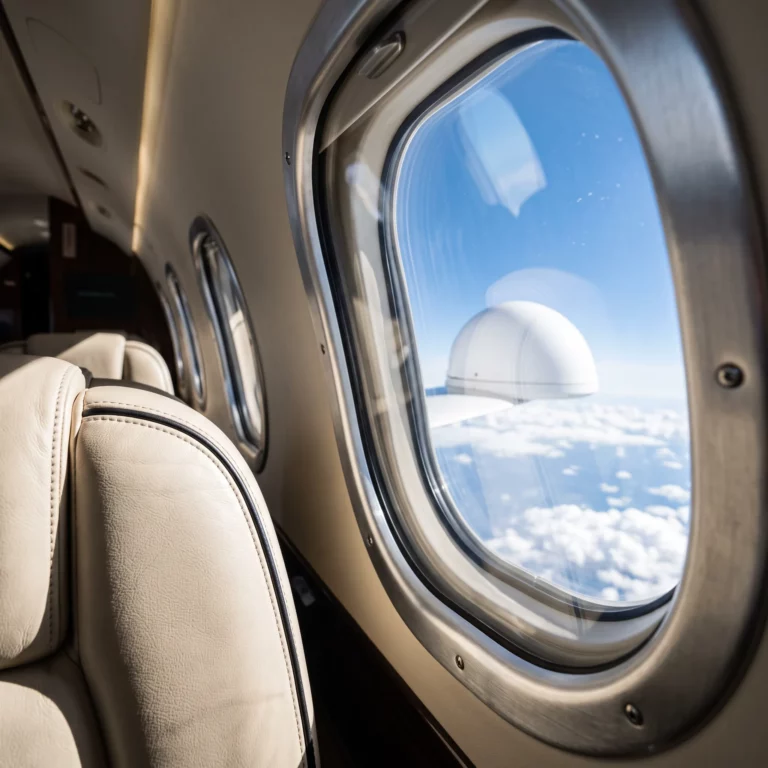

Ka-Band or Ku-Band: What Actually Powers Your Jet’s Wi-Fi
Ka-band, Ku-band, or Air-to-Ground? A clear, jargon-free breakdown of what actually powers private jet Wi-Fi, and why the difference matters the next time your video call drops mid-flight.
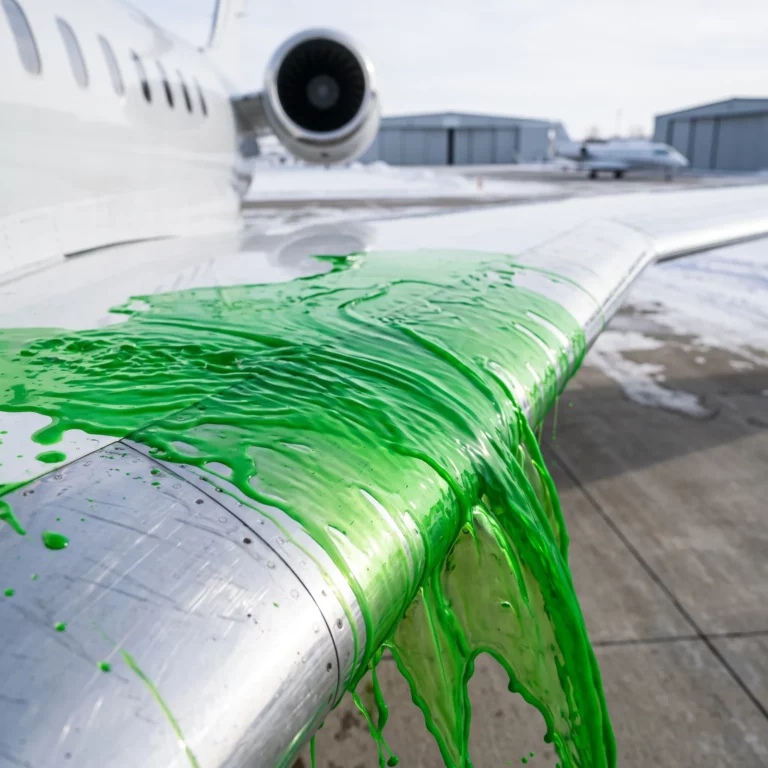
That orange-and-green fluid sprayed on your private jet before a winter departure isn’t just expensive theater. Type I and Type IV de-icing fluids serve distinct, critical purposes, and understanding the difference helps explain both the safety standards and the invoices that follow.
That extra flight time on your jet card statement isn’t a mistake. It’s chock-to-chock billing, and it can quietly consume hours you didn’t plan for. Here’s exactly how private aviation billing works, where the time goes, and what questions to ask before you sign.
The APU is the small gas turbine engine tucked into your jet’s tail cone that runs before the main engines ever start. It powers the cabin, keeps you cool on the ground, and provides the compressed air needed to ignite the main engines. Here’s what it does and why it matters.
Those letters and numbers on an aircraft’s tail do far more than identify the plane. They declare which country’s laws govern the crew, the maintenance requirements, and even your rights as a passenger. Here’s what every private aviation traveler should understand about registration prefixes.
Landing fees and ramp fees appear on every private aviation invoice, but they come from entirely different sources. Here’s what each charge actually means, who collects it, and when a fuel purchase makes one of them disappear.
The engine type powering your private jet shapes your speed, your fuel costs, and which airports you can actually reach. Here’s what turbojet, turbofan, and turboprop really mean for how you fly.
Private jet range figures in brochures assume ideal conditions that rarely match real trips. Understanding how passengers, baggage, and MTOW interact gives you a far more accurate picture of what your aircraft can actually do before you book.