

Warren Buffett doesn’t usually get excited about airplanes. He’s spent decades warning investors away from commercial aviation stocks, calling the industry a value-destroying machine. So when Berkshire Hathaway’s latest earnings report shows aviation revenues up roughly 15% for the second quarter, it’s worth pausing on. This isn’t Delta or United posting those numbers. It’s NetJets, and the distinction matters more than most people realize.
Berkshire’s Q2 filing, released this week, paints a picture of a private aviation market that’s still running hot three years after the pandemic-era surge was supposed to fade. According to the filing, total company revenues climbed at a double-digit clip year-over-year, but the Service group, which houses NetJets alongside Executive Jet Management and pilot training giant FlightSafety, grew notably faster than the company average. That gap tells you something about where the real momentum sits inside the Berkshire empire right now.

What’s Actually Driving the Growth
Berkshire’s disclosure points to three specific levers behind the aviation jump: more aircraft enrolled in shared ownership programs, higher flight and training hours, and rising average prices. None of that is a surprise to anyone who’s tried to buy into fractional ownership lately. NetJets has been managing an unusual problem for the industry’s biggest operator: too much demand chasing too little available capacity.
That’s why NetJets, under Chairman and CEO Adam Johnson, has now restricted new jet card and lease sales for the second time in five years. It’s a blunt tool, but it works. Existing jet card holders can still renew once they burn through their current hours, so loyal clients aren’t locked out. New buyers, though, are finding the front door harder to open than it’s been in recent memory.
- NetJets owned fleet numbers in the hundreds of aircraft, not counting managed aircraft under separate contracts
- Second sales restriction in five years on jet cards and leases
- Existing customers retain renewal rights once current hours are used
- Higher average prices across shared ownership programs cited directly in Berkshire’s filing
Why Restricting Sales Actually Signals Strength
Turning away business sounds counterintuitive for a growth story, but in fractional aviation it’s a sign of a healthy, disciplined operator rather than a struggling one. NetJets learned hard lessons from the 2021 to 2022 stretch when demand outran fleet capacity and service quality slipped. Rather than repeat that, the company is choosing to protect the guaranteed availability that fractional buyers pay a premium for in the first place. That’s the entire value proposition of fractional ownership: your jet shows up when you need it, no exceptions. Overselling that promise breaks the model. Our recent look at NetJets’ broader strategic repositioning this year explains how deliberate this shift has been.
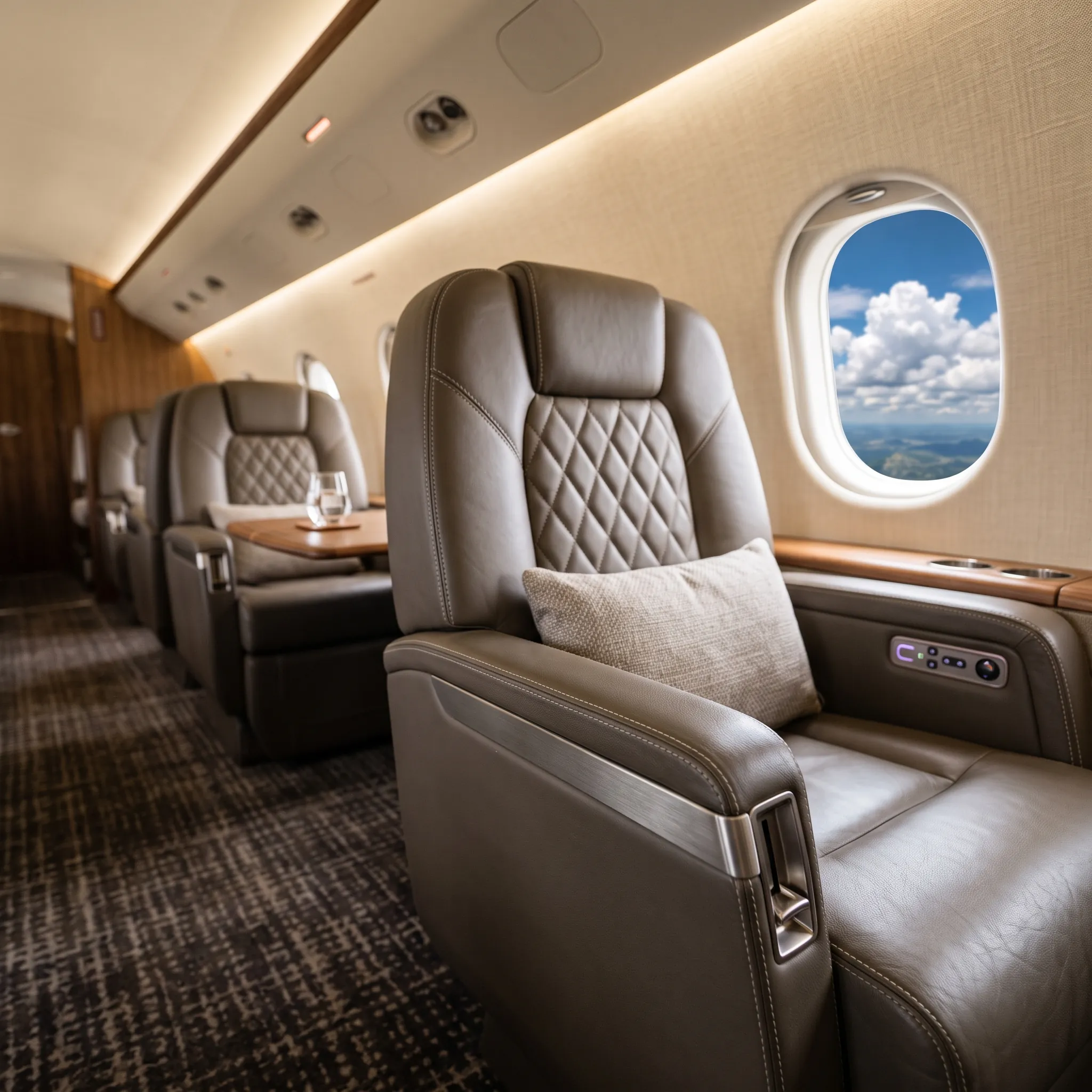
How NetJets Stacks Up Against Flexjet
With NetJets pulling back on new sales, the more relevant competitive question for buyers isn’t Berkshire’s stock portfolio, it’s who else can actually get you into the air. Flexjet remains the clearest alternative at scale, and it’s been aggressive about fleet growth even as NetJets tightens access. Flexjet’s acquisition of The Jet Business earlier this year was a clear signal that it intends to keep expanding capacity while its largest rival is doing the opposite.
NetJets vs. Flexjet at a Glance
| Metric | NetJets | Flexjet |
|---|---|---|
| Owner | Berkshire Hathaway | Directional Aviation |
| Owned fleet size | Large, established fleet | Smaller, expanding fleet |
| 2026 sales posture | Restricting new jet cards | Actively growing membership base |
What This Means If You’re Shopping for Access
For readers weighing their own entry into private aviation, the practical takeaway is simple: the biggest operator in the business is currently harder to get into, not easier. If you’ve been sitting on the fence about a jet card, waiting rarely improves your position in a market like this. Buyers who move now, or who lean on booking further in advance, tend to fare better than those hoping prices soften.
It also reinforces something we’ve been tracking all year, that corporate flight departments and business travelers are flying more, not less. Our earlier piece on business travel’s return to private aviation lines up neatly with FlightSafety’s own growth in training hours, since more corporate pilots in the system usually means more corporate aircraft in the air.
Where This Leaves the Market
Berkshire’s cash reserves remain enormous by any standard, and the company’s market capitalization sits well into the trillions. Aviation is a small slice of that empire, but it’s a slice that’s growing faster than almost everything else Buffett owns. That’s a remarkable statement about the strength of high-net-worth travel demand right now.
Fleet expansion takes years, not quarters, and pilot training pipelines at FlightSafety move even slower still. Buyers serious about fractional access shouldn’t wait for NetJets to reopen; the smarter move is to lock in a Flexjet membership or another actively selling program now, while seats are still available, and revisit NetJets once its restrictions actually lift.