

Clean-sheet aircraft programs don’t come around often. When one does, there’s usually a long stretch of conceptual renderings and press releases before anything real happens. The Phantom 3500 from Otto Aerospace just crossed a threshold that separates the promising from the serious: it passed its Preliminary Design Review, and the aerodynamic design is now frozen.
That last part matters more than it might sound. Freezing the aerodynamic design and major interfaces signals that the engineering team has committed. No more fundamental changes to the shape of the aircraft. From here, the program shifts from design to execution, with detailed engineering, production planning, and hardware fabrication all getting underway.

What the PDR Actually Means
A Preliminary Design Review is a structured technical assessment conducted early in an aircraft program. Engineers evaluate whether the aircraft’s configuration, architecture, and design intent are mature enough to move forward. Pass it, and you get to build hardware. Fail to meet the bar, and you go back to the drawing board.
Otto Aerospace conducted the review at its future headquarters in Jacksonville, Florida, which itself signals growing organizational maturity. CEO and President Scott Drennan described the milestone as the program moving from planning to doing. Next up is the Critical Design Review, a deeper technical gate that brings the team even closer to cutting metal on flight-test aircraft.
For an all-new aircraft program, this sequence is the right one. The concern with clean-sheet programs isn’t usually ambition. It’s execution. Getting through PDR on schedule suggests Otto Aerospace isn’t just building a compelling brochure.
The Technology at the Heart of the Phantom 3500
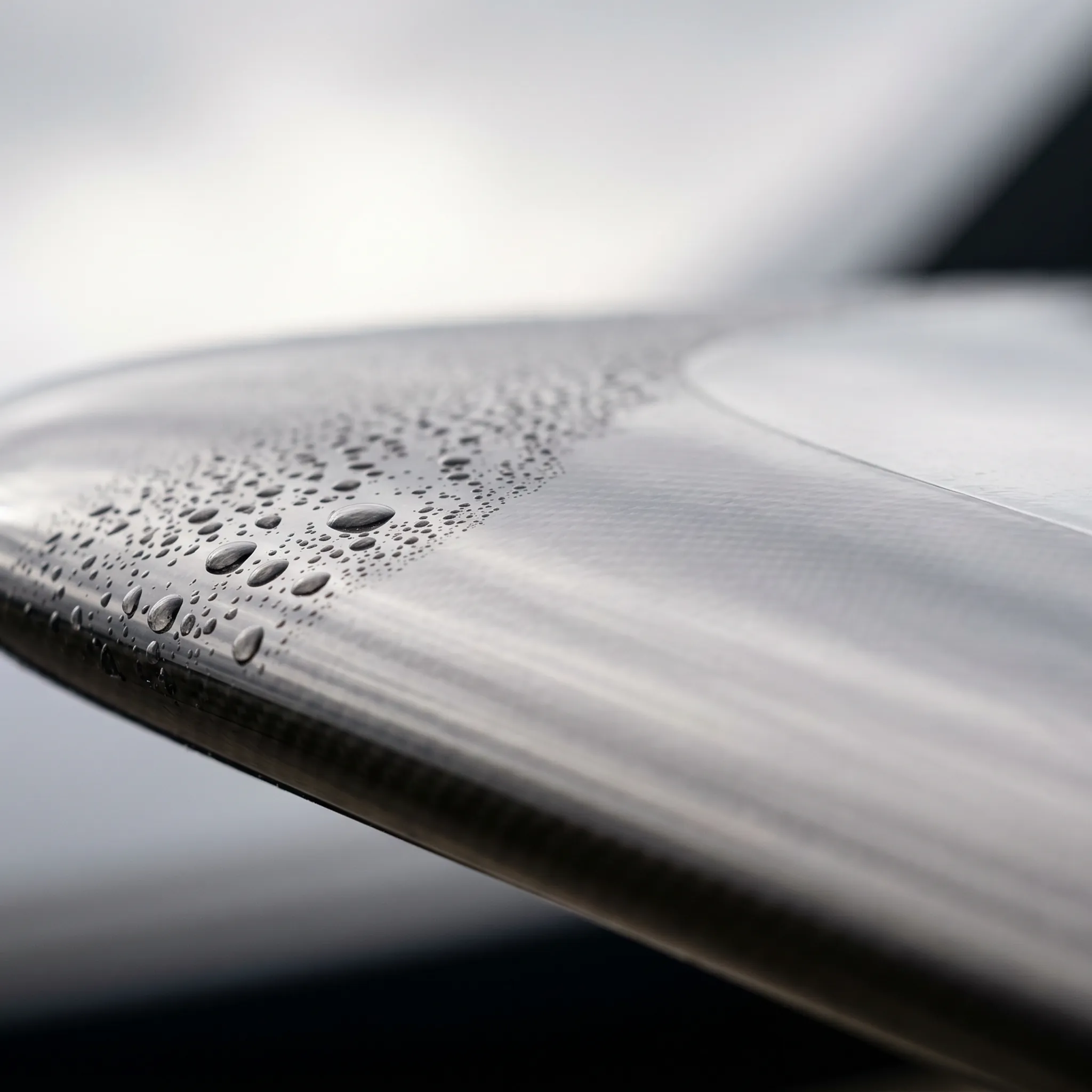
The Phantom 3500 is built around applied laminar-flow technology. In practical terms, laminar flow means the air moves smoothly over the wing’s surface rather than breaking into turbulent patterns. Turbulence creates drag. Drag burns fuel. Reduce drag, and you burn significantly less energy over the course of a flight.
This isn’t a theoretical concept. Laminar-flow research has roots going back decades, but applying it reliably on a production aircraft and maintaining it through the entire service life is the hard part. Minor surface imperfections, insects on leading edges, or ice accumulation can all disrupt laminar flow. Chief Technology Officer Kyle Heironimus has indicated that the flight-test program will specifically validate whether the laminar-flow performance holds up in the real world, not just in simulations.
The Flexjet Deal Changes the Calculus
Aircraft programs need customers. Otto Aerospace has one of the biggest in business aviation. In September 2025, Flexjet signed a deal for up to 300 Phantom 3500 aircraft. That number is striking regardless of how you look at it.
For context, Flexjet operates one of the world’s largest fractional ownership fleets. A commitment of that scale gives the Phantom 3500 program financial credibility and market visibility that most startup aviation companies can only dream of. It also signals something about where Flexjet sees the market heading.
Flexjet Chairman Kenn Ricci has been direct about the reasoning. The goal wasn’t to find a slightly better midsize jet. The goal was to find an aircraft where efficiency and environmental performance sit alongside speed and range as primary design criteria. That’s a philosophical shift for a fractional program, and the Phantom 3500 is the first aircraft built from scratch to reflect it.
What This Means for Fractional Owners
If you’re a Flexjet fractional owner, the implications are real. A more fuel-efficient aircraft means lower operating costs over time. That doesn’t automatically translate to lower hourly rates, and Flexjet hasn’t made those commitments yet. But the margin structure improves with aircraft that burn less fuel, and operators have more flexibility to absorb fuel price volatility.
The sustainability angle also matters to a growing segment of high-net-worth flyers. Environmental consciousness in private aviation has moved from a nice-to-have to a genuine purchasing consideration for some clients. An aircraft engineered for lower energy consumption offers a more durable story than carbon offsets.

How It Stacks Up in the Midsize Segment
The midsize and super-midsize jet market is competitive. Aircraft like the Cessna Citation Longitude, Embraer Praetor 600, and Bombardier Challenger 350 have set high bars on range, cabin comfort, and avionics. Any new entrant needs a clear reason to exist.
The Phantom 3500’s differentiator is efficiency by design, not by modification. The aircraft didn’t start as an existing platform with improvements bolted on. The laminar-flow technology shaped the airframe from the beginning. That’s a meaningful distinction when you’re comparing projected performance numbers.
| Aircraft | Design Basis | Key Efficiency Feature |
|---|---|---|
| Phantom 3500 | Clean-sheet, 2026 | Applied laminar-flow wing |
| Praetor 600 | Evolved platform | Active turbulence reduction |
| Challenger 350 | Evolved platform | Advanced winglets |
The caveat is timing. The Phantom 3500 targets first flight in 2027 for its initial Flight Test Vehicle. Certification and deliveries follow after that, which means buyers are looking at a multi-year wait. Established competitors are available today. That gap is a real consideration for anyone evaluating options right now.
The Road to First Flight
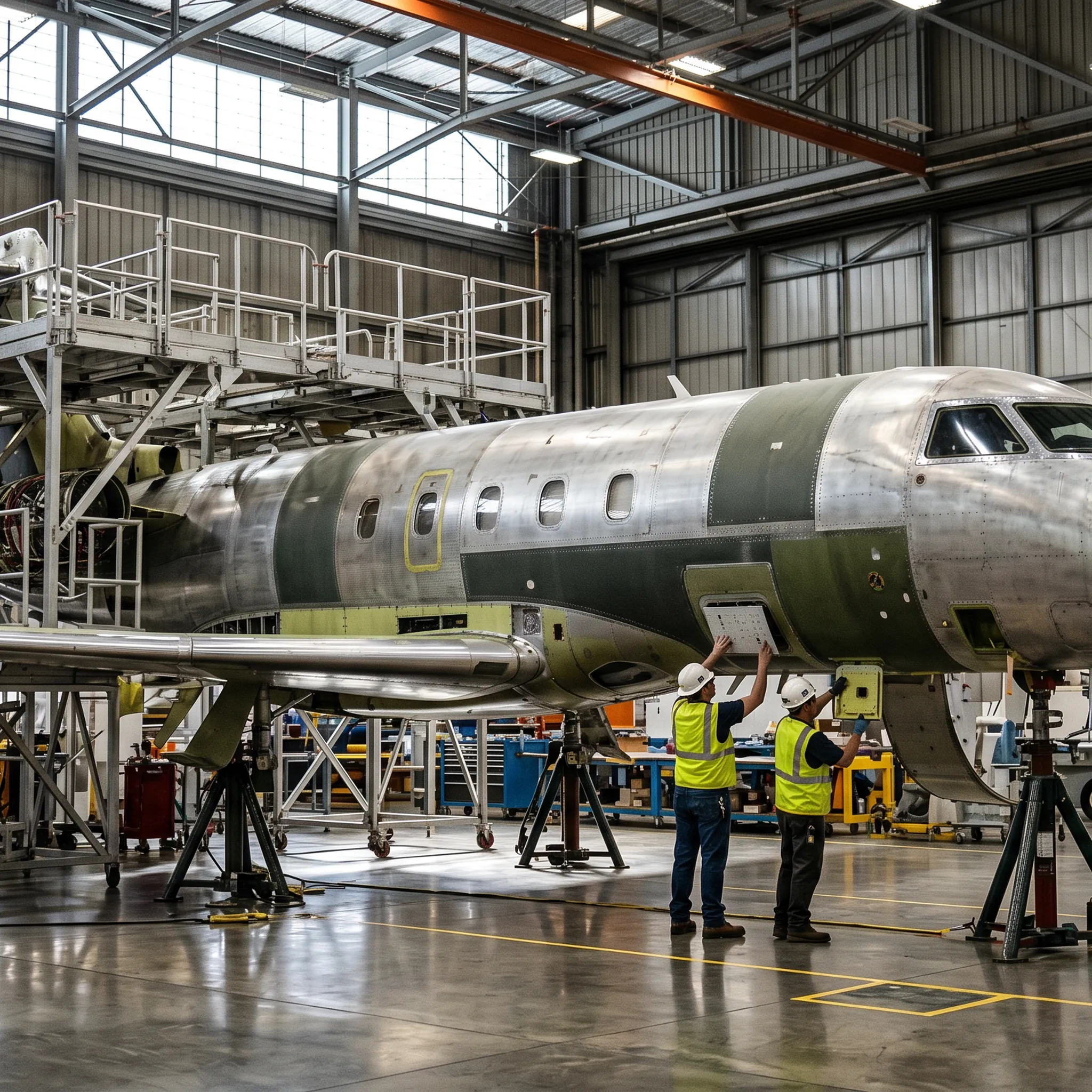
With the aerodynamic design frozen, the team’s next focus is hardware. Building the first physical Flight Test Vehicle is the step that exposes every assumption made during the design phase. Materials behave differently than models predict. Fit and finish issues appear. Systems that worked perfectly in simulation need adjustment when they’re installed in an actual airframe.
The 2027 first flight target is ambitious but not unreasonable for a program at this stage of development. Heironimus has emphasized maintaining both speed and certification rigor, which are often in tension. Push too hard for schedule, and you risk cutting corners that come back during certification. The FAA’s certification process for a clean-sheet aircraft with novel aerodynamic technology will be thorough. There’s no shortcut through it.
A Program Worth Watching
Most new aircraft programs announce themselves loudly and deliver quietly, if they deliver at all. The Phantom 3500 has cleared enough real technical milestones to take seriously. The PDR passage, the design freeze, the Flexjet commitment, the Jacksonville headquarters, these aren’t press-release milestones. They’re program milestones.
For anyone in the fractional ownership market or evaluating midsize jet options over a longer horizon, Otto Aerospace has earned a spot on the watchlist. The 2027 first flight will be the next true test. If the laminar-flow performance holds up in actual flight testing, the Phantom 3500 won’t just be a new midsize jet. It’ll be the aircraft that forces the rest of the segment to rethink what fuel efficiency looks like at altitude.