
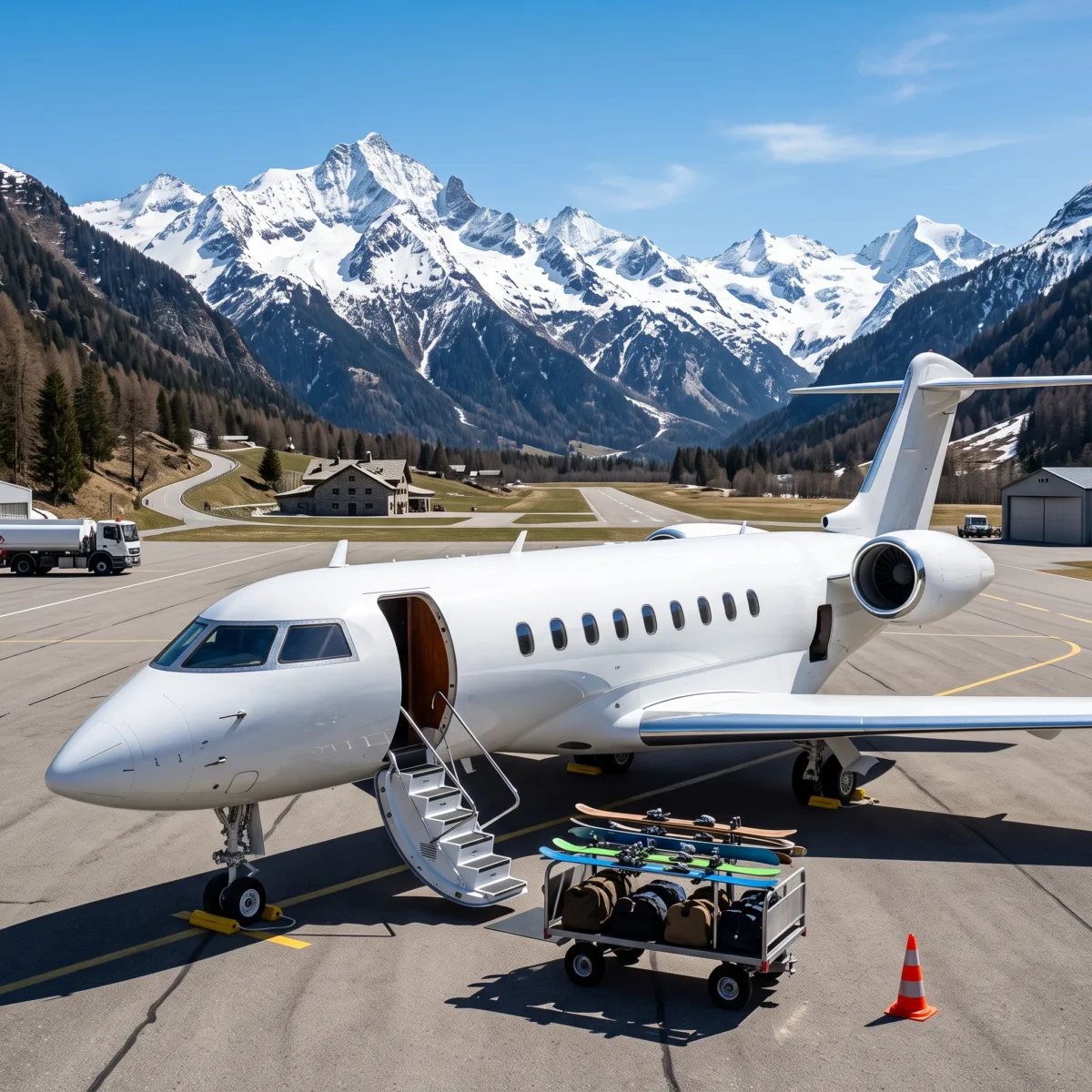
The corporate road warrior built business aviation. The family heading to Aspen, Mykonos or a house in the Caribbean is now pushing it forward. McKinsey’s post-pandemic analysis of the private aviation market identifies leisure travel as a leading driver of private jet demand. That fits what we hear from operators about their holiday schedules. We have not reproduced the report’s figures here, so check the original for the exact leisure share before quoting it.
Mostly that is good news, but demand shaped by school holidays and long weekends behaves very differently from demand shaped by quarterly board meetings, and the industry is still rebuilding around that difference.
A Different Kind of Demand
Corporate flying spreads across the week, with Monday morning out and Thursday evening back. Leisure flying bunches up: everyone wants to leave Friday afternoon, return Sunday night, and travel over the same handful of holidays.
That concentration is why so many operators feel stretched even when total flight hours look healthy. Fleets aren’t short overall, but the right aircraft is often in the wrong place on the days everyone wants it.
Business travel hasn’t gone away, either. Our look at how business travel is reclaiming private aviation shows corporate demand returning, so leisure peaks now stack on top of a recovering weekday base rather than filling empty space.
Four Bottlenecks
Based on how this demand pattern plays out, we see four pressure points. This is our own synthesis rather than a list from the McKinsey report. Each one lands differently on owners, card holders and charter flights customers.
- Aircraft availability: Peak days sell out first, and empty repositioning legs get expensive when everyone flies the same direction.
- Airport congestion: Popular leisure airports like Aspen, Teterboro and Nice have limited ramp space, slot constraints and curfews.
- Crew availability: Weekend-heavy schedules concentrate duty time into a few days.
- Rising operating costs: Fuel, labor, insurance and maintenance all cost more, and operators pass much of that along.
You’ve probably met these already if you’ve tried to book a jet to Aspen for the Friday before Memorial Day. On-demand charter quotes for that date typically come in well above a midweek flight on the same route, and the cabin you wanted may already be gone.
What It Means for Scheduling and Fleets
Operators can’t add aircraft overnight, so they’re getting smarter about the ones they have. Fractional and jet card programs typically designate peak days around major holidays, and NetJets and Flexjet both publish calendars of this kind. On those dates availability tightens and lead times grow. The exact number of peak days and the notice required vary by contract, so read your own agreement. In our view, more dynamic pricing on peak dates is a likely next step, though that is our expectation rather than an announced change.
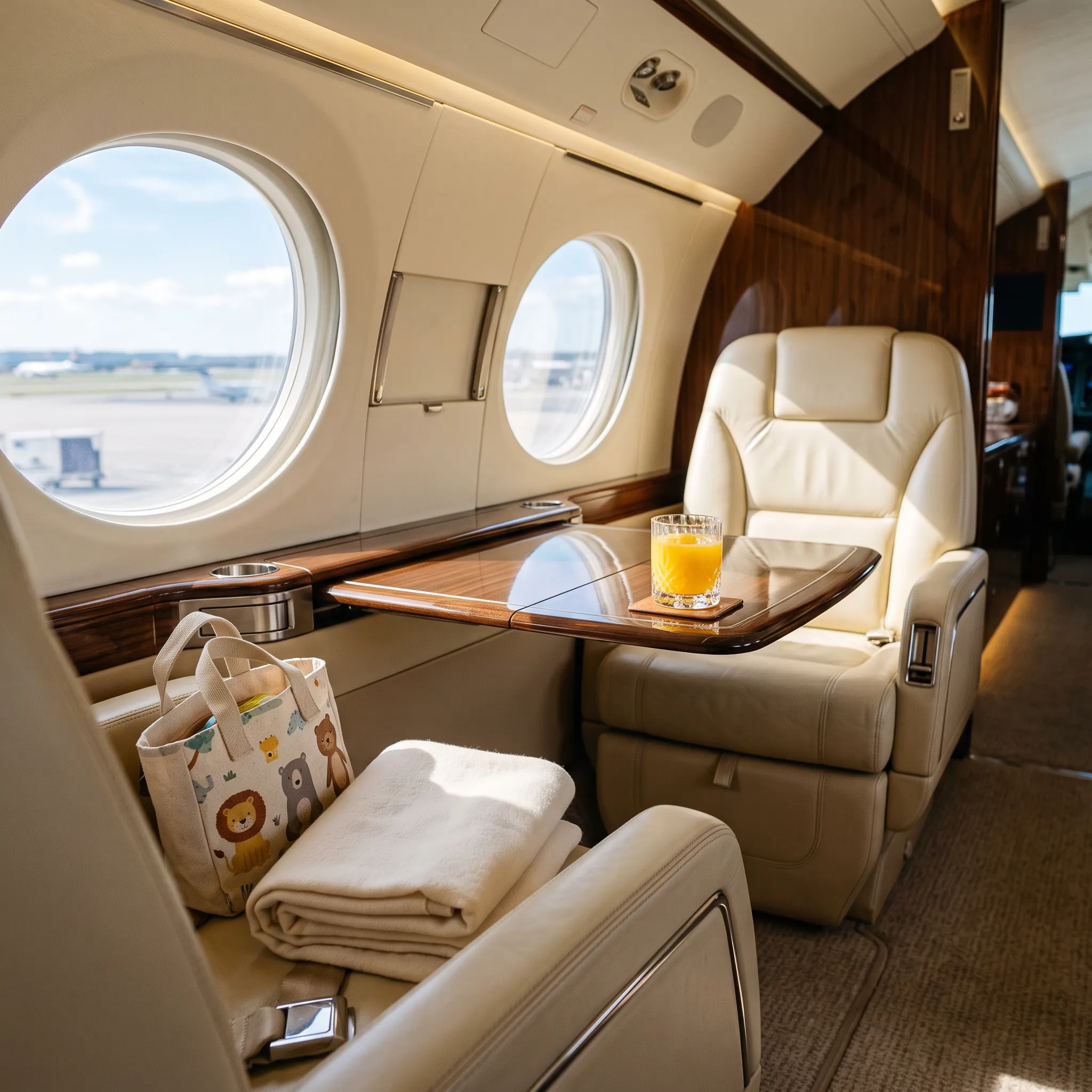
Fleet mix is shifting too. Leisure groups tend to be families and friends, often four to eight people with a lot of luggage and sometimes skis, golf bags or dogs, which favors midsize and super-midsize cabins with real baggage space over pure business configurations. That may help explain why older mid-cabin jets keep finding eager buyers, and why owners are refurbishing pre-owned jets instead of waiting for new deliveries.
Crew scheduling matters as well. A Friday-to-Sunday pattern with late arrivals pushes pilots against legal limits faster than a typical corporate rotation. We covered the mechanics in our guide to pilot duty limits in private aviation, and leisure peaks make those limits a bigger planning factor.

FBOs Rethink the Welcome
Fixed base operators (FBOs), the private terminals where you arrive, built their service around a lone executive with a briefcase and a tight meeting. Leisure travelers arrive with children, luggage, pets and sometimes grandparents.
The better FBOs are responding with family-friendly lounges, quicker baggage handling and ground transport that fits a group of eight. Catering requests now lean toward birthday cakes and kids’ menus rather than working lunches. Large networks such as Signature Aviation are investing in dedicated terminals, as our coverage of the NetJets private terminal in Austin with Signature Aviation shows. Some operators are also adding hangar and ramp capacity, because an aircraft that sits overnight at a resort airport needs somewhere to go.
Resort airports feel the squeeze most. Parking limits there can force a jet to drop passengers, fly empty to another airport, and return later to collect them, and that repositioning cost ends up on the invoice.
How Leisure Flyers Can Plan Smarter
You can’t change the calendar, but you can work with it. A few habits make a real difference in peak periods:
- Book early: Peak dates fill weeks ahead, and our piece on the benefits of booking a private jet in advance explains the savings.
- Shift a day: Leaving Thursday or returning Monday often saves meaningful money and widens your aircraft choice.
- Ask about alternate airports: A secondary field twenty minutes away can mean no parking limits and lower fees.
- Check the program calendar: Jet card and fractional peak-day lists show which dates carry restrictions before you commit.

Where This Goes Next
Leisure demand isn’t a phase. The pandemic introduced a large new group of travelers to private aviation, and many of them kept flying because it fit how they wanted to live and travel. McKinsey’s analysis treats that group as central to the market’s recovery, which makes leisure a core business for operators rather than a side line.
If you plan to fly over Thanksgiving, Christmas or the winter ski season, pull up your program’s peak-day calendar now and request those dates early. Those are the windows where aircraft and slots at resort airports run out first.