
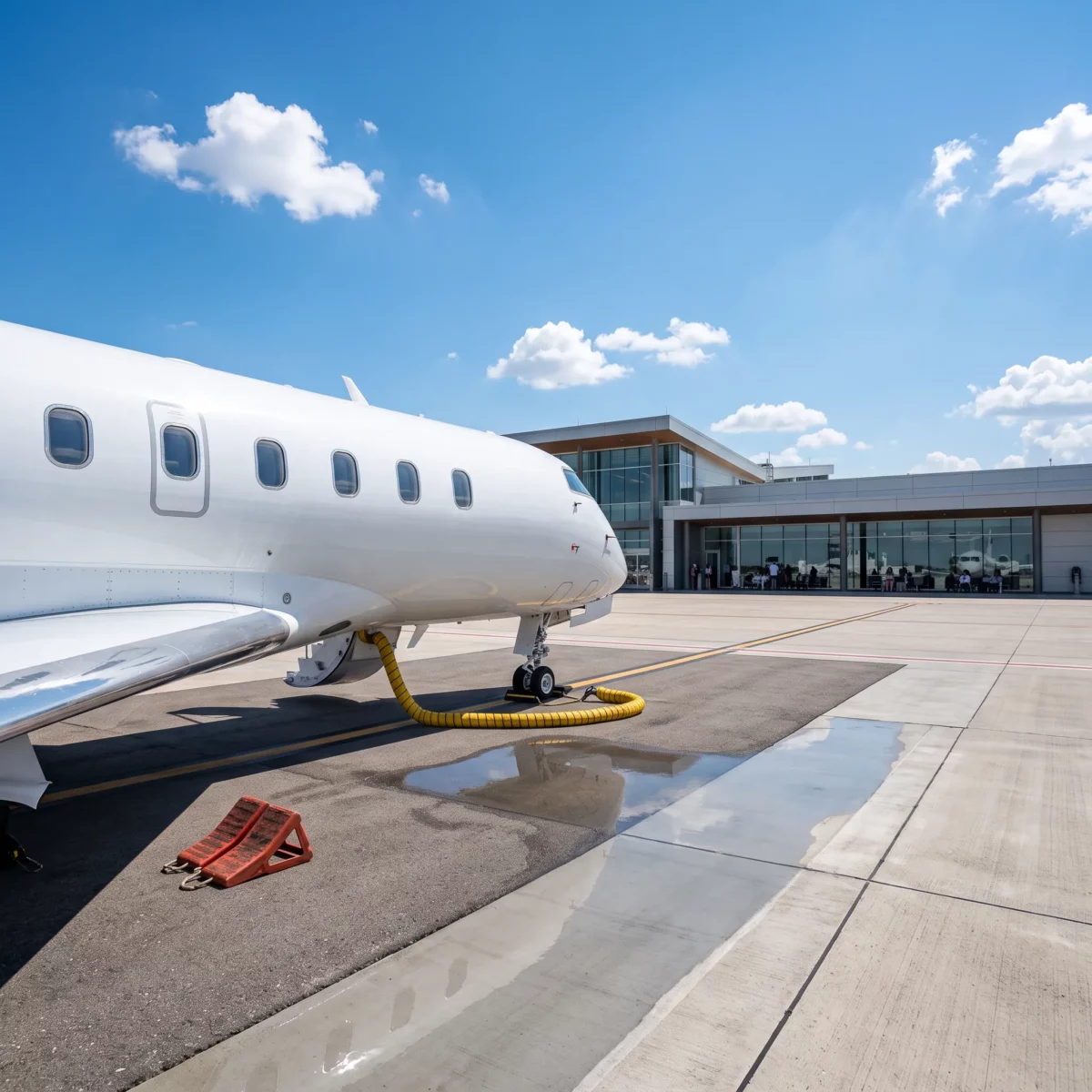
NetJets wants a building in Austin that belongs entirely to it, and the paperwork proves it. A filing with the Texas Department of Licensing and Regulation, first reported by the Austin Business Journal, points to a new private terminal at Austin-Bergstrom International Airport, with a price tag near $19.5 million. It’s a significant number for a single facility, and it says a lot about where the fractional giant thinks its business is headed.
The project would be built by Signature Aviation on NetJets’ behalf, which is a familiar arrangement in this corner of the industry. Signature already runs one of the largest FBO networks in the country, but here it would act more like a contractor than an operator. That distinction means NetJets, not Signature, sets ramp priority and access during peak weekends — the difference between a member waiting behind other operators’ traffic and walking straight to their aircraft.
What’s Actually Being Built
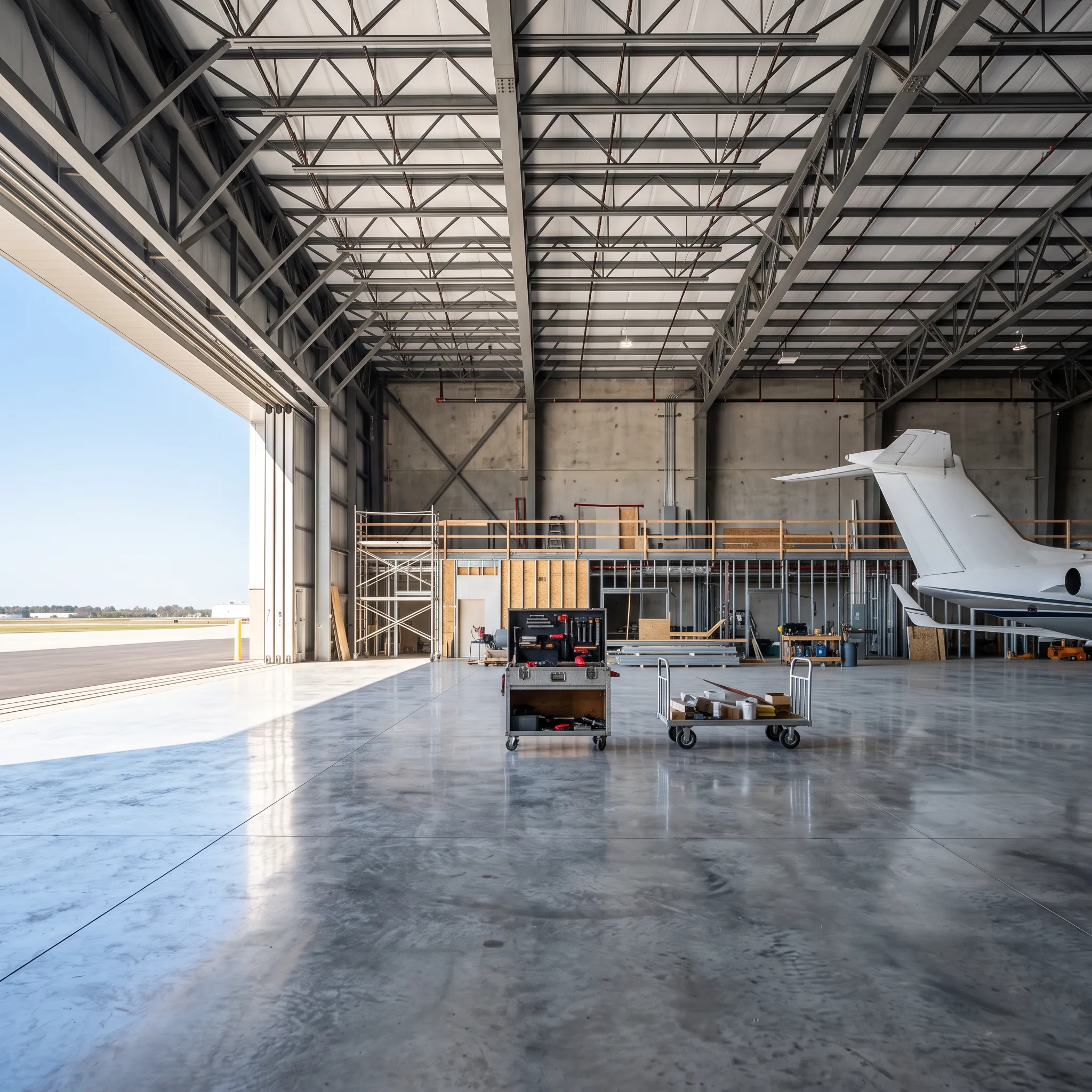
Filing records lay out the scope pretty clearly. The plans call for an 8,000-square-foot passenger terminal paired with a much larger 106,000-square-foot hangar and storage complex. That ratio tells you this isn’t primarily a lounge project. It’s an aircraft-parking play with a terminal attached, which fits NetJets’ fleet math in a growth market like Austin.
- Passenger terminal: 8,000 square feet, sized for private check-in and lounge space rather than mass throughput
- Aircraft storage: 106,000 square feet, enough to house a meaningful chunk of based fractional aircraft
- Estimated cost: $19.5 million, funded through Signature’s construction arrangement with NetJets
A NetJets spokesperson declined to confirm details when asked, saying the company had no information to share. That’s standard for a project still moving through local permitting, but the filing itself leaves little doubt about intent.
Why Austin, and Why Now
Austin-Bergstrom has seen a sharp rise in private jet traffic in recent years, driven by the same forces reshaping the city itself: tech relocations, a growing base of corporate flight departments, and a wealthy population that increasingly treats private travel as routine rather than occasional.
That kind of demand strains shared FBO ramps fast. Peak weekends bring congestion, longer wait times, and less predictable turnaround for based aircraft. For an operator running thousands of flights a year through a single market, that unpredictability becomes a real operational cost. Owning the ramp removes a lot of that uncertainty.
A Pattern, Not a One-Off
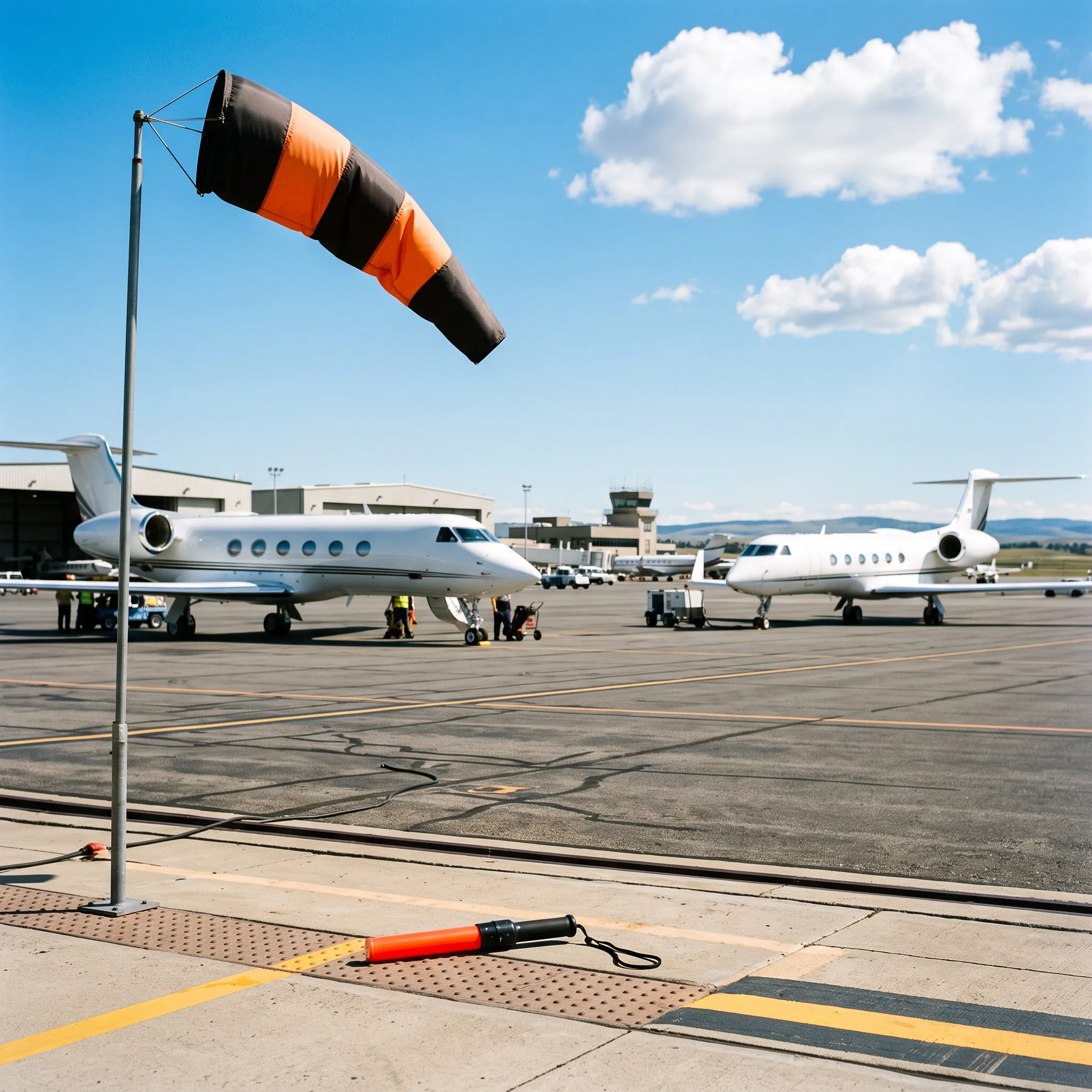
Austin isn’t necessarily happening in isolation. NetJets has signaled similar exclusive-use ambitions in other markets, according to industry reports, and the company has built or operated private-terminal arrangements in select cities before. We’re seeking to confirm the specific status of any additional projects and will update this piece with sourcing once details are verified.
NetJets is quietly building a private airport network inside the public one, market by market. For readers tracking the broader shift in how NetJets is positioning itself, this fits the pattern discussed in our recent look at NetJets’ rebrand and jet card expansion.