
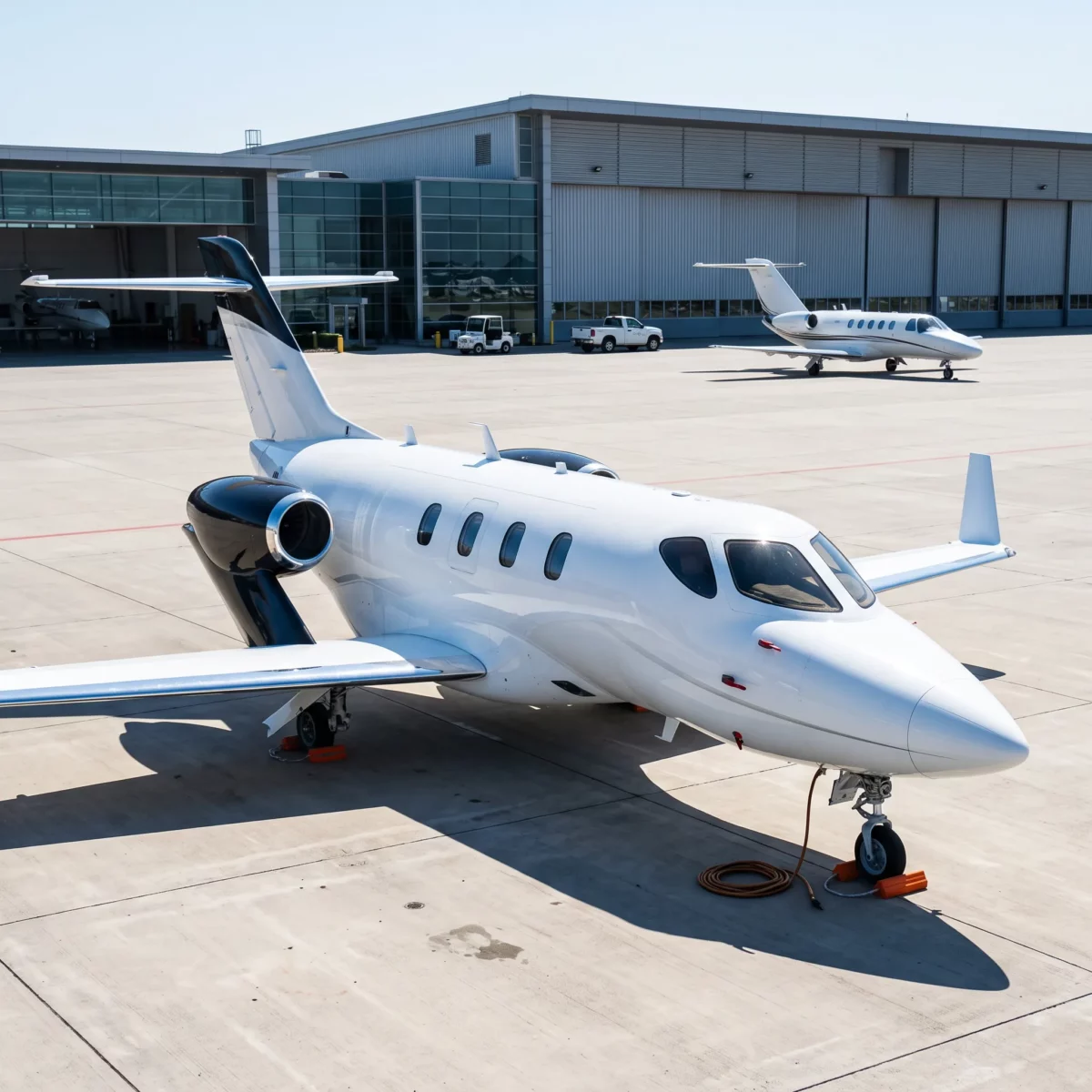
A new name just walked onto the fractional ownership floor, and it’s carrying a familiar badge. Thrive Aviation, based in Las Vegas, has launched its own fractional program with what it describes as backing from Arulean Air, a minority investor said to be affiliated with Honda Aircraft Company. That claim, drawn from Thrive’s own launch announcement, hasn’t been confirmed by Honda directly, and it matters more than a typical funding story if it holds up. A manufacturer with equity ties to a fractional operator would be a notable departure from how the industry has worked for years, and it would land squarely in the segment where NetJets, Flexjet, and Nicholas Air have spent decades building loyalty.
Fractional ownership has always been dominated by a handful of players running large, mixed fleets across light, midsize, and heavy categories. Thrive is doing something narrower and, frankly, more focused. It’s betting that a modern light and midsize fleet, paired with manufacturer backing, can win over owners who feel underserved by the giants.
Why Honda’s Involvement Changes the Conversation
Aircraft manufacturers typically stay a step removed from fractional programs. They sell airplanes to fractional operators and let those operators run the membership side of the business. A minority stake through Arulean Air would suggest something different: a manufacturer wanting influence over how its aircraft get positioned to private aviation buyers, not just how many units get sold.
That’s a meaningful shift if it plays out as described. Some analysts have argued the HondaJet Elite II has underperformed relative to its engineering, trailing entrenched names like the Phenom 300 and Citation CJ4 in delivery volume. A direct line into a fractional program would give Honda a controlled environment to put its aircraft in front of the kind of buyer who might never have shopped a HondaJet on the used market.
What Thrive’s Fleet Strategy Looks Like
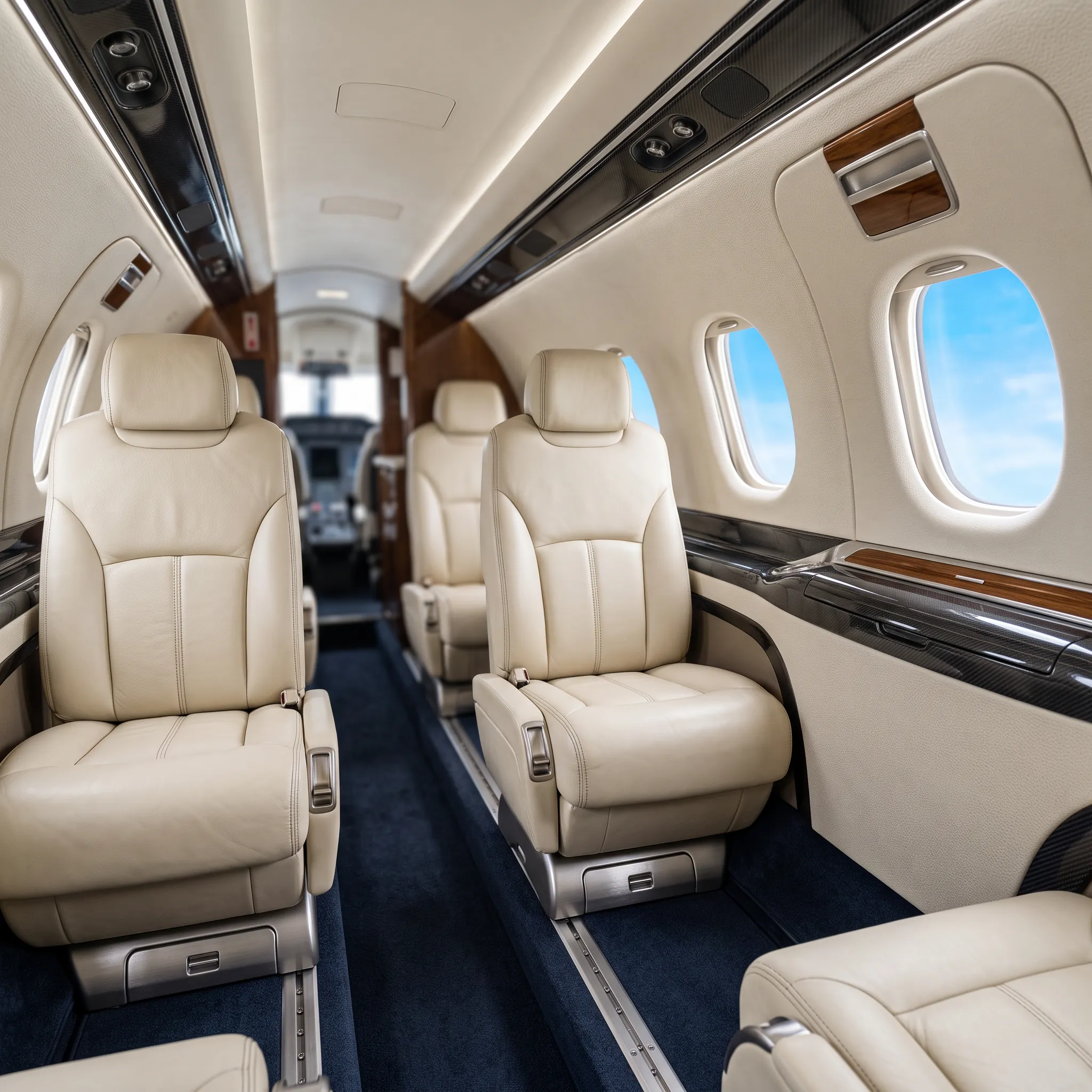
Details on Thrive’s exact aircraft mix are still emerging, but the stated focus on modern light and midsize jets tells us plenty. This isn’t an attempt to compete with NetJets at the ultra-long-range end of the market. It’s a play for the owner who flies domestic legs, values newer cabins, and wants fractional flexibility without buying into a heavy-jet program priced for intercontinental range they’ll rarely use.
- Newer aircraft: A fleet built around current-production light and midsize jets rather than aging legacy models
- Regional strength: A Las Vegas base positions Thrive well for West Coast and Mountain West demand, an area some larger operators service thinly
- Manufacturer ties: Access to Honda’s production pipeline and support network, a rare advantage for a newer fractional entrant

How This Stacks Up Against the Established Players
It’s worth putting Thrive’s positioning next to the established fractional players to see where the real competition sits.
| Factor | Thrive Aviation | Established Operators (NetJets, Flexjet, Nicholas Air) |
|---|---|---|
| Fleet focus | Light and midsize, modern aircraft | Light through heavy, mixed generations |
| Manufacturer backing | Minority stake tied to Honda Aircraft (via Arulean Air) | Multiple OEM relationships, no equity ties |
| Market history | New entrant, 2026 launch | Decades of operating history |
The established operators still hold the advantage in scale, safety track record, and depth of interchange options across their fleets. But scale isn’t everything to a buyer who just wants a newer HondaJet or a comparable light jet on a predictable schedule. Thrive doesn’t need to beat NetJets on breadth. It needs to win a specific type of owner on fit.
What This Means for Buyers Weighing Their Options
If you’re currently comparing fractional ownership against jet cards or straight charter, Thrive’s arrival adds a genuine new data point rather than just more noise. More competition in the light and midsize segment tends to put pressure on pricing and service commitments across the board, which benefits everyone shopping in that range. It’s a dynamic worth watching alongside how the larger players are responding, something we broke down in NetJets Q2 Numbers Show Why Fractional Ownership Keeps Winning.
For buyers still working out which ownership model fits their flying pattern, it’s worth stepping back to the fundamentals before getting pulled into any single program’s pitch. Our breakdown of Private Jet Solutions: Understanding Your Aviation Options is a useful starting point. And the renewed manufacturer interest in this category lines up with a broader trend we’ve tracked recently in Why Light Jets Are Making a Comeback in Private Aviation.
The Real Test for Thrive
Thrive Aviation’s real test won’t be its launch announcement. It’ll be whether the Honda backing translates into consistent aircraft availability, sharp maintenance turnaround, and the kind of service reliability that keeps fractional owners renewing year after year. Money from an OEM opens a door. Retention rates are earned separately, through dispatch reliability and maintenance turnaround that owners actually notice.
We’ll be watching for Thrive to confirm delivery timelines and publish membership pricing over the next few months, along with any formal statement from Honda Aircraft on the scope of its involvement. Until Honda addresses it directly, the equity-stake details remain a claim worth tracking rather than a settled fact.