

As a jet climbs toward its ceiling, the gap between its stall speed and its Mach limit shrinks. At the highest weights and altitudes, it can narrow to a few tens of knots. Pilots call this region coffin corner.
It is a real aerodynamic limit, and your private jet may approach it on a long flight. You will not feel it, because the aircraft and crew are built to manage it.
The term makes passengers raise an eyebrow at dinner, so here is what it means and why it matters to anyone who flies business aviation at the top of the sky.
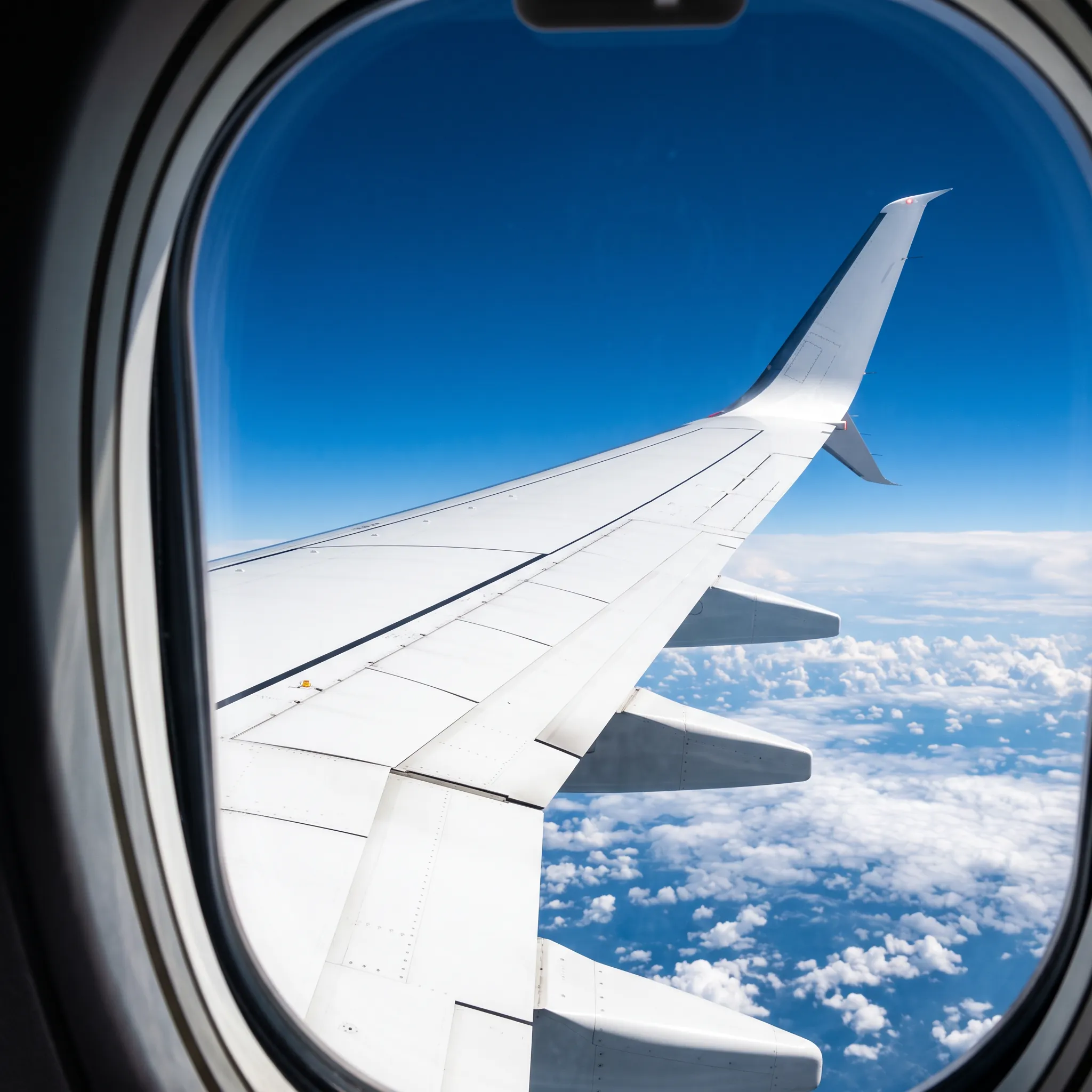
What Coffin Corner Actually Is
Every aircraft has two speed limits at altitude. The first is the low-speed limit. Fly too slowly and the wings stop producing enough lift, which is a stall. In practice, crews work to a buffet margin above the true stall, so the usable limit sits a little higher.
The second is the high-speed limit. Fly too fast and air flowing over parts of the wing approaches the speed of sound. Shock waves form and control gets difficult. Pilots express this limit as a Mach number, and the critical Mach number is set by the design of the wing.
Near sea level, these two limits sit far apart, so you have a wide speed range to work with. The Mach limit barely changes with altitude. The stall speed, expressed as a Mach number, rises as the air thins, because the wing must move faster through less dense air to make the same lift. At some altitude the two nearly meet. That is the corner.
Load on the wing matters too. Any bank or turbulence raises the load factor, which raises the stall speed and lowers the critical Mach number. That pushes the two limits closer, which is why the corner narrows in turns.
Why Business Jets Go There Anyway
Airliners typically cruise between FL350 and FL410. Ultra-long-range business jets can climb as high as FL510 (51,000 feet), though many long legs settle around FL430 to FL470. The Gulfstream G700 and Bombardier Global 7500 both certify to 51,000 feet.
The payoff is real:
- Less traffic: Few airliners reach those levels, so routing is cleaner and direct clearances come easier.
- Above the weather: Most convective weather tops out below FL450, though the tallest tropical storms can exceed it. For more on that side of things, see how weather conditions shape your private jet trip.
- Better efficiency: Thinner air cuts drag, so the jet burns less fuel per nautical mile at the right weight, which helps range on a 12-hour leg. Engines have their own efficiency trade-offs at extreme altitude.
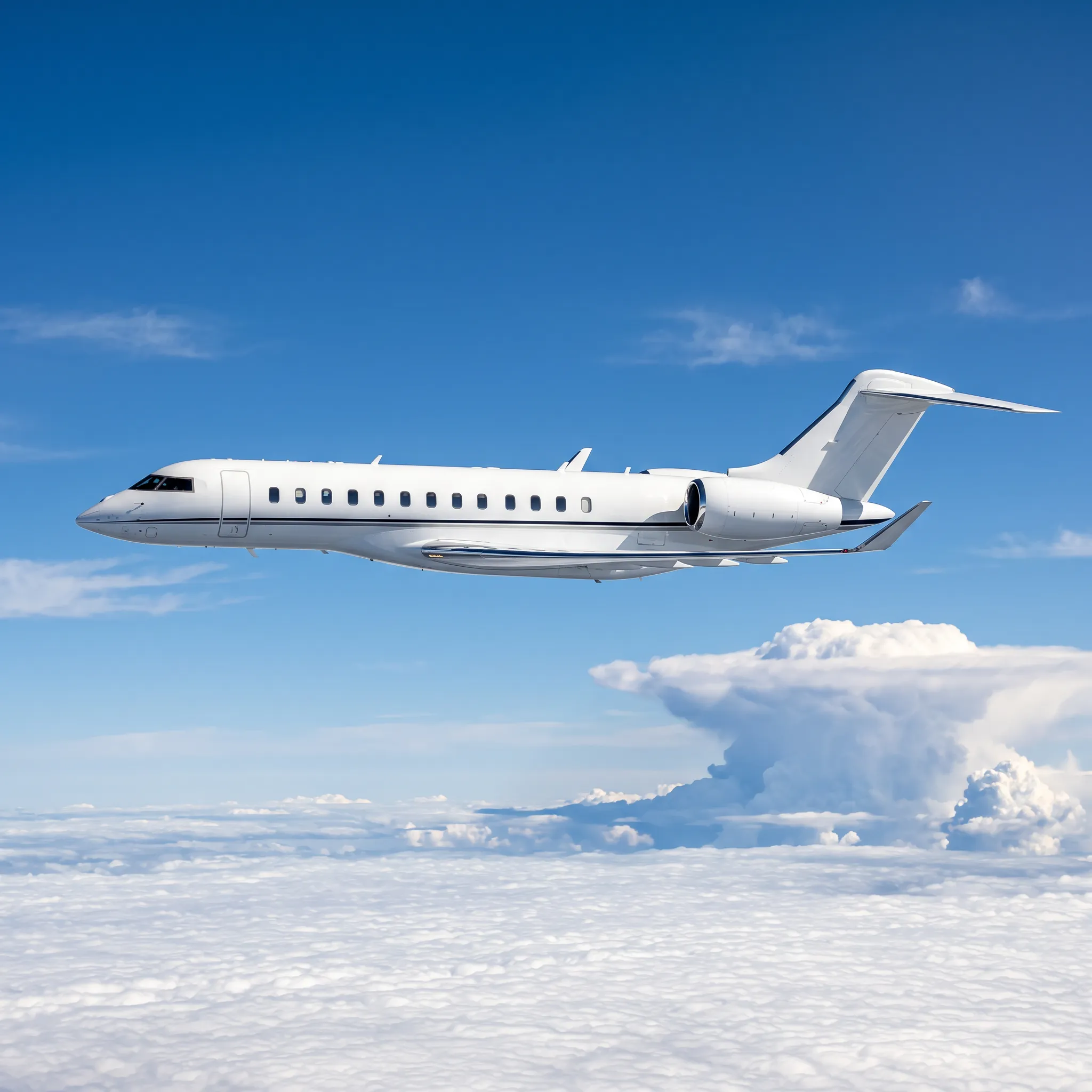
How Wide Is the Margin?
It depends on weight, temperature and load factor. A heavy jet just after takeoff cannot climb that high, because thrust and buffet margin hold it lower. It needs to burn fuel first, so crews often step-climb as the aircraft gets lighter. A long flight might start near FL410 and finish at FL470 or higher.
| Altitude | Typical user | Speed margin |
|---|---|---|
| FL350 to FL410 | Airliners, midsize jets | Wide |
| FL430 to FL470 | Large-cabin jets | Narrowing |
| FL480 to FL510 | Ultra-long-range jets, light weights | Tight |
The table is a general guide, not a rule, since actual margins vary with each aircraft. The tightest margins tend to appear when the aircraft is light, and fuel burn is what gets it there.
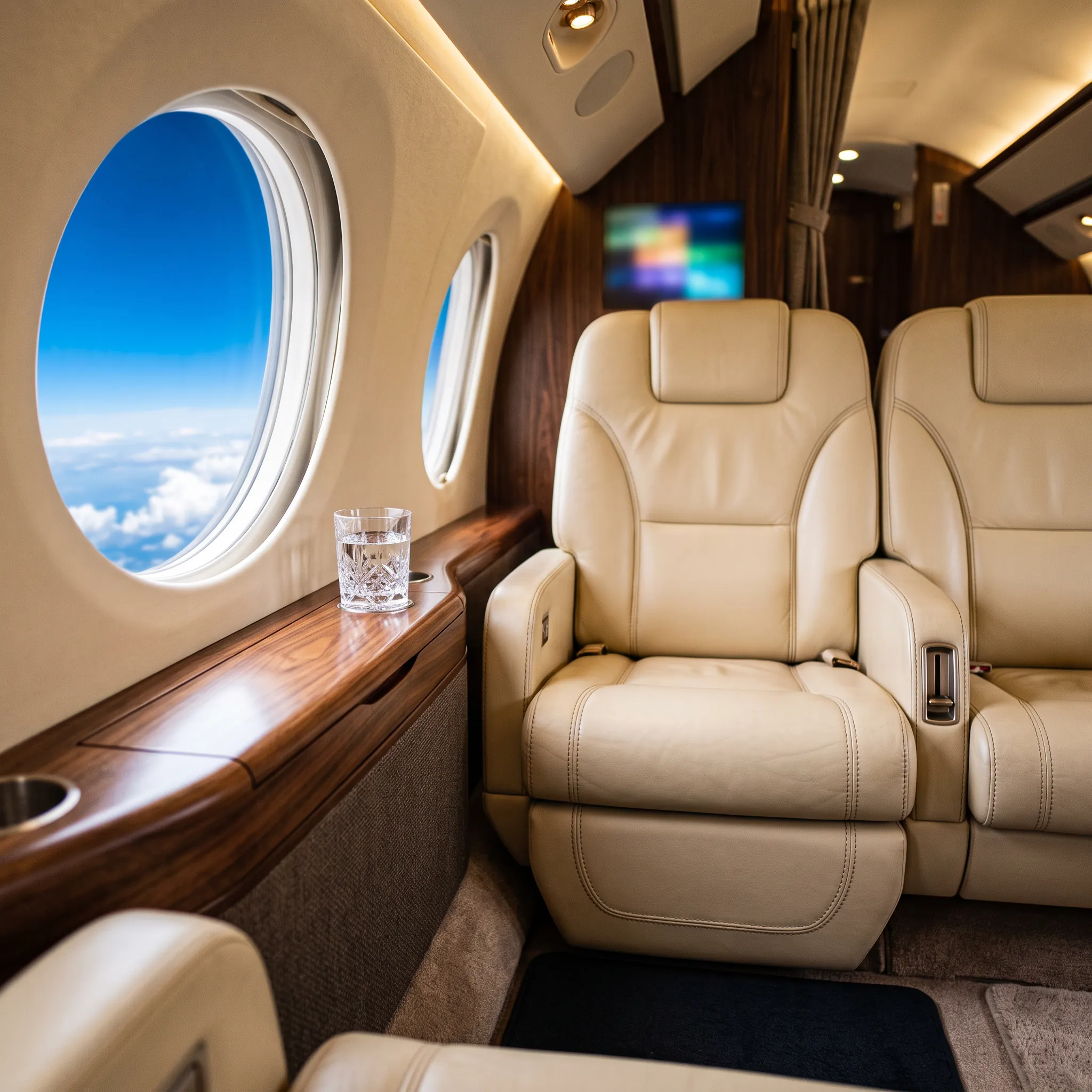
What Keeps You Safe
Modern flagships do not rely on pilot reflexes alone. Flight envelope protection on modern fly-by-wire types such as the G700 and Global 7500 monitors speed, angle of attack and Mach number. If the jet drifts toward either edge, the system warns the crew and can limit inputs that would push it further.
Crews also plan the altitude. Performance software calculates the maximum recommended altitude, which includes a buffer for turbulence and gusts, and many operators set an even stricter buffer of their own. At high altitude, crews fly a narrow speed band around the target Mach, and the autothrottle holds it closely.
Turbulence deserves a mention. Clear-air bumps at FL470 can briefly change airspeed, which is why crews build in a cushion. If you are curious how this compares with the broader picture, our look at private jet versus airline safety covers it well.
What It Means for You
If you charter or own, you do not need to manage any of this, but it is a useful question for a crew or broker. Ask what altitude your route plans for and how it changes with passenger and fuel load. A heavy ultra-long-range trip with a full cabin may not reach FL510 until hours in.
Wing design and engine thrust matter as much as cabin size here, since climbing to the high flight levels takes real power and a wing built for thin air. If you are comparing options, the different private jet types vary a lot in this respect.
Before you book a long leg, ask your broker one thing: what is the planned cruise altitude at departure weight, and when does the jet step up?