
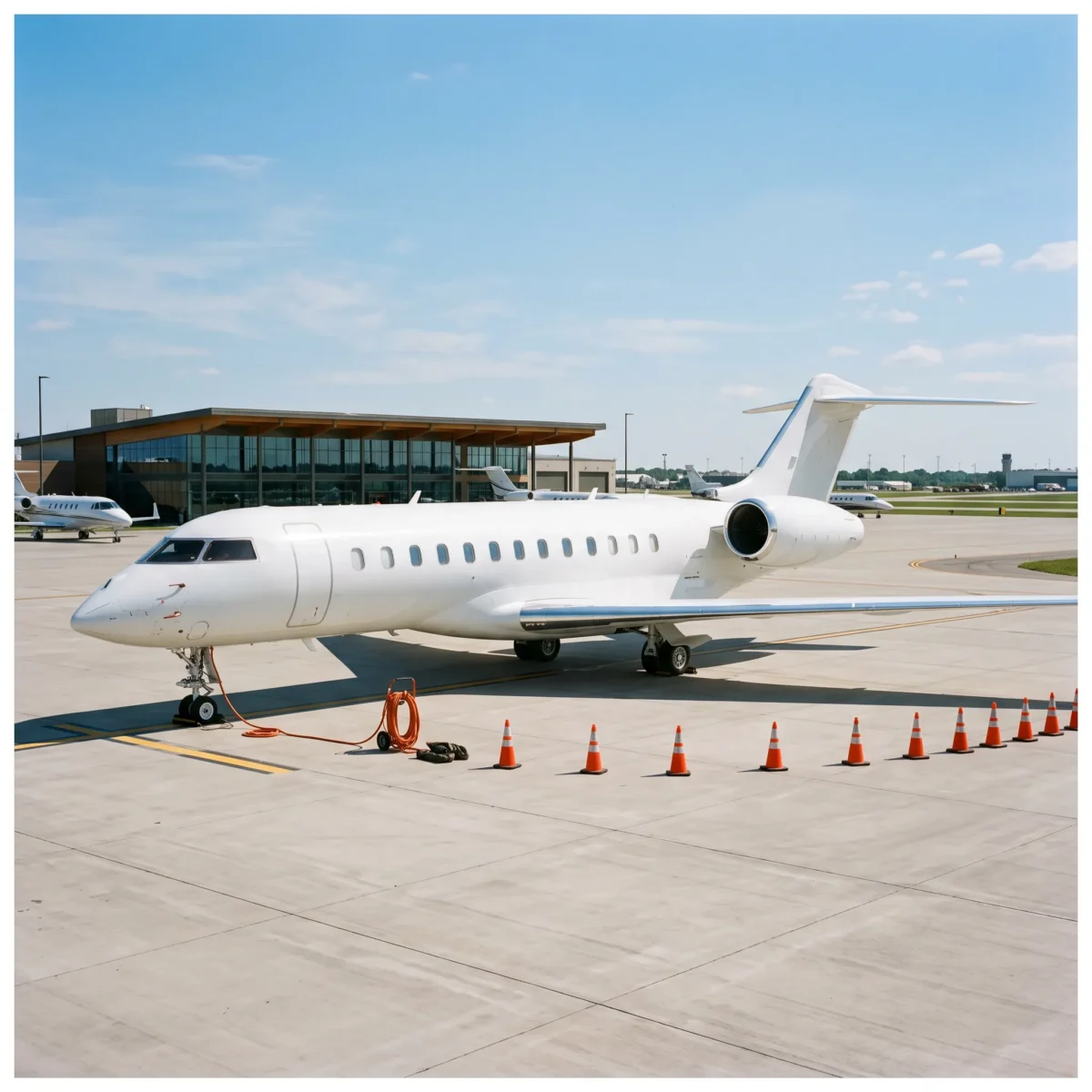
Open an FBO invoice after a quick overnight stop and you may find a handling fee, a facility fee, a ramp fee and a security surcharge, each calculated differently. Signature Aviation has announced a pricing model called Signature Access, which it says will replace part of that stack with a single charge.
According to Signature, Signature Access combines handling and facility fees into one rate. The company says it is also reworking how it prices surge events, the weeks when a major sporting event or festival fills a regional airport with jets, with the aim of making those rates more transparent. Signature describes the rollout as having begun, but it has not said which locations are live. Treat any given terminal as unconfirmed until you hear from it directly.

Why FBO Fees Became Such a Headache
Fixed-base operator pricing has never been standardized. Each location sets its own fee schedule, and the line items often carry names that don’t explain themselves. A light jet owner and a Global 7500 crew can land at the same field and be billed under completely different logic.
Charter operators feel this most. They quote a client a price and often learn the real ground cost only when the invoice arrives. Owners and flight departments have it little better, because a trip to five airports means reading five different rate cards.
How Signature Access Works
Under Signature Access, the separate handling and facility charges become one figure. Signature says the rate is set by the following factors.
- Aircraft size: larger aircraft use more ramp space and ground support, so they pay more.
- Ramp dwell time: a quick turn is priced below a multi-day stay.
- Terminal location: a flagship facility in a major market is priced differently from a smaller site.
Signature has not yet published the effective date, the number of participating locations, the size bands, the dwell-time tiers or any example rates. Those are the details that matter for budgeting, so confirm with the specific terminal whether Signature Access applies on your dates. The table below separates what the company has described from what you should verify.
| Item | Described by Signature | Confirm before you fly |
|---|---|---|
| Handling and facility charges | Combined into one rate | Whether any ramp or security fees remain separate |
| Surge event pricing | Being reformed with more transparency | How far ahead event rates are published |
| Size and dwell bands | Size and dwell time drive the rate | Where the category and time cutoffs fall |
| Rollout | Announced by Signature, which says it has begun | Effective date and whether your airport is included |
An Illustrative Example
The figures below are hypothetical and are not Signature rates. Suppose a light jet and a Global 7500 each make a four-hour turn at the same terminal. Under itemized pricing, each would see its own handling fee, facility fee and surcharges, and the two bills would not scale in any obvious way. Under an all-in model, each crew would see one number. The large-cabin crew would pay more, but could predict how much before landing. The real question is whether a four-hour turn falls inside a short-stay tier or just past a cutoff. The dwell bands matter more than any headline rate.
The Event Fee Reform Matters More Than It Sounds
Surge pricing is where FBO relationships get tested. When a Super Bowl or a major race fills a city, ramp space becomes scarce and fees climb. Operators who booked months ahead sometimes learn the event rate only days before departure.
Clearer event pricing lets clients decide early whether to land at the event airport or a nearby alternate, and lets flight departments build the cost into the trip quote. If you read how Sentient Jet turned the Kentucky Derby into a private aviation event, you saw how much demand can concentrate into a single weekend. Any operator who has been hit with a surprise Super Bowl rate will welcome seeing it in advance. That is the part of this announcement I would watch most closely.
What It Means for Owners and Charter Operators
For private jet owners, the main benefit is a simpler budget: one figure per stop instead of a spreadsheet of surcharges. For charter operators, it should mean fewer calls explaining an invoice that differs from the quote.
- Short turns are the most likely to see a change, since a bundled rate may price dwell time differently than itemized fees did.
- Large-cabin aircraft should confirm exactly where the size bands fall, because a single category boundary can move the total noticeably.
- Fuel and ancillary services such as catering, lavatory service and hangar space are typically billed separately from ramp and handling fees, so confirm what the bundle excludes.
A consolidated rate also changes how you compare FBOs. A competitor’s lower handling fee tells you little once Signature quotes a combined figure, so request the all-in cost from each. For a closer look at what those fees cover, our piece on what happens behind the scenes at the FBO is a useful companion.
Where the Industry Goes From Here
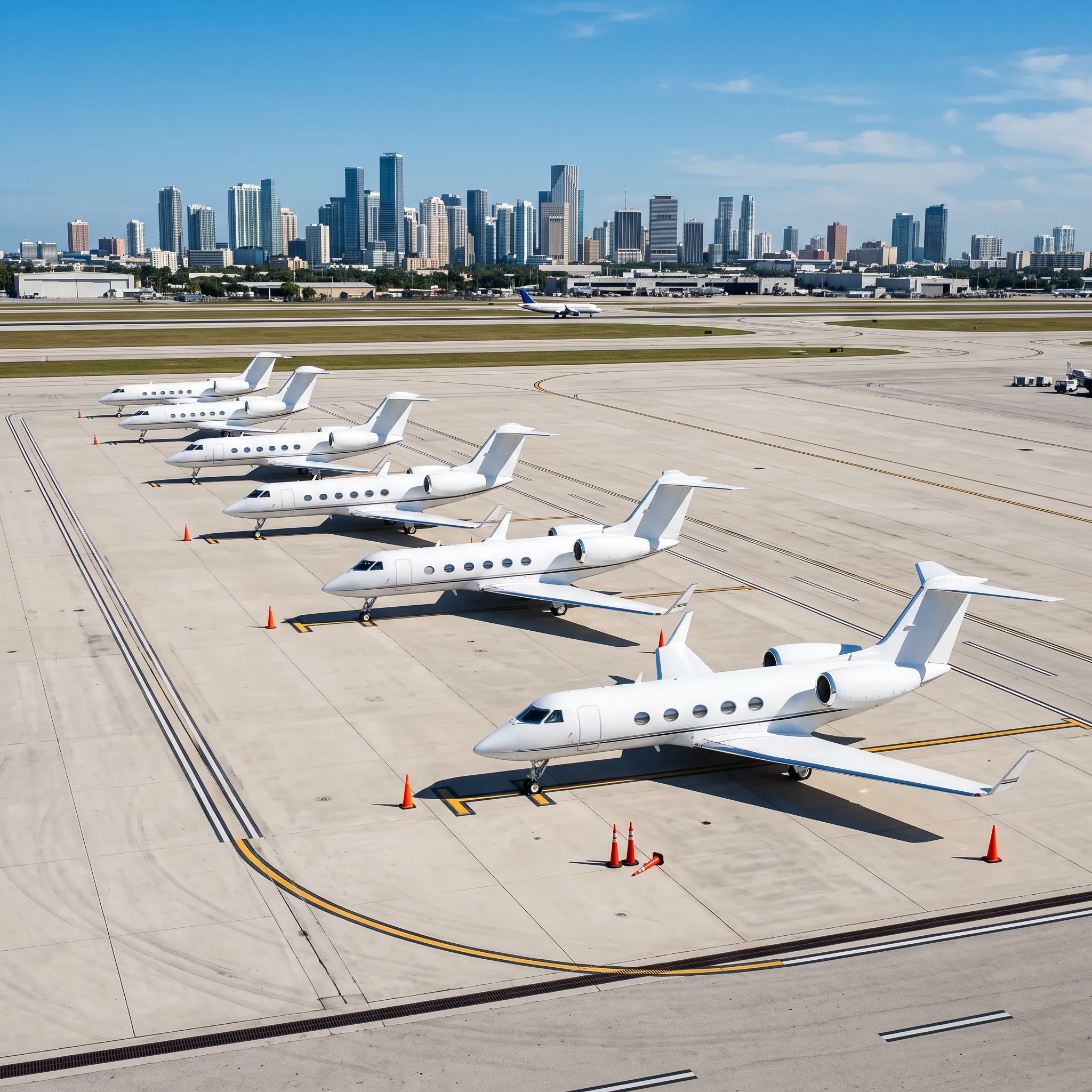
Signature operates one of the largest FBO networks in the world, with locations across the US and Europe, so its choices tend to set expectations. If simplified pricing proves popular with operators, other networks may feel pressure to publish clearer rates too. I expect that pressure, though not overnight.
Pricing is only part of the experience. Consistent service depends on what is promised in the background, a point we covered in how ground handling and interline SLAs shape private aviation service.

Before your next trip, ask your flight department or charter provider to price one stop both ways, itemized and under Signature Access. The most useful thing to watch is when Signature publishes its dwell-time tiers and size bands, since those will show who benefits from the new structure.