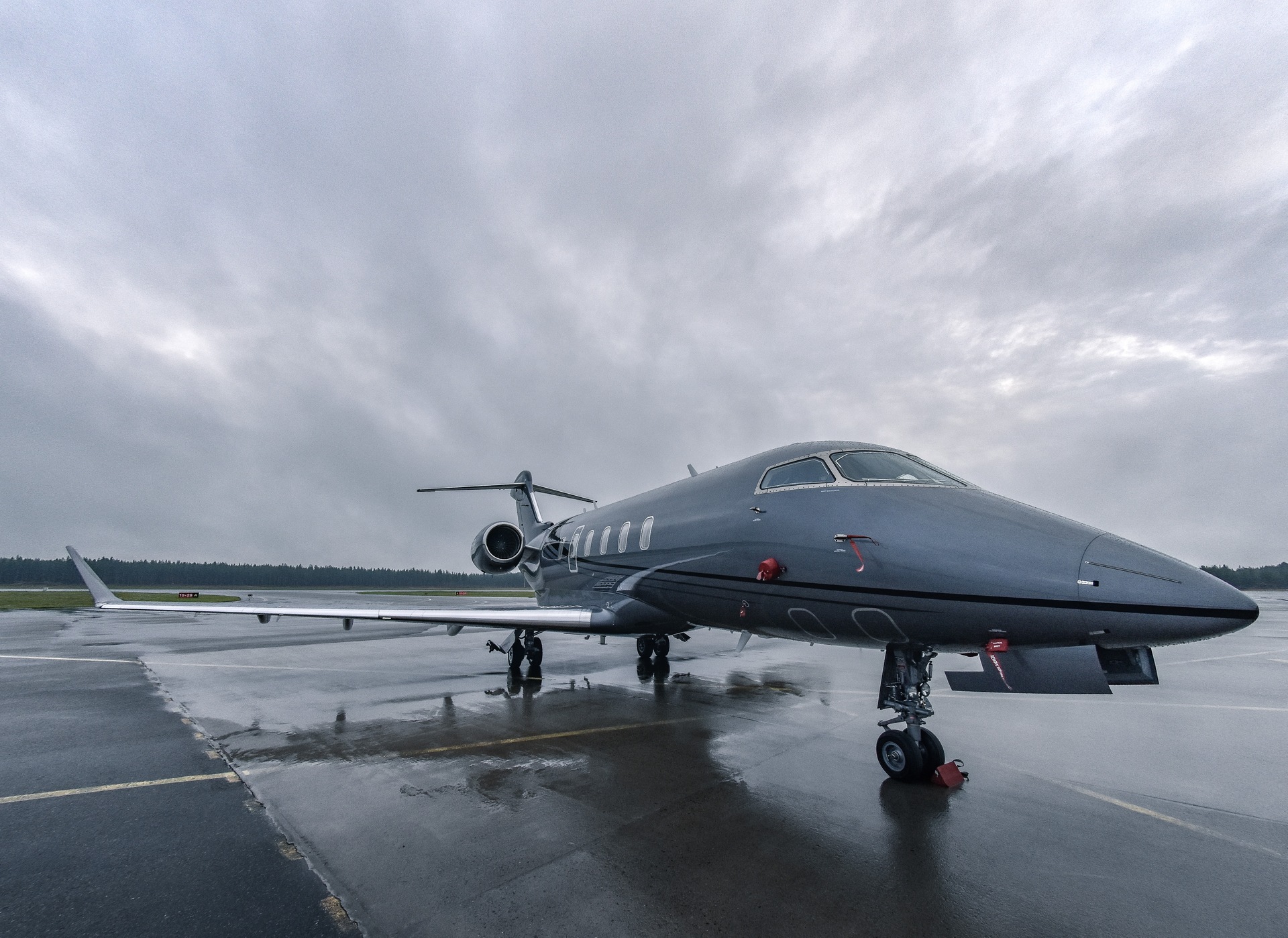
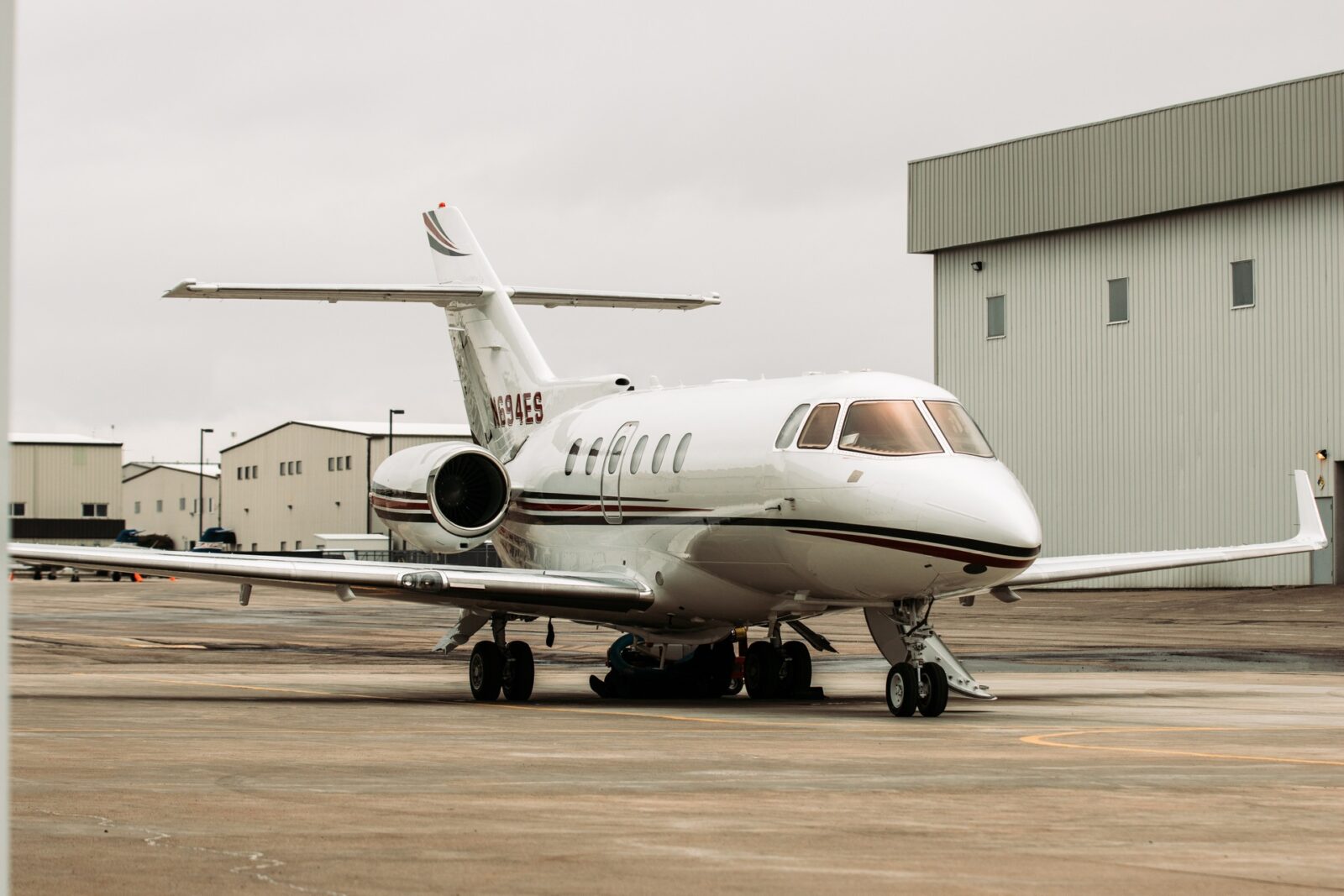
Private aviation lets you charter an aircraft or helicopter and fly your own route on your own schedule. Owning or chartering a jet is not only about prestige. For people whose time is their most valuable asset, it is a practical way to travel: faster door to door, more comfortable and far more private than an airline.
Private aircraft range from small personal jets to business-configured airliners. With so many models on the market, choosing the right one can seem daunting at first. This guide breaks the market down into clear categories.
What Are the Different Categories of Private Jets?
The right jet depends on your mission: how many people are flying, how far you are going, how much luggage you carry and what you are willing to spend. Different aircraft suit different trips. Some large jets have showers; smaller ones have only a compact cabin. A few of the smallest models have no enclosed lavatory at all.
A good charter broker will match you to the right aircraft, but it pays to understand the categories yourself, especially if you are thinking of buying a jet. From small single-engine jets to large aircraft that cruise at close to the speed of sound, here is how the market is organized.
1. Very Light Jets
Very light jets are a relatively new segment of private aviation, offered as an alternative to turboprops and piston aircraft. They are best suited to short trips of up to about two to three hours.
They need only a short runway and are inexpensive to operate. Owners fly them for personal travel, and operators use them as air taxis between regional airports. The cabin typically seats four to six passengers, with room for a weekend’s worth of light luggage.
A very light jet is a sensible first step into private flying. These aircraft suit small groups on short routes who want to keep costs down and use smaller airports that larger jets cannot reach.
Typical very light jets include:
- the Embraer Phenom 100
- Cirrus Vision Jet
- Cessna Citation Mustang
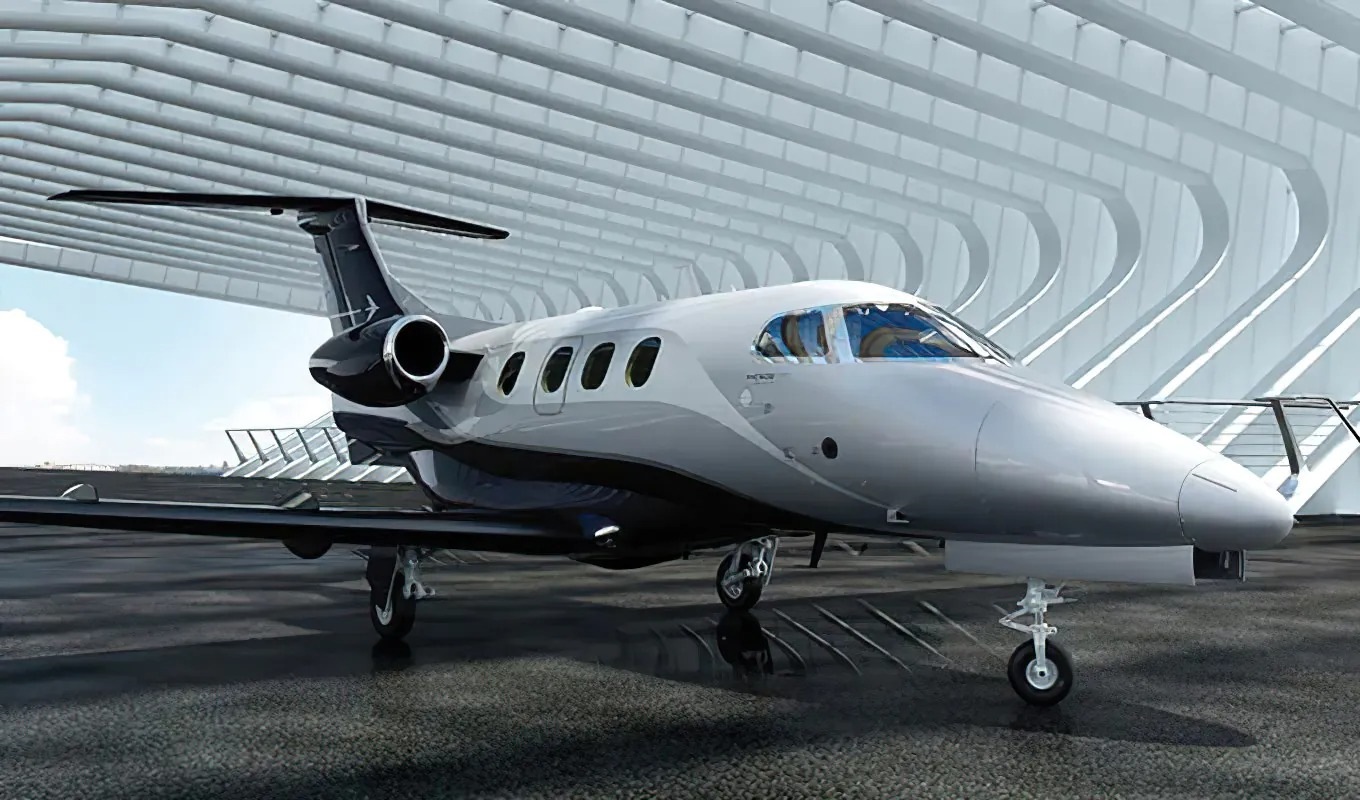
Photo credit: monarchairgroup.com
2. Light and Super Light Jets
Light jets are the most common private jets in the world, and the workhorses of the charter market. Super light jets sit at the top of this class. They keep most of the cost advantages of a light jet while adding a little more performance and comfort.
Compared with very light jets and turboprops, they offer more cabin and baggage space. Most can fly three to four hours without refueling, which covers a large share of typical charter trips.
A super light jet can take a family on vacation or a small team to a meeting, with seating for up to eight or nine passengers in the larger models. You cannot stand up straight in the cabin, but most models have an enclosed lavatory and work tables.
Popular light and super light jets include:
- Cessna Citation CJ4
- Embraer Phenom 300
- the Cessna Citation XLS
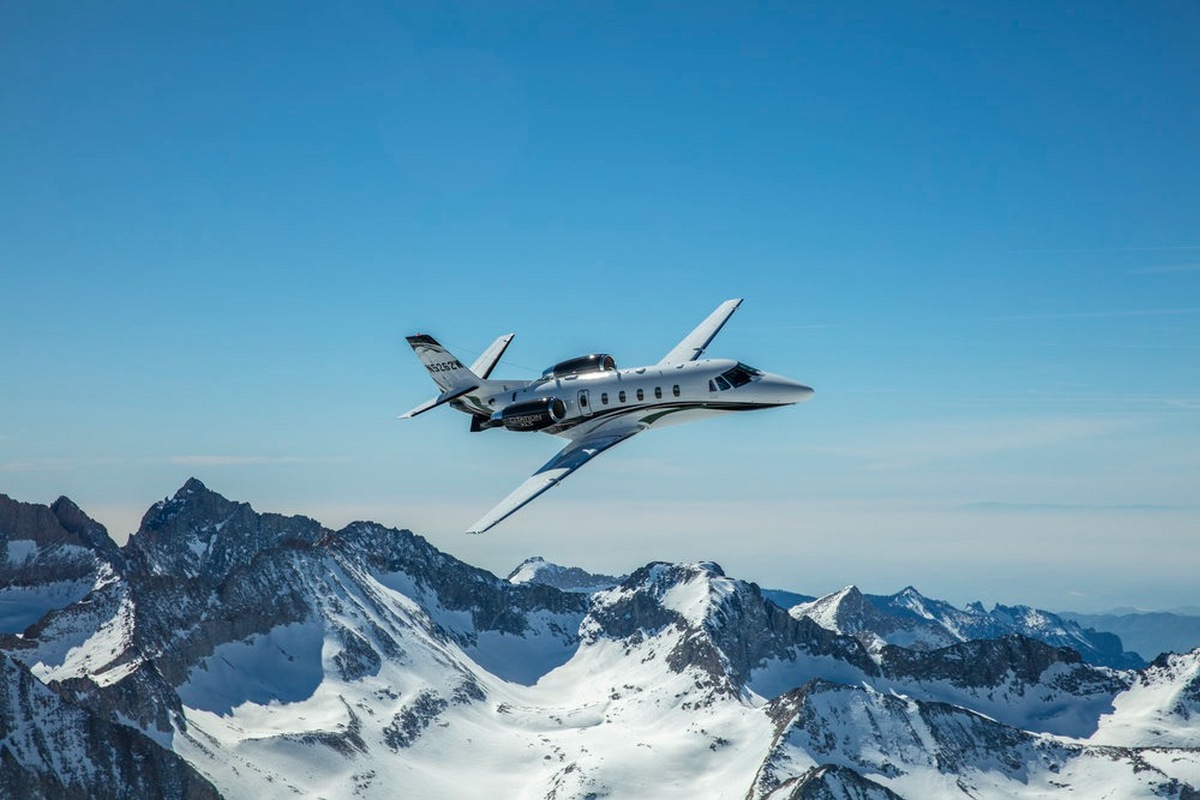
Photo credit: cessna.txtav.com
3. Midsize Jets
If a light jet cannot fly far enough or seat everyone in your party, or if you simply want more space at a sensible price, a midsize jet is the next step up.
Midsize jets cost far less to operate than large-cabin jets. They typically seat seven to nine passengers. The main differences from a light jet are a roomier cabin you can move around in, a proper enclosed lavatory and a larger baggage compartment.
Most midsize jets fly comfortably for four to five hours, with a maximum range of roughly 2,000 to 3,000 miles depending on the model.
Leading midsize jets include:
- Gulfstream G150
- Cessna Citation Latitude
- Cessna Citation Sovereign+
- the Learjet 60
- Embraer Praetor 500
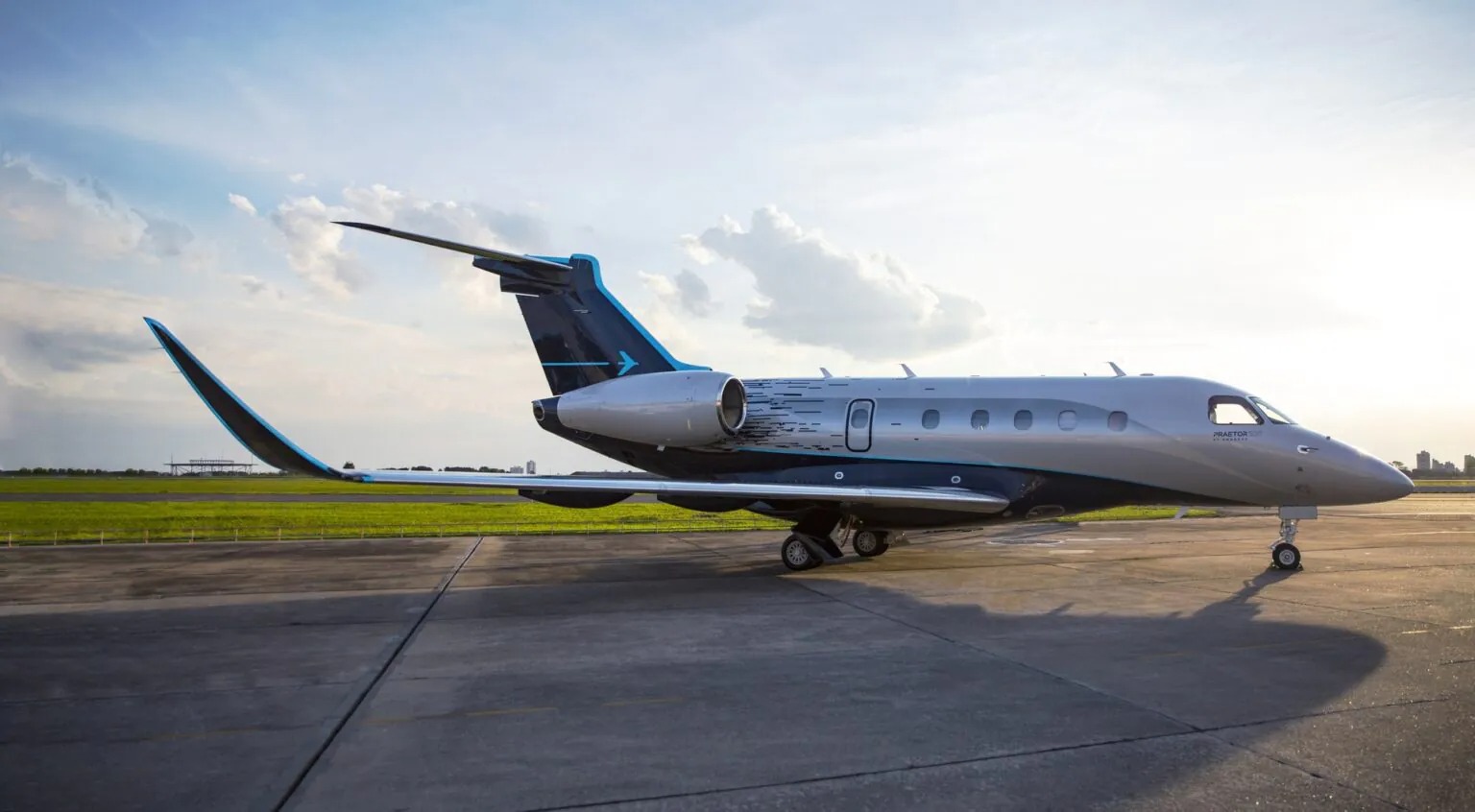
Photo credit: monarchairgroup.com
4. Super Midsize Jets
Super midsize jets share many features with large-cabin jets but cost considerably less to fly. They offer more range and cabin space than a standard midsize jet, and the best of them can fly for around seven hours nonstop. They are a common choice for groups of eight to ten passengers on longer trips, including US coast-to-coast flights.
For many travelers this is the sweet spot of the market: good speed and range, a cabin you can walk through, and a high level of comfort. Typical upgrades over a midsize jet include onboard Wi-Fi, a wider cabin and quieter, more advanced aircraft systems.
Passengers who want fully reclining seats, good connectivity and a well-equipped galley, without paying for a heavy jet, often choose this class. Most models have a flat floor and a galley that can serve proper hot meals.
Popular super midsize jets include:
- Gulfstream G200
- Embraer Praetor 600
- the Bombardier Challenger 350
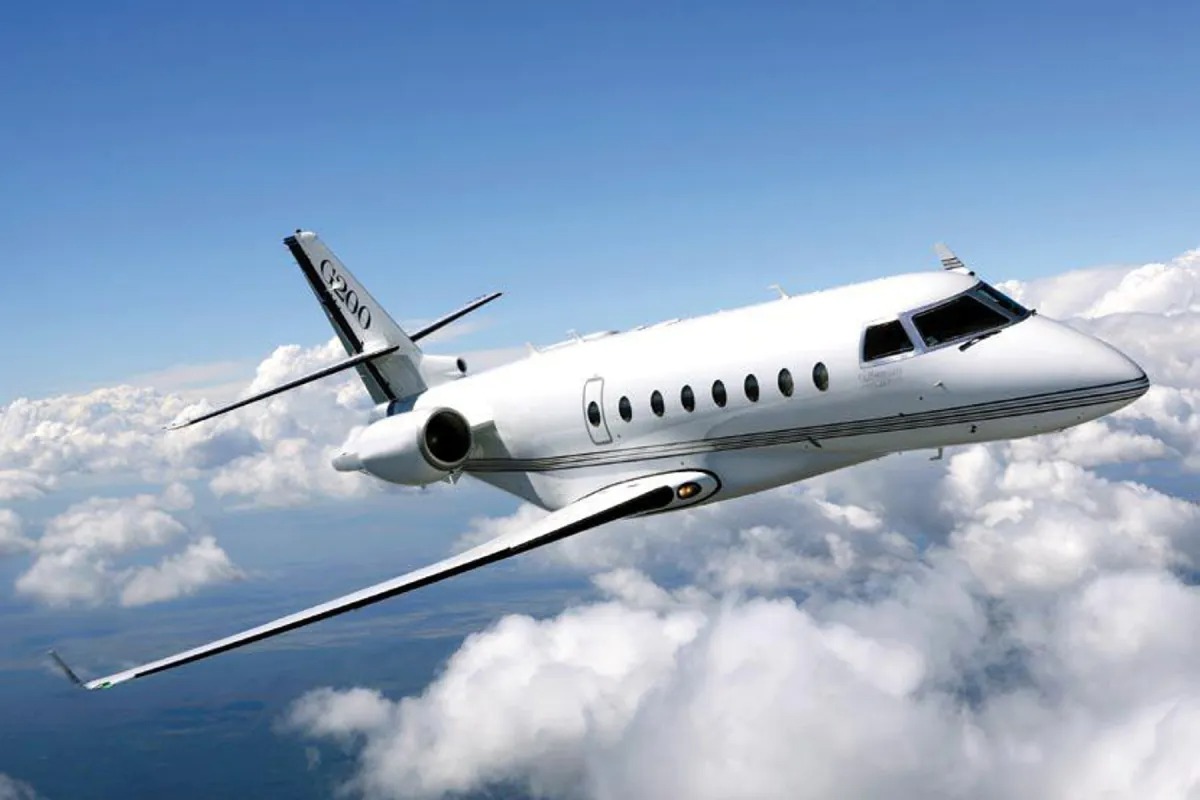
Photo credit: monarchairgroup.com
5. Heavy Jets
Heavy jets, also called large-cabin jets, offer a big step up in space and comfort. They typically seat 10 to 16 passengers, can fly well over six hours nonstop and are a natural choice for transcontinental and transatlantic trips. Depending on the model, they can climb to between 41,000 and 51,000 feet, well above most airline traffic.
The main advantages are a spacious cabin, a large baggage hold and a high level of comfort. Cabins are usually divided into zones, with club seating, divans that convert into beds, a dining area, a full galley and a full-size lavatory. Many heavy jets have a stand-up cabin, so you can move around freely in flight.
A flight attendant is normally part of the crew. Heavy jets also cruise faster than light and midsize jets, which saves real time on long routes.
Well-known heavy jets include:
- Gulfstream G350
- Bombardier Challenger 605
- Dassault Falcon 900
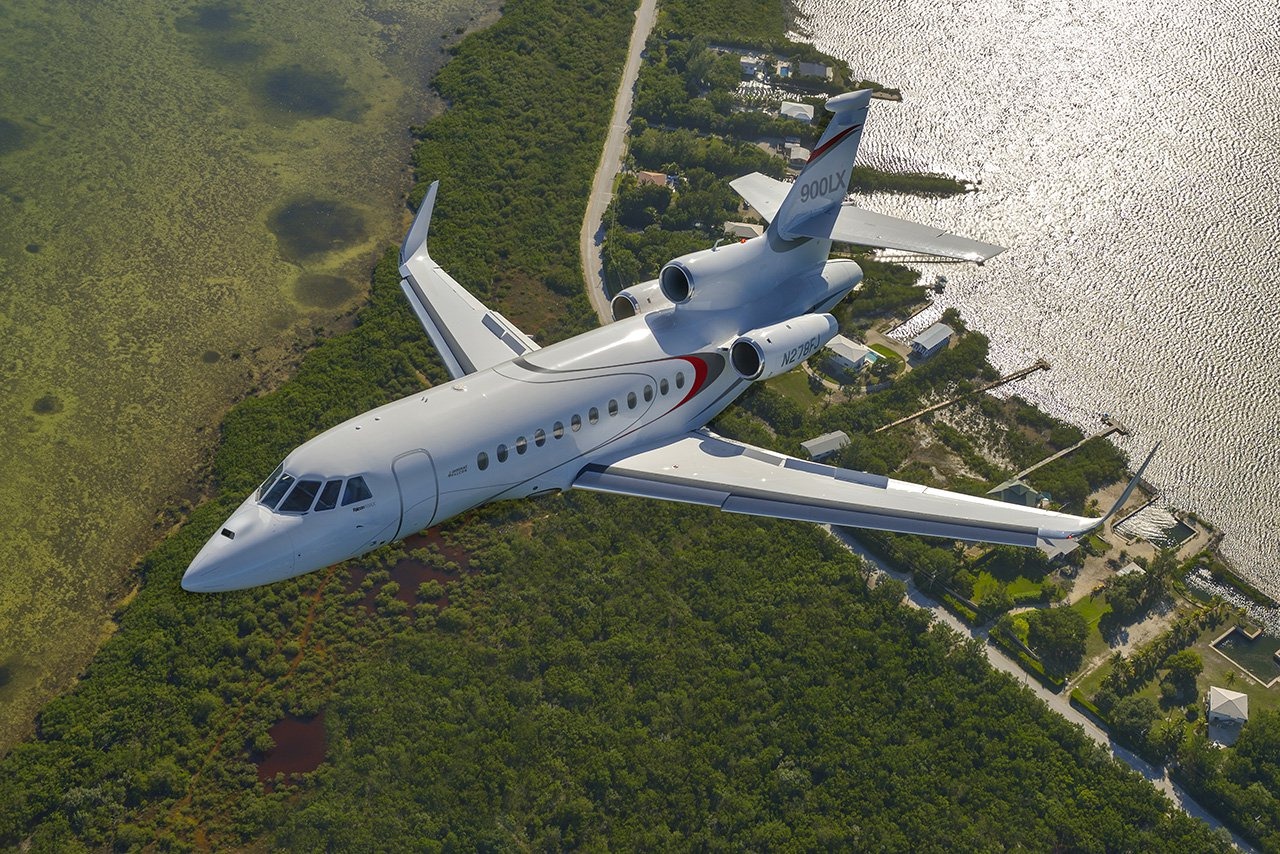
Photo credit: dassaultfalcon.com
6. Ultra-Long Range Heavy Jets
Ultra-long range heavy jets are the flagship aircraft of the business aviation market. The largest seat up to 19 passengers, and the longest-range models can fly nonstop for 12 to 15 hours. Ranges in this class run from about 5,200 nautical miles to more than 7,500 nautical miles (roughly 9,600 to 14,000 km), enough to link cities such as New York and Hong Kong or London and Singapore.
Cabins are divided into separate areas for work, dining and rest, with first-class amenities throughout. You can stand at full height, and many aircraft have a private stateroom with a proper bed. These jets are the choice of large corporations, heads of state and entertainers who travel intercontinental distances.
Common ultra-long range jets include:
- Bombardier Global 5000
- Global Express
- Global XRS
- Global 6000
- Global 7500
- Dassault Falcon 7X, 8X
- Gulfstream GV, G500, G550, G650
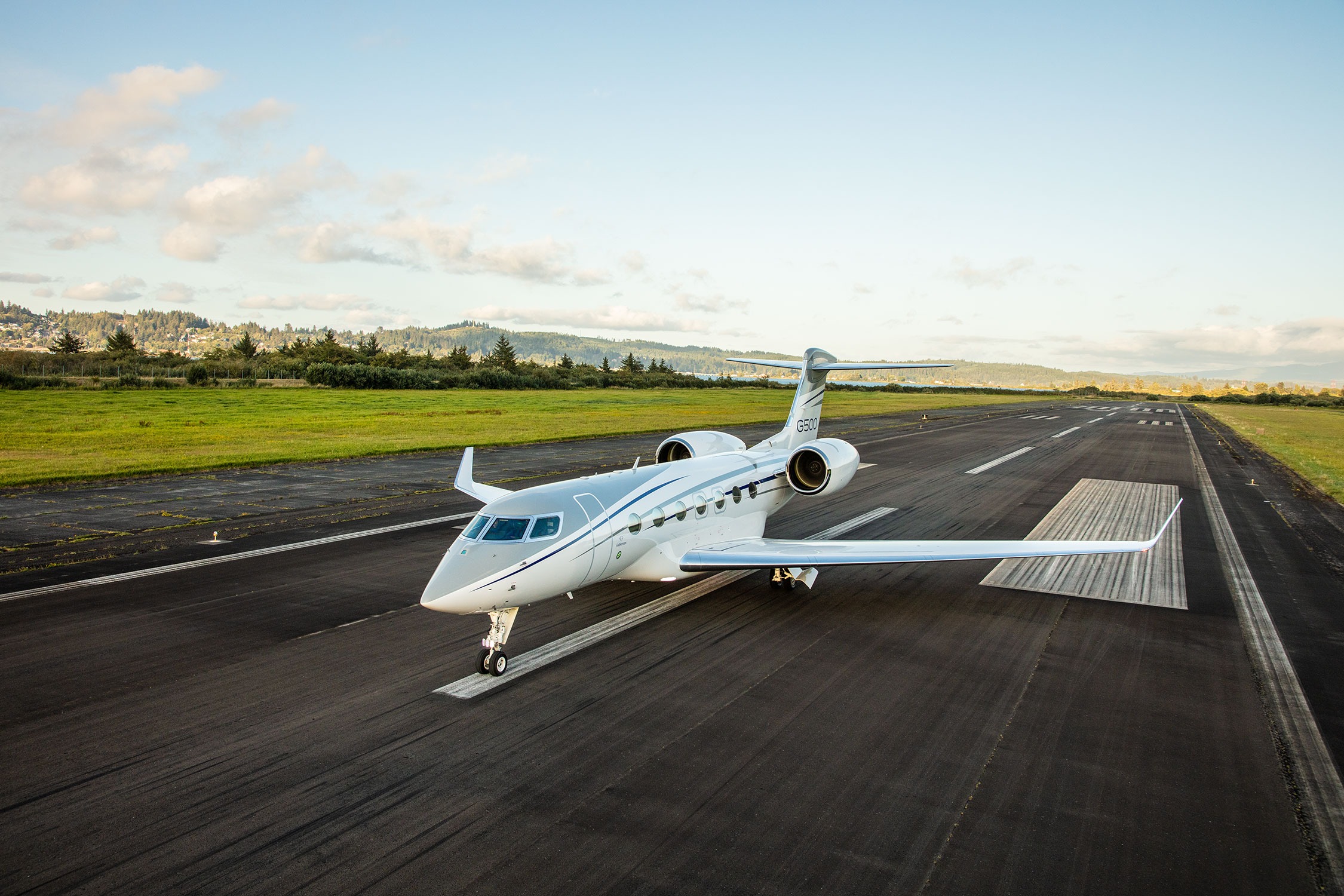
Photo credit: gulfstream.com
7. Executive Airliners
Executive airliners, also called VIP or bizliners, are commercial airliners fitted with private interiors. They are flown by heads of state, large corporations, sports teams and the very wealthy. Most are built for long intercontinental routes, and the larger models can cross oceans nonstop.
The size of the cabin changes what is possible on board. A conference room lets you hold meetings during the flight. A full galley can prepare restaurant-quality meals. Separate bedrooms, bathrooms and lounges let passengers rest properly, and the space is large enough to entertain guests in the air. Every area can be closed off, which gives passengers complete privacy for both work and rest.
The best-known executive airliners include:
- Boeing Business Jet BBJ
- Airbus Corporate Jet ACJ
- Airbus ACJ380
- Airbus ACJ319
- Boeing B747-8
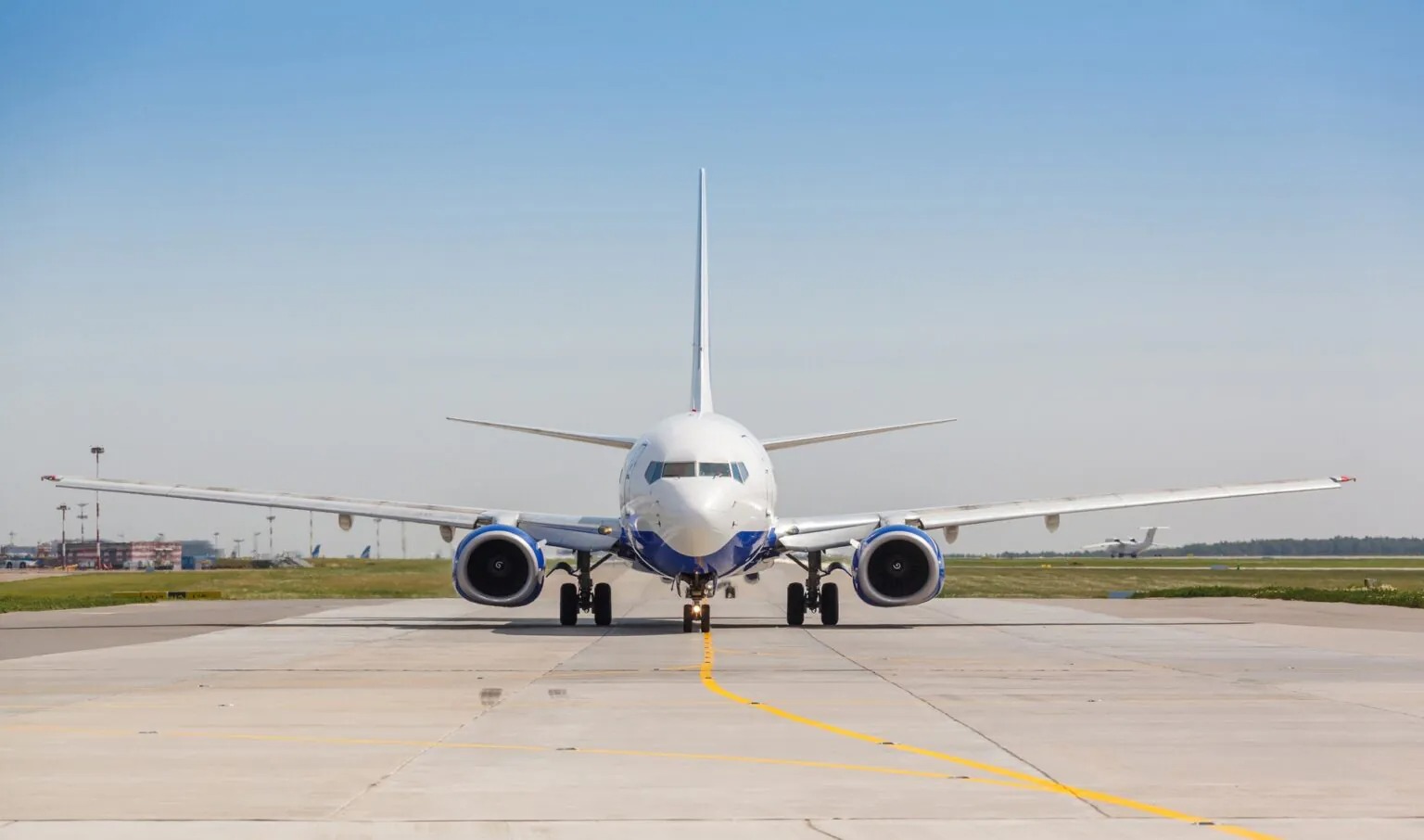
Photo credit: monarchairgroup.com
Which Private Jet is Right for You?
Everyone has their own reasons for flying private. For some, comfort comes first. Others care most about saving time and flying on their own schedule.
Because priorities differ, different jets suit different trips. Beyond your own preferences, the departure and arrival airports, the distance and the amount of luggage all play a key role in choosing an aircraft.
These questions will help you decide which jet to choose for your trip:
How many passengers will be on board?
Passenger count is one of the first things to settle. Very light jets suit small groups of up to four or five people. Midsize jets usually carry seven to nine passengers. Larger groups should look at super midsize or heavy jets.
What is the travel distance?
Range often decides the choice, since a difference of a few hundred miles can rule out a smaller aircraft or force a fuel stop. Very light jets and turboprops are ideal for short trips. Heavy and ultra-long range jets are built for long-haul flights.
Is there luggage, and if so, how bulky is it?
Business travelers usually need little baggage space. A family vacation is different, especially with golf bags, skis or strollers. Check the baggage capacity of the aircraft, and the size of the items, before you book.
Do you have any preferences for the aircraft?
Private jets differ widely in the equipment and amenities they carry. Very light and light jets give you the essentials of private travel in a small package. If you want the most luxurious experience, look at super midsize, heavy and ultra-long range jets or executive airliners, which offer lounge areas, beds, a full galley and a full-size lavatory.
Private aviation has grown steadily in recent years. More people charter or buy jets for the privacy, the time savings and the comfort compared with commercial flights. Every aircraft involves trade-offs, so the best jet is the one that fits your typical trip.