

For years, Canadian fractional owners flying with AirSprint hit an invisible wall somewhere over the North Atlantic. Great planes, comfortable cabins, solid dispatch reliability. But if you wanted to get from Toronto to London without a fuel stop, you were out of luck. That wall is coming down.
Calgary-based AirSprint, which the company describes as one of North America’s largest fractional and charter operators by flight hours, says it plans to add large-cabin, long-range jets to its fleet. The move comes as the company works through an acquisition by private equity investors, though AirSprint has not publicly confirmed a closing date or detailed how current leadership will be involved going forward. According to a company statement, the first of the new aircraft is expected to arrive in the coming years, though AirSprint has not committed to a firm delivery date.
This isn’t a minor fleet tweak. It’s AirSprint’s first step into a category it has never operated. Every aircraft in the current fleet, all Cessna light jets and Embraer midsize and supermidsize models, tops out well short of true transoceanic range. None of them can touch Europe nonstop from Canada’s major hubs.
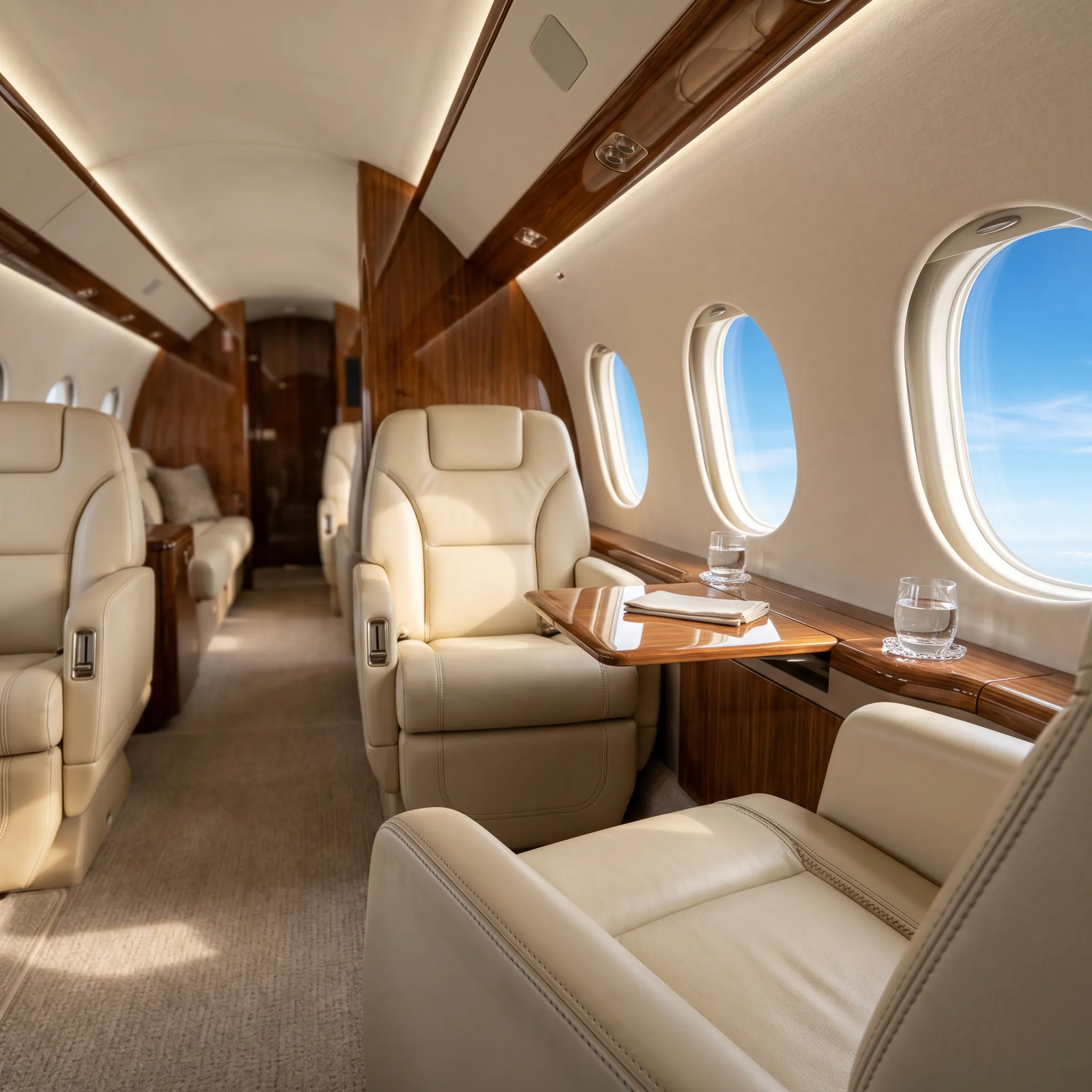
Why This Matters for Canadian Fractional Owners
Canada’s fractional market has changed shape fast. AirSprint says its owner base has grown since 2019, a trend that tracks with the post-pandemic surge in private aviation demand, though the company has not released specific figures. A lot of those newer owners aren’t just flying Calgary to Vancouver for a ski weekend. They’re doing business in London, Zurich, and Dubai, and they’ve been forced to either charter separately for the long legs or fly commercial and lose the whole point of going private in the first place.
Adding large-cabin, long-range aircraft closes that gap. The requirement is specific: nonstop capability between Europe and both Toronto and Montreal. That’s a real operational bar, not a marketing line. It rules out anything without serious range margin, especially when you factor in winter headwinds on the eastbound Atlantic crossing.
The Contenders: Global, Gulfstream, or Falcon
AirSprint is evaluating aircraft from Bombardier, Dassault, and Gulfstream, a sign the sourcing process is genuinely open rather than a formality. Each manufacturer brings something different to the table.
- Bombardier Global 6500 / 7500: Built with Canadian winters in mind, and manufactured in Montreal, which gives Bombardier a home-field advantage and simplified parts logistics for a Calgary-based operator.
- Gulfstream G500 / G600: Known for efficient long-range cruise and a cabin that balances comfort with a lower acquisition cost than the ultra-large-cabin flagships.
- Dassault Falcon 8X / 6X: Praised for short-field performance, useful for accessing smaller European airports that larger jets can’t reach comfortably.

How the Numbers Compare
The range and cabin specs matter here because Toronto to London and back, with reserves, doesn’t leave much slack for the wrong aircraft choice.
| Aircraft | Range | Typical Passengers |
|---|---|---|
| Bombardier Global 6500 | 6,600 nm | 8-10 |
| Gulfstream G600 | 6,600 nm | 8-9 |
| Dassault Falcon 6X | 5,500 nm | 8-9 |
On paper, the Global 6500 and G600 both clear the transatlantic bar with room to spare, even against strong winter jet stream winds. The Falcon 6X has shorter range but makes it up with a notably wider cabin cross-section and access to tighter European airports like London City or Lugano, places the bigger jets simply can’t land.
Competing With NetJets and VistaJet on Home Turf
This expansion also puts AirSprint into direct competition with operators who’ve long dominated the ultra-long-range fractional space, including NetJets, VistaJet, and Flexjet. Those brands have offered global reach for years. AirSprint knows Canadian scheduling quirks cold, bilingual crews, home-base familiarity, and winter contingency planning that U.S. and European operators tend to bolt on as an afterthought rather than build in from the start.
Private equity backing changes the calculus too. Fleet expansions like this one require serious capital, and having institutional investors behind the balance sheet gives AirSprint room to move quickly on aircraft orders rather than waiting years for cash flow to catch up with ambition.
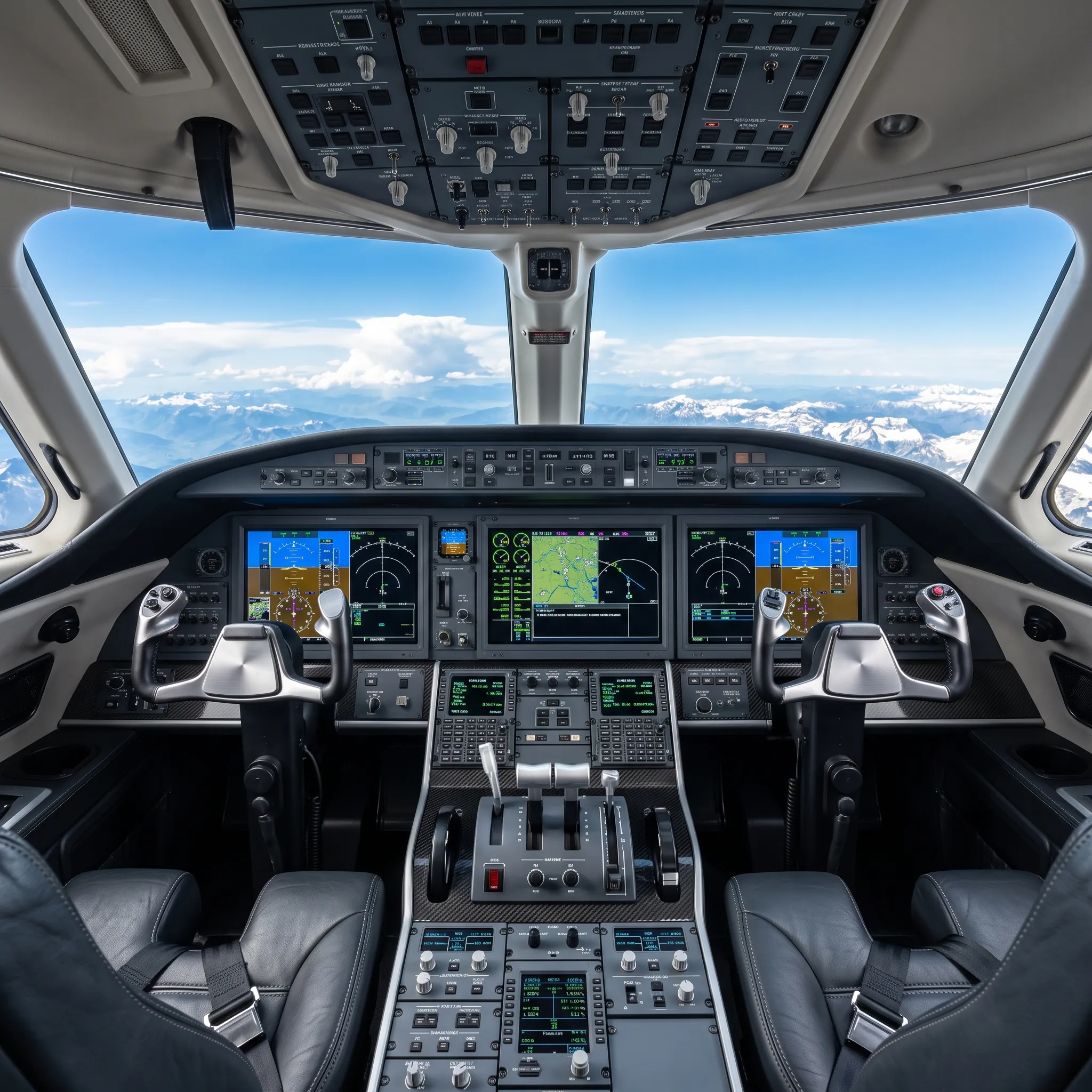
What Current and Prospective Owners Should Watch
If you’re already a fractional owner with AirSprint, the practical question is pricing and share structure for the new large-cabin fleet. Historically, large-cabin shares carry higher minimum buy-ins and different hourly rates than midsize aircraft, so expect a distinct share tier rather than a blanket upgrade across the existing fleet.
For prospective buyers eyeing Canadian operators, this move is worth watching closely over the next year. Once the first aircraft type is chosen, and it will likely be either the Global 6500 or the G600 given the range requirement, it will shape AirSprint’s identity for the next decade.
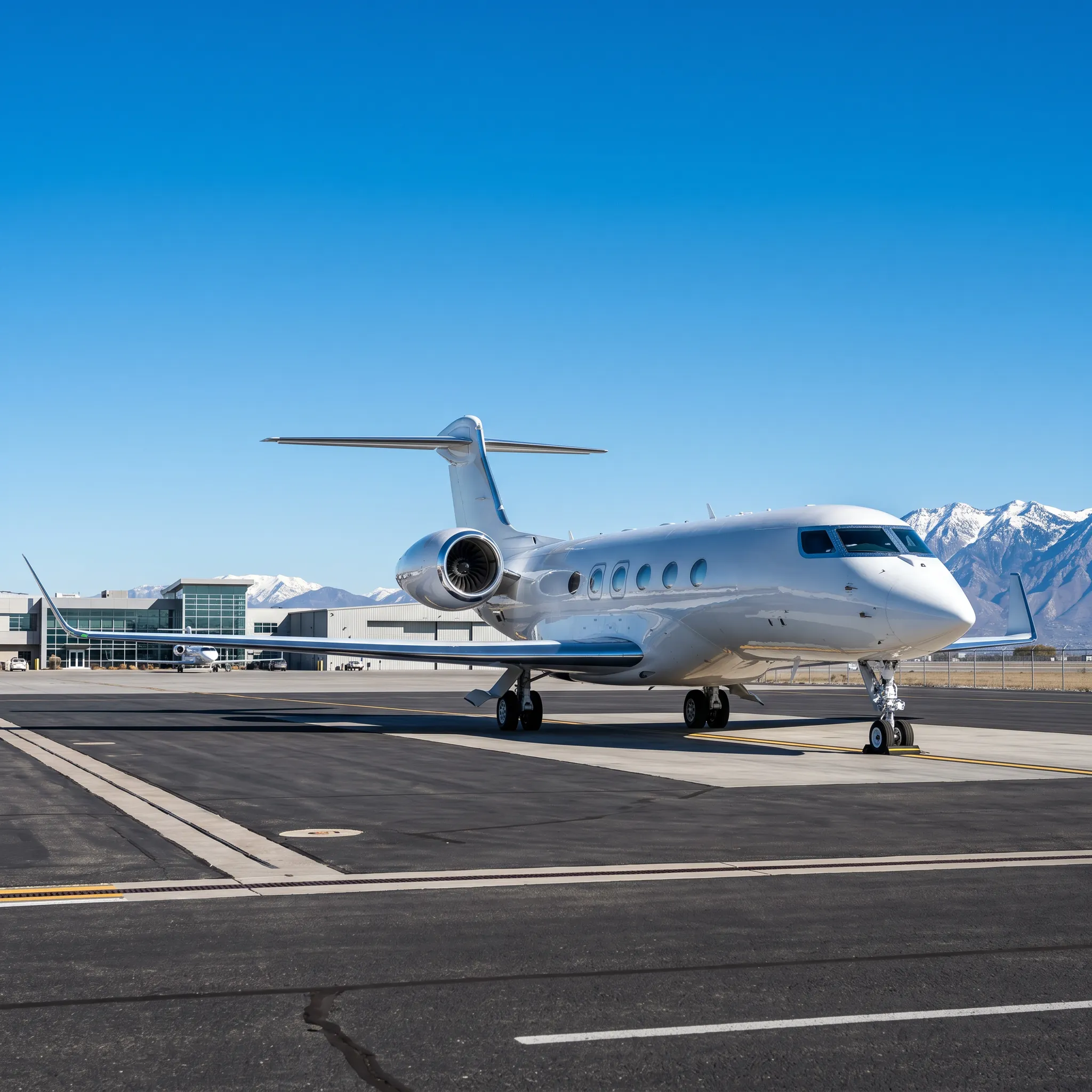
Looking Ahead
The aircraft decision itself will be the real signal to watch. If AirSprint lands on the Global 6500, it’s leaning into the Canadian-built, cold-weather pedigree that’s defined its fleet choices so far. A pick of the G600 would suggest the company is optimizing purely for range and cruise efficiency over home-field loyalty. Either way, expect AirSprint to confirm its choice, and likely announce specific transatlantic routes out of Toronto and Montreal, once the private equity transaction closes and financing for the new jets is finalized.