

A German soccer fan gets stranded before a World Cup match. A private aviation company spots the post on X. Within hours, that fan is boarding a private jet. The whole thing gets shared thousands of times. That’s not luck. That’s a company paying close attention and moving faster than its competitors ever would.
Airshare’s decision to offer a private flight to @FreddyLA7, the now-famous stranded supporter, is already being called one of the sharper marketing moves in business aviation this year. But zoom out a little, and this story is about something bigger than one generous gesture during a soccer tournament.
The Moment That Mattered
@FreddyLA7 posted about his travel nightmare during the 2026 FIFA World Cup, the kind of raw, frustrated content that spreads fast on X. Airshare’s team saw it, recognized the opportunity, and acted. The fan got his flight. Airshare got a story that no ad budget could buy.
What made it land so well wasn’t just the generosity. It was the speed. Private aviation’s core value proposition has always been time. Airshare proved they understood that in a marketing context too. By the time any competitor could have scheduled a meeting to discuss the idea, Airshare had already made the offer.
That agility is harder to pull off than it looks. Most operators of Airshare’s size, a Kansas City-based fractional ownership and jet card provider with a fleet centered around Phenom 300s and King Air turboprops, work within marketing structures that simply aren’t built for real-time decisions. Someone at Airshare was watching the right feeds, had the authority to act, and did.
Why Sports and Private Aviation Are a Natural Fit
The connection between luxury travel and major sporting events isn’t new. Super Bowl weeks fill FBOs across the host city. The Masters empties every hangar near Augusta, Georgia. Daytona, Monaco, the Ryder Cup. Private aviation and premium sports fandom have always overlapped.
What’s shifting right now is the demographic. Soccer, and specifically the World Cup, brings in a global, younger, and arguably more digitally native version of that high-net-worth traveler. These are people who follow sports across borders, who travel internationally for games without thinking twice, and who are actively forming opinions about private aviation for the first time.
Several operators have caught on to this. Here’s how the landscape looks heading into the back half of 2026:
- Fractional programs are targeting sports partnerships more deliberately, sponsoring team travel and playoff hospitality packages
- Jet card providers are creating event-specific pricing and availability guarantees around major tournaments and championships
- Charter brokers are building dedicated sports-event desks to handle the surge in last-minute bookings around venues
- FBOs near host cities are adding temporary ramp capacity and pre-positioning fuel reserves months in advance
- Social media teams at operators are finally getting real-time authorization to respond and engage, not just post scheduled content

What Other Operators Can Learn Here
Airshare’s move works because it fits. They didn’t claim to be something they’re not. A stranded fan needs a practical solution, a reliable flight from one city to another on short notice. That’s exactly what fractional ownership and jet card programs are designed to deliver. The authenticity is what made it shareable.
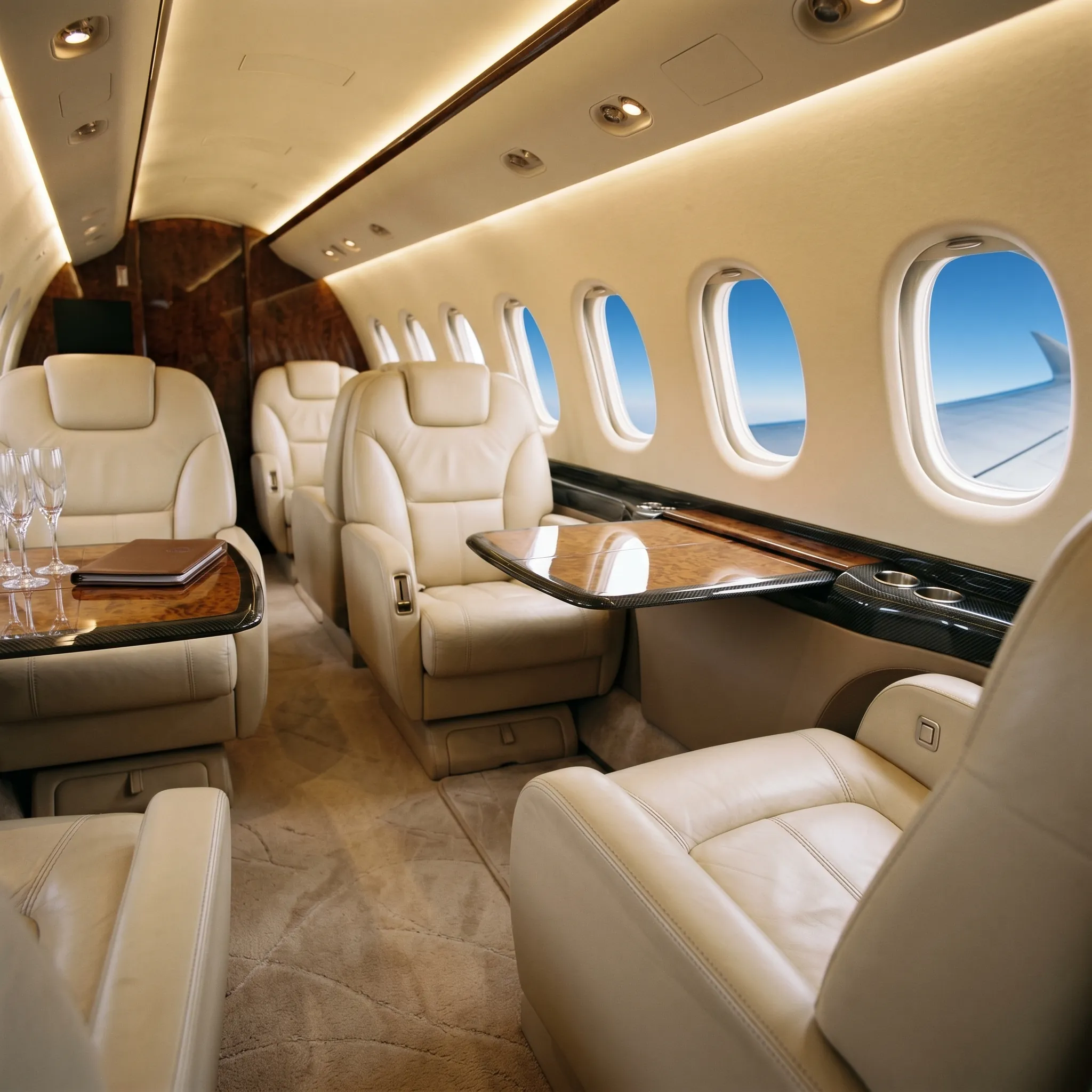
Contrast that with the kind of aspirational marketing that dominates private aviation advertising. Sweeping cabin interiors. Empty beaches. The glossy version of the lifestyle. That content has its place, but it doesn’t build the kind of trust that turns a first-time flyer into a long-term client. A real person, a real problem, a real solution. That sequence resonates differently.
The practical lesson for operators: your best marketing moments are already happening on social media. Someone is posting about a missed connection, a terrible commercial experience, a bucket-list trip they can’t figure out how to pull off. The question is whether your team has permission to respond, and the judgment to respond well.
The New Private Aviation Audience Is Watching
There’s a generation of potential private aviation clients who will fly privately for the first time in the next five years. Many of them are sports fans. Many of them spend significant time on X, Instagram, and TikTok. They’re forming impressions of operators right now, not when they’re ready to buy.
Airshare’s World Cup moment will stick with some of those people. When they eventually search for a jet card program or their first charter flight, that memory will surface. Brand recall built on a genuine act travels further than any media placement.
Private aviation has always sold on trust. You’re putting your safety, your schedule, and often your most important moments in someone else’s hands. Operators who show their character publicly, through real decisions made in real time, build that trust faster than any brochure ever could.
Airshare didn’t just help a soccer fan get to a game. They gave the industry a clear example of what modern private aviation marketing can look like when it’s done right. The rest of the sector is paying attention.