
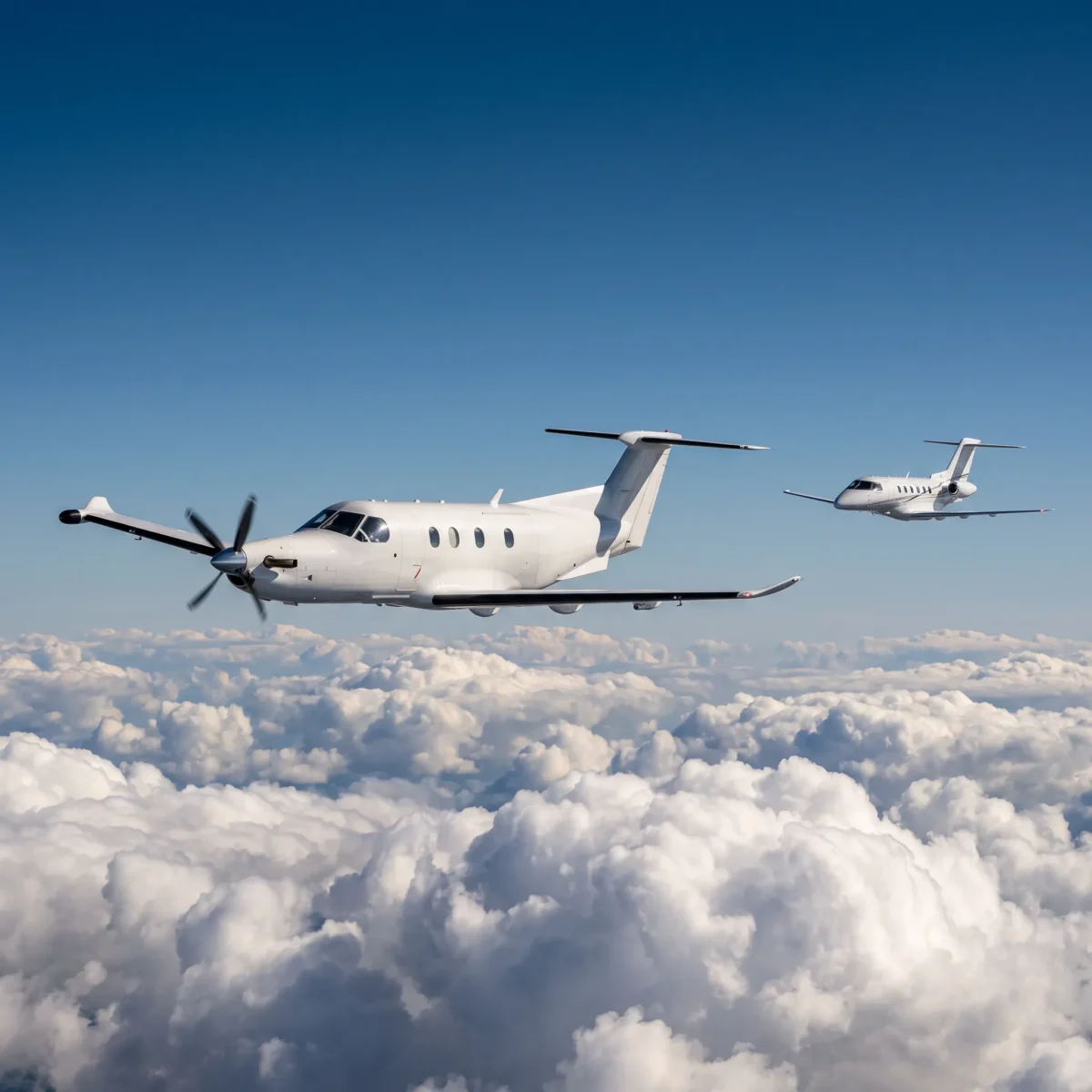
Western Aircraft has delivered its 300th new Pilatus PC-12, a PC-12 PRO, and has also handed over its 30th PC-24 jet. The dealer is marking 30 years as an authorized Pilatus sales and service center, a rare anniversary with real volume behind it. The timing of the two deliveries relative to each other should be confirmed against Western Aircraft’s original release, and the 300 and 30 figures are the dealer’s own.
Dealer anniversaries usually read like press-release filler. This one is worth a closer look because of what it suggests about which aircraft North American buyers are choosing and what they pay for them.
Two Aircraft, One Customer Logic
The PC-12 is a single-engine turboprop and the PC-24 is a twin-engine jet, yet both appeal to buyers who care more about where an airplane can go than how it looks on the ramp at a major hub.
The PC-12 has long been the benchmark in its class. The current PC-12 NGX typically seats up to nine passengers in a commuter layout (some configurations are certified for more) or fewer in an executive cabin. Published range is roughly 1,800 nm at max cruise with reduced payload, and the aircraft flies from short and unpaved strips. A large rear cargo door makes it a working airplane. New examples are typically quoted at roughly $5.5 million. For the full background, see our look at the Pilatus PC-12 and its place in single-engine turboprop aviation.
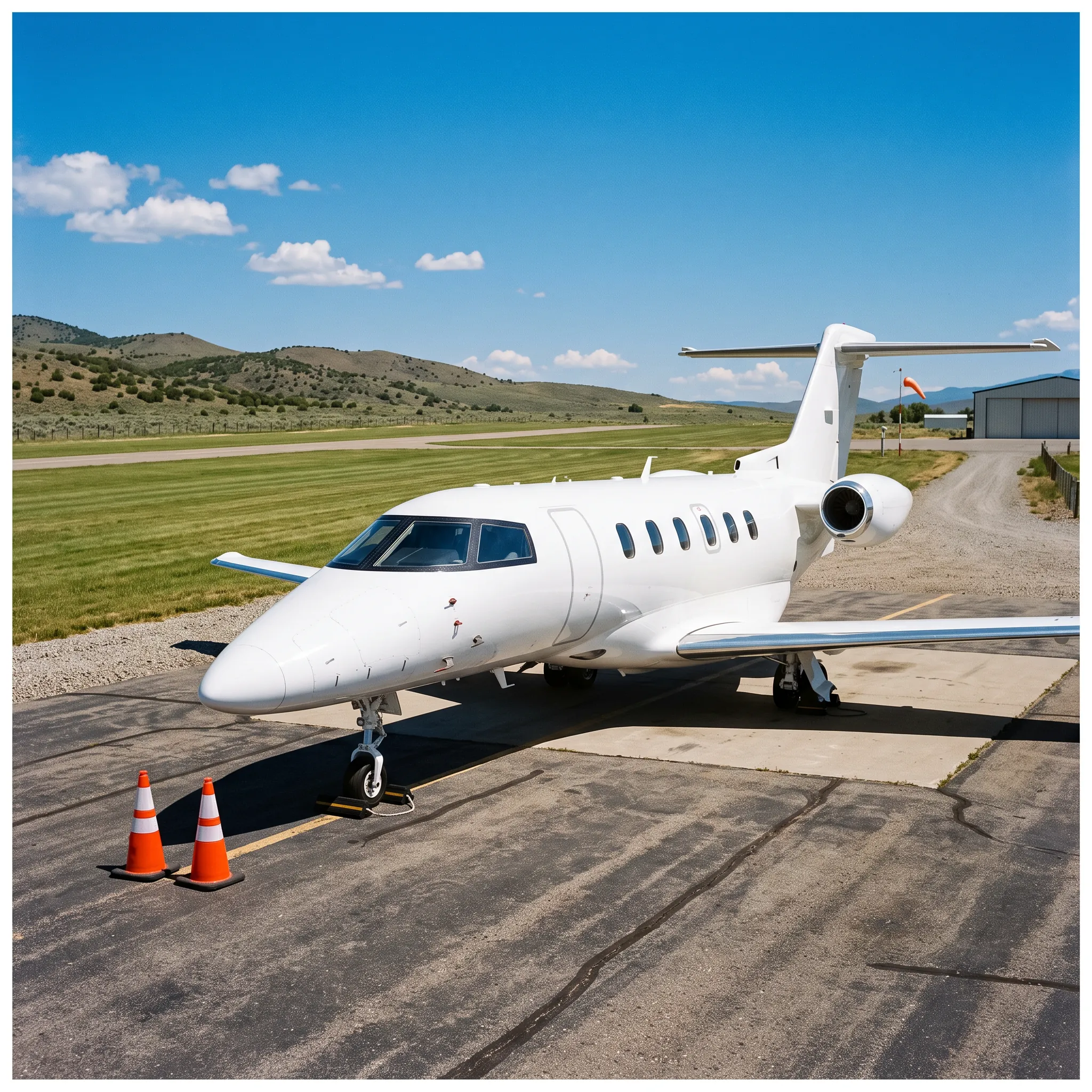
The PC-24 carries that utility into jet territory. Pilatus calls it the super versatile jet. It has a similar cargo door, a flat-floor cabin, a 45,000-foot maximum altitude and a published range of about 1,950 nm with NBAA IFR reserves, and it can operate from short and rough runways that most light jets avoid. New pricing is typically quoted at $11 to $12 million.
What 300 PC-12 Deliveries Signals
Three hundred new aircraft from a single dealer is a serious number. Buyers in this class typically also look at the Daher TBM 960 and the Textron Cessna Denali, so each sale reflects a competitive decision involving several million dollars.
Western Aircraft has not broken down who bought those 300 airplanes. My inference, not the dealer’s statement, is that repeat customers account for some of the total, since owners often upgrade when a new variant such as the PRO arrives. The PC-12 typically attracts owner-operators, corporate and government fleets that value range, payload and runway flexibility, and commercial operators that want dispatch reliability.
Operator demand is visible elsewhere in the market. PlaneSense paused jet card sales on its PC-12 fleet. A pause like that can reflect fleet capacity limits as much as raw demand, but it shows how tightly the type is being used.
Why the Service Record Matters
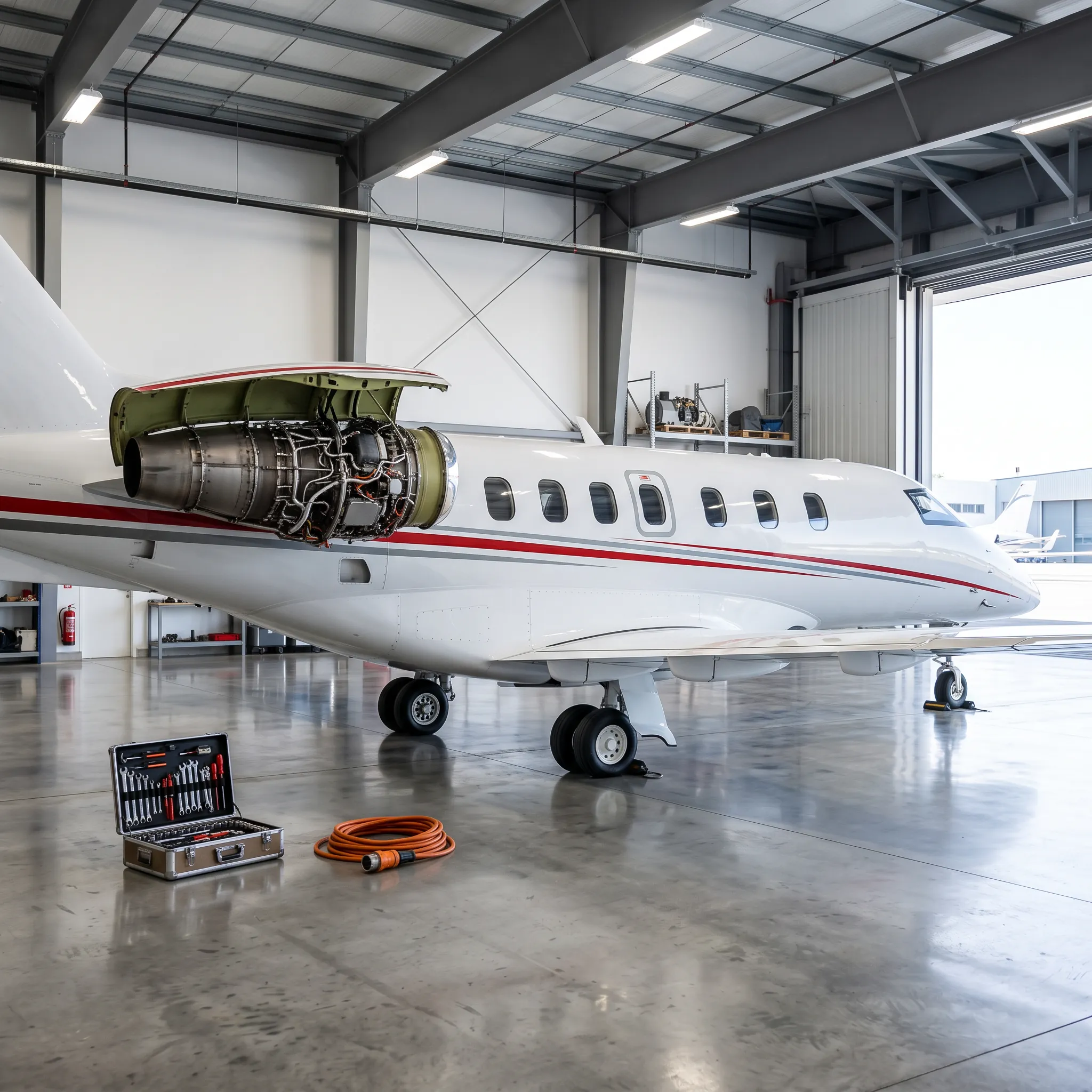
Used buyers scrutinize maintenance records and where the work was done, and a factory-authorized service center history tends to support resale value. Actual pricing still depends on age, hours, and how many comparable aircraft are for sale, so anyone who wants hard residual figures should check Vref or Aircraft Bluebook for the specific serial range.
A dealer with 30 years of Pilatus work offers factory-trained technicians who know the type well, complete maintenance records that support a later sale, and often faster scheduling for inspections and unscheduled work.
Consider an owner whose aircraft sits AOG for a week waiting on a part while a family trip is booked: the charter bill for that week can run well into five figures, which is why parts availability and shop responsiveness matter as much as the purchase price.
The Bigger Market Picture
The milestone lands in a busy market. Our piece on the biggest delivery year since 2009 shows how much buyer appetite has grown. For Pilatus-specific context, check the company’s own annual results for its 2025 delivery count rather than assuming it mirrors the broader trend.
It also fits a shift in how people use aircraft. More travelers fly for leisure, and many want access to smaller airports close to their destination, such as mountain valley strips or island runways that a large cabin jet often cannot use. As we’ve covered, leisure flyers now steer much of private aviation, and they tend to value convenience over sheer size.
PC-12 or PC-24: A Quick Comparison
| Factor | PC-12 NGX | PC-24 |
|---|---|---|
| Powerplant | Single turboprop | Twin turbofan |
| Range and altitude | About 1,800 nm; turboprop altitudes | About 1,950 nm; up to 45,000 ft |
| Price (new, typically quoted) | Roughly $5.5M | $11M to $12M |
| Best for | Short strips, regional trips, cargo flexibility | Faster trips, longer legs, jet-level altitude |
| Typical buyer | Owner-pilots, operators, fleets | Corporate flyers, turboprop owners stepping up |
What It Means If You’re Shopping
If you’re weighing a purchase, ask any Pilatus dealer how long it has served the type, how many aircraft it has delivered, and how quickly it can turn an airplane around in the shop. In my view, the owner who mostly flies regional trips from short fields is better served by the PC-12, while the PC-24 makes sense once longer legs and higher altitudes are routine.
Western Aircraft has not said how many PC-24 buyers came from its PC-12 customer base, and that figure would be the most useful number to see next.