
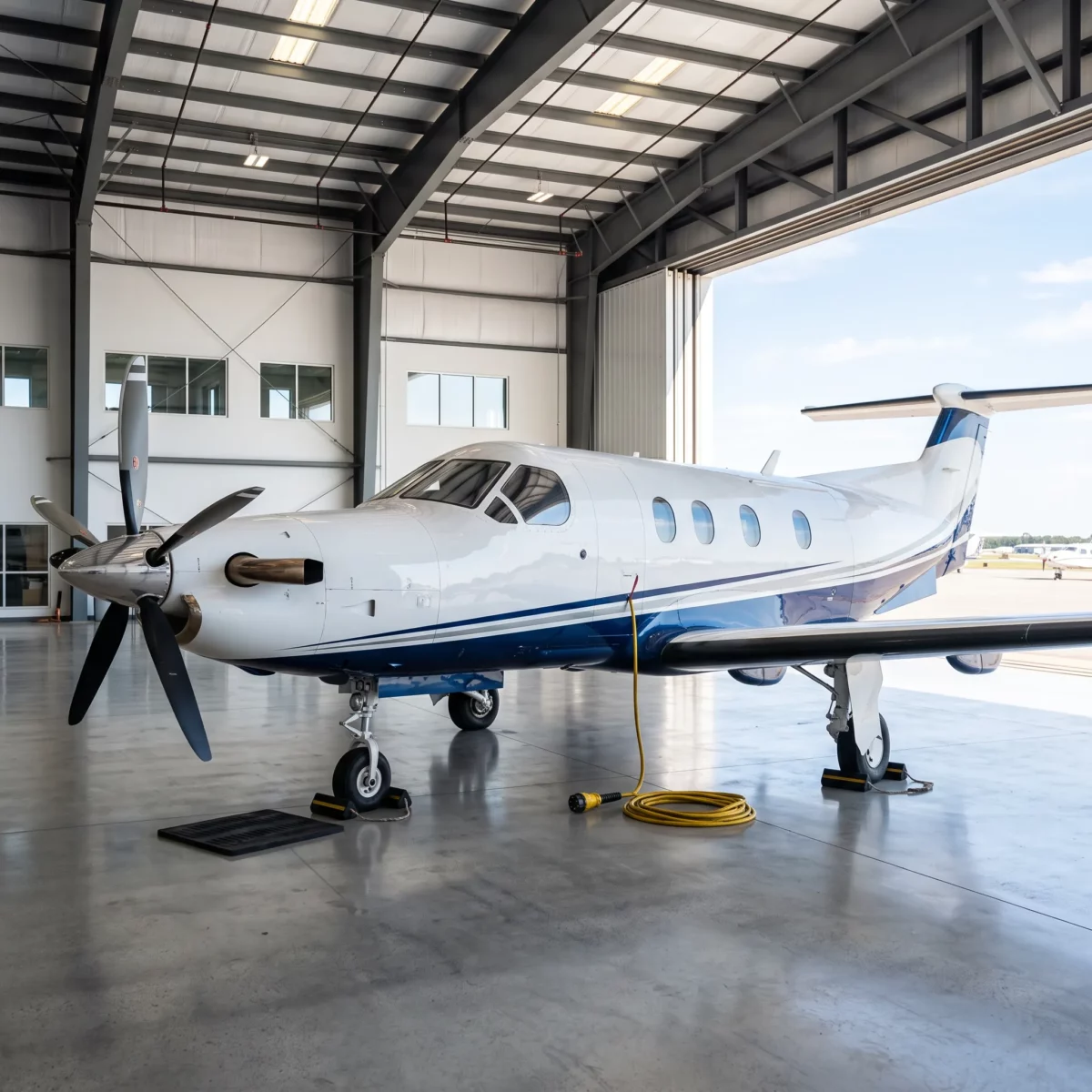
Something’s shifting in the fractional ownership world, and it’s worth paying attention to if you’re a jet card holder or thinking about becoming one. PlaneSense, the operator behind the largest civilian fleet of Pilatus PC-12 turboprops in the world, has stopped selling jet cards on that fleet. Fractional shares are still available. The company’s CobaltPass card still works on its PC-24 jets. But if you wanted to buy card access to the PC-12 specifically, that door just closed, at least for now.
What Actually Happened
PlaneSense confirmed the suspension applies only to jet card sales on the Pilatus PC-12, a single-engine turboprop long favored for shorter regional hops and its ability to land at smaller airports jets can’t touch. According to PlaneSense’s own fleet page and company statements, the operator flies nearly 50 PC-12s alongside a smaller fleet of PC-24 light jets under the CobaltPass card program. A company spokesperson described the move as deliberate capacity management, not distress. The goal, they said, is preserving service reliability for existing customers rather than overselling access the fleet can’t support.
That distinction matters. This isn’t a company pulling back from the market entirely. Fractional ownership sales continue on both aircraft types, and PlaneSense expects to release more card inventory as its fleet grows. Still, the timing raises eyebrows. The operator expanded its jet card program back in 2024 and celebrated 30 years in business in 2025. Now, less than two years later, it’s dialing back the very product it had just grown.
Not an Isolated Move
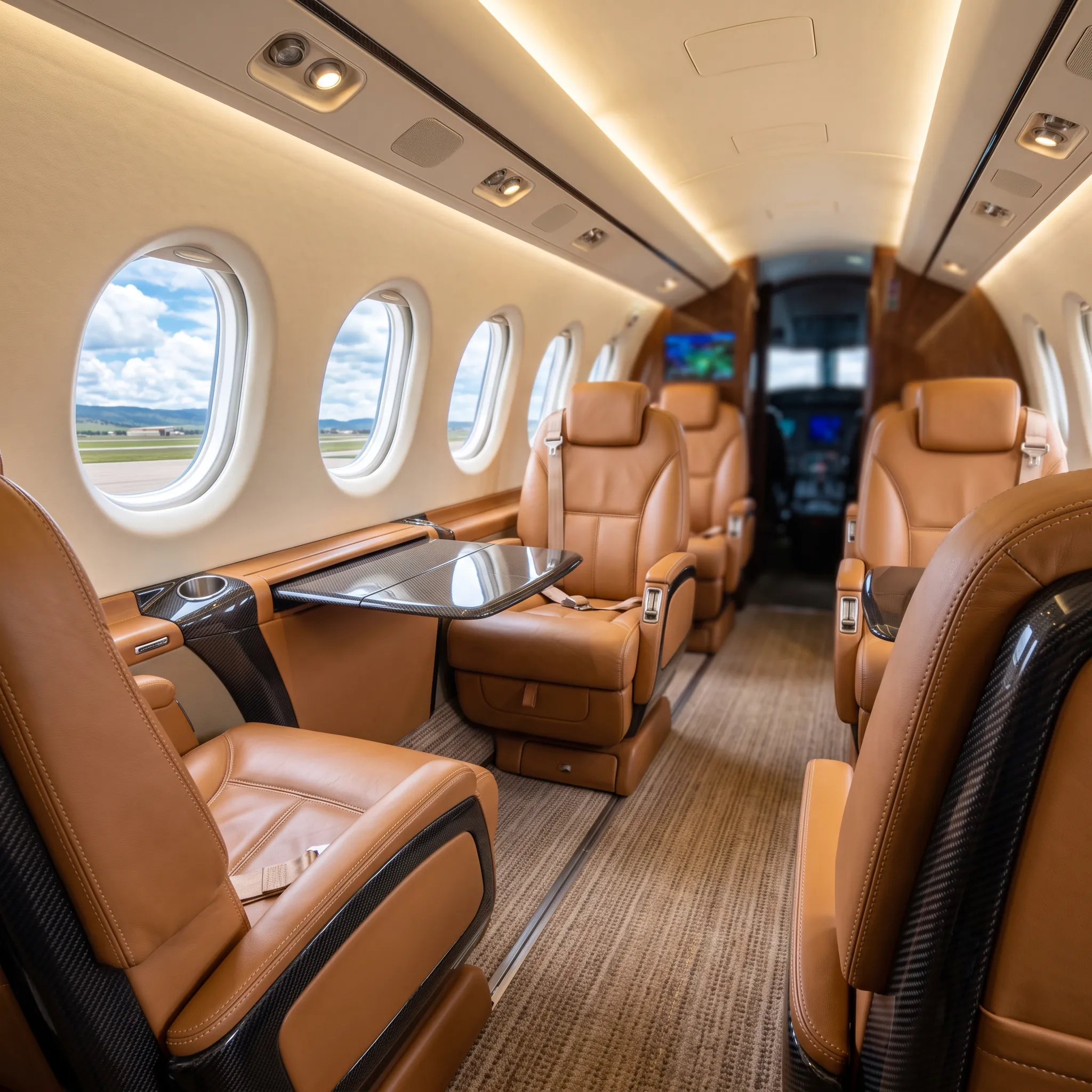
PlaneSense isn’t the only operator tightening access. NetJets, the largest private aviation operator on the planet, has reportedly pulled back on new jet card and lease sales in recent weeks, though the company hasn’t publicly detailed a timeline for when sales might reopen. FXAir, the charter brokerage under Flexjet, has reportedly moved to a waitlist model for its Aviation+ membership on Phenom 300 and Challenger 300 aircraft rather than keep selling into a fleet that’s already stretched. Neither move has been confirmed with the same level of detail as PlaneSense’s PC-12 pause, so treat the specifics as developing rather than final.
NetJets, FXAir, and PlaneSense fly very different aircraft and serve different segments of the market, but they’re all running into the same wall: not enough available seats to meet demand. That’s not a coincidence.
- NetJets: reportedly pulled back on new jet card and lease sales, with no restart date announced
- FXAir: reportedly moved to a membership waitlist on Phenom 300 and Challenger 300 aircraft
- PlaneSense: confirmed halt on PC-12 jet card sales while keeping fractional and PC-24 card sales open
Why Fractional Owners Get Priority
Here’s the part that matters most for readers weighing card versus fractional access. A jet card is essentially a prepaid block of flight hours — flexible and easy to walk away from, but with no ownership claim. A fractional share is a legal ownership stake in a specific aircraft, backed by a multi-year contract. When an operator has to choose who gets guaranteed lift on a busy weekend, the equity owner wins every time. They have a contractual claim to the aircraft. Card holders, by comparison, are buying access to whatever capacity is left over.
That’s exactly why halting card sales, rather than fractional sales, makes sense from the operator’s side. Pausing new card business protects the experience for people who already committed capital to owning a piece of the fleet. It’s a triage move, and it tells you something about where these operators expect real growth to come from in the next few years: owners, not casual card buyers.

What This Means If You’re Shopping Right Now
If you’ve been eyeing a PC-12 card for regional trips, this is a reminder that private aviation runs on finite supply. Turboprops like the PC-12 are popular precisely because they can use shorter runways and reach airports that larger jets can’t, which makes them a favorite for a last-minute charter when a commercial flight falls through. But that same versatility means demand for these aircraft has been climbing steadily, and PlaneSense simply doesn’t have unlimited PC-12s to sell hours against.
A few practical takeaways for anyone navigating this environment:
- Fractional ownership remains open across the industry, so buyers with the capital and the flying hours to justify a share still have options.
- Existing jet card holders on paused fleets should expect their current agreements to be honored; this is about new sales, not existing contracts.
- Waitlists, like the one FXAir has reportedly introduced, are becoming a more common way for operators to manage demand without shutting the door completely.
- Smaller or newer operators may see an opportunity to absorb clients who can’t get into NetJets, Flexjet, or PlaneSense right now.
The Bigger Picture
Delivery delays across the industry, from engine supply chains to interior completions, have made fleet expansion slower than operators would like. Meanwhile, post-pandemic demand for private flying hasn’t fully receded the way some predicted. Put those two forces together and you get exactly what’s happening now: operators managing scarcity by protecting their most committed customers first.
PlaneSense says it will reopen PC-12 card inventory as new aircraft are added to the fleet, though it hasn’t committed to a specific date. Anyone tracking this should also watch how quickly Pilatus can move new PC-12s through delivery, since that pipeline, not demand, is now the real bottleneck determining when card sales resume.