
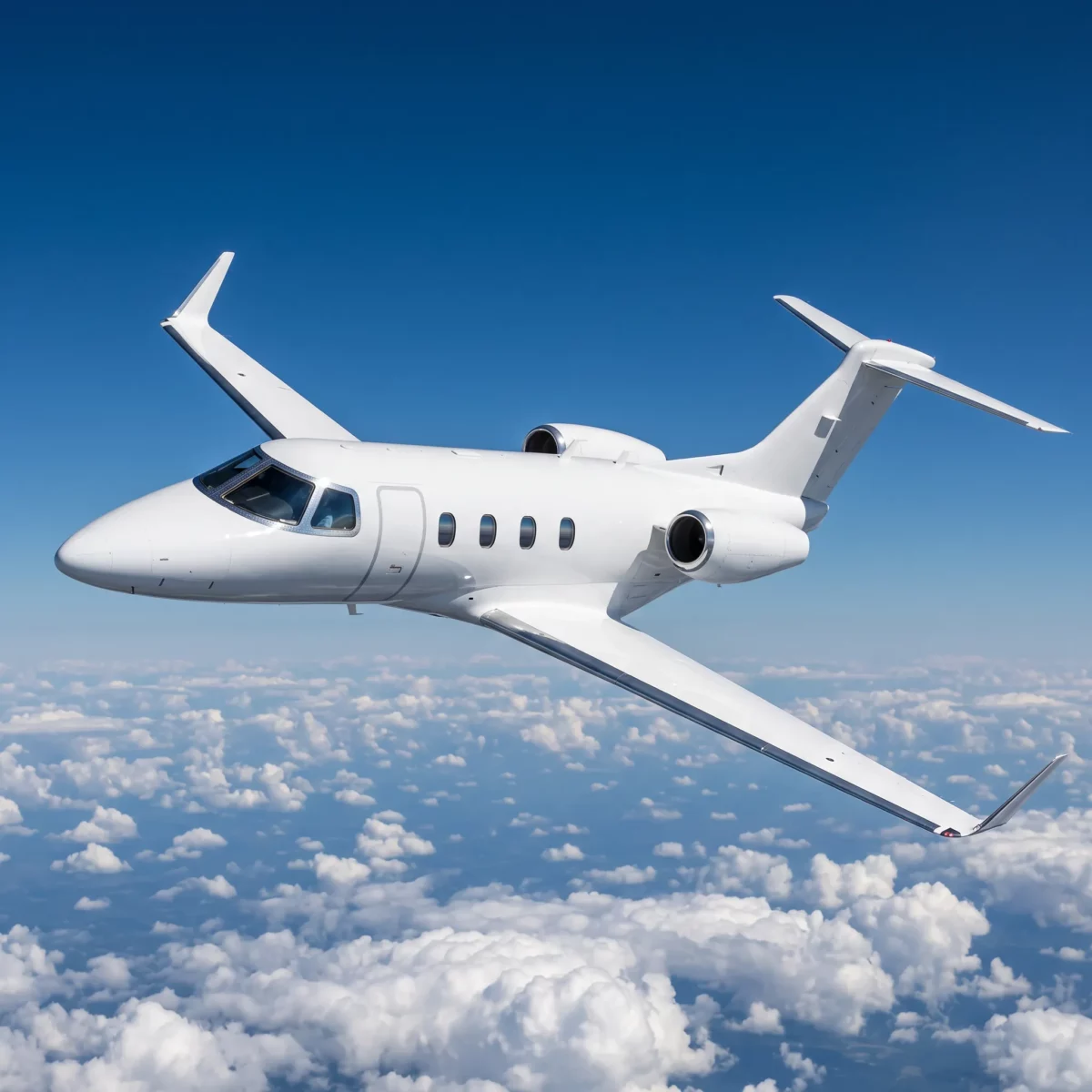
Speed records in business aviation usually come from the biggest, most expensive jets on the ramp. Not this time. A tiny Arizona manufacturer just posted the fastest East-to-West transcontinental crossing ever flown by a light jet, and it did so with a twenty-year-old airframe most of the industry had written off years ago.
On August 18, an SJ30-2 flown by pilot Gordon Bryan, with SyberJet CEO Trevor Milton aboard, flew nonstop from Jacksonville, Florida, to San Diego, California. The jet covered 1,831 nautical miles in 4 hours and 7 minutes, averaging 511.8 mph. That smashes the previous FAI C-1.f class record of 339.4 mph, set by an Embraer Phenom 300 back in 2013. Once the Fédération Aéronautique Internationale finishes its review, expected in roughly 90 days, the record becomes official.
An Old Airframe With a New Job
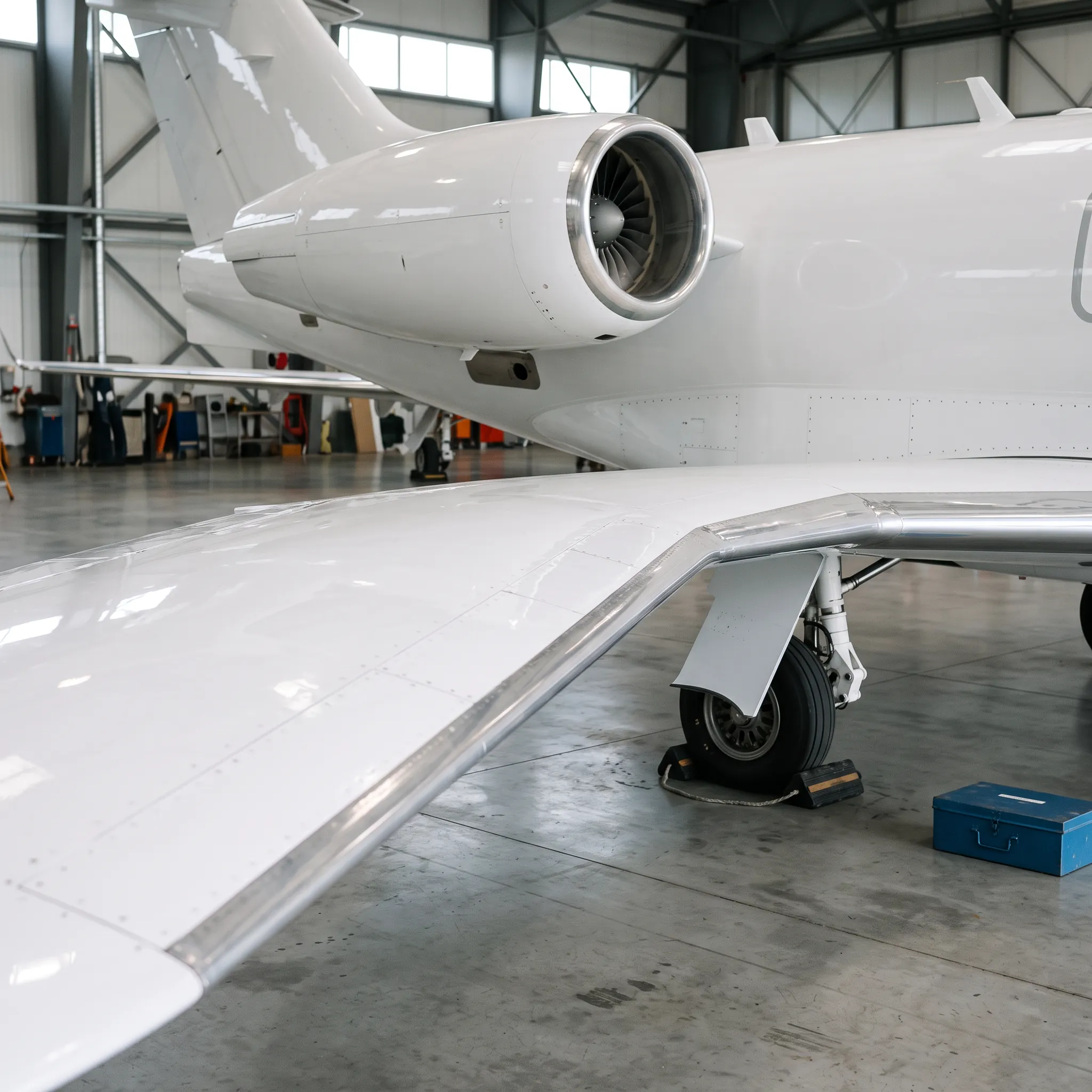
Here’s the part that makes this record genuinely interesting rather than just a headline number. The SJ30-2 stopped production in 2009 after only five aircraft were built. It’s a commercial footnote. But quietly, SyberJet has kept flying it as a testbed, and this record run doubles as a proof-of-concept for the company’s real comeback vehicle: the SJ36, set to debut at NBAA-BACE in October 2026.
The SJ30-2 was always an aerodynamic outlier in the light jet class. It carries a thin, highly swept wing designed more like something off a fighter program than a typical cabin-class business jet. That wing sacrifices some low-speed handling and cabin volume for one thing: clean, low-drag performance at high altitude and high Mach numbers. It’s why a jet from 2009, with dated avionics and a cramped cabin by modern standards, can still out-run jets built a decade later.
What the SJ36 Actually Changes
SyberJet isn’t starting from a blank sheet. The SJ36 is described as a direct evolution of the SJ30-2’s airframe and wing design, which means the company gets to keep the aerodynamic advantage while fixing almost everything else that made the original a niche product.
- Four-foot cabin stretch: addresses the SJ30-2’s biggest complaint, a cabin too tight for real cross-country comfort
- Fly-by-wire controls: a rarity in this size class, typically reserved for midsize and larger jets
- SyberVision avionics suite: a modern flight deck replacing the aging original panel
- Williams International FJ44-4A engines: proven powerplants already flying on aircraft like the Cessna CJ4
- Nine-passenger configuration: up from the SJ30-2’s cramped six-to-seven seat layout
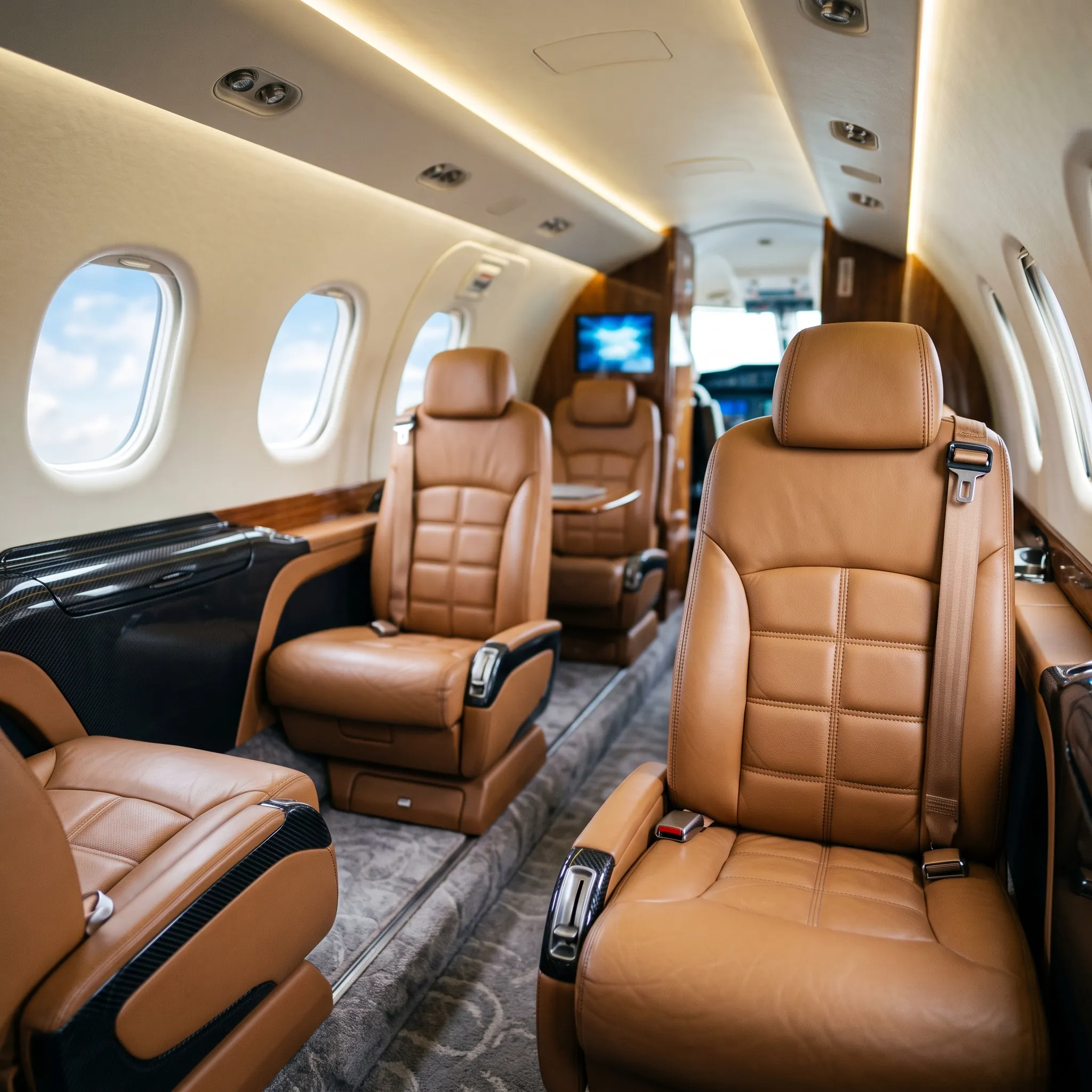
SyberJet is targeting Mach 0.88 and a 3,000-nautical-mile range, at a price around $14 million. Those numbers put it squarely in the crosshairs of the light and light-plus jet market currently dominated by the Phenom 300E and the Citation CJ4.
How It Stacks Up on Paper
None of this matters if the SJ36 can’t actually compete once it’s flying. Right now, everything about it exists on paper and in test flights of a decades-old predecessor. Still, the specs SyberJet is chasing would put real pressure on the segment’s established players.
| Spec | SyberJet SJ36 (target) | Embraer Phenom 300E |
|---|---|---|
| Top speed | Mach 0.88 | Mach 0.80 |
| Range | 3,000 nm | 2,010 nm |
| Passengers | 9 | 10 |
| Price | $14 million | ~$10 million |
That speed and range combination, if it holds up in certified form, would make the SJ36 an outlier in its price bracket, closer in mission capability to a midsize jet than a traditional light jet. Owners who fly long transcontinental legs, the kind of trip SyberJet just used to set its record, would notice the difference immediately in block times.
Why the Timeline Matters
The catch is patience. SyberJet is planning flight testing in 2027, with certification and first deliveries not expected until 2032. That’s a long runway for a company that hasn’t delivered a jet since the Bush administration. Light jet buyers comparing options today have plenty of proven alternatives sitting on dealer ramps right now, from the Phenom 300E to the CJ4 to newer entries reshaping the super-midsize class, like the Gulfstream G400’s recent first flight.
Records like this one matter for a reason beyond bragging rights. They tell prospective buyers and financiers that the underlying engineering works, which is exactly the kind of validation a small manufacturer needs before it can raise the money and confidence required to get a clean-sheet-adjacent jet through six years of certification. It’s a similar dynamic to what we saw when the Bombardier Global 8000 set its own speed record ahead of entering service, using performance headlines to build market anticipation long before deliveries begin.
The next real test comes in October, when SyberJet is expected to release firm order numbers alongside the SJ36’s formal debut at NBAA-BACE. Until then, the speed record stands as the only hard data point in an otherwise paper airplane. Watch whether Embraer or Textron respond with their own updates to the Phenom 300E or CJ4 lines in the meantime, since a credible SJ36 threat could accelerate refreshes already rumored for both platforms.