
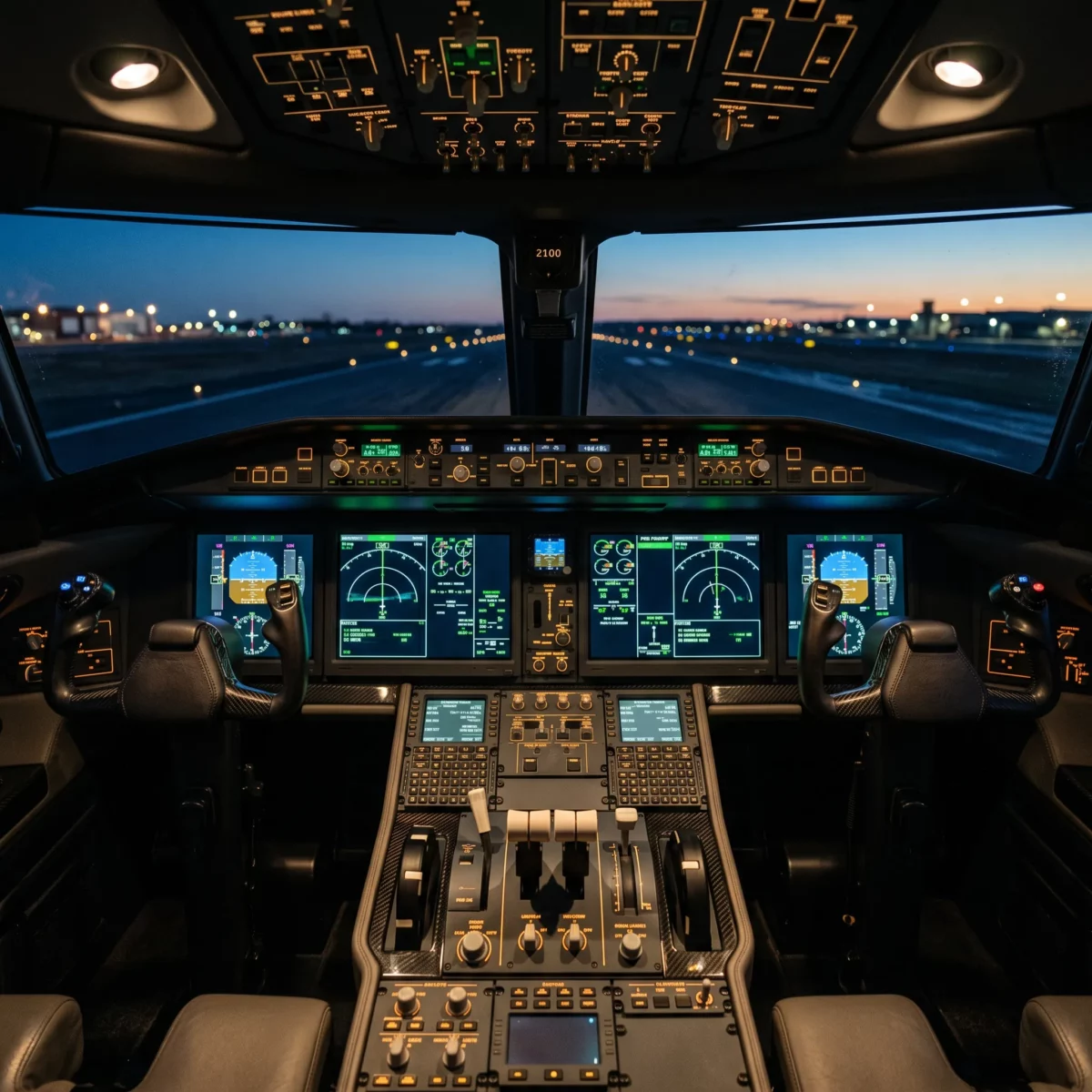
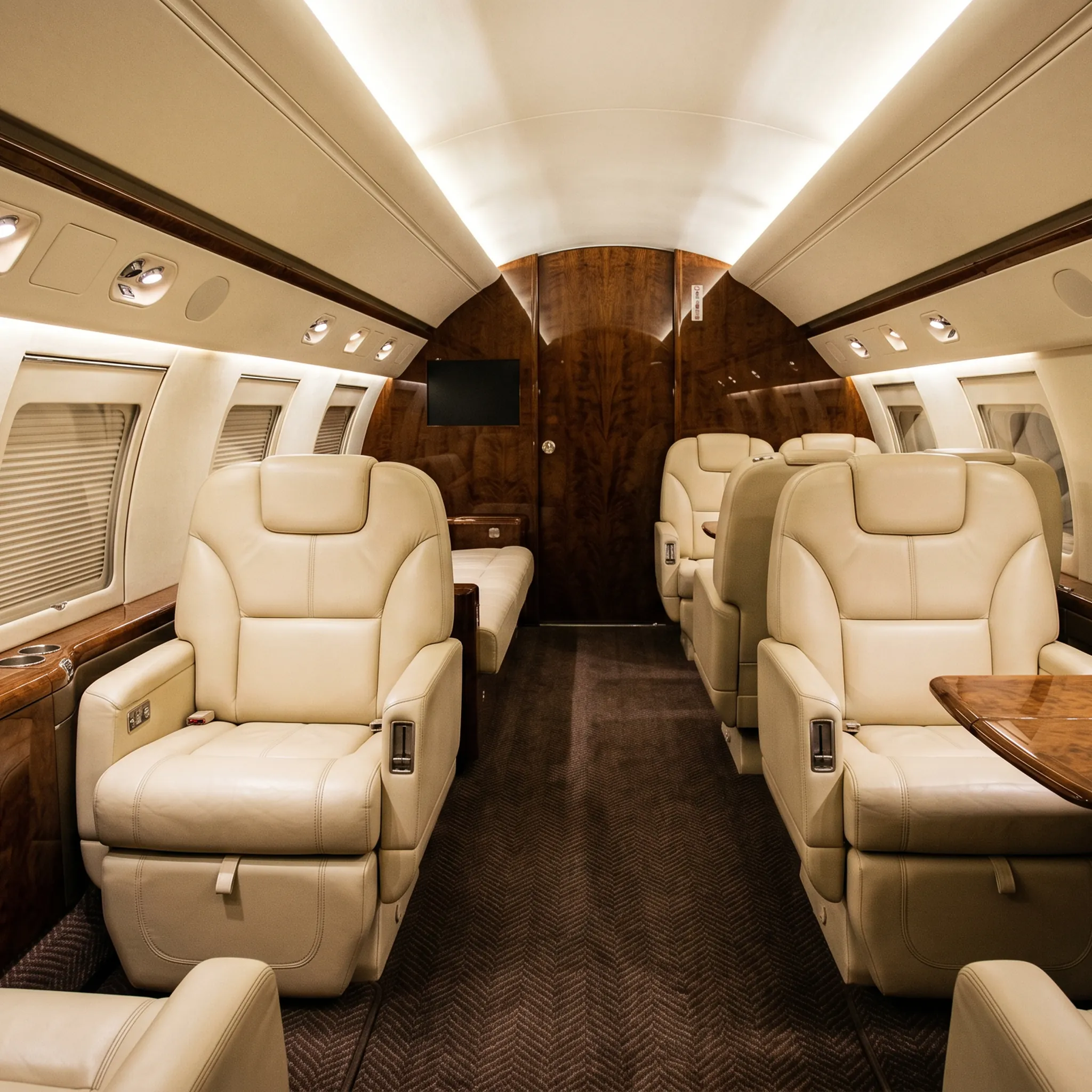
You’ve settled into your seat. The cabin door closes. The crew, moments before warm and conversational, goes quiet. Requests get brief, polite responses. The flight attendant focuses intently on her checklist rather than topping off your glass. Then the engines spool up, the aircraft begins to move, and you sense a shift in the atmosphere that’s almost tangible.
That shift is intentional. It’s called the Sterile Cockpit Rule, and it’s one of the most consequential safety regulations in private aviation. Understanding it goes beyond explaining a moment of crew silence — it gives you a window into how the people responsible for your life operate under pressure.
Where the Rule Comes From
The FAA’s Sterile Cockpit Rule, formally codified in Federal Aviation Regulation 121.542 and its Part 135 equivalent (135.100) for charter operations, dates back to 1981. Part 91 corporate flight departments typically adopt it voluntarily. The regulation came out of accident investigations that revealed a troubling pattern: crews engaged in casual, non-essential conversation during critical phases of flight, and that distraction contributed directly to fatal errors.
The most frequently cited example is Eastern Air Lines Flight 212, which crashed near Charlotte, North Carolina in 1974. During the final approach, the cockpit crew became absorbed in non-pertinent social conversation, losing awareness of their altitude and descent profile. By the time the situation became apparent, there was no margin to recover. The accident became a defining case study in how casual distraction during a critical phase of flight could prove catastrophic.
The sterile cockpit concept directly addressed this failure mode. By restricting all non-essential communication during the most demanding moments of any flight, the FAA essentially mandated that crew attention stay where it belongs: on flying the aircraft.
What the Rule Actually Requires
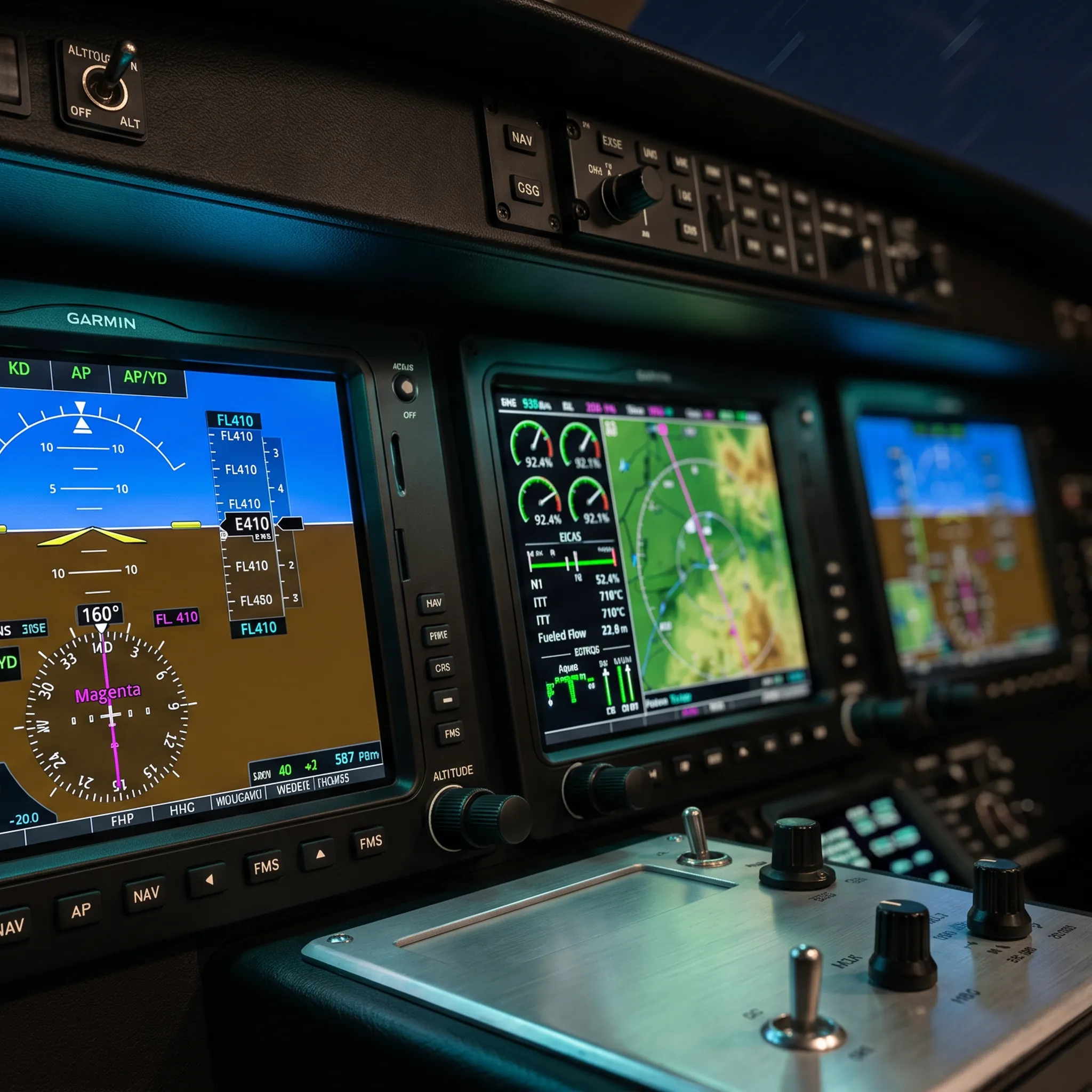
The regulation applies during all ground movement, takeoff, landing, and any flight below 10,000 feet. During these phases, crew members may only discuss information directly related to operating the aircraft. That means checklists, ATC communications, system status, and anything operationally relevant.
What it explicitly prohibits is everything else.
- Passenger requests: Even simple ones get deferred until the aircraft climbs through 10,000 feet
- Cabin service: Flight attendants restrict service and remain seated or in a sterile posture during critical phases
- Non-essential crew conversation: Scheduling discussions, personal topics
- Electronic device use: Crew personal devices stay stowed during sterile periods
- Galley activity: Food and beverage preparation pauses until the aircraft reaches cruise altitude
On commercial airlines, the 10,000-foot threshold is widely understood. Passengers hear the flight attendant announcement and recognize the moment the rule lifts. On private charter and corporate aviation, the dynamic is more personal, and for many passengers, more surprising.
The Private Sector Protocol
On a commercial flight, you’re one of 200 people. You expect anonymity and routine. On a private jet, the crew knows your name, your preferences, your drink order. The relationship is warmer and more direct. That makes the sudden professional formality during taxi and climb feel more pronounced, even jarring if you don’t know what’s happening.
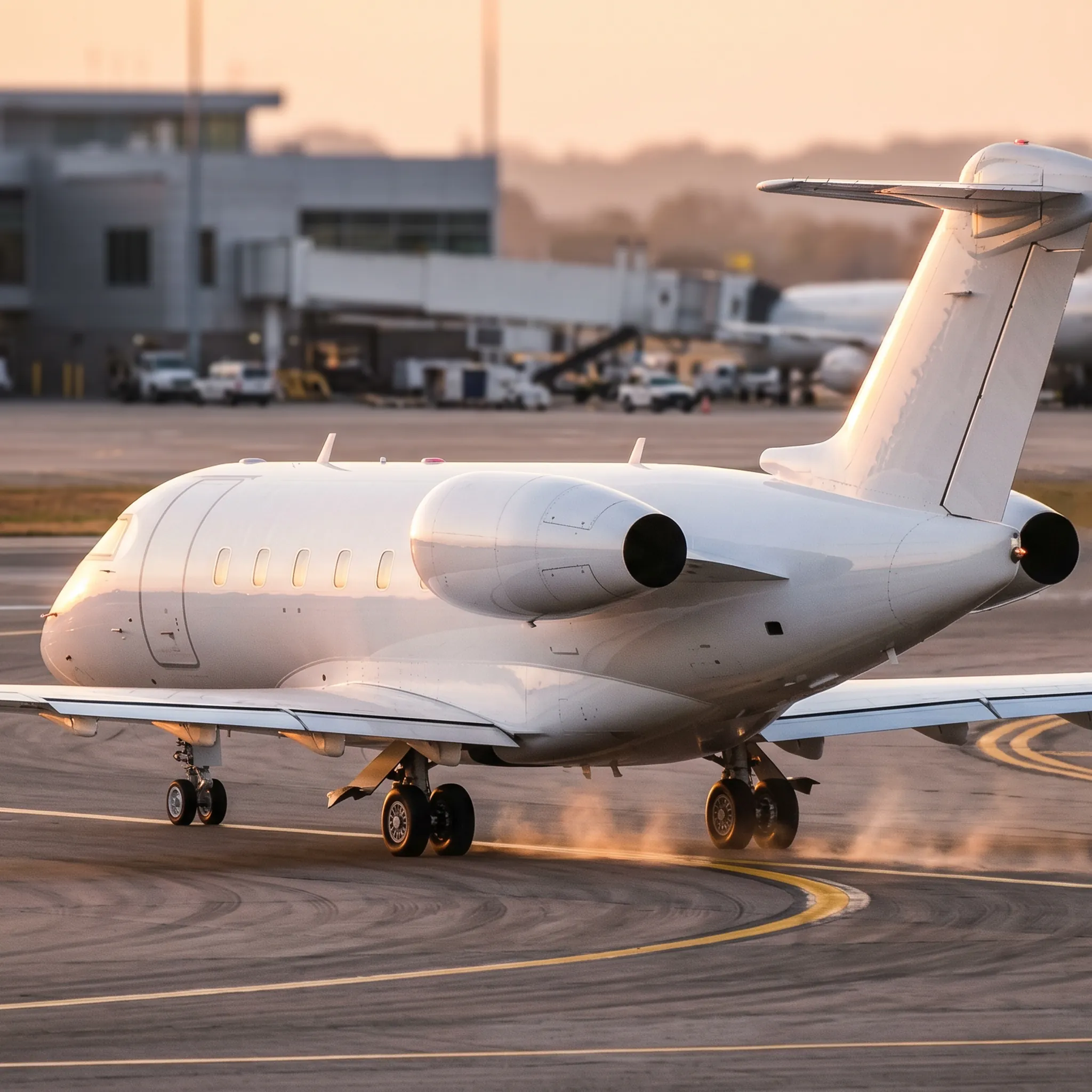
Crews at elite operators like NetJets or Flexjet handle this transition seamlessly. They’ll often give passengers a brief, natural heads-up before departure: “We’ll be in sterile cockpit until we level off.” That one sentence reframes everything. You understand that the crew’s focus is a safety feature, not a change in attitude.
The challenge comes when passengers, particularly those new to private aviation, attempt to engage the crew during these phases. A question about the routing, a request for a different cabin temperature, even a friendly comment about the weather can pull a crew member’s attention at exactly the wrong moment. Good crews respond briefly and professionally, then redirect. But the interruption itself has a cost.
This is also where the flight attendant’s role becomes critical. On larger heavy cabin jets like the Gulfstream G700 or Bombardier Global 7500, where a dedicated cabin crew member flies, that person acts as a buffer. They manage the passenger cabin during sterile phases, handling anything that comes up without involving the flight deck. On smaller single-pilot or two-person crew operations, the responsibility falls entirely on the pilots to maintain sterility while managing whatever arises.
The Cognitive Demands of the Flight Deck
Aviation psychologists call it situational awareness — the continuous, dynamic understanding of what’s happening around the aircraft, what will happen next, and what it means for your operation. Maintaining it requires cognitive bandwidth. Every distraction consumes some of that bandwidth.
What makes taxi and takeoff particularly demanding isn’t just speed or altitude. It’s the density of decisions compressed into a short timeframe. During a typical departure sequence, a crew manages ATC instructions, aircraft configuration changes, engine parameters, traffic awareness, weather, runway conditions, and contingency planning. All simultaneously. All with precision.
The sterile cockpit rule eliminates distractions and triggers a mental mode shift. When the rule engages, experienced crews enter a state of focused, disciplined attention that feels different from cruise flight. Passengers who understand this recognize it for what it is: professionalism at its most concentrated.
What This Means for You as a Passenger
The practical implications for private jet travelers are straightforward. If you have requests before departure, communicate them before the crew begins the departure sequence. Once the aircraft starts moving, hold any non-urgent questions until the seatbelt sign comes off at cruise altitude. If something genuinely needs attention during the climb, make brief eye contact with the cabin crew rather than walking to the cockpit door.
Most passengers, once they understand the rule, appreciate it. There’s something reassuring about knowing your crew isn’t distracted during the most critical moments of the flight. The silence isn’t indifference. It’s focus. And in aviation, focus is the foundation everything else is built on.
The rule also reinforces something broader about private aviation safety culture. Operators who enforce sterile cockpit procedures rigorously tend to run tighter overall operations. It’s a proxy for how a company handles every detail they can’t see from the cabin. That discipline either exists throughout or it doesn’t.
The crew that goes quiet before takeoff isn’t being cold. They’re doing their job at the highest level they know how. That brief, deliberate silence is one of the reasons private aviation is so safe.