

Most readers of this publication think about private aviation in terms of charter hours, fractional shares, or whole-aircraft ownership in the seven-figure range. That’s the world we cover. But there’s a different kind of private flying that deserves attention, one that puts you directly in the left seat of a capable, modern aircraft for a price that’s almost shockingly reasonable. The Van’s RV-12iS is that aircraft. And a particularly well-equipped 2024 example currently listed in Hillsboro, Oregon, offers a clear window into why this category is attracting serious interest from owner-pilots who want to fly on their own terms.
What the RV-12iS Actually Is
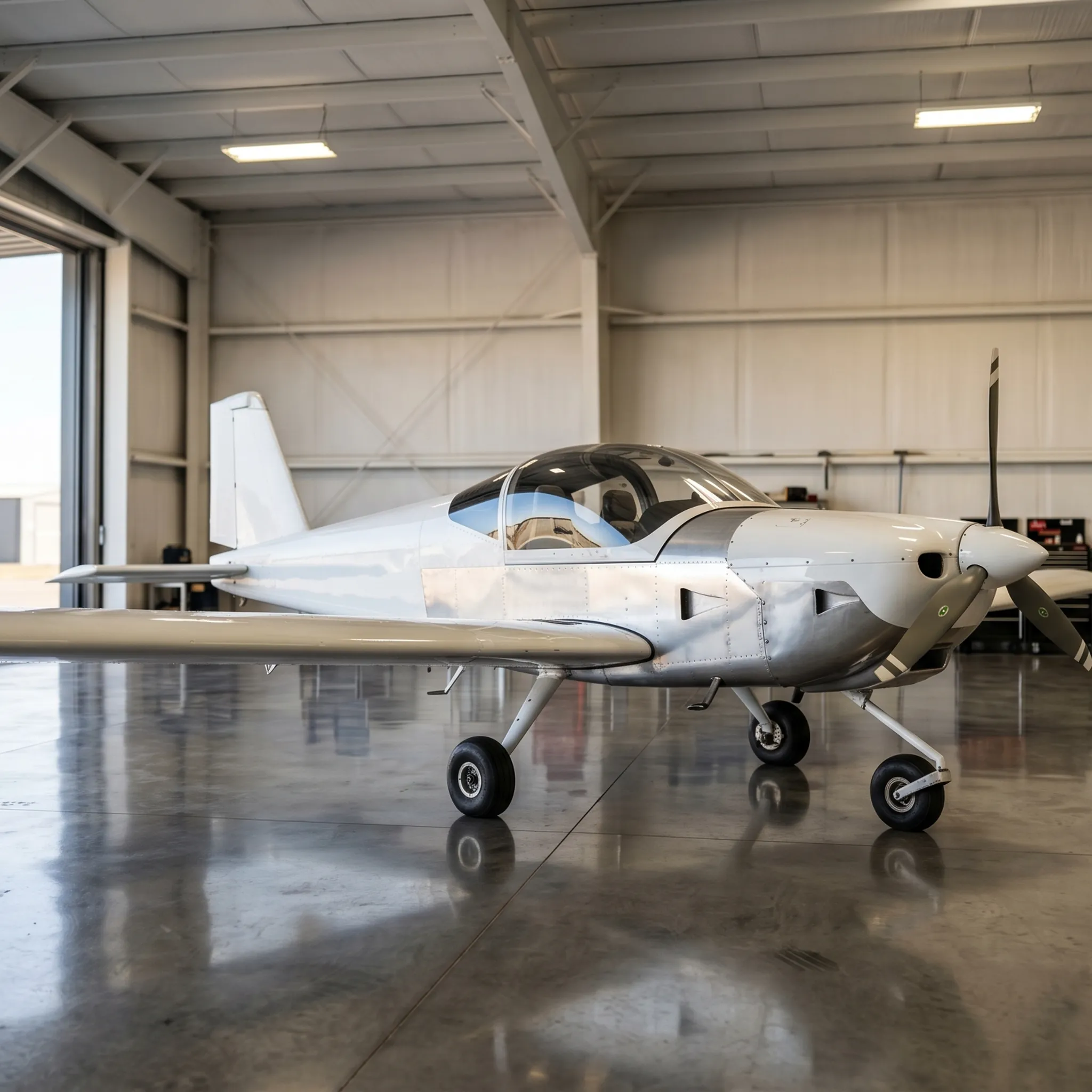
Van’s Aircraft built its reputation on kit planes, aircraft you assemble yourself over months or years. The RV-12iS breaks from that tradition. This is a factory-built Special Light Sport Aircraft, which means it comes out of the manufacturer fully assembled, certified, and ready to generate revenue or log personal flight hours from day one. No build time. No amateur-built paperwork complications. Just a clean, modern aircraft with a legitimate maintenance history.
The light sport category gets underestimated by people who associate it with ultralight toys. That’s a mistake. The RV-12iS flies at speeds up to 120 knots, handles crosswinds with composure, offers a side-by-side two-seat cockpit with genuinely panoramic visibility, and comes equipped with avionics that would have been considered premium just five years ago. For short regional hops of 150 to 250 miles, it’s a surprisingly capable machine.
The Specific Aircraft Worth Knowing About
The Hillsboro listing represents a well-maintained, high-time aircraft with 1,447 total airframe hours and consecutive logbooks that tell a clean story. The powerplant is a Rotax 912iS Sport, a 100-horsepower fuel-injected engine with 1,432 hours since new and a 2,000-hour TBO, leaving approximately 568 hours of remaining engine life. An April 2026 condition and 100-hour inspection keeps its annual current through April 2027. That’s a documented, current aircraft with no deferred maintenance hiding in the logbooks.
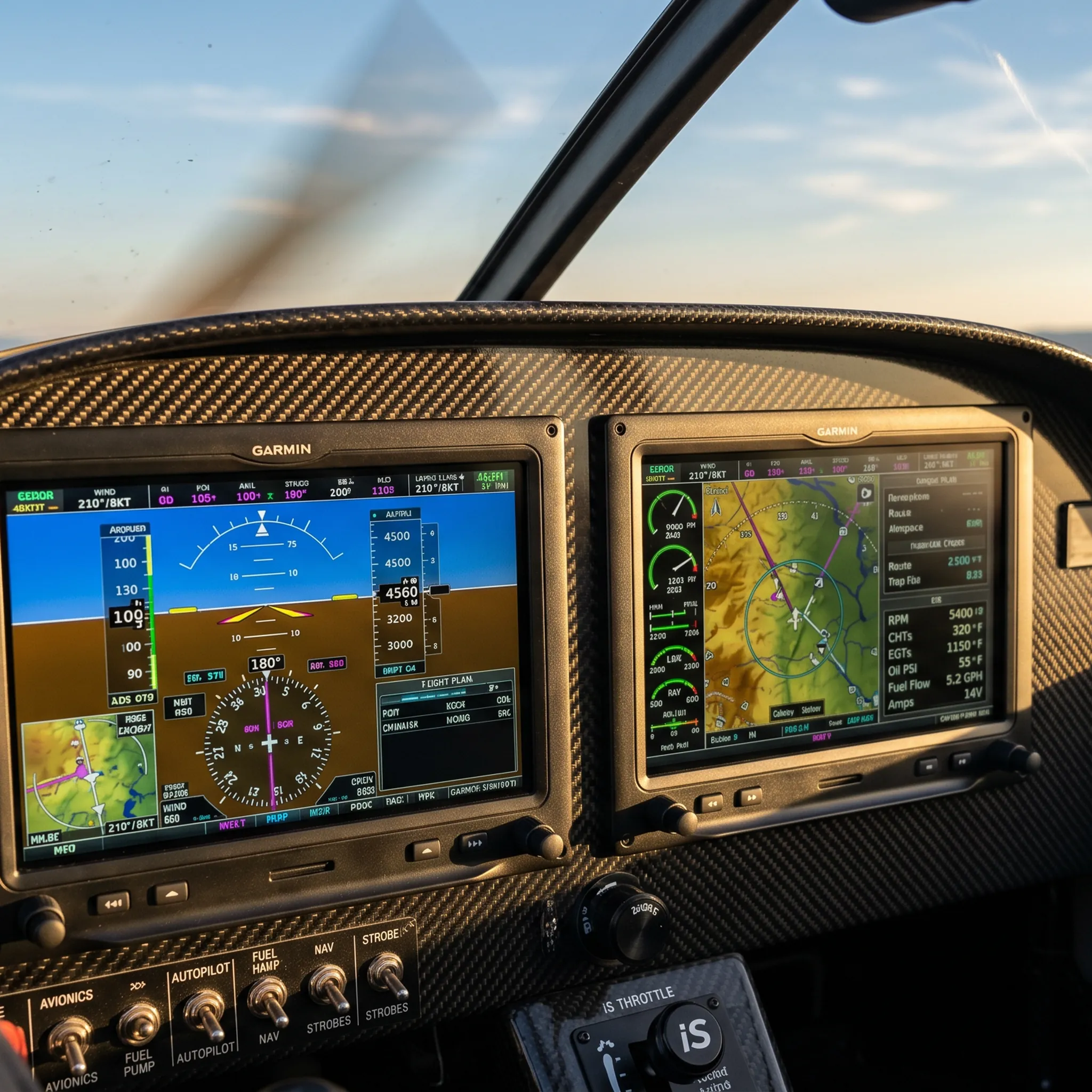
The avionics suite is where this aircraft really punches above its price point. Here’s what you get:
- Garmin G3X Touch: A full glass cockpit display covering engine monitoring, navigation, and flight instrumentation in an intuitive touchscreen interface
- Garmin two-axis autopilot: Manages heading and altitude, a meaningful workload reduction on longer legs
- GTX 35R ADS-B Out transponder: Fully compliant with current airspace requirements, visible to ATC and other equipped aircraft
- ACK E-04 406 MHz ELT: Emergency locator transmitter with battery currency through January 2030, no near-term replacement costs
At an asking price of $164,900, that’s a capable, current aircraft with a known history and no immediate squawks to address.
The Rotax Engine Advantage
If you’ve flown behind a Lycoming or Continental engine in a Cessna 172, the Rotax 912iS will feel different in the best possible way. Fuel burn runs around 4 to 5 gallons per hour at cruise, compared to 8 to 10 gallons per hour for a comparable legacy trainer. Over the course of a flying season, that difference becomes meaningful. It also accepts automotive unleaded fuel in addition to avgas, which adds flexibility at smaller fields where 100LL availability can be inconsistent.
The 912iS variant adds fuel injection, improving cold-start reliability and providing more consistent power delivery at altitude. These are practical qualities that matter when you’re flying early mornings or at high-elevation fields.
Who Should Pay Attention
The private aviation community isn’t monolithic. Some readers here charter heavy jets for transatlantic runs. Others hold fractional shares for domestic travel. And a growing number want to actually fly, not just ride. For that last group, the RV-12iS presents a genuine opportunity.
A sport pilot certificate requires only 20 hours of flight training, compared to 40 hours for a private pilot certificate. That means getting current and legal to fly this aircraft solo is an achievable goal for most motivated individuals in a matter of weeks. Once there, the operating costs stay modest. Fuel, hangar, and annual maintenance on a well-kept RV-12iS run well under $15,000 annually in most markets, a figure that barely registers against the cost of a fractional share or regular charter use.
For those already holding a private pilot certificate or building toward an instrument rating, the Garmin G3X glass panel provides meaningful training value. The same interface appears in more advanced aircraft, so time spent in this cockpit translates directly to proficiency in larger equipment.
The Honest Limitations
This isn’t an aircraft for crossing the country or carrying four passengers. The two-seat configuration and modest cruise speed mean you’re working within a defined envelope. Cross-country trips work well when planned around the aircraft’s approximately 300-mile practical range and the need for daytime VFR conditions for less experienced pilots. Flying in poor weather requires an instrument rating and an IFR-capable aircraft, and the RV-12iS is built for VFR flying.
Think of it as a precision tool for a specific mission, not an all-purpose transport solution. That framing actually works in its favor. For weekend trips to small airports, fly-ins, or building personal flight hours while keeping charter costs for more demanding travel, it fills a role nothing in a jet card program can replicate.
A Different Kind of Aviation Investment
There’s something different about flying yourself. Charter and fractional programs deliver convenience and comfort, and they’re the right solution for most of what high-net-worth travelers need from private aviation. But they don’t deliver the particular satisfaction of being the one responsible for the flight. The RV-12iS at $164,900 is about as low a barrier as you’ll find to owning a modern, well-equipped aircraft with real-world capability and a glass cockpit that reflects current standards.
The Hillsboro example won’t stay available long. Aircraft in this condition and configuration, with a clean history and current maintenance, attract attention quickly. Whether you’re a working pilot looking for an affordable personal aircraft or a private aviation enthusiast who wants to start flying themselves, this one is worth a serious look.