
The midsize jet card market has seen pricing drift steadily upward through 2025 and into 2026. Operators are managing tighter fleet availability, elevated fuel costs, and demand that hasn’t meaningfully softened. Most quality midsize programs now price somewhere between $6,500 and $8,500 per hour. So when OneFlight International published a 25-hour card for $130,000, the reaction from seasoned travelers and brokers was immediate: that’s a number worth looking at.
The Deal, Broken Down Simply
The math is clean. $130,000 divided by 25 hours puts the base rate at exactly $5,200 per hour. For genuine midsize access, that sits well below current market averages from the larger established operators. OneFlight has capped this promotion at just 10 jet cards total, which limits their fleet commitment while creating the kind of scarcity that tends to turn consideration into action.
The fine print deserves attention here. The 7.5% Federal Excise Tax is not included in that $130,000 figure. Apply FET to your occupied hours and the true all-in rate moves closer to $5,590 per hour. Still competitive by any reasonable measure. Just not quite the headline number, which is worth knowing before you sign.
What Midsize Actually Means for Your Flying
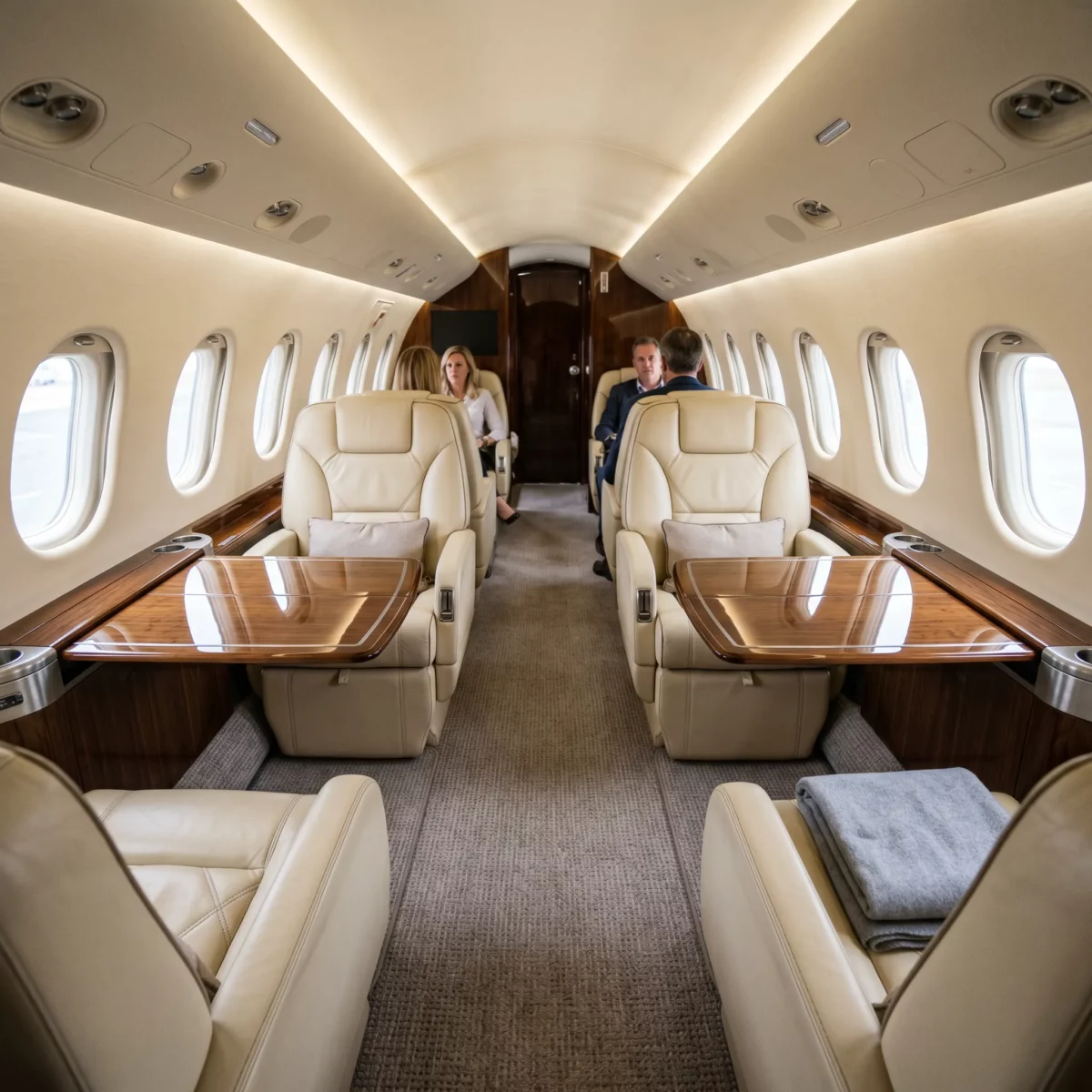
Midsize jets occupy a genuinely useful position in private aviation. You get meaningful range, typically 2,000 to 2,500 nautical miles, which covers transcontinental U.S. flying with fewer fuel stops than a light jet requires. Cabins typically accommodate 6 to 8 passengers with real legroom, a proper lavatory, and enough baggage space for a long weekend trip without agonizing over what to leave behind.
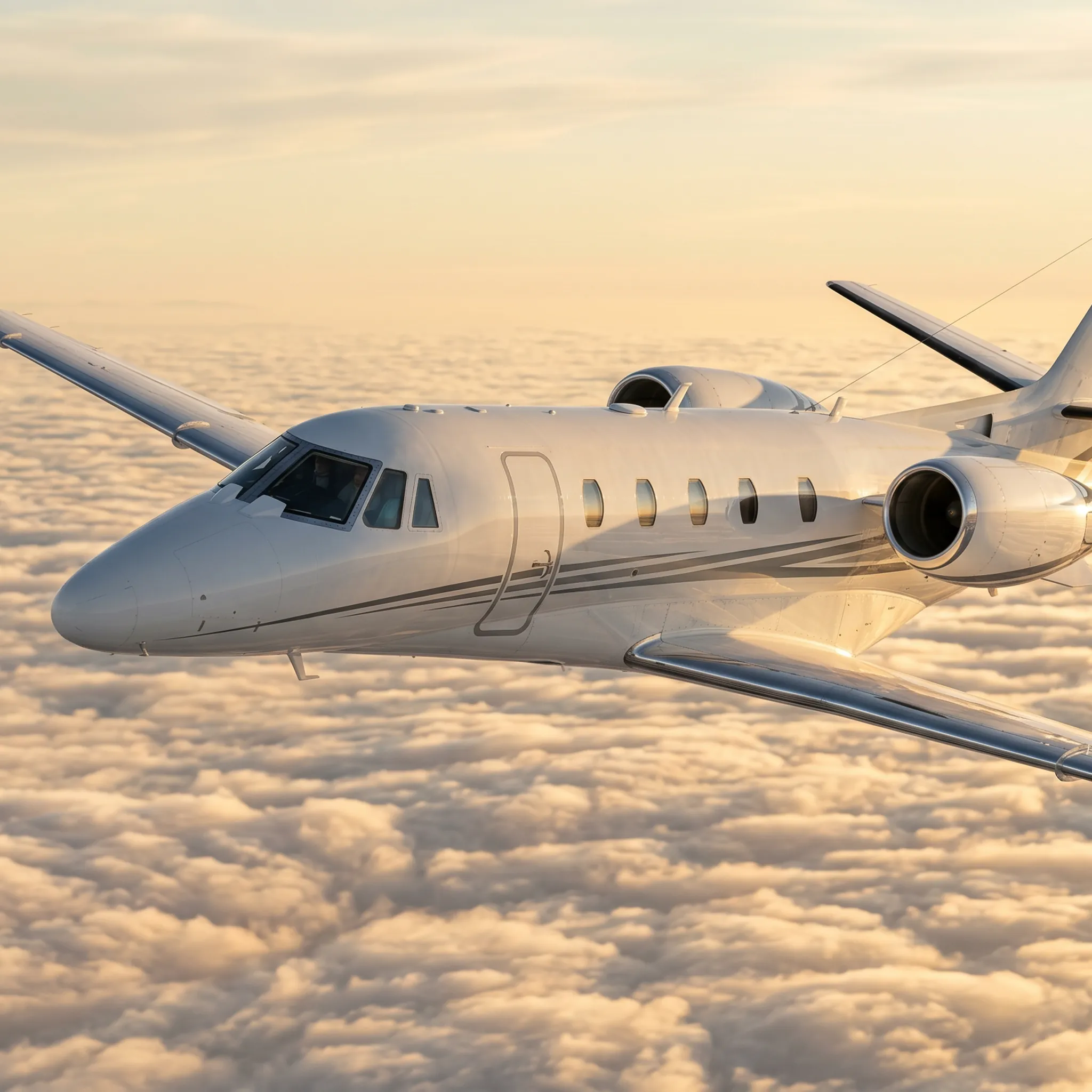
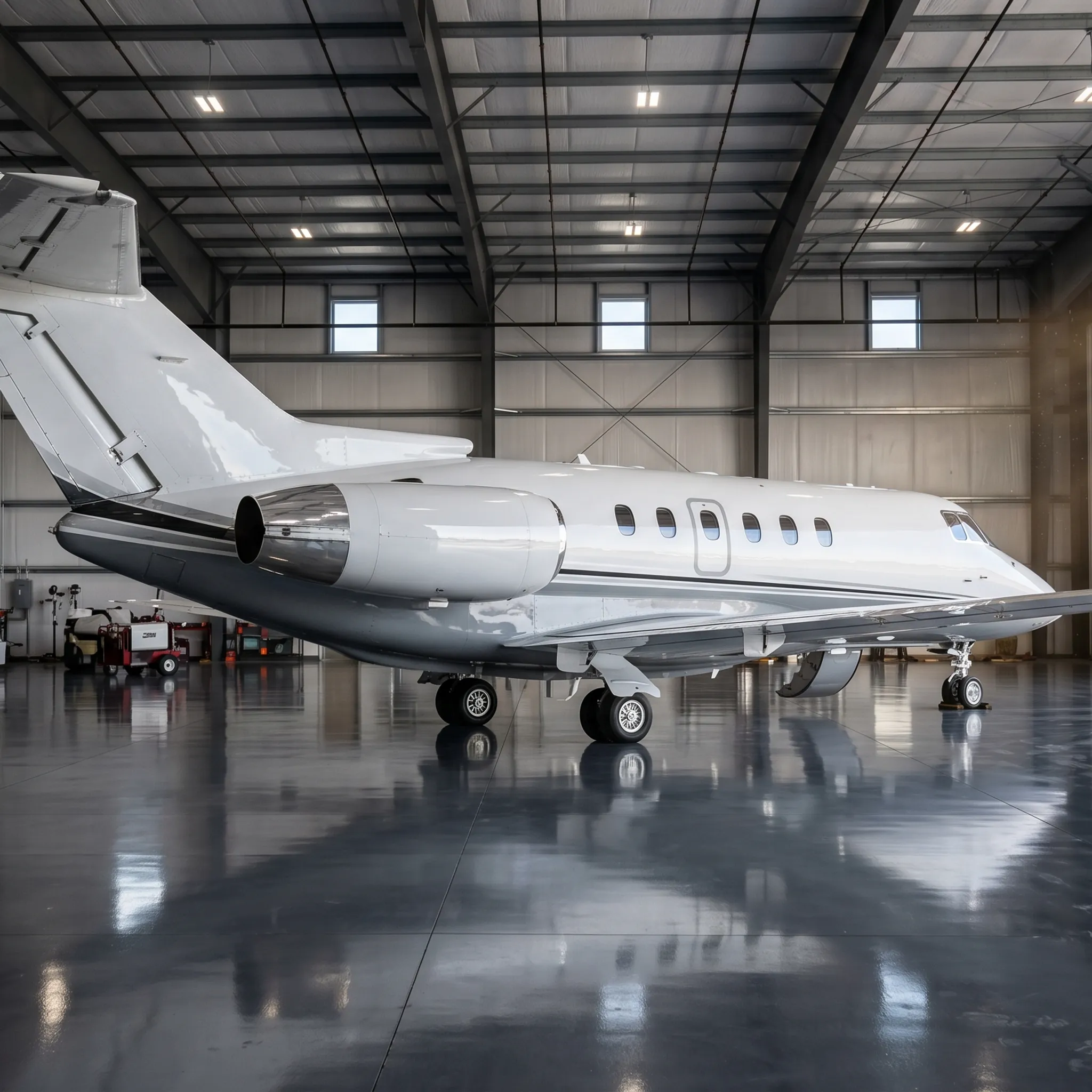
Aircraft in this category, think Citation XLS+, Hawker 900XP, and Learjet 75 Liberty, tend to appeal to travelers who’ve outgrown the light jet experience but don’t need the operating costs of a super-midsize. For executives flying regional routes or families doing seasonal trips, this category hits a practical sweet spot.

How This Stacks Up Against the Market
Context matters when evaluating any jet card offer. Here’s how OneFlight’s promotional pricing compares to what buyers are currently seeing across the midsize market.
| Program Type | OneFlight Promo | Typical Market Range |
|---|---|---|
| Base Hourly Rate | $5,200 | $6,500 – $8,500 |
| Total Commitment | $130,000 | $130,000 – $212,500 |
| FET Included | No | Varies by operator |
| Availability | 10 cards only | Ongoing enrollment |
The savings against a mid-range competitor are real. A traveler buying 25 hours at $7,000 per hour spends $175,000 for the same block of time. OneFlight’s rate saves roughly $45,000 on the base price alone, before factoring in how each program handles fuel surcharges, peak day pricing, and cancellation terms. Those variables matter. Always ask for the full rate sheet, not just the hourly number.
The Scarcity Factor Is Real Here
Ten cards. That’s a genuinely small pool. OneFlight International isn’t running a clearance sale. This looks more like a targeted fleet-fill strategy, securing a small number of committed clients on favorable terms before midyear. The limited availability also signals that the operator doesn’t expect to absorb unlimited demand at this price point, which is worth understanding. This is a promotional window, not a new standard rate.
For buyers who’ve been sitting on the fence about a midsize jet card, the combination of below-market pricing and a hard cap on availability tightens the decision timeline. If 10 cards sell before you call, the offer is simply gone.
Who Should Take a Serious Look
This card makes the most sense for a specific traveler profile. You’re flying 20 to 50 hours a year. You want the consistency of a fixed rate without the carrying costs of fractional ownership. You need midsize capability, not super-midsize, for your typical routes. And critically, you’re not overly sensitive to the FET being a separate line item on each flight.
- Frequent regional flyers: Routes under 2,500 miles where midsize range covers you completely
- Corporate travel managers: Predictable per-hour budgeting with a fixed block of time
- First-time jet card buyers: A lower entry price for meaningful flight hours
- Charter regulars: Travelers who currently book ad-hoc charter and want rate protection
For long-haul international routes or groups exceeding 8 passengers, the super-midsize class is worth the premium. Fit matters more than price in private aviation selection.
What to Do Before You Buy
A $130,000 commitment deserves proper diligence. Ask OneFlight directly which specific aircraft types fulfill this card, whether peak days carry surcharges, what the repositioning policy looks like for your common routes, and how expiration is handled if you don’t use all 25 hours within the card period. Those questions separate a good deal from a great one.
The pricing here is genuinely attractive. At $5,200 per hour base for midsize access, OneFlight has put out one of the more compelling limited-availability offers in the current market. The cap of 10 cards will almost certainly be reached before most buyers finish deliberating. For the right traveler, the math and the timing both work. The question is whether you’re one of the 10.