
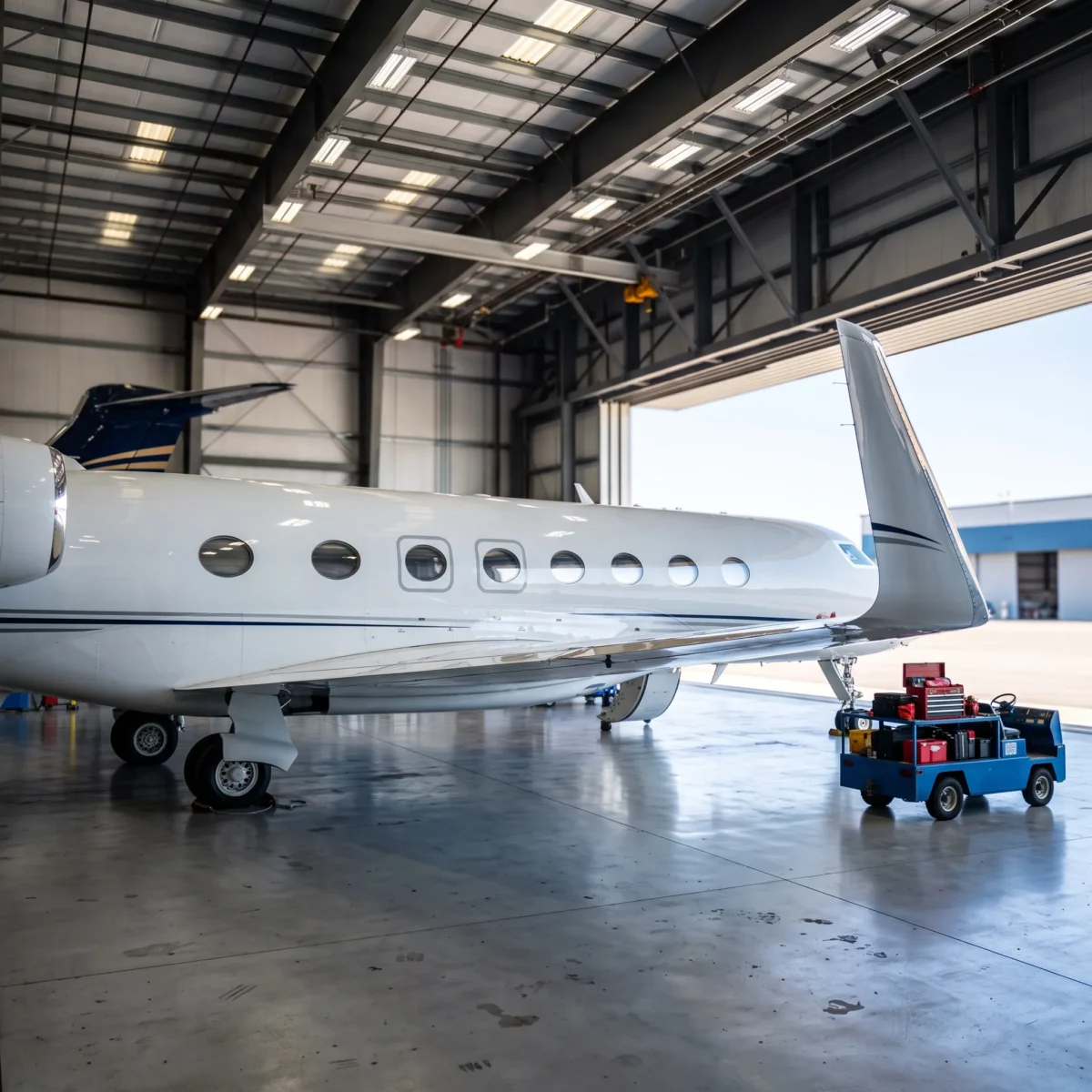
Four hundred aircraft. That’s how many Gulfstream G500 and G600 jets have rolled off the line and into the hands of owners since 2018. The milestone aircraft, a custom-outfitted G600 finished at one of Gulfstream’s completion centers, quietly marks something bigger than a round number. It confirms that Gulfstream built exactly the airplanes the market wanted, at exactly the right moment.
For a manufacturer, hitting 400 deliveries on a single platform family inside eight years is a real achievement. It puts the G500 and G600 among the fastest-selling large-cabin business jets of the past decade, and it says something about how Gulfstream read the room when super-midsize buyers started wanting more range without stepping up to a full ultra-long-range price tag.
A Shared Platform That Actually Works
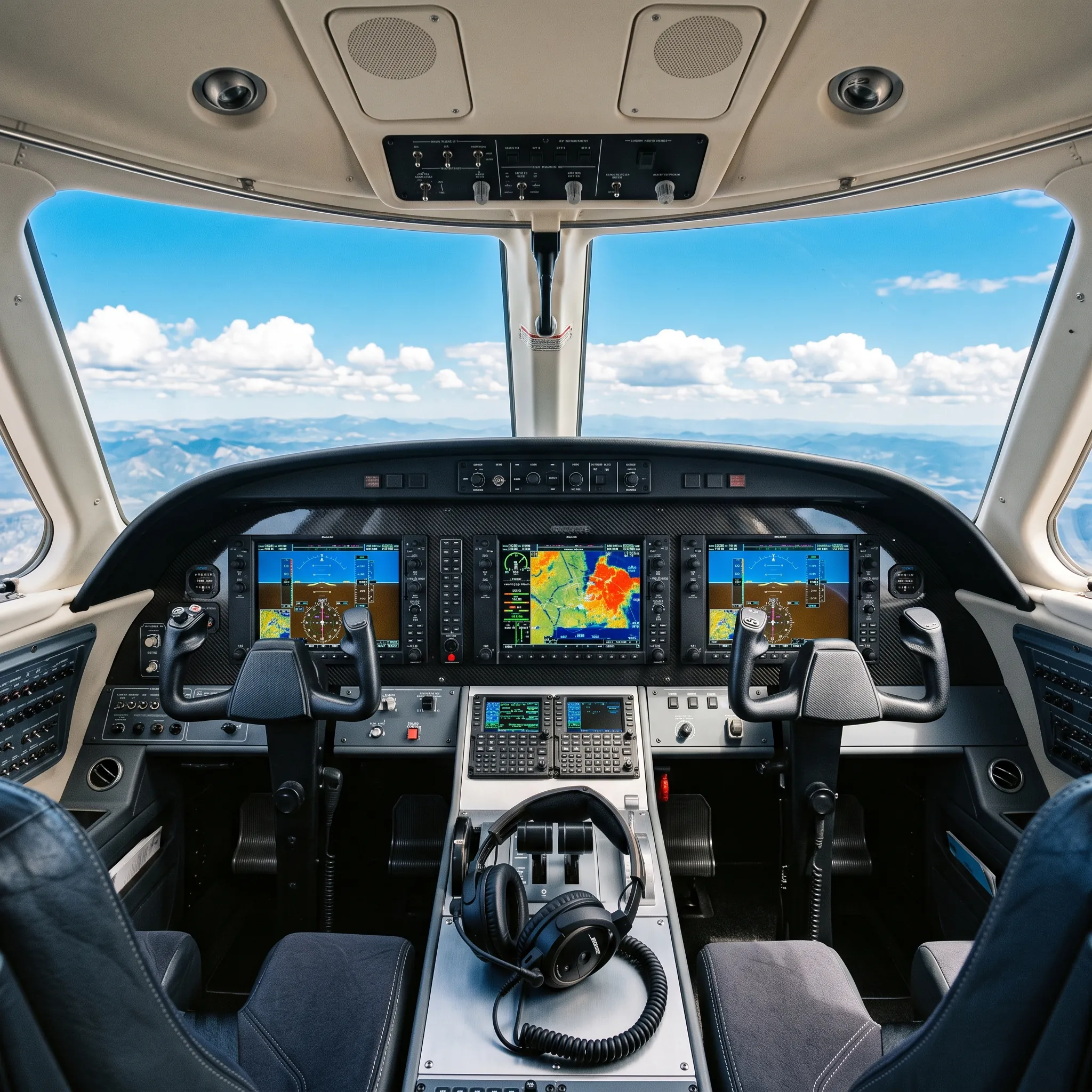
The G500 and G600 aren’t separate designs with a family resemblance. They share the same fuselage cross-section and wing architecture. Both also run Gulfstream’s Symmetry Flight Deck, the company’s first commercial application of active control sidesticks in a business jet. That shared DNA matters more than most buyers realize.
Pilots moving between the two types need minimal additional training, which keeps insurance costs down and gives fractional operators and flight departments flexibility they don’t get from mismatched fleets. Maintenance crews benefit too, since both jets share parts, systems, and training manuals, a real cost saver for flight departments running mixed fleets.
What the Symmetry Flight Deck Changes
The flight deck itself deserves attention beyond the marketing copy. Active control sidesticks replace the traditional yoke, giving pilots tactile feedback and freeing up real estate on the instrument panel. Combined with touchscreen controllers and a heads-up display available on both aircraft, it’s a genuine departure from the switch-heavy cockpits Gulfstream built for decades.
- Active control sidesticks: reduce cockpit clutter and improve visibility to the instrument panel
- Touchscreen flight controllers: consolidate navigation, communication, and systems management
- Predictive landing performance system: calculates runway performance in real time during approach
- Combined vision system: overlays synthetic and enhanced imagery for low-visibility operations
Two Aircraft, Two Missions
The G500 and G600 split the difference between segments rather than competing for the same buyer. The G500 targets the super-midsize crowd looking to jump up in cabin volume without the operating costs of a heavy jet. The G600 pushes further into ultra-long-range territory, close enough to the G650ER that some buyers cross-shop the two before deciding they don’t need the extra range and would rather save on acquisition cost.
| Specification | Gulfstream G500 | Gulfstream G600 |
|---|---|---|
| Range | 5,300 nm | 6,600 nm |
| Max Speed | Mach 0.925 | Mach 0.925 |
| Cabin Height | 6 ft 2 in | 6 ft 2 in |
| Typical Passengers* | 8 to 10 | 9 to 13 |
*Typical executive-configuration seating. Both aircraft are certified for up to 19 passengers in a higher-density layout.
That range gap, roughly 1,300 nautical miles, is the whole reason both models exist side by side without cannibalizing each other. A G500 handles New York to London comfortably. A G600 opens up New York to Dubai or Los Angeles to most of Europe, nonstop, with reserves intact.
Why Owners Keep Choosing This Platform
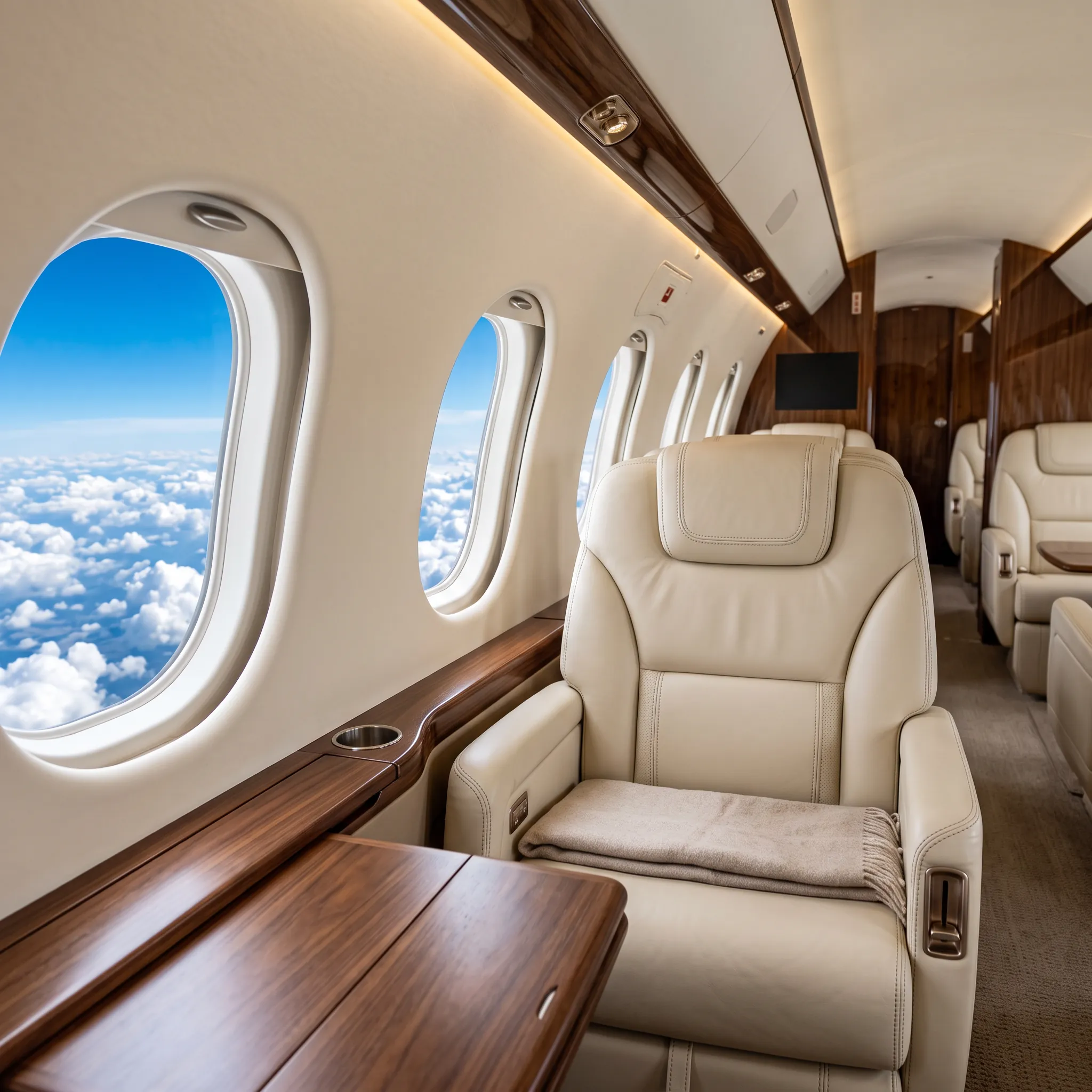
Cabin comfort sells jets just as much as range charts do. Gulfstream engineered both aircraft with a cabin altitude of 4,850 feet at 51,000 feet, lower than most competitors, which translates to less fatigue on long legs. The circular fuselage cross-section, distinctive to Gulfstream’s larger jets, gives the cabin a rounded feel that maximizes headroom without the boxy proportions you get on some competing designs.
Owners also point to noise levels. A quieter cabin matters most on long transatlantic or transpacific legs, when passengers actually try to work or sleep. Combine that with the largest windows in the class, and the G500 and G600 cabins feel closer to a residence-like retreat than a vehicle.
What 400 Deliveries Means for the Charter and Resale Market
A fleet this size changes the calculus for charter operators and fractional programs. More aircraft in service means more liquidity in the used market, which historically keeps residual values healthier for owners looking to trade up or exit. It also means charter brokers have deeper access to both types, giving clients more availability during peak booking periods without settling for a smaller cabin.
Fractional providers have leaned into shared-type families like the G500/G600 because of the training and maintenance savings that come with a common cockpit and parts pool. Expect that logic to keep pulling more G500s and G600s into fractional and charter fleets as the installed base grows.
Looking Ahead
Gulfstream isn’t slowing production. With the flagship G700 now in owners’ hands and the G800 following close behind, the G500 and G600 have settled into a stable role as the workhorses of the lineup. The more interesting question isn’t when the combined fleet hits 500 units; it’s whether Gulfstream can hold its current delivery cadence while ramping G700 and G800 production simultaneously. Split factory attention across four active large-cabin programs, and the G500/G600 line becomes a test of whether Gulfstream’s shared-platform strategy scales as well on the production floor as it does in the cockpit.