
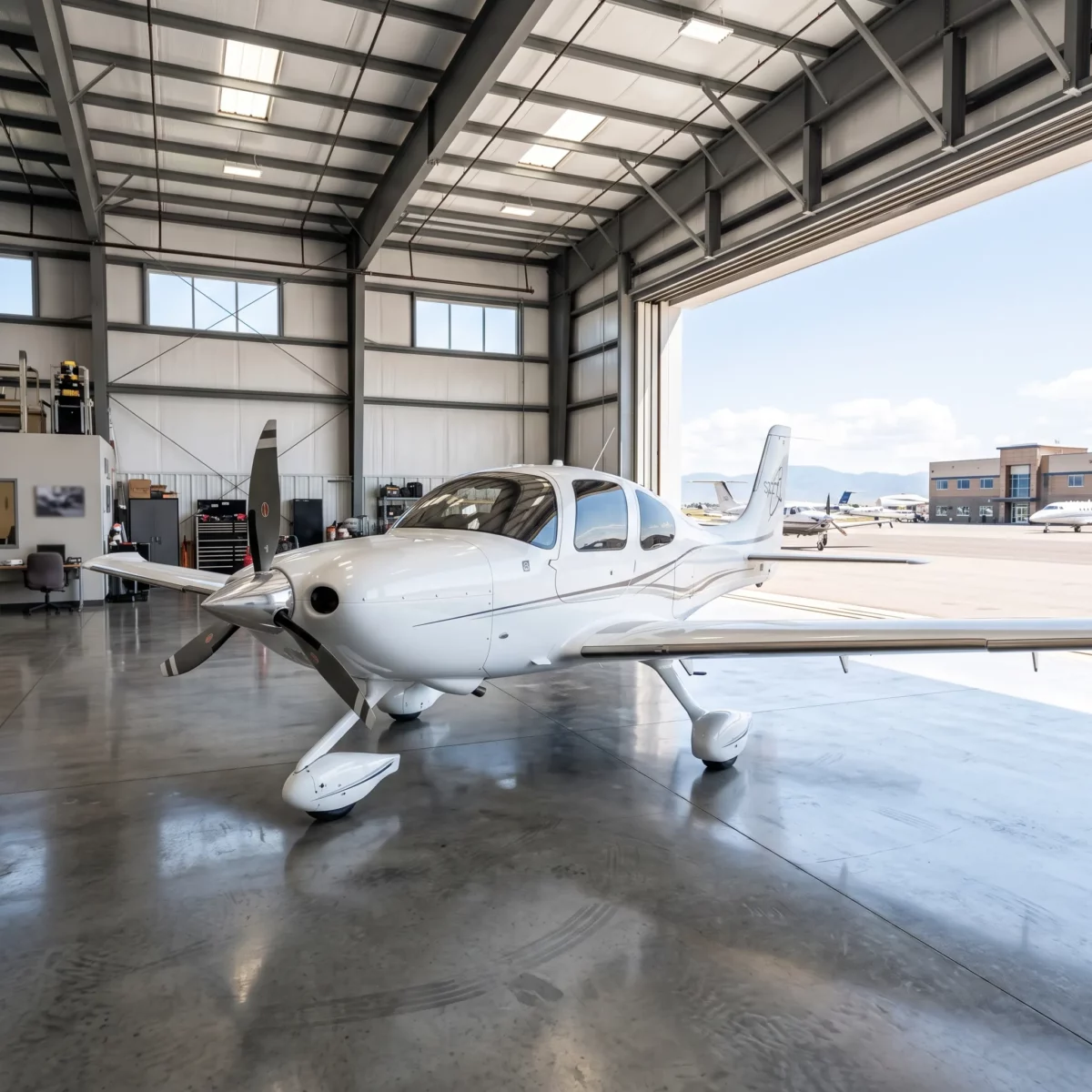
Rain delays usually mean bad news for tournament golf. For Maverick McNealy, a soggy afternoon at the 2021 3M Open turned into something else entirely: the moment he decided to become a pilot.
Five years later, the Stanford graduate and veteran PGA Tour pro flies himself around the country in a Cirrus SR22T G7, and he says it’s changed how he thinks about his career and his family life. In a sport where the schedule rarely lets up, McNealy has found something a lot of traveling professionals chase and rarely catch: control over his own time.
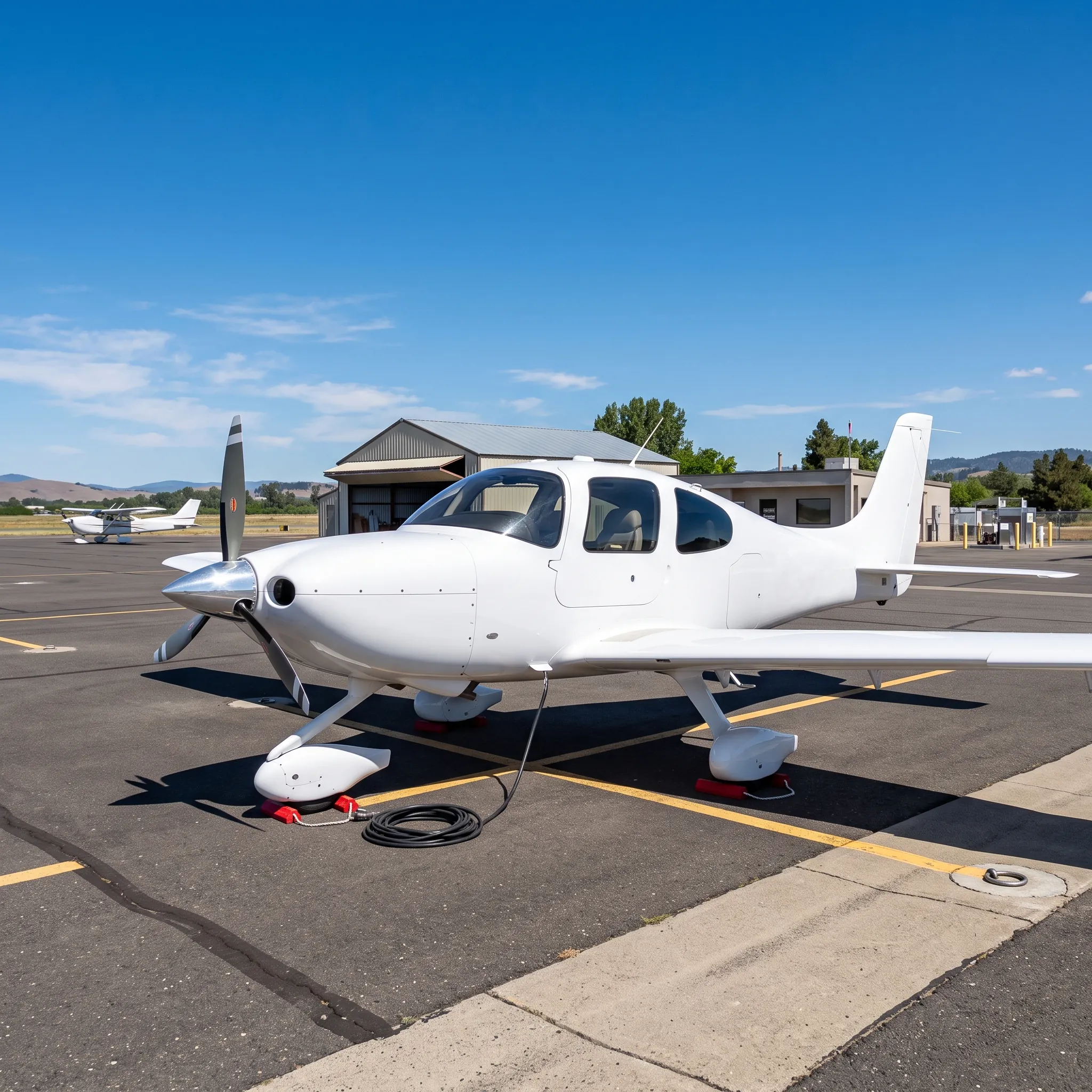
From Rain Delay to Rating
McNealy didn’t grow up around aviation the way some tour pros did. His path started with a recommendation to train through All In Aviation in Las Vegas, a flight school known for accelerated private pilot programs. That detail matters. Busy professionals often assume flight training requires months of open calendar space. It doesn’t, if you find the right program and commit to it in blocks.
What pulled McNealy toward flying wasn’t the novelty of it. It was the math. A four-and-a-half-hour drive between certain West Coast tour stops, say, to Palm Springs or Thermal, California, becomes a one-hour flight in the SR22T. A trip like that used to cost McNealy an entire travel day. Now it costs him an hour in the air and leaves him home in time for dinner.
Why the Cirrus Makes Sense for a Working Athlete
The SR22T isn’t the fastest or longest-range aircraft in personal aviation, and that’s sort of the point. It’s a single-engine piston aircraft built for exactly the kind of regional hopping McNealy needs: airport-to-airport trips inside a few hundred miles, flown by one pilot, without the overhead of a jet or the complexity of a crew.
- Cirrus Airframe Parachute System (CAPS): a whole-aircraft parachute that can bring the plane down safely in an emergency, a feature unique to Cirrus among mainstream piston aircraft
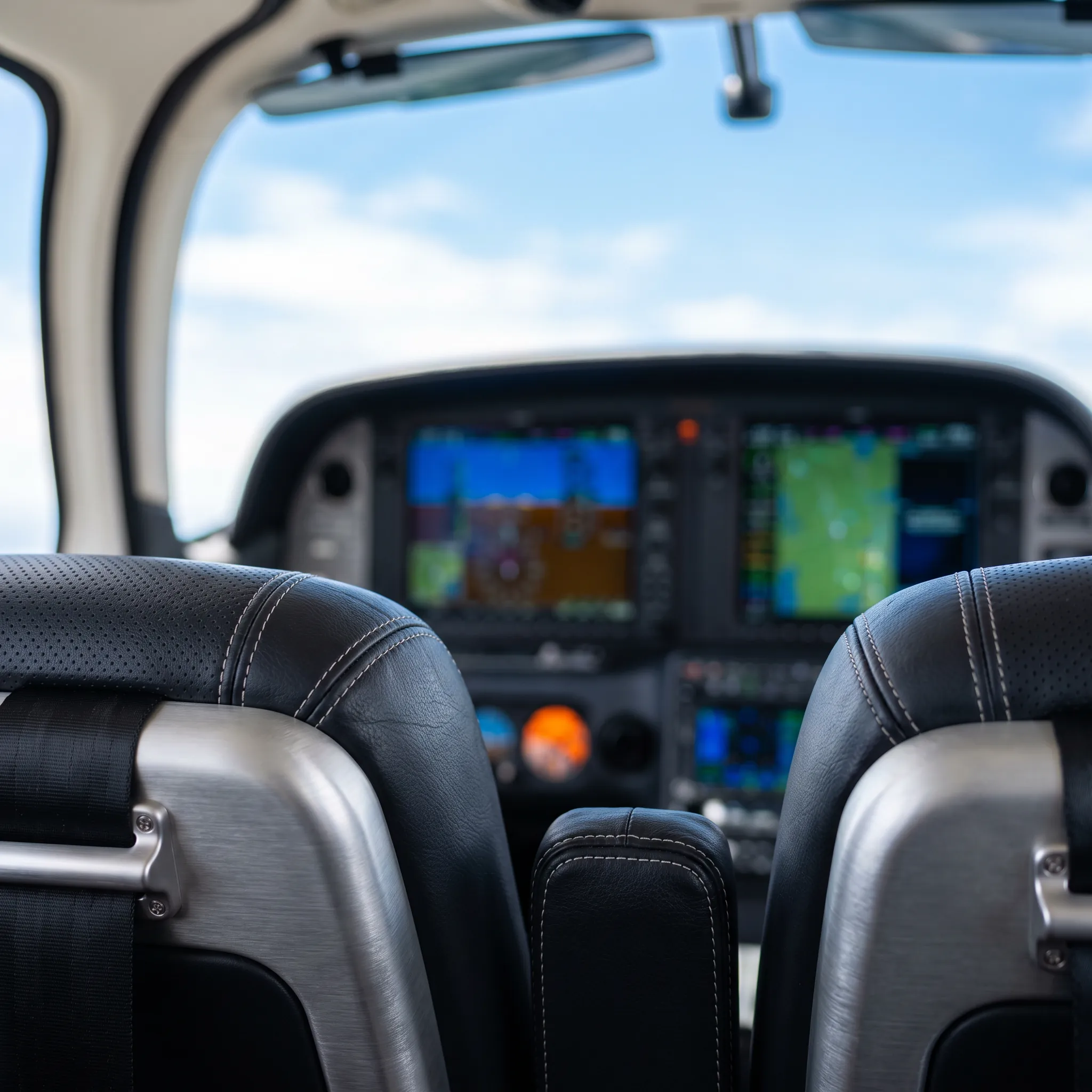
- Envelope protection and electronic stability: the Garmin Perspective+ avionics suite includes automatic level-flight assistance and stall protection designed to keep a single pilot out of trouble in degraded conditions
- G7 avionics suite: modern glass cockpit displays that reduce workload for a single pilot managing weather, traffic, and navigation alone
One important distinction: Cirrus’s autonomous emergency landing system, called Safe Return, lets an aircraft land itself if the pilot becomes incapacitated. That feature belongs to the jet-powered Vision Jet, not the piston SR22T McNealy flies. Single-pilot operations in the SR22T still carry real risk, and McNealy has been candid about how much weight he puts on the safety layers the aircraft does have. For someone whose livelihood depends on showing up rested and ready to compete, those layers of redundancy are the reason the whole arrangement works.
Buying Back Time, Not Just Speed
There’s a phrase that keeps surfacing when tour pros talk about personal aircraft: buying back time. Speed isn’t really the point — getting home is. McNealy isn’t just shaving hours off a commute. He’s converting travel days into home days, which for a father with a young daughter and a wife managing life around an unpredictable schedule, changes the entire rhythm of a season.
Commercial travel for tour pros often means driving to a regional airport, connecting through a hub, and losing half a day to layovers and rental cars, only to repeat it in reverse a few days later. Same-day return trips from tournament sites, the kind McNealy can now make in the Cirrus, simply aren’t realistic on commercial schedules. That flexibility is exactly why more athletes, executives, and frequent business travelers have gravitated toward personal aircraft ownership or fractional access over the past decade.
What This Signals for Everyday Fliers
McNealy’s story lines up with a broader pattern in private aviation: professionals with demanding, geographically scattered schedules increasingly see aircraft as productivity tools rather than status symbols. The comparison below shows how his regional trips stack up against the drive.
| Route Type | Drive Time | Cirrus SR22T Flight Time |
|---|---|---|
| Regional West Coast hop (e.g., Palm Springs area) | Approximately 4.5 hours | Approximately 1 hour |
| Same-day round trip feasibility | Difficult, often requires overnight | Realistic with margin for the day’s schedule |
| Airport access | Limited by traffic and highway routing | Access to smaller regional airports near tournament sites |
The airport access row is easy to overlook, but it may matter more than the time savings. Personal aircraft like the Cirrus can land at smaller general aviation airports that commercial flights, and even many charter jets, skip entirely. For a golfer chasing tee times across dozens of cities a year, that access alone can be worth more than raw speed.
A Broader Shift Among Athletes
McNealy joins a growing list of professional athletes who’ve earned pilot certificates to manage their own travel rather than depend on charter operators or team logistics. It’s a natural fit for golf specifically, where players control their own schedules and travel individually far more than in team sports. Some pros lean on jet cards or charter for longer legs and keep a personal aircraft for the shorter, high-frequency hops, a hybrid approach that mirrors how many business travelers structure their own private jet travel for business needs today.
For readers curious about entry points into personal flying beyond piston singles, Cirrus also makes the jet-powered Vision Jet, a step up in speed, range, and automation that’s worth understanding if the SR22T’s regional limits start to feel restrictive; our breakdown of the Cirrus Vision Jet’s new era in personal aviation covers that jump in detail, including the Safe Return autoland capability the SR22T doesn’t have.
What Comes Next
McNealy’s tour schedule doesn’t slow down for the winter, and neither will his flying. He’s already talked about penciling in more same-day returns next season, the kind of trip that used to mean packing an overnight bag and now just means a short hop home. The Cirrus in his hangar isn’t a toy. Cruising at roughly 213 knots, it lets him compete on Sunday and still make it home for his daughter’s bedtime on a Tuesday night he’d otherwise have spent in a rental car.