
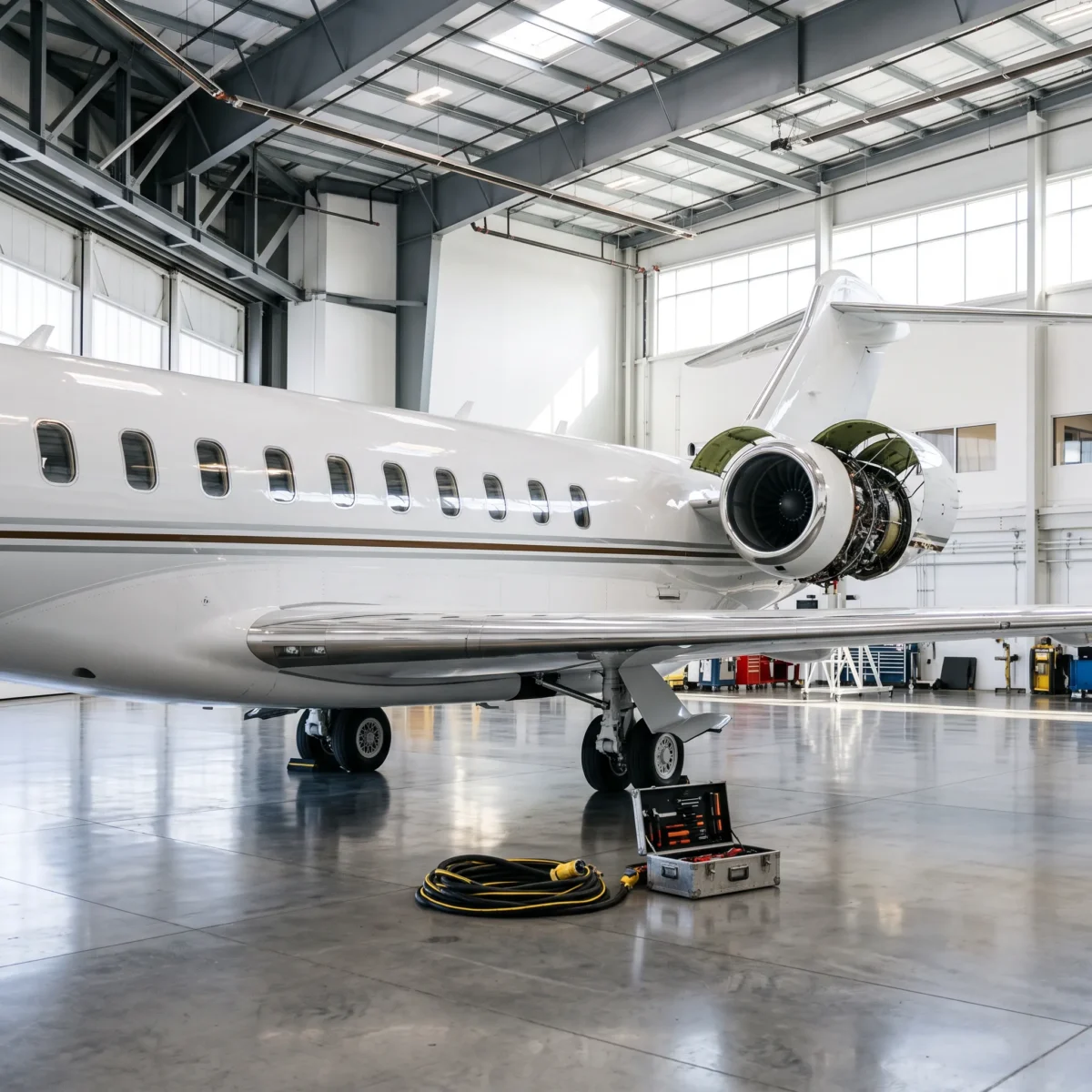
Bombardier plans to invest at least $270 million in the first phase of a U.S. expansion and to hire 800 workers across four states, only weeks after a trade dispute left the manufacturer facing threats of a market block and steep tariffs.
If you fly a Challenger or Global, or you’re waiting on one, here’s what the announcement means in practice. Some of it is clear today. The rest will show up over the next year.
What Bombardier Actually Announced
CEO Eric Martel says the hiring will span Kansas, Texas, Indiana, and Connecticut. Bombardier says about 500 of the 800 roles are open for recruitment now, while the remaining 300 are newly created positions, 150 of them in Texas.
The announcement follows a recent $50 million facility investment in Wichita. It also comes just ahead of the November opening of a 64,500-square-foot service center in Fort Wayne, Indiana.
The political backdrop drives much of the story. President Trump had floated blocking Bombardier from the U.S. market, applying 50 percent tariffs on Canadian-built aircraft, and decertifying its jets, in a dispute that reportedly centered on Canadian certification delays for American-made Gulfstream models. According to reports, he backed off after the two sides reached an agreement, and Bombardier points to the size of its U.S. footprint as part of its case.

The Numbers Behind the Standoff
Bombardier says its operations supported 27,200 U.S. jobs in 2025 and expects to pass 33,000 under current plans. The company also reports $2.8 billion flowing into supply chains across 47 states. These are the company’s own figures and we haven’t independently verified them.
Bombardier has not published a state-by-state split of the $270 million. The Wichita investment and the Fort Wayne center are earlier or related commitments, not confirmed slices of that total, and the allocation of the $270 million remains unspecified. What the company has disclosed so far looks like this:
| State | Commitment | Disclosed detail |
|---|---|---|
| Kansas | $50 million Wichita facility investment | Recent, earlier commitment; the expansion builds on it |
| Texas | 150 of the 300 newly created positions | Recruitment timing not specified |
| Indiana | 64,500-square-foot Fort Wayne service center | Opens in November |
| Connecticut | Share of the 800-person hiring plan | Role count not specified |
In our view, a footprint this size gives Bombardier real leverage. A manufacturer supporting tens of thousands of American jobs is a difficult one to shut out.
What It Means for Production and Deliveries
Most Challenger and Global aircraft are still built in Canada, and nothing in this announcement moves final assembly. The hiring appears aimed at service and supply chain work, so a buyer shouldn’t expect a delivery slot to jump forward because of it.
The more immediate change is lower risk. The tariff threat applied to Canadian-built aircraft sold into the U.S., and a 50 percent levy on a jet worth tens of millions of dollars would have upended the economics of those purchases. With that threat set aside for now, buyers have one less reason to hold off on signing, though Bombardier has not reported any order changes. For a sense of how the Global 8000 is performing, see its LA to London speed record.
The Real Payoff Is Maintenance
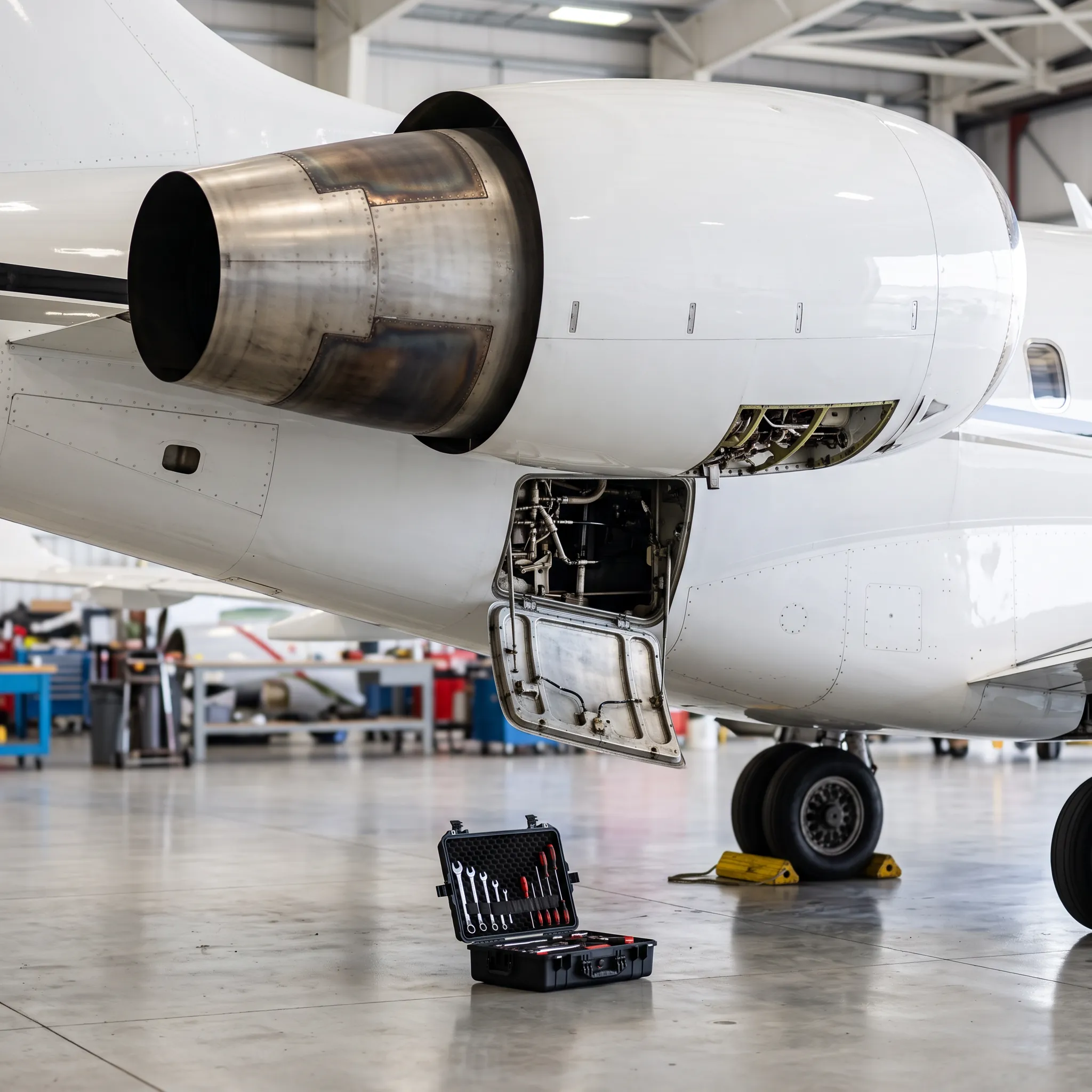
Owners will feel this in the hangar. The Fort Wayne center adds 64,500 square feet of space, which should relieve pressure on the wider service network, and the added technicians put more hands on both scheduled inspections and unplanned repairs. Bombardier hasn’t yet said which aircraft types or work scopes Fort Wayne will handle, so ask your service representative which checks will be available there. Wichita, for its part, is the home of Bombardier’s Learjet heritage and remains a key site for its business-jet work.
Why Hangar Capacity Matters to Your Bottom Line
An aircraft stuck in a service queue can’t fly, and a charter operator can’t earn from it, so a multi-week wait for a hangar slot translates directly into lost revenue or a borrowed aircraft. Operators running older workhorses, such as the Challenger 604, tend to lean on nearby service heavily, since aging airframes generally need more frequent inspections.
Texas is a major private aviation market, and the 150 new jobs there add support for owners in the region, though Bombardier hasn’t said whether those roles are technicians, parts staff, or customer support. Parts availability and turnaround times are the numbers to track. They will show whether the investment works.
The Competitive Angle
The expansion also bears on the rivalry with Gulfstream, since the certification dispute that triggered the threats grew out of that competition. If you’re weighing the two brands, our comparison of Gulfstream versus Bombardier on range is a good place to start.
Gulfstream has not commented publicly on the announcement. The certification question itself is still unresolved: the reported agreement cooled the threats, but we haven’t seen details on how Canadian approvals for Gulfstream models will be handled.
What Comes Next
Bombardier called this the initial phase, which points to more investment ahead. The near-term markers are the Fort Wayne opening in November, how fast the 800 roles fill, and whether service wait times shrink.
Our take: the hiring numbers are welcome, but turnaround times are the only figure that matters to owners. Once Fort Wayne opens, compare its first-quarter turnaround times against your current shop.