
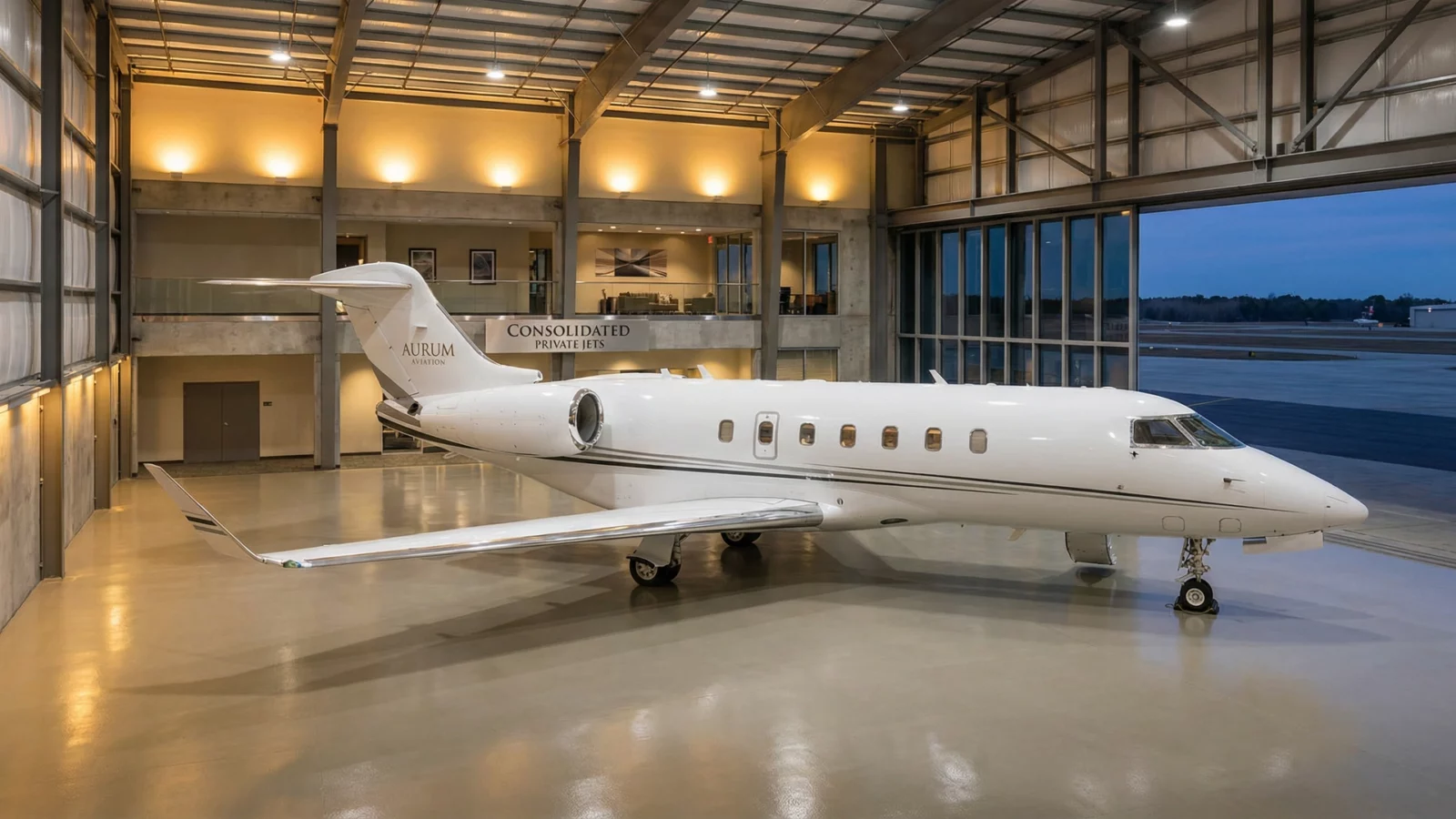
The Air Partner brand is disappearing from U.S. private aviation. Wheels Up has folded Air Partner’s domestic private jet and group charter operations into its primary brand, effective immediately. For the customers who’ve been flying under the Air Partner name since the $107 million acquisition in 2022, this marks a fundamental shift in how they’ll access and book private flights.
This consolidation is not just corporate housekeeping. It signals Wheels Up’s latest attempt to stabilize its financial footing and deliver on the promise of integration with Delta Air Lines, which backed the company. The move comes after Wheels Up divested several secondary business units last August, suggesting a focused strategy on core operations and profitability.
What Changes for Current Air Partner Customers
If you hold an Air Partner jet card or have been booking charters through their U.S. operation, your immediate experience shifts to the Wheels Up platform. The separate sales teams, marketing channels, and backend systems are merging under CEO George Mattson and Chief Sales Officer Mark Briffa. Your single point of contact becomes a Wheels Up representative, not an Air Partner one.
Here’s what stays the same for now. The European jet card program continues unchanged. If you’re flying internationally through Air Partner’s UK or European operations, nothing shifts immediately. Those markets will transition in coming months, though Wheels Up has not specified exactly when. Cargo services retain the Air Partner brand entirely, at least for the foreseeable future.
The Delta Connection Becomes Real
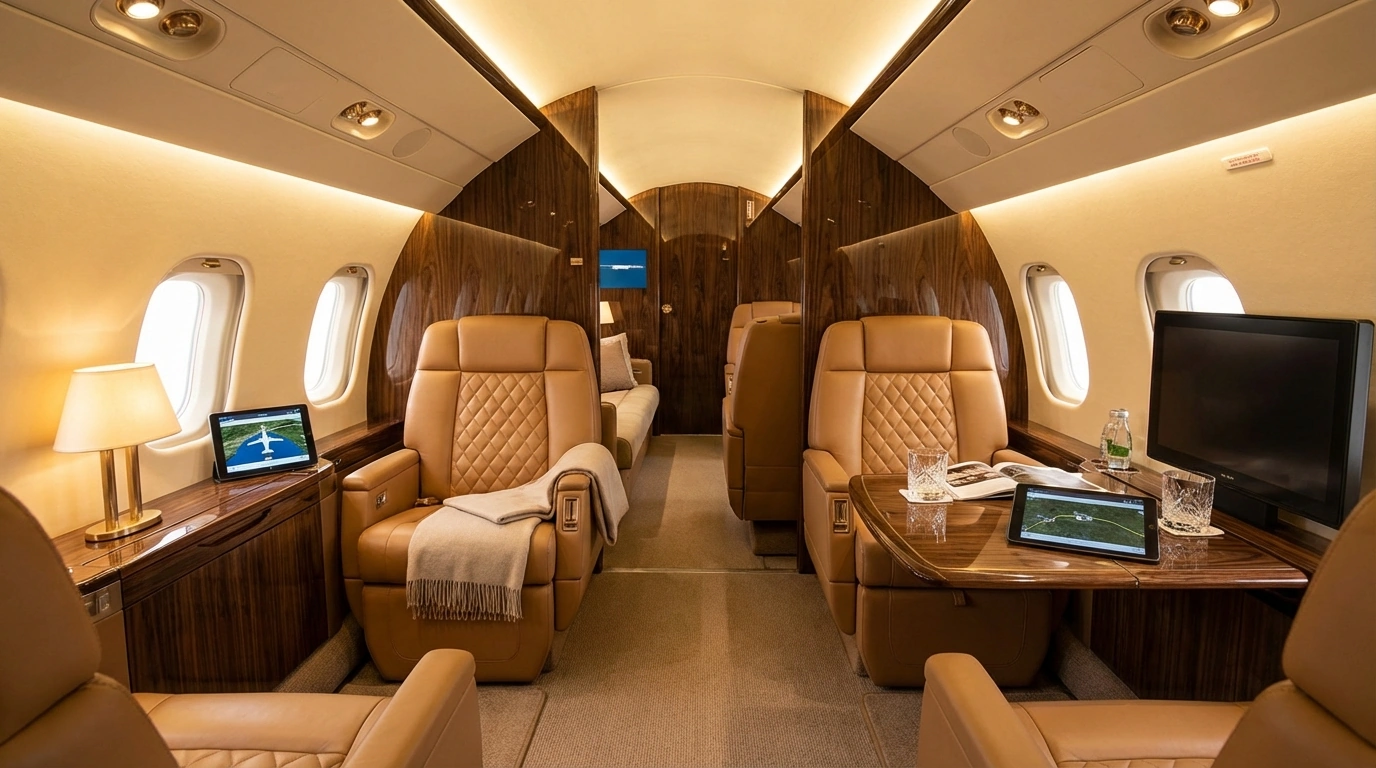
This reorganization finally activates the Delta Air Lines partnership in a meaningful way. Wheels Up is aligning its regional structure with Delta’s corporate account framework. That means customers can theoretically access jet cards, ad hoc charters, and hybrid private-commercial itineraries through one sales relationship.
Think about what that actually delivers. You need to fly eight executives to a conference in Europe. Three go commercial through Delta for schedule convenience. Five take a chartered aircraft for timing flexibility. Previously, that required coordinating two separate bookings through different systems. Now it’s one conversation with one account team.
Whether Wheels Up can execute this seamlessly remains the question. Integration promises always sound better than integration reality. The systems, dispatch operations, and crew scheduling all need to function without friction. Air Partner brought 65 years of operational heritage. That institutional knowledge either transfers successfully or evaporates during consolidation.
The Profitability Question Nobody’s Answering
Let’s address the underlying issue. Wheels Up has struggled financially. The company’s debt load and operational costs have been public knowledge for anyone following business aviation closely. This consolidation is fundamentally about cost reduction and margin improvement.
Running parallel sales organizations, separate marketing budgets, and duplicate backend systems costs real money. Folding everything under one brand eliminates that duplication. The question is whether the cost savings offset any revenue loss from customers who preferred Air Partner’s boutique approach and white-glove service reputation.
Some operators thrive on being smaller and more personalized. Air Partner built its brand on bespoke charter solutions and group travel expertise. Wheels Up operates at scale with a membership model. Those are different value propositions. Combining them means some customers will be thrilled by expanded options. Others will miss what they perceive as more attentive service.
What Comes Next in Private Aviation Consolidation
This integration reflects a broader industry trend. Private aviation saw explosive investment and expansion during the pandemic. Now the market is contracting and consolidating. Operators are choosing between scale and specialization. Wheels Up is clearly betting on scale.
Watch how competitors respond. NetJets, Flexjet, and VistaJet are all evaluating their own positioning. If Wheels Up successfully delivers integrated private-commercial solutions through the Delta partnership, others will pursue similar airline alliances. If the integration stumbles, expect competitors to emphasize their focused expertise and service consistency.
For Air Partner loyalists flying in the U.S., the practical advice is straightforward. Evaluate your first few trips under the Wheels Up banner carefully. Does the service level match what you experienced before? Is dispatch responsiveness the same? Do your account representatives understand your preferences and travel patterns? If the transition is smooth, you gain access to a larger fleet and potentially better pricing through Wheels Up’s scale. If it’s rocky, you have options. The charter market remains competitive, and other operators would welcome your business.
The international transition will be telling. If Wheels Up handles the U.S. integration well, the UK and European markets will follow the same playbook. If customers push back or operational issues emerge, expect the company to slow or modify its approach abroad. Either way, the Air Partner name that represented 65 years of aviation expertise is fading from view, absorbed into a larger vision of unified, solutions-based private aviation.