
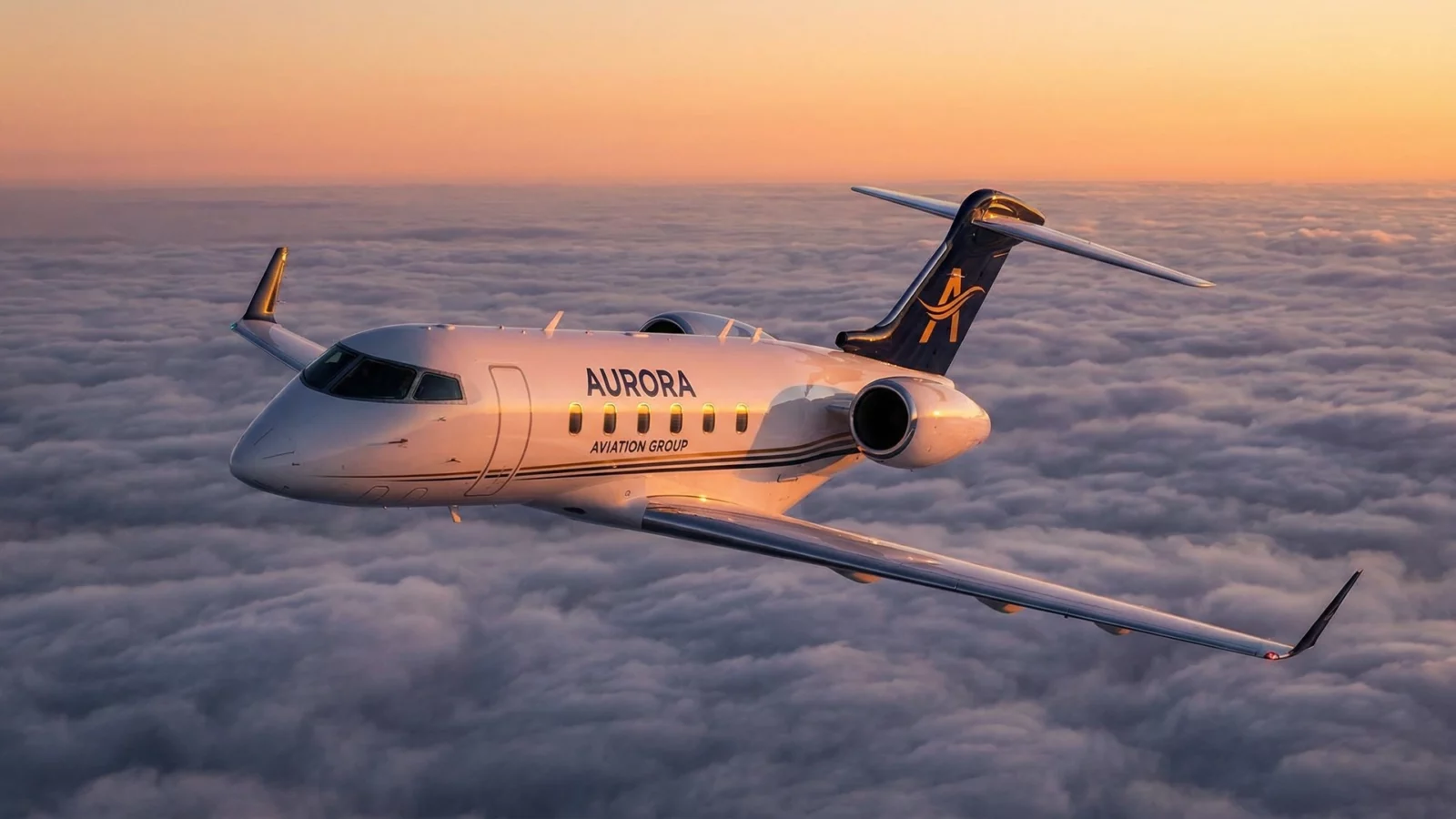
Wheels Up just converted ten aircraft into $105 million in cash. The membership-based private aviation company announced a sale-leaseback agreement covering Challenger 300s and Phenom 300s. The company says the capital will fund future expansion. But the real story is more nuanced than a simple growth announcement.
Sale-leaseback transactions are common in aviation. Airlines and operators use them to unlock capital tied up in aircraft while maintaining operational control. You sell the plane to a lessor, then lease it back and keep flying it. It’s a financing tool, not an operational change. The question for Wheels Up members is what this move signals about the company’s trajectory heading into 2026.

The Mechanics Behind the Deal
Sale-leaseback agreements are straightforward in concept. Wheels Up sold ten aircraft from its fleet to a leasing company. Those same aircraft remain in service under Wheels Up’s livery, flying the same routes, serving the same members. The difference is on the balance sheet. Wheels Up now has $105 million in liquid capital and ongoing lease obligations instead of owned assets.
The aircraft involved tell their own story. Challenger 300s serve as the backbone of Wheels Up’s super-midsize offering, seating up to nine passengers with transcontinental range. Phenom 300s anchor the light jet category, popular for shorter missions. These are core fleet aircraft, not peripheral assets. That matters. It shows Wheels Up is monetizing proven, high-utilization aircraft rather than clearing out underperforming inventory.
For context, $105 million represents significant liquidity for a membership operator. A new Challenger 300 lists around $27 million. A Phenom 300E runs about $10 million. The capital injection gives Wheels Up breathing room for fleet decisions, technology investments, or operational needs.
What Members Should Watch
If you hold a Wheels Up membership, your immediate experience won’t change. The same aircraft will respond to your booking requests. Flight quality remains constant. Crew assignments continue as before. Sale-leaseback deals are invisible to passengers in the short term.
The medium-term question is how Wheels Up deploys this capital. The company specifically earmarked the funds for expansion. That could mean several things. New aircraft acquisitions to reduce empty legs and improve availability. Technology platform improvements to streamline booking and scheduling. Geographic expansion into new markets where member demand justifies additional bases.

Member reliability hinges on fleet size and utilization rates. If Wheels Up uses this capital to add strategically chosen aircraft in high-demand markets, availability improves. If the funds address other business needs, the fleet equation stays unchanged. The company’s next moves will reveal the strategy.
The Competitive Context
Wheels Up operates in a brutally competitive market. NetJets dominates the fractional space with fleet scale and Berkshire Hathaway backing. Flexjet and VistaJet compete with global reach and newer aircraft. Boutique operators and on-demand charter apps nibble at the edges. Every player fights for the same pool of travelers who fly 50 to 200 hours annually.
The membership model requires constant balancing. Too few aircraft, and availability suffers during peak periods. Too many, and unutilized assets drain profitability. Sale-leaseback deals shift this equation. They reduce the capital intensity of fleet expansion while increasing fixed lease costs. It’s a bet on sustained demand growth.
Industry Signals Worth Noting
Private aviation financing has evolved dramatically over the past decade. Traditional bank loans, operating leases, and now sale-leasebacks give operators flexible capital structures. The shift reflects both opportunity and pressure in the membership market.
Post-pandemic demand surged as new clients discovered private aviation. Many operators expanded rapidly to capture that demand. Now the market is normalizing. Some of that surge has proven temporary. Operators need capital efficiency to weather the adjustment without sacrificing service quality.
Wheels Up’s decision to pursue sale-leaseback financing rather than traditional debt or equity suggests specific strategic priorities. It preserves ownership structure, avoids dilution, and provides immediate liquidity. For a company that has navigated leadership changes and market volatility in recent years, financial flexibility matters.
Looking Ahead to 2026
The test comes in execution. Wheels Up now has capital to deploy. The choices made over the next 12 to 18 months will define member experience in 2026 and beyond. Smart fleet additions in high-demand corridors could reduce wait times and improve dispatch reliability. Investments in predictive maintenance and operational technology could cut cancelations and delays.
For prospective members evaluating Wheels Up against competitors, this deal provides a data point. It shows a company actively managing its capital structure and planning for growth. It also highlights the financial complexity of membership-based private aviation. These companies require substantial ongoing capital to maintain and expand fleets that meet member expectations.
Current members should monitor service metrics. Availability during peak travel periods. Aircraft condition and cabin updates. Response times for booking requests. These indicators will show whether the capital influx translates to operational improvements. If member experience metrics improve over the next year, the sale-leaseback deal will have proven its value beyond the balance sheet.
The broader private aviation market continues consolidating around a few well-capitalized players. This transaction positions Wheels Up to compete in that environment. Whether it thrives depends on how effectively it converts $105 million in liquidity into tangible member value. That story will unfold throughout 2025 and into 2026.