

If you’re a VistaJet or XO member, your next flight just got more predictable. Vista Global announced an order for 40 Bombardier Challenger 3500s, with options for 120 more. Deliveries start immediately in 2026 and will phase in over the next decade.
This marks Vista’s first major aircraft order since April 2021. The timing matters. After securing $1.3 billion in financing last year and selling off its Citation X fleet, the company is betting big on fleet standardization. For members, this translates to something simple but valuable: consistent aircraft across the network.
The Standardization Play
Vista operates globally. The company covers 96% of the world’s countries. That scale creates complexity. Different aircraft types mean different cabin experiences, different maintenance schedules, and different operational quirks. The Challenger 3500 order consolidates Vista’s super-midsize operations onto a single platform.
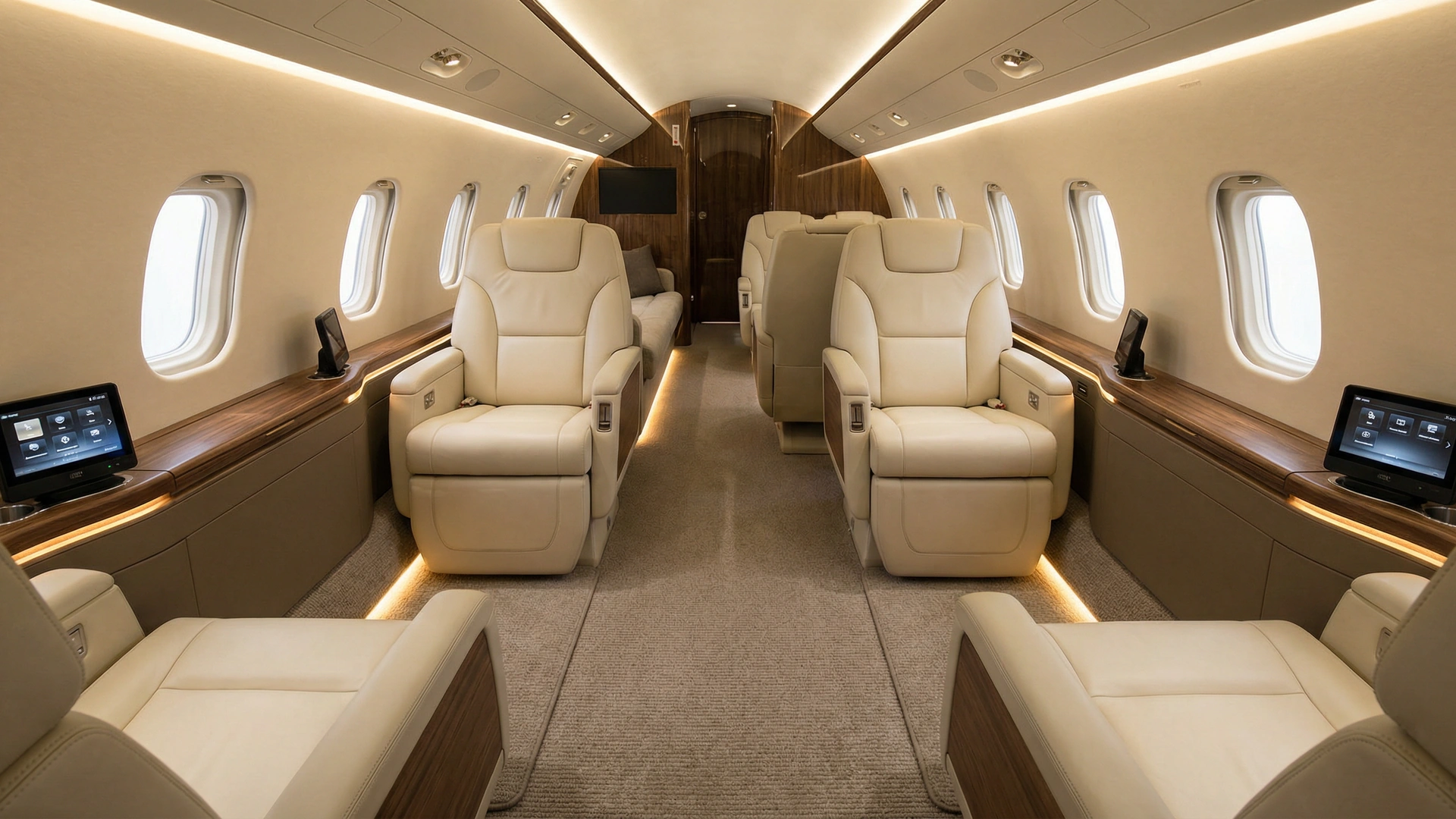
Chairman Thomas Flohr pointed to the aircraft’s reliability and cabin technology as deciding factors. The Challenger 3500 features voice-controlled systems and what Bombardier calls zero-gravity seating. These aren’t marketing gimmicks. Voice control means fewer interruptions when you need to adjust cabin settings. The seating system reduces fatigue on longer flights.
But the real advantage? Operational efficiency. When your entire super-midsize fleet shares parts, training, and systems, planes spend less time on the ground. That means better availability during peak travel periods.
What Members Actually Notice
Walk onto any Vista super-midsize jet over the next decade, and you’ll know exactly what to expect. Same cabin layout. Same technology. Same seat controls. For frequent flyers, that familiarity matters. You stop thinking about the aircraft and focus on your work or relaxation.
Younger aircraft also break less often. The current order ensures Vista’s super-midsize fleet stays fresh. No more hoping you don’t get stuck with an older aircraft that’s more likely to face maintenance delays.

The Numbers Behind the Growth
Vista isn’t expanding on speculation. The company reported strong 2025 performance. Its program member base grew 12%. Live flight hours jumped 16% year over year. Those aren’t small increases in a mature market.
The geographic spread tells an interesting story. While the US and Europe remain Vista’s largest markets, emerging regions showed remarkable growth. Flight hours in the Middle East increased 32%. Africa saw 30% growth. That kind of expansion requires aircraft positioned globally, not just concentrated in traditional markets.
Vista currently ranks third in the US for charter and fractional flight hours. This order signals the company’s intention to maintain or improve that position. With 160 potential aircraft in the pipeline, Vista is securing long-term capacity while competitors face delivery delays on new orders.
Market Timing and Headwinds
The Challenger 3500 is built in Canada. That creates a potential complication. Proposed US tariffs on Canadian aircraft could affect pricing. Vista is locking in its order now, which may help insulate the company from future trade disputes.
The super-midsize segment makes sense for Vista’s business model. These aircraft offer transcontinental US range and can handle transatlantic flights with favorable winds. They’re large enough for serious business travel but efficient enough to operate profitably on shorter routes.
Bombardier CEO Eric Martel called the deal a validation of the Challenger 3500’s position in the market. For Bombardier, this order provides production visibility for years. For Vista, it locks in pricing and delivery slots that might not be available if demand continues rising.
What This Signals
Fleet orders of this scale don’t happen on impulse. Vista’s leadership clearly believes premium private aviation demand will continue growing over the next decade. The company is backing that belief with billions in aircraft commitments.
For members, the message is straightforward. Vista is investing in availability, consistency, and newer aircraft. If you’ve ever faced limited options during peak travel periods, you understand why that matters. The difference between a program that can deliver an aircraft when you need it and one that leaves you scrambling is worth more than any hourly rate discount.
The Challenger 3500 fleet will roll out gradually. Early deliveries start in 2026. The full order could take a decade to complete. That’s a measured approach, allowing Vista to match fleet growth to member demand without overextending.