

Free, fast Wi-Fi at 45,000 feet had a good run. Starlink is reportedly planning a price increase for aviation customers this summer, and the hike appears steep enough that operators across the charter and fractional world are already recalculating what connectivity costs them per flight hour. If you’ve gotten used to streaming a show or joining a video call somewhere over the Atlantic without a second thought, that convenience is about to carry a bigger price tag, even if you never see it broken out on your invoice.
This matters more than it sounds like it should. Connectivity has quietly become one of the top three things clients ask about when booking a charter flight, right alongside aircraft type and pet policy. So when the company powering most of that connectivity changes its pricing, the ripple effects reach into cabins, contracts, and marketing copy across the industry.

What’s Actually Changing
Starlink’s aviation pricing has always sat in a strange middle ground between consumer internet and enterprise infrastructure. Reports circulating among operators suggest the new structure would push monthly service fees higher and, in several tiers, add usage-based components that didn’t exist before. For an operator running a large fleet, that’s not a rounding error. It’s a real line item that shows up in the budget every month, whether the aircraft flies or sits in the hangar.
The timing lands awkwardly for an industry that spent the last three years quietly marketing Starlink as a free perk. Charter brokers built entire sales pitches around gate-to-gate connectivity that finally worked the way passengers expected it to. Reversing that expectation, even partially, is a delicate conversation.
Who Absorbs the Cost, and Who Passes It On
Operators appear to be splitting into two camps, and the split tells you something about their business models.
- Large fractional providers with fleet-wide scale are generally expected to absorb much of the increase for now, treating it as a cost of doing business rather than a fee to itemize. Their size gives them more leverage to negotiate bulk terms directly with Starlink, though no major fractional provider has issued a public statement confirming its approach.
- Independent charter operators running smaller fleets have less leverage. Many appear to be building the increase into hourly rates rather than listing it as a separate surcharge, since a visible “Wi-Fi fee” tends to draw complaints even when the number is small.
- Jet card programs sit somewhere in between. Some have sent notices to members about connectivity terms changing at renewal, while others are waiting to see how competitors handle it before making a move.
None of the major players want to be the first to advertise a per-flight Wi-Fi charge. That’s as much a marketing headache as a financial one. But margins in charter are thin enough that someone, eventually, pays for this.
Why This Happened Now
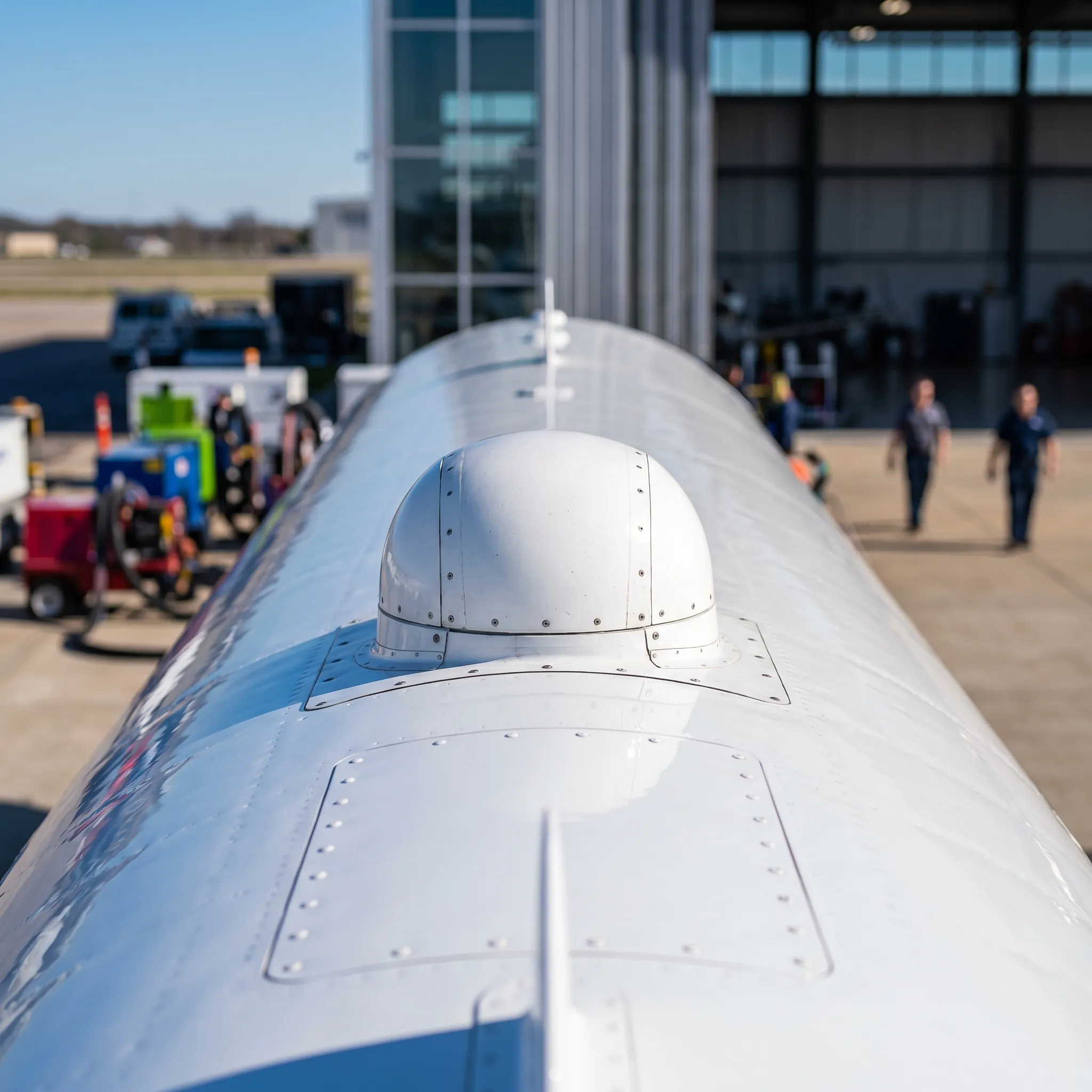
Starlink’s aviation division has grown fast. Thousands of business jets now carry the terminals, up from a relatively small install base just a few years ago. Rapid growth in demand, combined with the satellite constellation’s real bandwidth constraints, tends to invite price adjustments once a network hits scale. It’s the same pattern seen in other subscription-based infrastructure businesses. Early customers get an attractive rate to drive adoption. Once the network fills up and the value proposition is proven, prices climb toward what the market will actually bear.
There’s also a competitive angle worth watching. Gogo, Viasat, and other inflight connectivity providers have spent the last two years playing catch-up on speed. If Starlink pricing rises enough, some of that gap in perceived value starts to close, and operators locked into long-term Starlink contracts may start shopping around when renewal time comes.
What Owners and Frequent Flyers Should Watch For
- Check your jet card or charter contract for any connectivity clause tied to “market rate” adjustments. Some agreements allow operators to pass through cost increases without renegotiation.
- Ask your management company directly whether Wi-Fi costs are being absorbed into hourly rates or billed separately going forward.
- If you fly internationally often, confirm that coverage and pricing tiers remain consistent across regions. Some increases are steeper on routes outside North America.
The Bigger Picture for Private Aviation
Free high-speed Wi-Fi in the sky was always a bit of an anomaly. Commercial airlines still charge for it, often with connections that struggle above oceans. Private aviation got there first partly because early Starlink pricing made it cheap enough to give away as a differentiator. The technology didn’t get worse. The business model just grew up.
For most owners, the practical impact will be small and mostly invisible, folded into hourly rates or monthly management fees rather than showing up as a new charge. For operators, it’s a reminder that the connectivity arms race of the last few years came with a bill nobody had fully read yet. Expect more transparency around this cost over the next year, if only because clients will start asking why their rates crept up and operators will need an answer that isn’t just fuel prices.
The next renewal cycle will tell the real story. Owners renegotiating contracts this year should ask their provider directly whether connectivity is billed at a fixed rate or subject to change at renewal — and get the answer in writing before signing.