
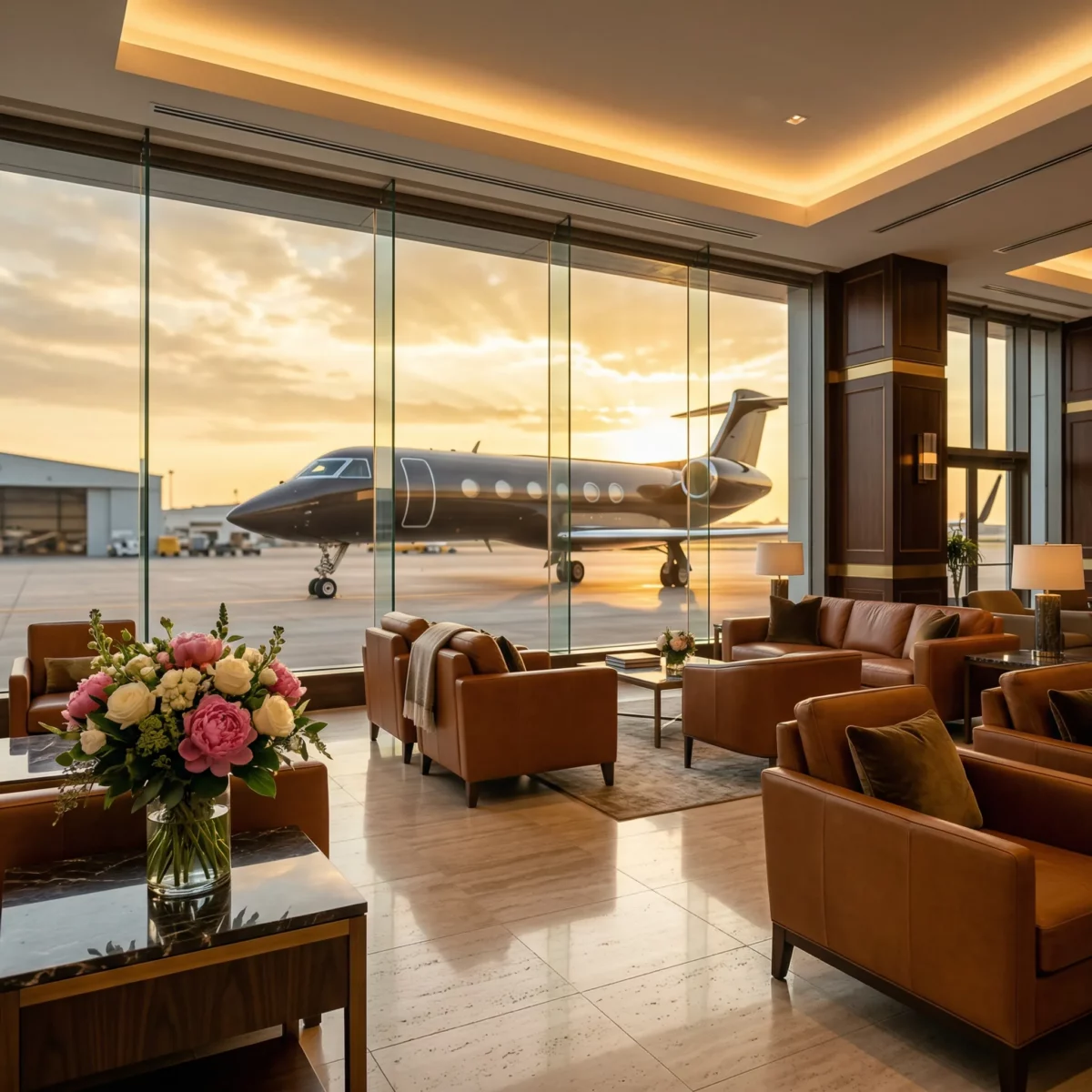
The high-stakes world of FBO competition is no longer being fought over fuel prices, but over five-star hospitality standards. The latest evidence: Platinum Business Aviation Centre on Queensland‘s Gold Coast has announced a partnership with Mondrian Gold Coast, bringing the hotel brand’s signature aesthetic and service philosophy directly into the fixed base operator. It’s a precise, strategic move with broad implications for the entire sector.
More Than a Nice Couch and Espresso
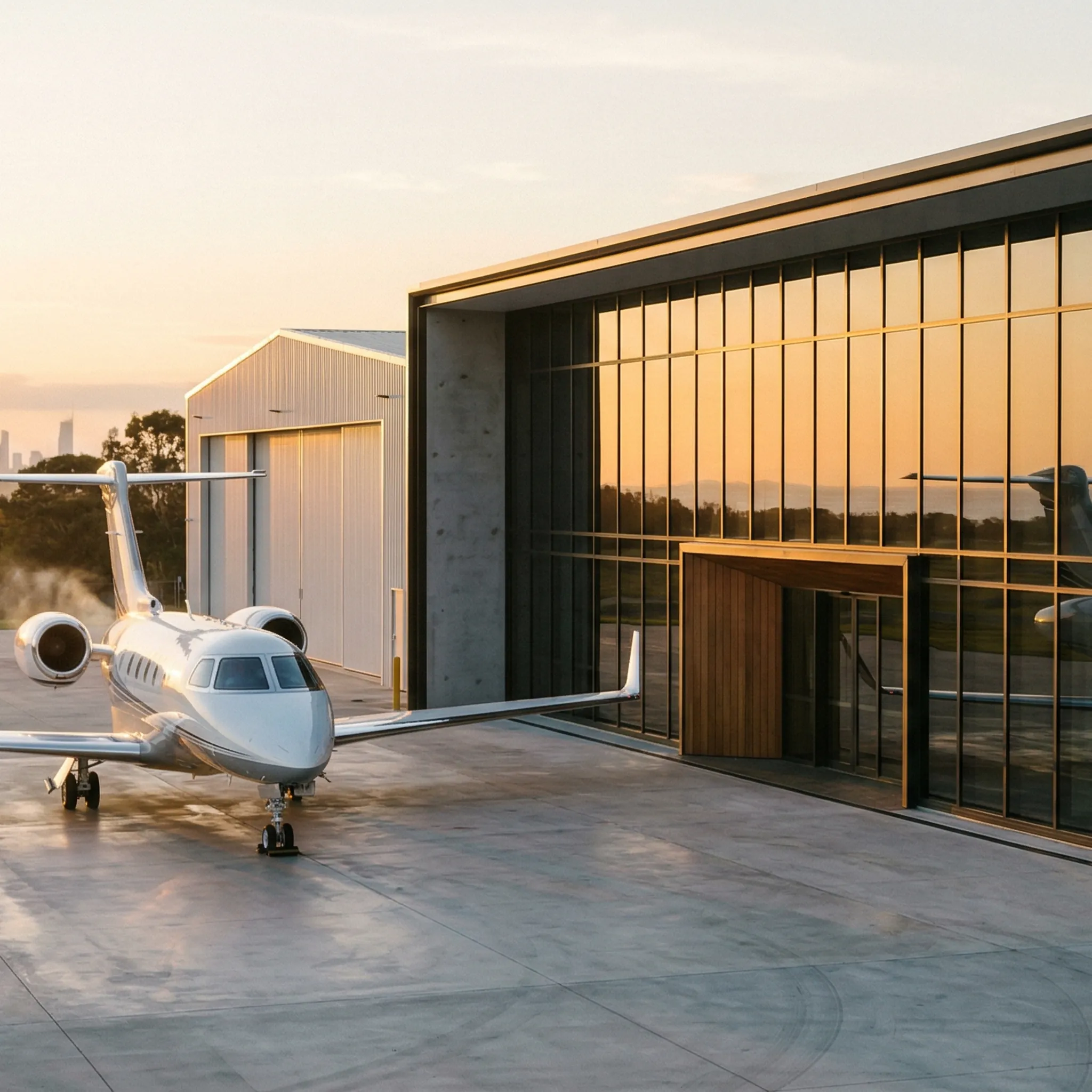
FBOs have always offered better experiences than commercial terminals. No security theater. No gate crowds. No indifferent gate agents. But for years, “better” meant a comfortable chair, decent coffee, and maybe a conference room with unreliable Wi-Fi.
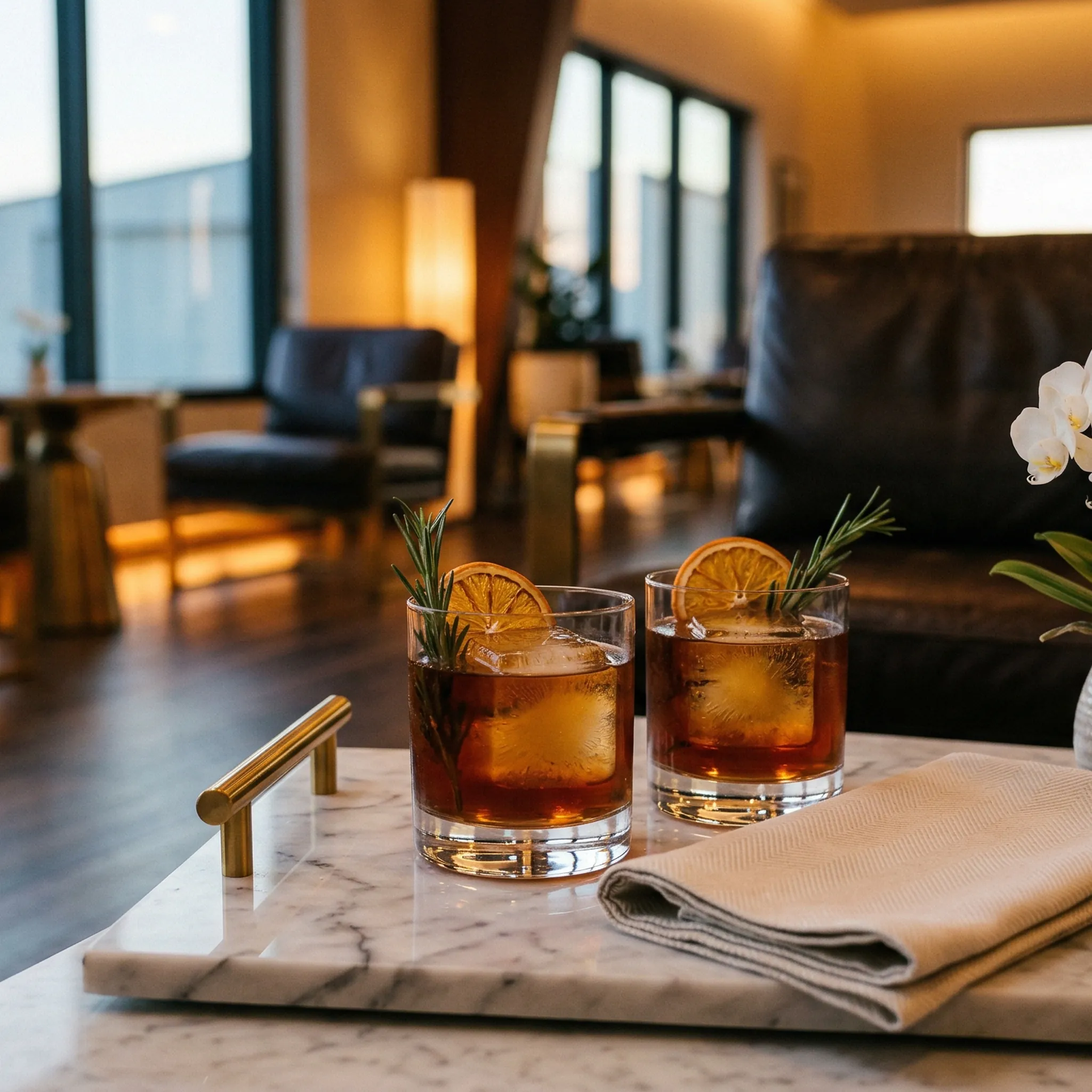
That standard is shifting fast. The Mondrian partnership at Platinum BAC isn’t just about putting a hotel logo on the door. It brings Mondrian‘s interior design team, curated amenities, and branded hospitality staff into the actual departure experience. Think signature scent diffused through the lounge, hotel-grade linens in the rest suites, cocktails pulled from the Mondrian drinks menu. The goal is for the lounge to feel indistinguishable from a luxury hotel lobby, because for many passengers, it’s the last touchpoint before wheels up.
For frequent private flyers, the appeal is immediate. You don’t want a generic lounge. You want an environment that matches the aircraft you’re about to board and the hotel you’re heading to. Continuity matters — and until now, it has rarely been delivered at the ground level.
The Trend Behind the Trend
Far from emerging in a vacuum, the Gold Coast partnership reflects a decade of private aviation playing catch-up with adjacent luxury sectors. Hospitality brands recognized long ago that experience architecture drives loyalty more effectively than traditional points programs — and now FBOs want their version of the same advantage.
A handful of precedents set the stage. At the network level, Signature Aviation upgraded several U.S. terminals with genuine restaurant partnerships and spa services. Wheels Up wove lounge experiences directly into its member model. Across Europe, meanwhile, some FBOs have long operated private dining rooms staffed by hotel-trained chefs. What’s genuinely new is the formalized brand partnership model — one where a named luxury property co-designs and co-operates the space from the ground up.
The advantages are tangible for both sides. The hotel extends its brand to a captive audience of exactly the travelers it wants to impress. Guests who spend an hour in a Mondrian-designed lounge are more likely to book Mondrian properties at their destination. The FBO gets a genuine differentiator in a market where competition for high-value clients is intensifying at every major hub.
What This Means for Passengers and Charter Operators
If you’re booking charter flights or managing travel for a family office, this shift is worth paying close attention to. Terminal experience is increasingly part of the conversation when clients evaluate operators. A few considerations worth knowing:
- Lounge access varies by operator relationship: Not every charter customer at a given FBO automatically gets access to the premium lounge. Confirm this when booking, especially for important client trips.
- Branded partnerships signal investment: An FBO willing to formalize a hotel partnership is investing in its long-term presence. That usually signals better overall facility management.
- Rest suites are genuinely useful for long trips: Arriving from a transatlantic flight, clearing customs, and waiting for a connecting departure? A proper rest suite beats a recliner tucked in a corner.
- Food quality has improved dramatically: Hotel-branded lounges bring professional kitchen operations. The difference between catered airport sandwiches and a Mondrian-curated menu is significant.
- Geographic expansion is coming: This model will spread to major business aviation hubs quickly. Expect announcements from FBOs in Dubai, Singapore, and key U.S. markets within 24 months.
The Door-to-Door Promise, Finally Fulfilled
Private aviation has always sold itself on the door-to-door experience. Seamless travel, from home to destination, with no friction points. The honest truth is that the FBO portion of the journey has sometimes been the weak link — defined by inconsistent facilities, variable service, and a transactional atmosphere that doesn’t match the cabin experience waiting on the ramp.
Hotel-branded lounges change that equation entirely. When a passenger transitions from a Mondrian lounge to a Gulfstream G650 cabin, the tonal continuity is unmistakable. Both environments reflect a specific standard of care and design intention. That coherence is harder to manufacture than it sounds.
For operators, this also raises the bar on crew briefings and departure coordination. Hotel-branded lounges typically have their own hospitality staff with specific service protocols. The best operators will integrate their flight crews with the lounge team to create genuinely coordinated departures — where the crew knows what the passenger ate, drank, and requested on the ground before they ever board.
What Comes Next
The Platinum BAC and Mondrian collaboration is an early iteration of something that will look quite different in five years. Expect deeper integrations: concierge services that span the full journey, room preferences from the hotel applied directly to aircraft configuration, even loyalty currency that transfers between the hotel stay and the flight. The technology to connect these systems already exists. It’s the commercial relationships that needed to catch up.
The financial stakes are substantial. Industry analysts project the premium FBO hospitality segment will attract upward of $500 million in branded investment over the next three years, as hotel groups recognize the strategic value of owning the pre-departure moment. Four Seasons, Aman, and several Marriott luxury verticals are understood to be evaluating formal FBO partnership structures across multiple markets. Early announcements are likely to target Dubai, Singapore, and high-density U.S. markets including Teterboro, Van Nuys, and Scottsdale — precisely the corridors where ultra-high-net-worth traveler density justifies the capital commitment.
For high-frequency private travelers, the practical advice is straightforward. When evaluating FBOs for regular routes, ask about hospitality partnerships. They’re increasingly a reliable signal of where a facility is headed, and what kind of ground experience you can realistically expect. The aircraft quality conversation is mature. The ground experience conversation is just getting started.