
JSX just bought a bankrupt airline for $3.1 million, and the airline itself barely matters. What matters is the certificate it carried.
The deal gives JSX a Part 121 operating certificate, the same FAA authority that major airlines fly under. For a carrier that built its brand on skipping the terminal crush, that is a quiet but significant step up. Here is what it could mean for anyone who wants private-jet convenience without a private-jet price.
What JSX Actually Bought
The seller was New Pacific Airlines, which filed for bankruptcy in January after several failed attempts at launching viable service. One of those attempts was a 2024 agreement with Private Jet Services Group involving two business-class Boeing 757s. None of it stuck.
According to a Department of Transportation filing first spotted by Ishrion Aviation, the transaction closed in August through New NPA Holdings LLC and then moved to JetSuiteX. JSX did not want the brand or the aircraft. It wanted the certificate, which takes years and serious money to earn from scratch.
Buying a dormant certificate is a known shortcut in the airline world, and at $3.1 million it costs far less than years of FAA certification work.

What Part 121 Changes for JSX’s Cabins
Today JSX sells public charters under Part 380, the DOT’s economic authority for public charter operations. The flying itself is done under FAA Part 135 rules, which limit JSX’s Embraer ERJ145 regional jets to 30 passenger seats. JSX’s private-terminal model comes from avoiding TSA-screened commercial gates, not from Part 135 itself, since Part 121 carriers can also use FBOs.
Under the plans described in the DOT filing, JSX would configure its ERJ145-LR jets with 42 seats instead of 30, which is 40 percent more seats on every departure. The ERJ145 is certified for up to 50 seats, so 42 is JSX’s planned configuration rather than a regulatory outcome. Part 121 would lift the 30-seat cap. JSX has not said whether the larger jets would be sold as public charters or as scheduled flights. Whether the 30-seat limit was actively holding JSX back is not something the filing states, so treat that as our reading rather than JSX’s claim.
| Feature | Part 135 today | Part 121 planned |
|---|---|---|
| Seats per ERJ145 | 30 | 42 (JSX plan; aircraft certified for up to 50) |
| Terminal access | Private terminals and hangars | Not announced; depends on JSX’s security program |
| Regulatory category | Flown under Part 135, sold as public charter under Part 380 | Flown under Part 121; sales model not announced |
More seats spread fixed costs across more tickets. That could give JSX room to price more competitively, though the company has not announced fares.
The East Coast Push
The timing fits JSX’s footprint. The carrier, which is based in the Dallas area, already links its home base with New York City and Florida. JSX has announced flights to Boston through Hanscom Field starting in February 2027, a much easier airport than Logan for anyone who values a short drive and a short walk to the aircraft.
The DOT filing says JSX expects a fleet of six regional jets under the new certificate within five months. No routes are named yet, but the Northeast and Florida corridors look like the likeliest first stops given demand for premium short-haul there.
Commercial carriers keep circling this space, as we covered in why airlines want a seat in private aviation. JSX is approaching from the opposite direction, borrowing airline authority while keeping the private terminal feel.
What Passengers Should Expect
JSX has not said what changes on board. Today regulars get:
- 20-minute check-in at private terminals
- Free Starlink Wi-Fi onboard
- Complimentary checked baggage
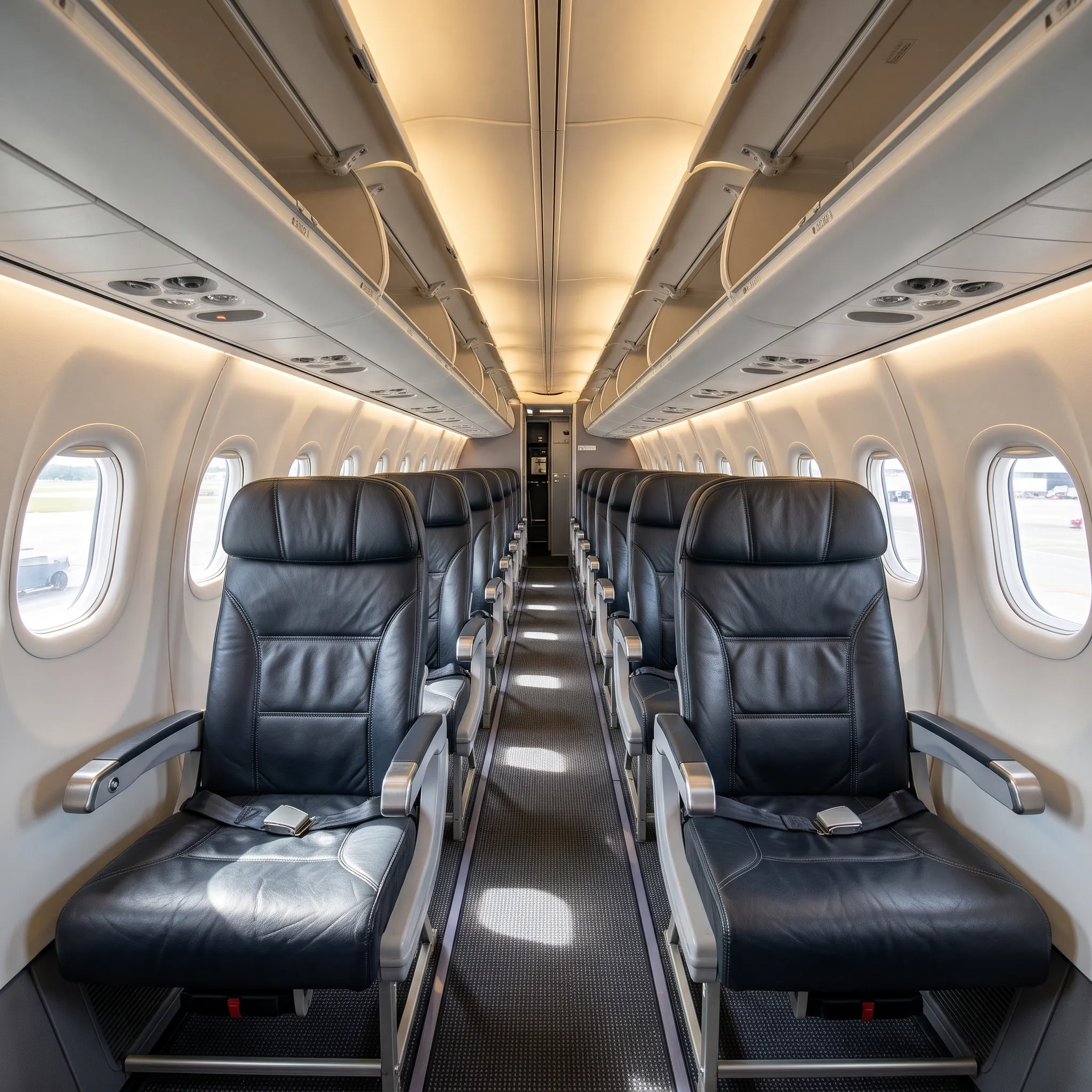
Going from 30 to 42 seats will likely mean tighter spacing on a narrow ERJ145 fuselage, though JSX has not published a seat pitch. If you fly JSX for the roomy, club-like feel, check how the new configuration is described before you book.
Regulators will expect more behind the scenes as well. Part 121 generally requires FAA-approved operations specifications, an in-house dispatch system, and more rigorous crew training and maintenance programs than commuter operations.
The Bigger Signal for Private Aviation
Semi-private travel sits between a first-class seat and a full business aviation charter, and JSX is betting many travelers want exactly that middle. A broader certificate suggests the model is working well enough to scale.
For traditional charter operators, the line between private aviation and premium scheduled service keeps blurring. An occasional flyer who would otherwise buy a jet card, which often starts around 25 hours, may find a fare in the hundreds of dollars makes more sense. Those who need a specific schedule or a larger group will still want a dedicated aircraft.
Two things will show how serious this challenge is: the fares JSX publishes for 42-seat flights, and whether it sells them as scheduled seats on routes where charter operators now earn their best margins. Operators should ask how many of their lighter-use clients would really notice the difference between a private terminal and a private cabin.