
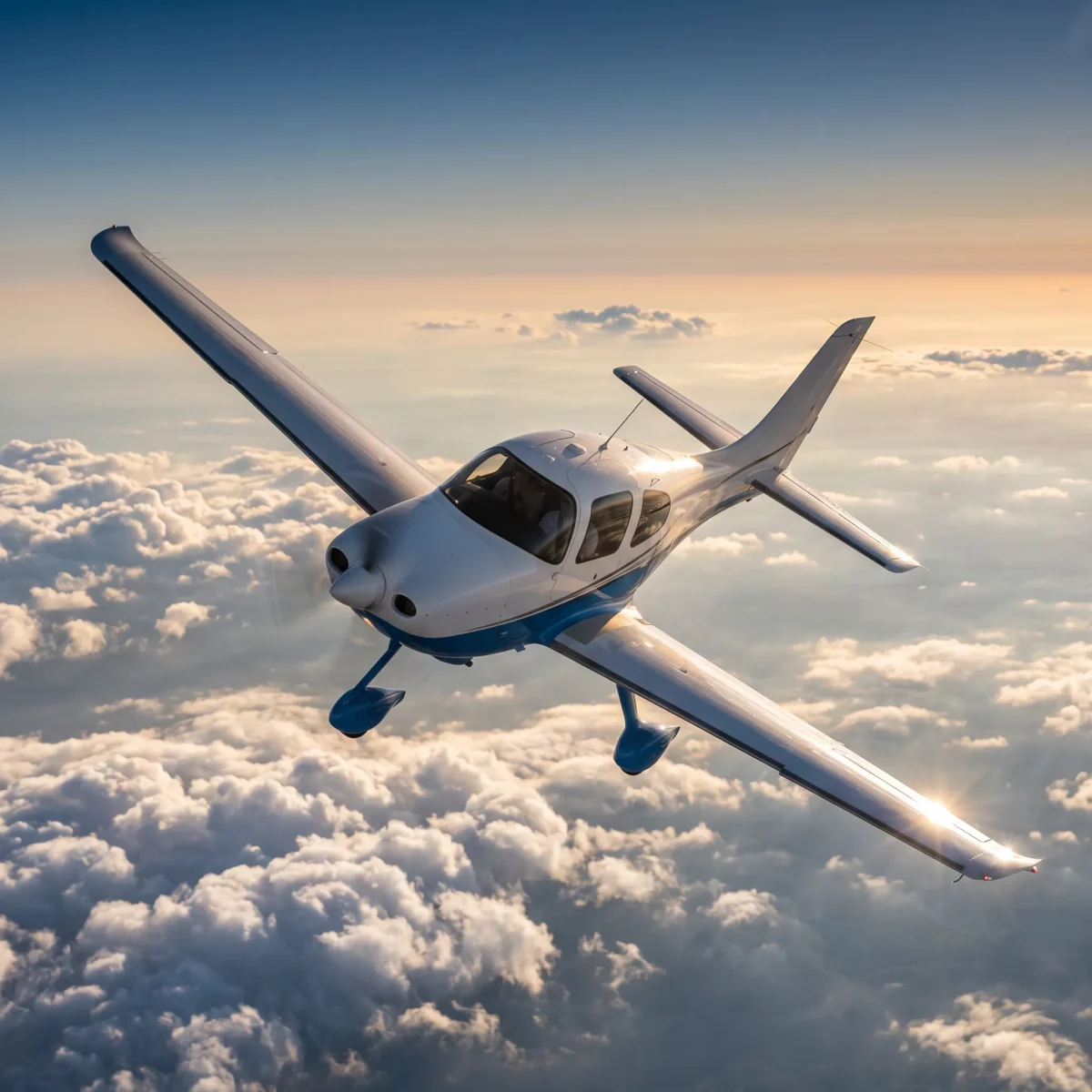
Most NFL quarterbacks charter a jet and sleep on the way to their next commitment. Joshua Dobbs is doing something different. He’s in the left seat, working the radios, filing flight plans, and making real decisions at altitude. For a player entering his tenth professional season, it’s a level of travel autonomy that goes well beyond what most private aviation clients ever pursue.
What makes Dobbs’ story genuinely interesting isn’t the celebrity angle. It’s the depth behind it. He holds a degree in aerospace engineering from the University of Tennessee. He interned at NASA. Aviation isn’t a hobby he picked up for Instagram content. It’s a field he’s studied, and now he’s finally operating inside it.
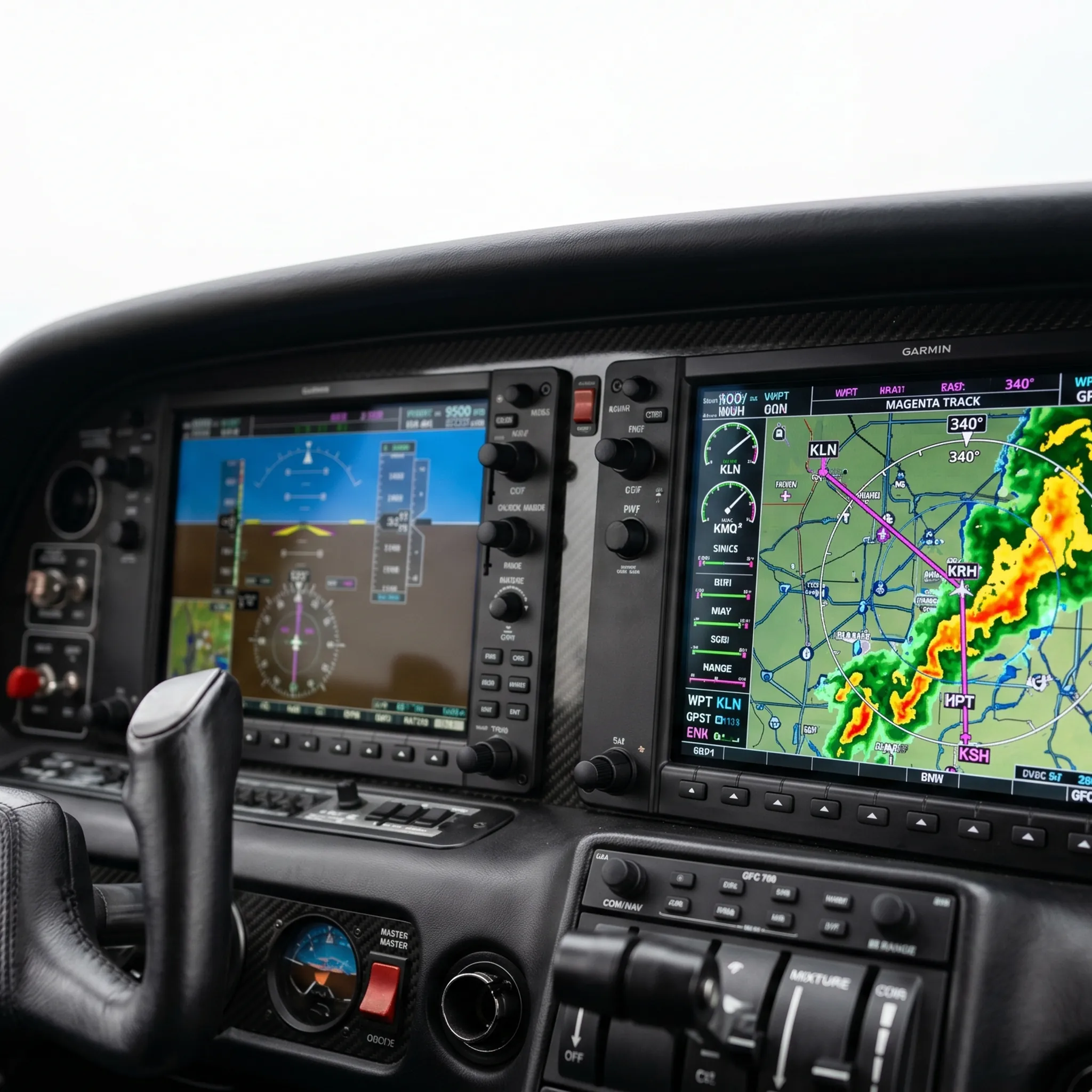
Why the Cirrus SR22
Dobbs started his formal training in spring 2024 at JATO Aviation in the San Francisco Bay Area before transitioning to Cirrus‘ training facility in McKinney, Texas. His aircraft of choice, the Cirrus SR22, isn’t a random pick for someone with his background. It’s arguably the most sophisticated single-engine piston aircraft on the market, and the safety architecture is unlike anything else in its class.
The feature that unlocked his family’s support was the Cirrus Airframe Parachute System, known as CAPS. It’s exactly what it sounds like: a deployable ballistic parachute built into the airframe that can lower the entire aircraft to the ground in an emergency. No other production aircraft in this category offers anything comparable. Dobbs also cited Safe Return Emergency Autoland, a system that can autonomously land the aircraft at the nearest suitable airport if the pilot becomes incapacitated. A passenger with no flying experience can activate it with a single button press.
For high-profile individuals evaluating personal aviation, these aren’t minor footnotes. They’re the difference between a conversation that ends with a yes and one that ends with concern. The SR22 made the case to his family in a way that many aircraft simply couldn’t.
The Practical Case for Flying Yourself
Dobbs’ schedule reads like a logistics puzzle. Professional football, foundation events, public appearances, and sponsorship commitments spread across multiple states. One weekend in April 2024 illustrated the point clearly. He flew between Texas, Tennessee, Georgia, and Virginia for a combination of events including his foundation’s golf classic, the Masters, and a NASCAR race. Try building that itinerary through commercial aviation.
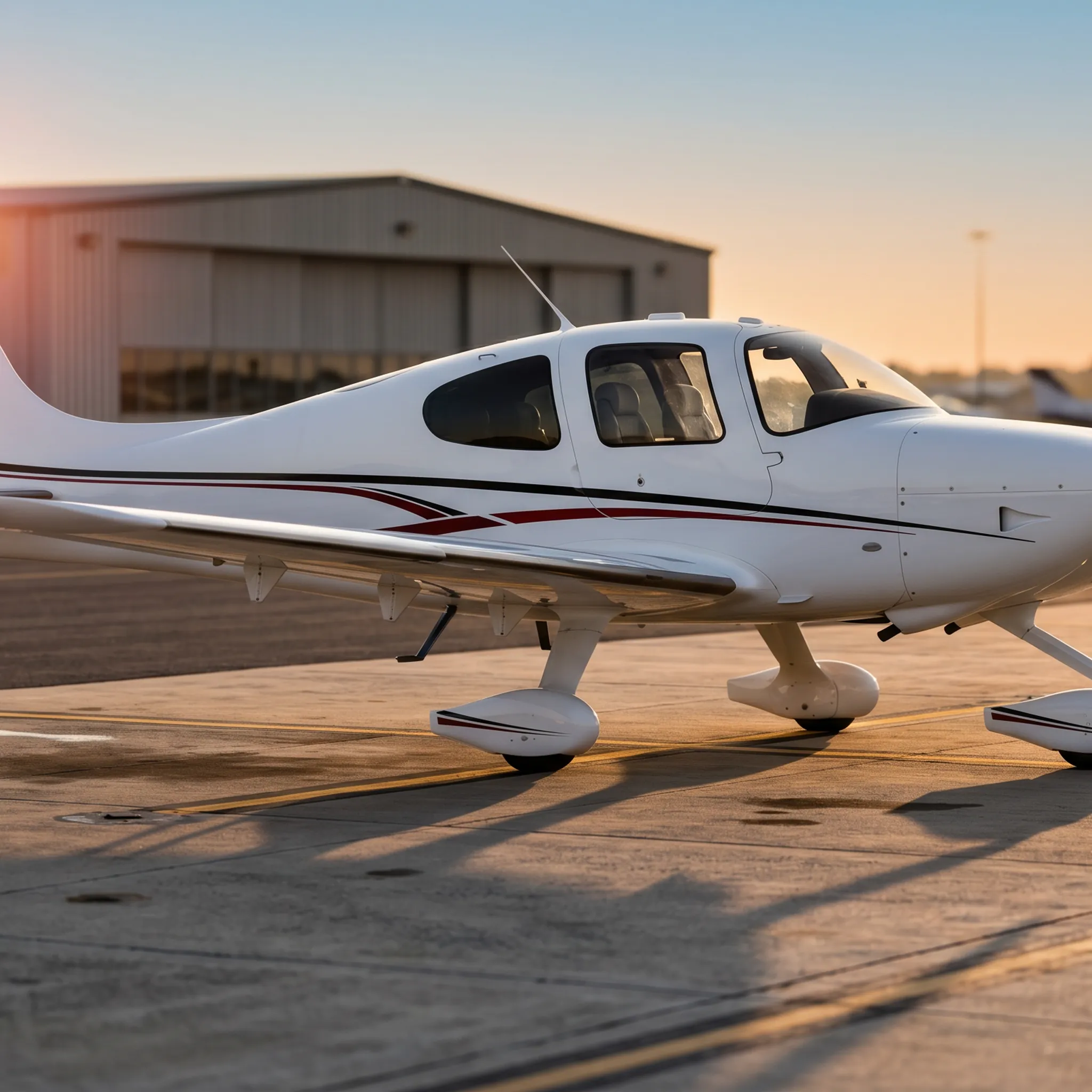
Charter could handle it, but at a price point and with booking lead times that erode spontaneity. Flying himself in a personally owned SR22 gives Dobbs something that charter clients rarely get: true schedule flexibility down to the hour. No crew availability windows. No repositioning fees. No minimum hours.
That’s the appeal of owner-pilot travel that often gets overlooked in private aviation conversations. The freedom isn’t just about avoiding commercial terminals. It’s about removing every third-party variable from the equation.
The Quarterback-Pilot Parallel
Dobbs has been direct about the cognitive overlap between his roles. The comparisons he draws aren’t casual. They’re specific.
- Pre-flight preparation: Studying a defensive scheme and building a weather briefing both require absorbing large amounts of data and distilling them into a decision before the first snap, or the first clearance.
- ATC communication: Working with air traffic control demands precise, concise radio discipline. A garbled read-back at a busy approach facility carries real consequences, much like a missed protection call at the line of scrimmage.
- High-pressure decision-making: Both roles require acting on incomplete information under time pressure. Waiting for more data often costs more than committing to a reasonable call with what you have.
- Crew resource management: Multi-crew cockpit dynamics and offensive line communication share a structure. Clear roles. Clear calls. Everyone trusts the process.
It’s a useful framework, and not just as a talking point. Athletes who transition into flying tend to adapt quickly to the procedural discipline that aviation demands. The training habits are already there.
Where He Goes From Here
Dobbs is currently working toward his instrument rating, the credential that allows pilots to fly in clouds and reduced visibility using cockpit instruments alone. It’s the practical upgrade that transforms a fair-weather pilot into someone who can operate reliably on a real-world schedule regardless of conditions.
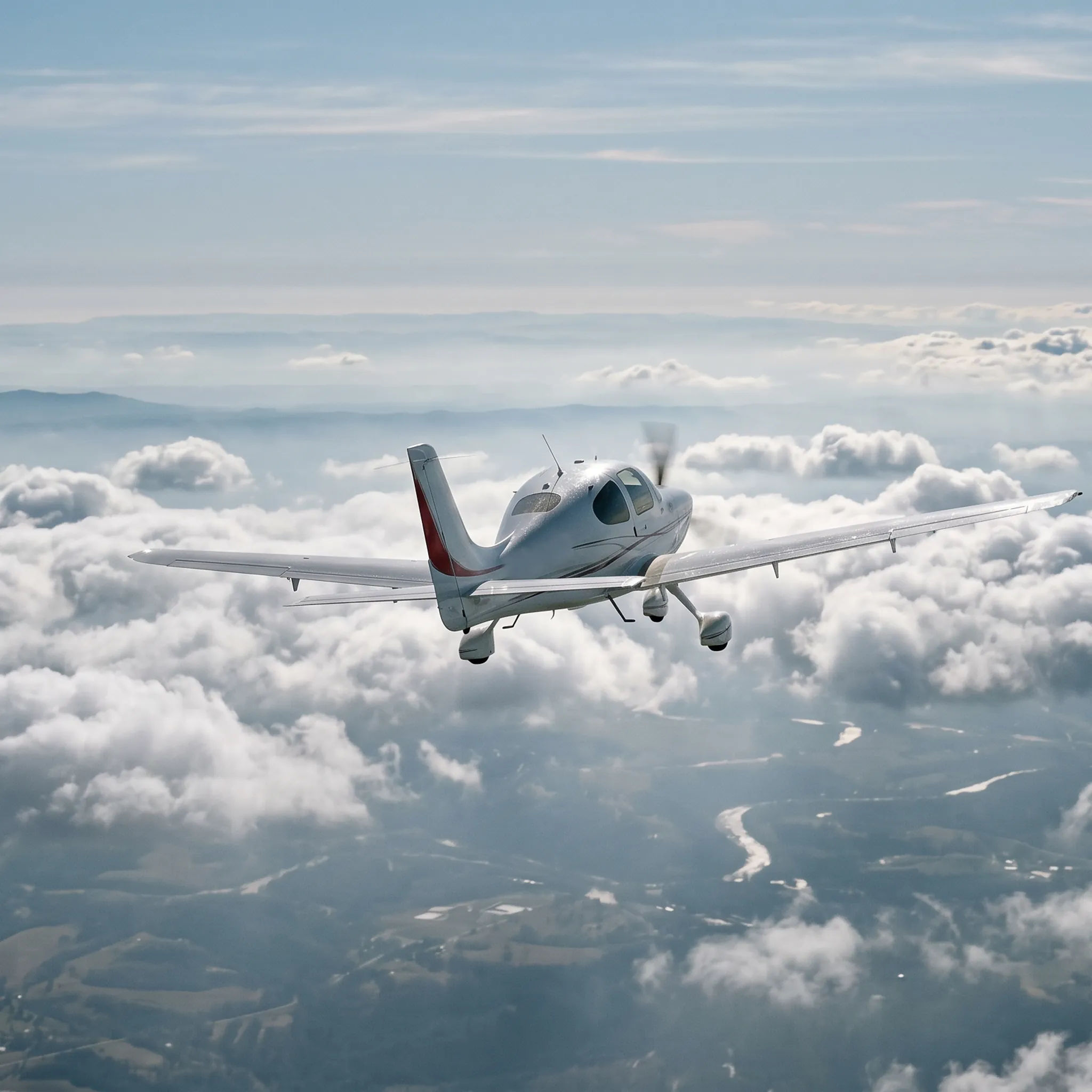
His longer-term ambitions are worth paying attention to. He’s spoken about potentially managing a fleet of Cirrus SR series aircraft and integrating flight training into the programming at his ASTROrdinary Dobbs Foundation, which focuses on STEM education for youth. That’s a serious expansion of the aviation footprint he’s building, and it reflects someone thinking about the industry beyond personal convenience.
He joins a growing group of professional athletes who have moved past being passive passengers in private aviation. Tiger Woods earned his private pilot certificate years ago. Rory McIlroy has logged hours. The pattern is consistent: driven, high-performing individuals who hit a ceiling on what even the best charter experience can offer, and decide to remove the intermediary entirely.
For the broader private aviation world, Dobbs represents something worth watching. As light aircraft safety technology continues to close the gap between accessible and protected, more high-profile individuals will likely make the same calculation he did. The Cirrus parachute system and autonomous landing capability don’t just make the aircraft safer. They make the conversation with families and advisors fundamentally different. That changes who gets into personal aviation, and how fast they get there.