
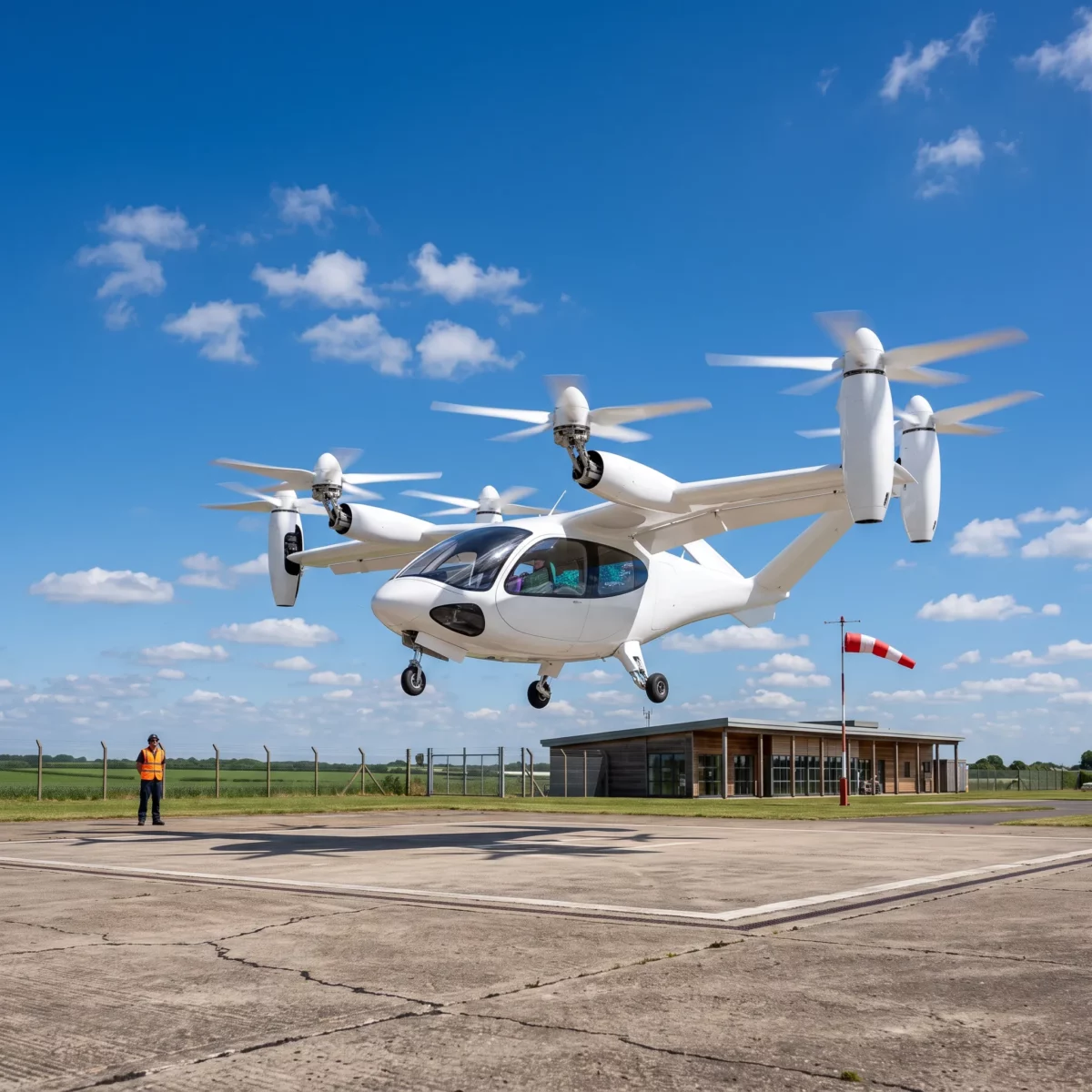
The private aviation world just got a little more vertical. At the Farnborough International Airshow, Joby Aviation and Virgin Atlantic turned their handshake agreement into something with actual teeth: a binding, multi-year commercial framework to launch electric air taxi service across the UK. This isn’t a memorandum of understanding destined for a filing cabinet. It’s a real operating plan with real timelines attached.
For anyone who’s spent an hour crawling through traffic to reach a regional airport, this deal matters more than it might first appear. The premise is straightforward: short, quiet, electric flights connecting city centers, regional airports, and eventually major international gateways like Heathrow. Think of it as the missing link between your front door and your Gulfstream or Global 7500 waiting on the ramp.

What Actually Changed at Farnborough
Joby and Virgin Atlantic had been talking about UK operations since 2023, but talk is cheap in aviation circles. What separates this announcement is the word “binding.” Both companies have committed capital, personnel, and regulatory resources to standing up commercial routes. Virgin Atlantic brings something Joby can’t manufacture on its own: decades of airline operating experience, ground infrastructure relationships, and a customer base that already trusts the brand for premium travel.
Joby brings the hardware. Its eVTOL aircraft, short for electric vertical takeoff and landing, can carry a pilot and four passengers at speeds up to 200 mph with a range approaching 100 miles. The aircraft is whisper-quiet compared to helicopters, a detail that matters enormously for urban approval processes and for the neighbors who’ll be living under new flight paths.
Why This Matters for Premium Travelers
Private jet owners and charter clients have long dealt with the same frustration: the aircraft is fast, but the drive to and from the airport isn’t. A flight from London to Nice on a Falcon 8X might take two hours. Getting from central London to a business aviation FBO at Farnborough or Biggin Hill can eat up just as much time in rush hour traffic.
Air taxis aimed at exactly that gap. Here’s what the proposed network could offer once certification and infrastructure catch up to the ambition:
- City-to-airport connections: Direct hops from central London helipads or vertiports to regional airports handling business jet traffic
- Regional airport links: Connecting underused regional fields to major hubs, widening the map of viable departure points
- Reduced ground time: Cutting a 60-90 minute drive down to a 10-15 minute flight, door to door
- Lower noise footprint: Electric propulsion means these aircraft can operate closer to residential areas than helicopters ever could
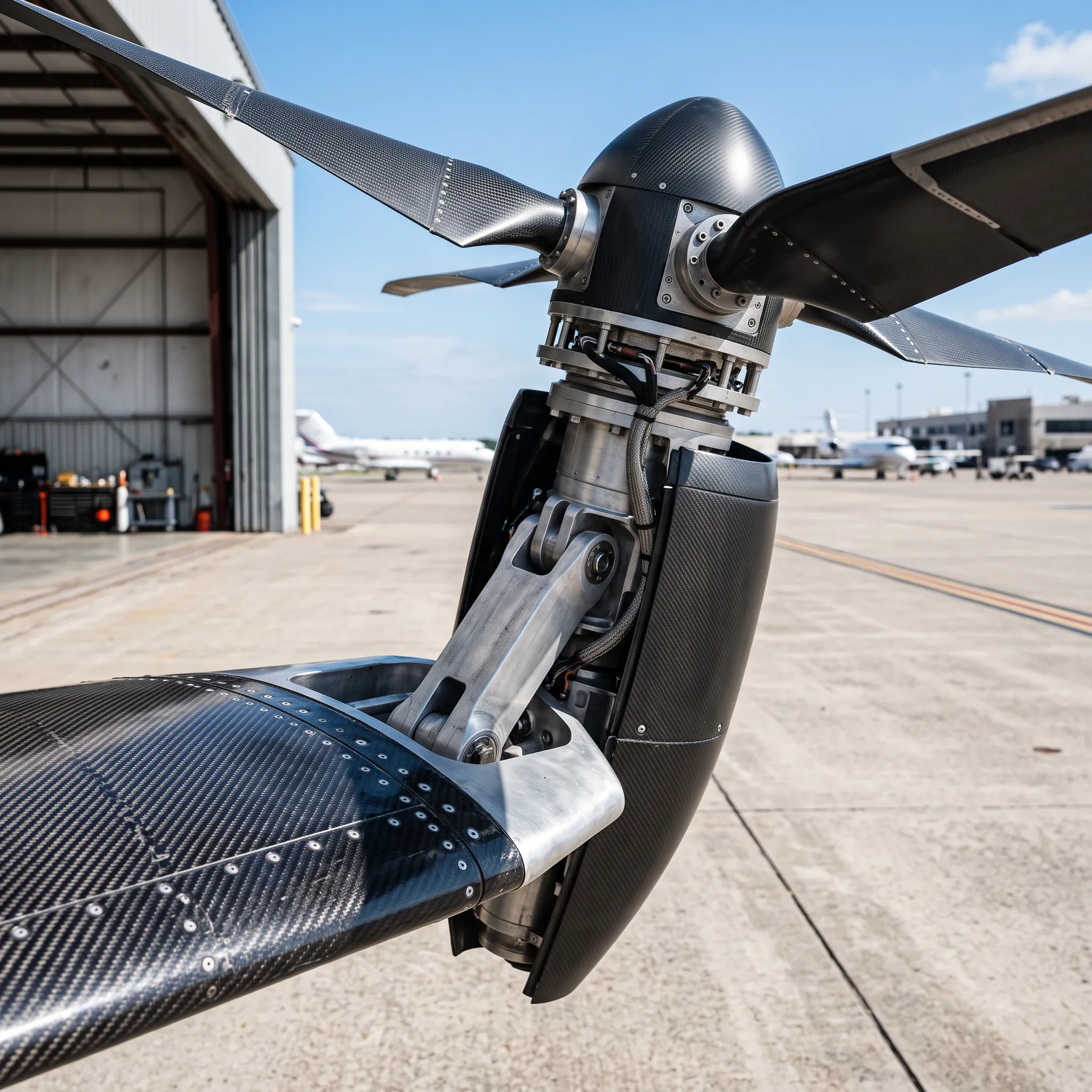
The Infrastructure Piece Nobody Talks About Enough
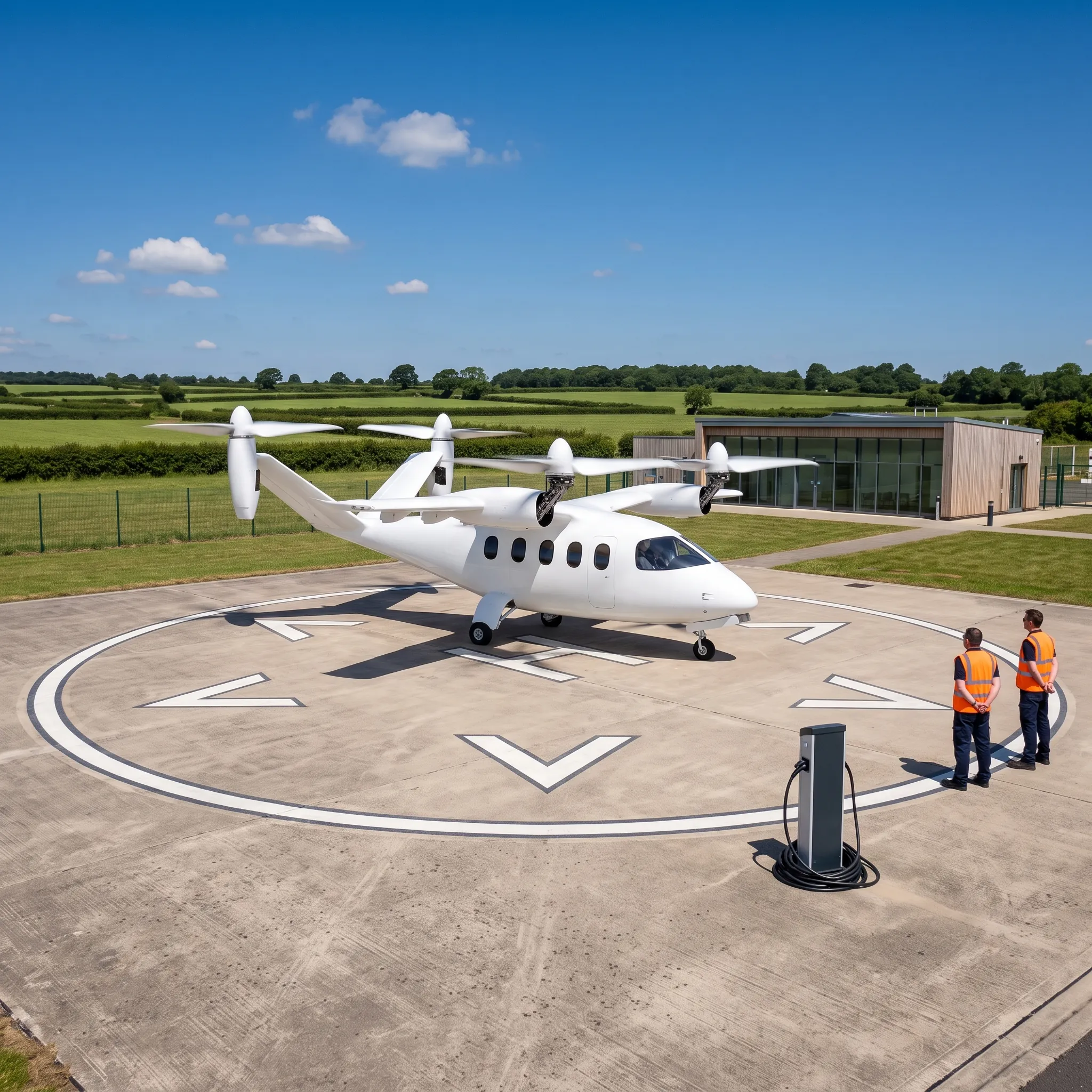
None of this works without vertiports, the eVTOL equivalent of a small airport. Virgin Atlantic’s role extends beyond ticket sales and branding. The airline is helping identify and develop sites, likely starting with locations near existing aviation infrastructure where permitting is simpler and power grid access already exists.
Charging infrastructure is its own challenge. Unlike refueling a Jet-A aircraft, electric aircraft need substantial grid capacity, and UK planners are only beginning to grapple with how many vertiports a city like London could realistically support.
Where This Fits in the Bigger UAM Picture
Joby isn’t alone in chasing this market, but it’s arguably furthest along. The company has already flown piloted demonstration flights in the US and holds a Part 135 air carrier certificate there, positioning it ahead of competitors like Archer Aviation and Vertical Aerospace on the regulatory front. The UK deal with Virgin Atlantic gives Joby a credible European anchor tenant, something rivals have struggled to secure.
| Factor | Joby Aviation | Traditional Helicopter Transfer |
|---|---|---|
| Typical range | ~100 miles | ~300 miles |
| Noise level | Significantly quieter | Loud, restricted zones |
| Operating cost per mile | Lower, electric propulsion | Higher, fuel and maintenance |
The Realistic Timeline
Don’t expect to book an eVTOL transfer alongside your next charter quote this year. UK Civil Aviation Authority certification for passenger-carrying eVTOL operations remains a multi-year process, and Joby’s aircraft still needs full type certification in the European market. Industry watchers generally point to 2027 or 2028 for meaningful commercial service, with limited demonstration routes possibly appearing sooner.
That said, the binding nature of this agreement suggests both companies see a narrower path to revenue than the typical UAM pitch deck implies. Virgin Atlantic isn’t in the habit of attaching its name to speculative technology without a clear runway to actual passengers.
What Private Jet Clients Should Watch Next
The real payoff for high-net-worth travelers won’t be flying the eVTOL itself, though plenty will enjoy the novelty. It’ll be the integration. Imagine booking a charter through a jet card program and having the ground transfer, or rather the air transfer, bundled seamlessly into the itinerary. Virgin Atlantic’s commercial network gives Joby a distribution channel that pure-play eVTOL startups simply don’t have.
For now, this deal signals something worth paying attention to: urban air mobility is quietly graduating from concept to commercial reality, one binding agreement at a time. The companies that move first on infrastructure and airline partnerships will likely define how this market takes shape across Europe. Watch for follow-on announcements involving specific vertiport sites near London and the Southeast, since that’s where the first real routes will almost certainly appear.