
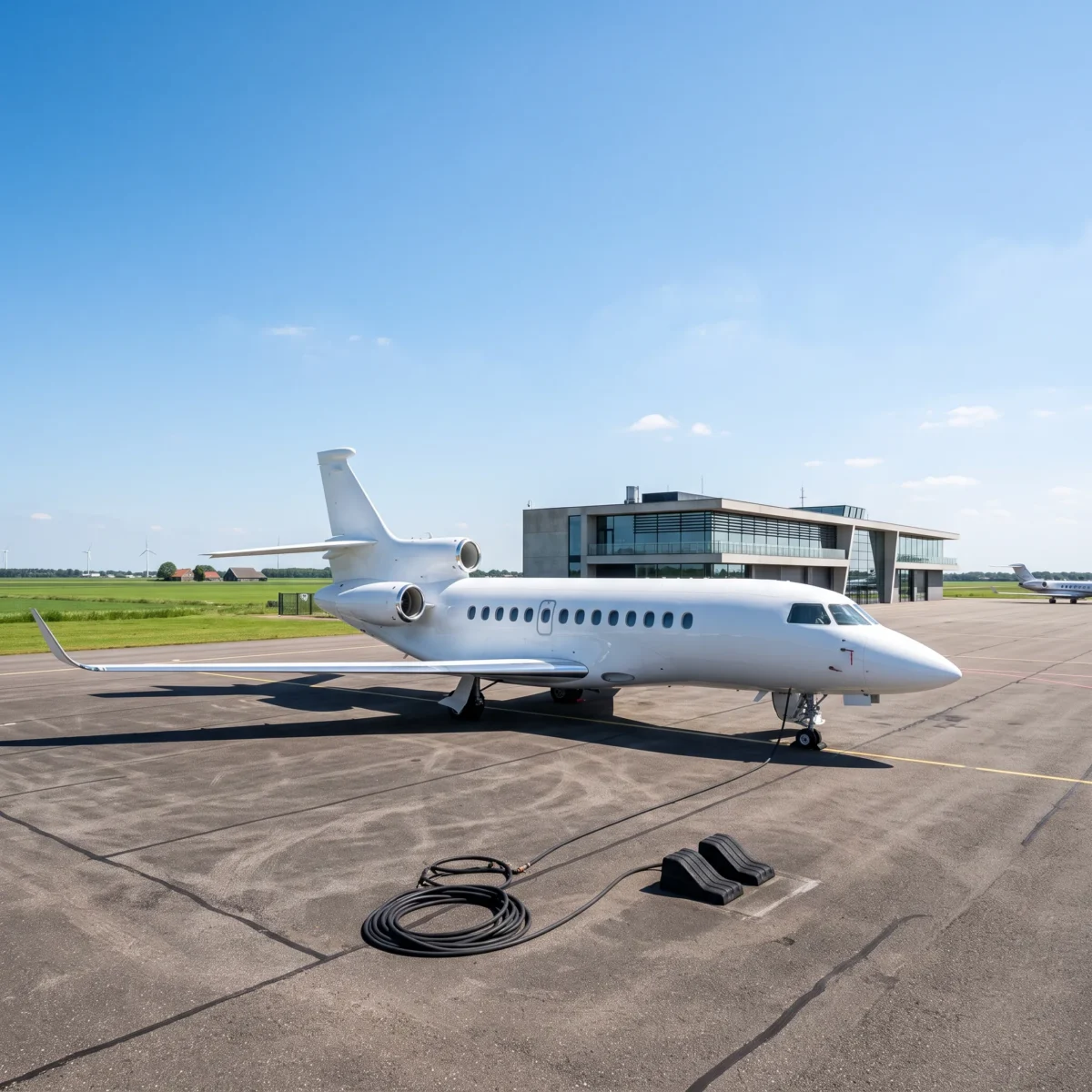
Schiphol handled close to 500,000 flight movements a year before the pandemic, and its new cap of 478,000 leaves even less room for general aviation arrivals. Against that backdrop, Jet Aviation has completed work on its Schiphol FBO, which the company puts at roughly 1,000 square meters in total. The project adds VIP lounge space, upgraded working areas for flight crews and more passenger privacy.
What Actually Changed on the Ground
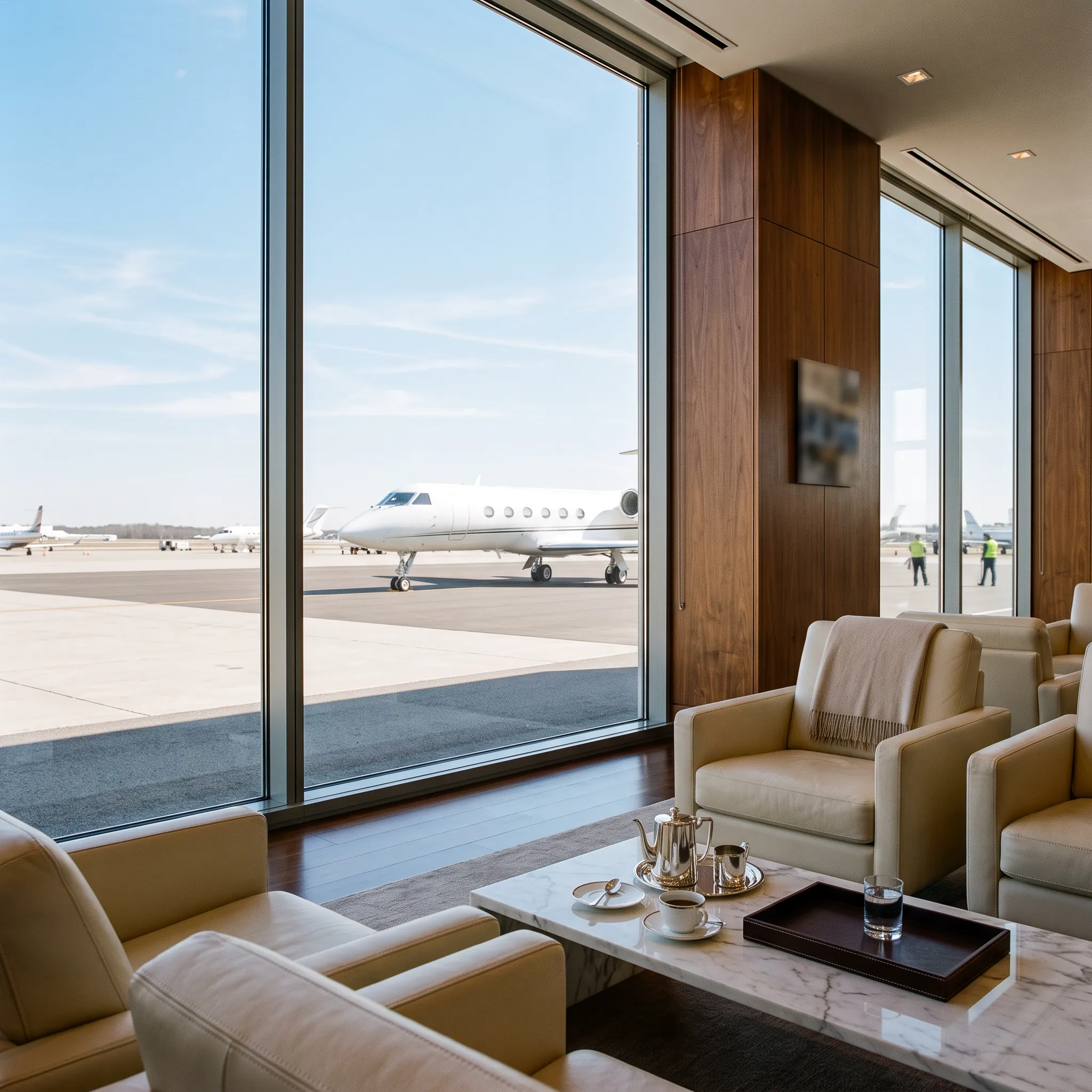
The 1,000 square meters is the size of the facility as it now stands, not the amount of floor space added. About 400 square meters of it is new, and the work took six months. The upgrade covers the following:
- Larger VIP lounge space, so groups are less likely to share a room with other parties
- Enhanced passenger privacy inside the facility
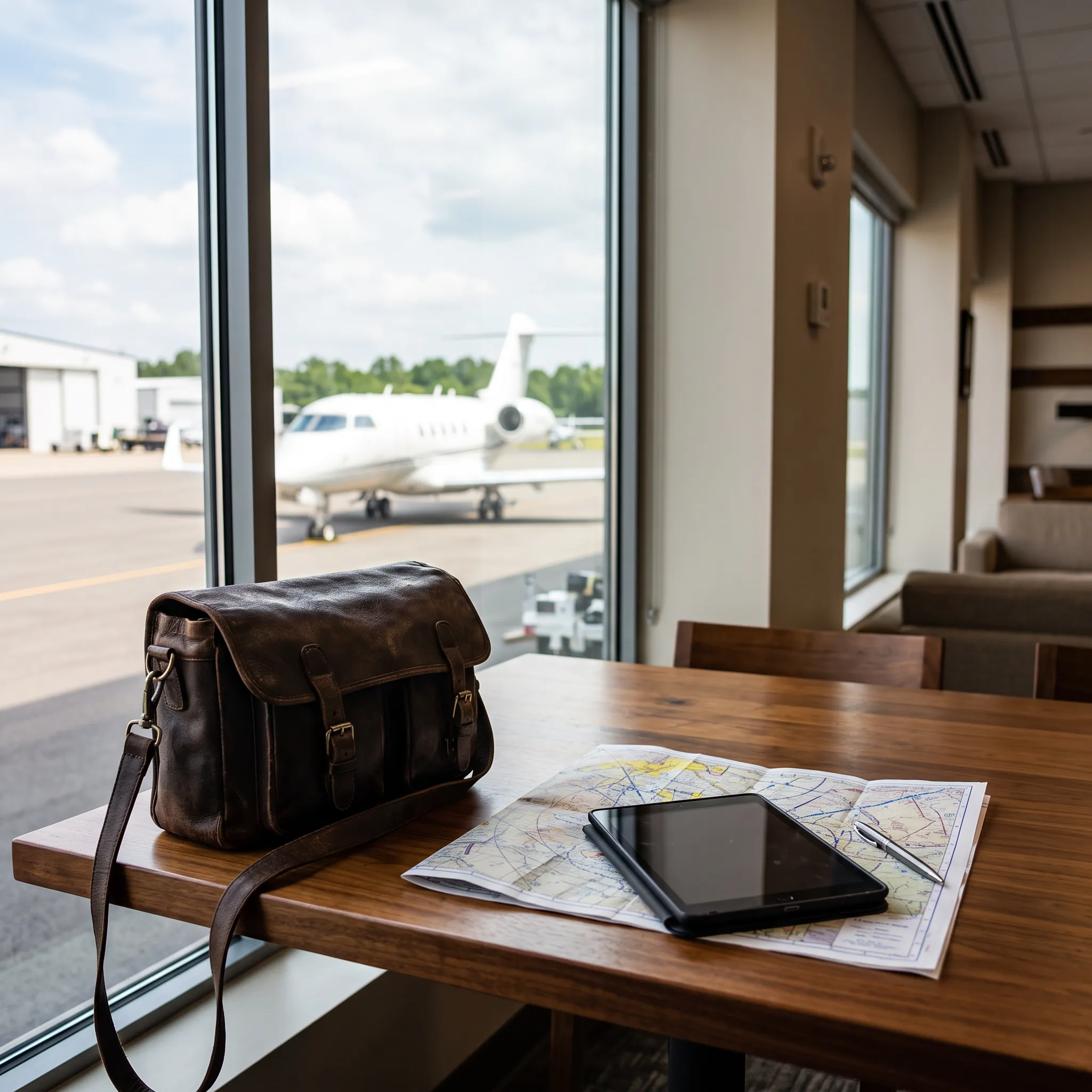
- Upgraded crew facilities for planning, rest and weather briefings
The crew area is the part most people skip past, and it matters. Pilots at Schiphol spend real time on slot confirmations and noise-abatement briefings, and crews on a quick turnaround still have to meet their rest and duty-time requirements. A dedicated, quiet space to do that work and to rest between legs is a practical gain, because a short turn here can otherwise mean working from a corner of a shared lounge.
Jet Aviation at Schiphol
Jet Aviation is a Basel-founded business aviation services group, now part of General Dynamics, with FBOs and maintenance operations across Europe, the Middle East, Asia and North America. Its Amsterdam base is a long-standing European handling location, so this is a refurbishment of an established operation rather than a new entrant. Operators who don’t need Amsterdam itself sometimes use Rotterdam The Hague or Eindhoven instead. For lounge layout, opening hours and security processing, ask the FBO directly when you book.
Why Schiphol Is Different
Schiphol is one of Europe’s busiest hubs, and the Dutch government has spent years trying to shrink its traffic. An early plan to cut annual flight movements from 500,000 to 440,000 was scaled back. A new Airport Traffic Decree took effect on 1 November 2026, capping Schiphol at 478,000 movements a year and 27,000 at night. Environmental groups are preparing a legal challenge, and the rules have shifted repeatedly, so check the latest position before you plan a trip.
Business flights draw scrutiny because they add movements at a capped airport. Schiphol is a slot-coordinated airport, and general aviation operators need approved slots or prior permission before they can arrive or depart. Flight departments also need the correct noise category for the aircraft and a handler who knows the airport’s quirks. If you’re new to how access works, our guide on where private jets can land covers the basics.

Why the FBO Matters More in a Constrained Market
When slots are tight, ground handling is where time is won or lost, since a missed slot window can cost you the departure and not just a few minutes. A handler with an established presence can coordinate with the tower, customs and security quickly. It also keeps passengers out of the busy commercial terminal entirely. If you want to understand what happens behind the scenes, we’ve explained how FBO ground handling works.
What Charter Clients Should Ask
If you book charter flights into Amsterdam, don’t assume your broker has sorted the details. Four questions are worth putting to them:
- Has the slot been confirmed, and who holds it?
- Is the aircraft within Schiphol’s noise requirements?
- Which FBO is handling the flight, and is a private lounge reserved?
- If you are arriving from outside the Schengen area, where will passport control and customs be handled, and does the FBO’s operating schedule cover your arrival time?
Ask early, because last-minute requests get harder when capacity is limited.
The Bigger Picture for Private Aviation
Operators are investing in European infrastructure even as regulators tighten limits. Jet Aviation’s spending on lounge and crew space suggests it expects clients to value privacy and reliability at airports where access is hardest, though the company has not published demand figures.
You can see similar moves elsewhere, such as NetJets’ plans for a private terminal in Austin, where dedicated space is becoming a selling point.
What to Expect Next
Don’t expect Schiphol‘s restrictions to ease. Policy points toward more limits on movements and noise, which favors newer, quieter aircraft and handlers that make every slot count. If you fly into Amsterdam regularly, confirm slot and noise status first, then ask Jet Aviation which lounge and crew space will be reserved for your party and what time the facility closes.