

Fifteen years ago, the Cessna Citation CJ4 set a new benchmark for what a light jet could do. It was faster than the competition, had surprising range for its class, and quickly became one of the best-selling business jets in history. A lot has changed since 2010. What hasn’t changed is the aircraft’s core appeal: accessible, efficient, point-to-point private aviation that punches well above its weight class.
Now Textron Aviation is pushing that envelope further with the CJ4 Gen3, and the headline upgrade is the one that matters most to anyone who actually flies this airplane: the cockpit.
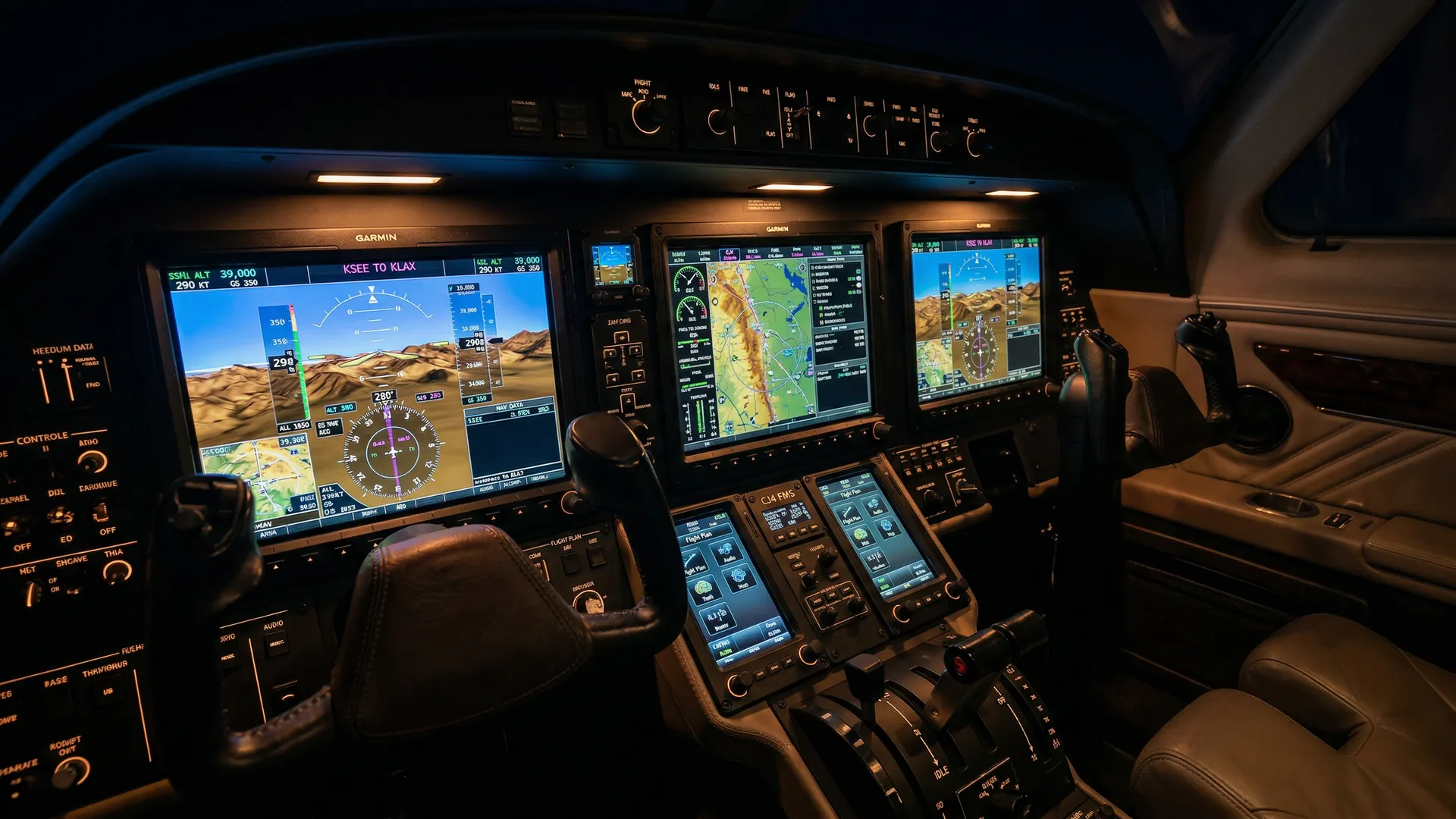
A Cockpit That Belongs in a Much Bigger Airplane
The centerpiece of the Gen3 is the Garmin G3000 Prime avionics suite. If that name sounds familiar, it should. The G3000 line has powered flagships across multiple manufacturers, and the Prime variant represents Garmin’s most refined iteration of that platform. Putting it in a light jet is a significant move.
What this means practically: pilots get high-resolution touchscreen displays with integrated flight management, traffic awareness, weather overlays, and synthetic vision that gives a clear picture of terrain and obstacles even in zero-visibility conditions. The interface is remarkably intuitive compared to legacy avionics. Reduced pilot workload translates directly to safer, less fatiguing flights.
For owner-operators flying the CJ4 themselves, this is a meaningful upgrade. The G3000 Prime’s architecture also positions the aircraft well for future software updates and regulatory compliance, including provisions for next-generation air traffic management requirements expected to roll out across U.S. and European airspace over the coming years.
What Fifteen Years of Market Feedback Looks Like
The original CJ4 launched with a maximum cruise speed of 451 knots and a range of roughly 2,165 nautical miles. Those numbers gave operators genuine flexibility. You could fly from New York to Miami nonstop. Or Chicago to Aspen. Or across the Atlantic with a fuel stop. The airplane earned its reputation honestly.
But avionics age faster than airframes. The cockpits that felt cutting-edge in 2010 started looking dated as Gulfstreams and Bombardiers adopted touchscreen-forward glass panels that simplified complex procedures. Operators noticed. Charter clients noticed. Prospective buyers noticed.
The Gen3 addresses that gap directly. Textron Aviation has spent fifteen years listening to CJ4 operators, and the upgrades reflect real-world priorities rather than spec-sheet marketing. The avionics overhaul is the foundation, but the cabin refinements deserve attention too.
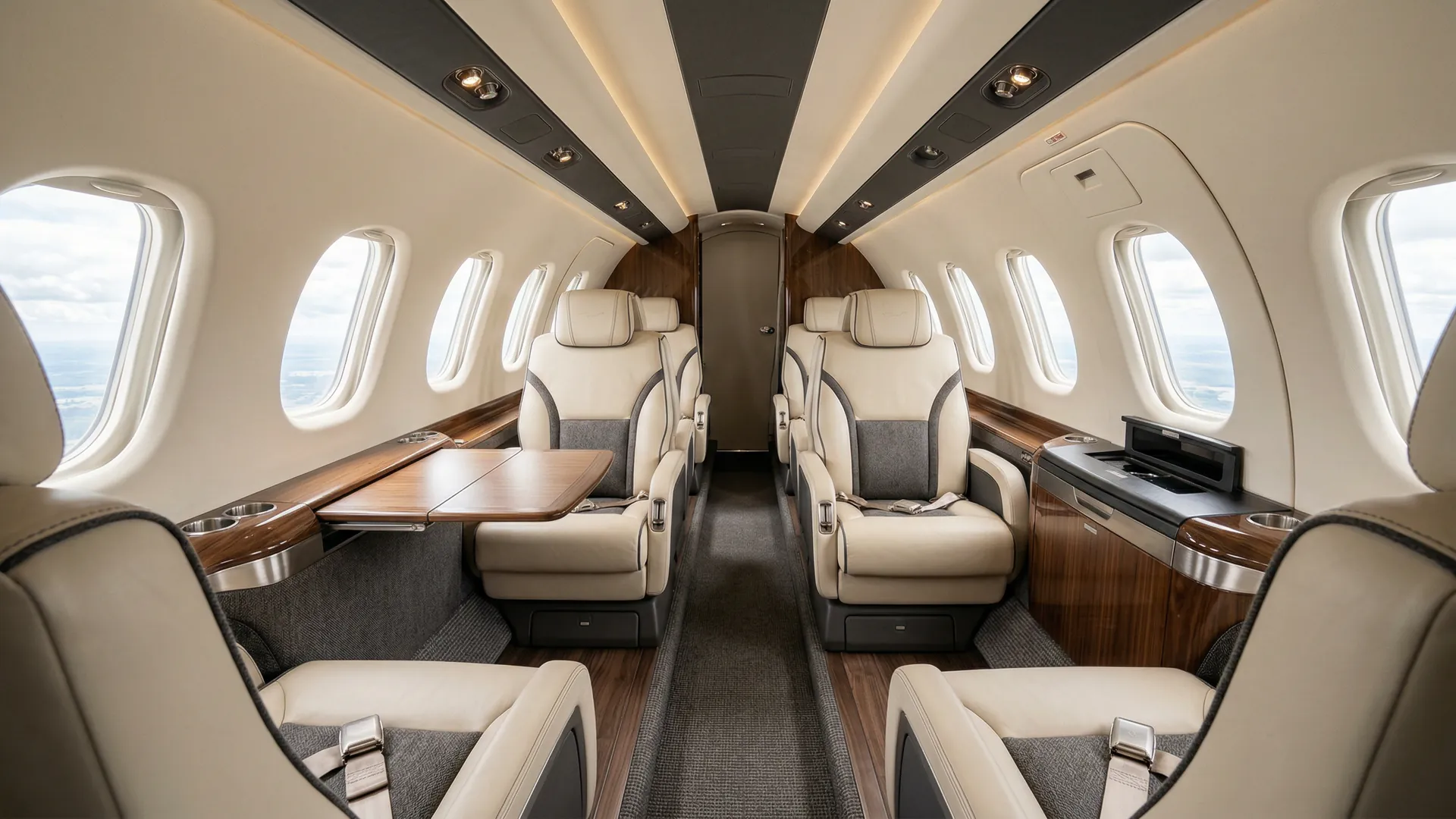
Cabin Comfort Gets Serious Attention
Light jets have always faced a comfort ceiling. The CJ4 seats up to nine passengers in a typical configuration, and the cabin measures 15.7 feet in length with a flat floor. That’s genuinely usable space for a light jet. The Gen3 version refines the interior with updated seat designs, improved soundproofing, and enhanced connectivity options that reflect how passengers actually use private aircraft today.
The seamless cabin experience matters more than ever. High-net-worth travelers expect to stay productive or connected throughout a flight, even on a 90-minute hop. Updated Wi-Fi architecture and USB-C power throughout the cabin address that expectation without requiring passengers to hunt for adapters or deal with spotty signal.
Why the Light Jet Segment Is Having a Moment
The charter market has pushed light jet demand significantly over the past several years. Post-pandemic travel patterns shifted. More first-time charter clients discovered that a light jet handles the majority of domestic trips with lower hourly costs than a midsize or super-midsize. Operators noticed the demand and expanded their light jet fleets accordingly.
For charter operators running CJ4s, the Gen3 upgrade makes the aircraft more competitive against newer entrants in the segment. For individual owners, the updated avionics package reduces training time for pilots transitioning from newer cockpit environments. And for the fractional ownership programs that operate Citation fleets, a modernized cockpit means lower maintenance complexity and better dispatching efficiency as legacy avionics components become harder to source.
There’s also a resale value argument. Aircraft with current-generation avionics command stronger prices on the pre-owned market. Buyers increasingly demand touchscreen flight decks as a baseline expectation, not a premium option. The Gen3 positions current CJ4 owners for a stronger exit if and when they move up.
The Bigger Picture for Business Aviation
What the CJ4 Gen3 represents goes beyond a single model update. It signals that cockpit technology once reserved for ultra-long-range cabins is now filtering into every tier of business aviation. The Garmin G3000 Prime platform in a light jet is the same logic as high-resolution displays in mid-range automobiles five years ago. Yesterday’s flagship feature becomes today’s entry-level expectation.
Competing manufacturers will respond. They always do. But Textron Aviation has moved first in this segment with a platform that has fifteen years of operator trust behind it. That’s not nothing. The CJ4 didn’t become one of the most successful light jets in history by accident. The Gen3 version is built to extend that legacy through the next decade and beyond.
For anyone evaluating light jet options in 2026, the CJ4 Gen3 belongs at the top of the shortlist. The combination of proven aerodynamics, genuine range capability, and a cockpit that finally matches the aircraft’s performance credentials makes a compelling case. The light jet market just raised its own bar.