

The light jet category has always been about efficiency. Get there fast, keep costs down, don’t sacrifice too much comfort. It’s a practical segment for practical operators. But Textron Aviation just changed the conversation with the Citation CJ4 Gen3, and the reason is sitting right in the cockpit.
The second test article, designated P1, completed its first flight in April 2026. Pilots James Bearman and Corey Eckhart flew the aircraft for 3 hours and 29 minutes out of Wichita, reaching 45,000 feet and 305 knots. That flight had a specific purpose: evaluating avionics, human factors, and interior systems. In other words, Textron sent a test article into the sky specifically to understand how the pilot and passenger experience actually works. That focus tells you something about where the CJ4 Gen3’s priorities lie.
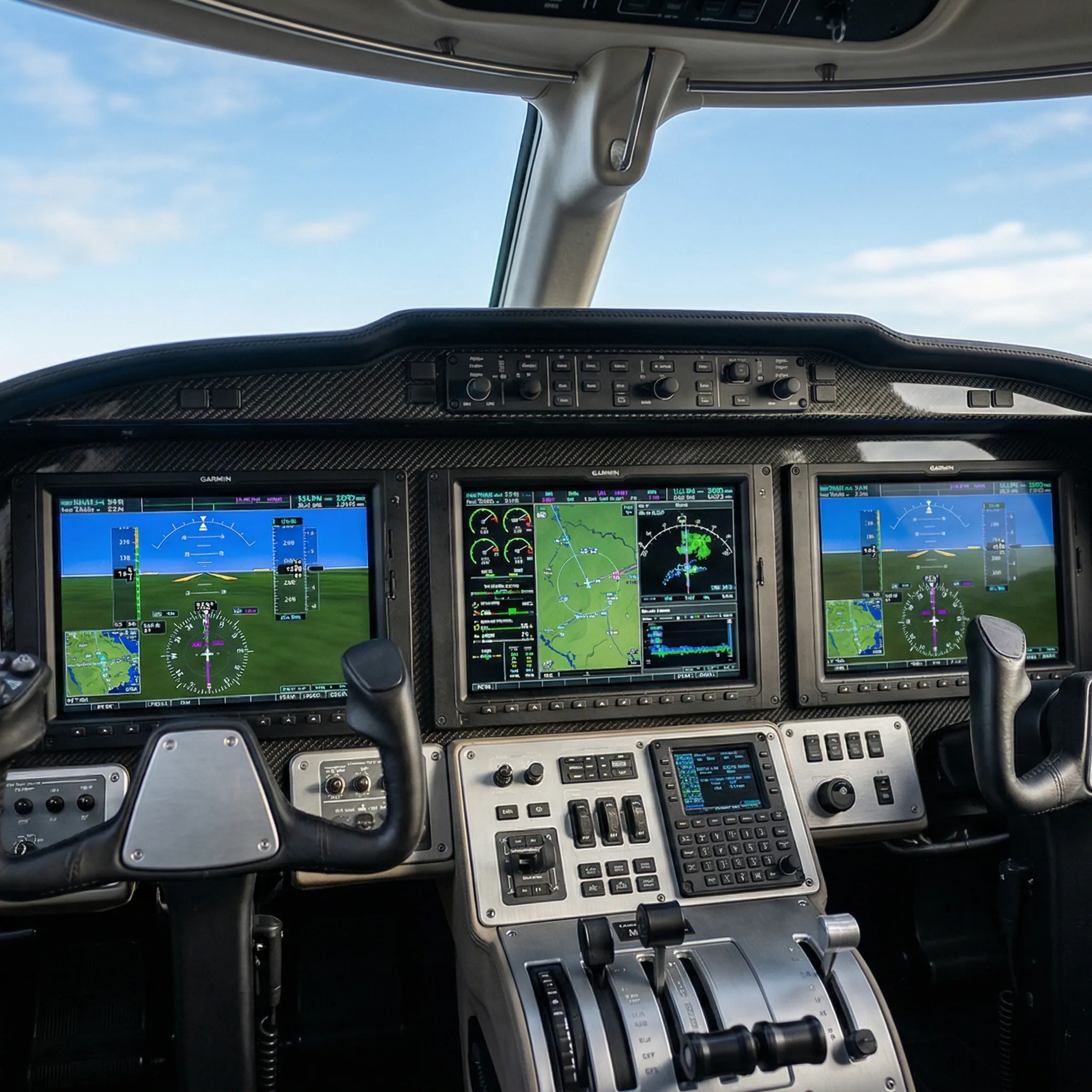
Why the Garmin G3000 PRIME Changes Everything
The CJ4 Gen3 is the first business aircraft to fly with the next-generation Garmin G3000 PRIME avionics suite. That’s not a minor spec upgrade. It’s a platform shift, and the implications run deeper than most initial reports suggest.
The G3000 PRIME builds on the architecture that transformed light jet cockpit standards when the original G3000 arrived. But PRIME introduces a level of integration that previous generations couldn’t achieve. The suite pairs directly with Garmin Autothrottles and, significantly, Emergency Autoland. That last feature deserves real attention.
Emergency Autoland is designed for a scenario every passenger has quietly thought about: what happens if the pilot becomes incapacitated mid-flight? The system activates automatically or via a single passenger-operable button, then takes full control of the aircraft. It identifies a suitable airport, communicates with air traffic control, navigates to the runway, and lands the plane. For owner-operators flying light jets, often with just one pilot up front, this isn’t a gimmick. It’s a genuine safety net that changes the risk calculus.
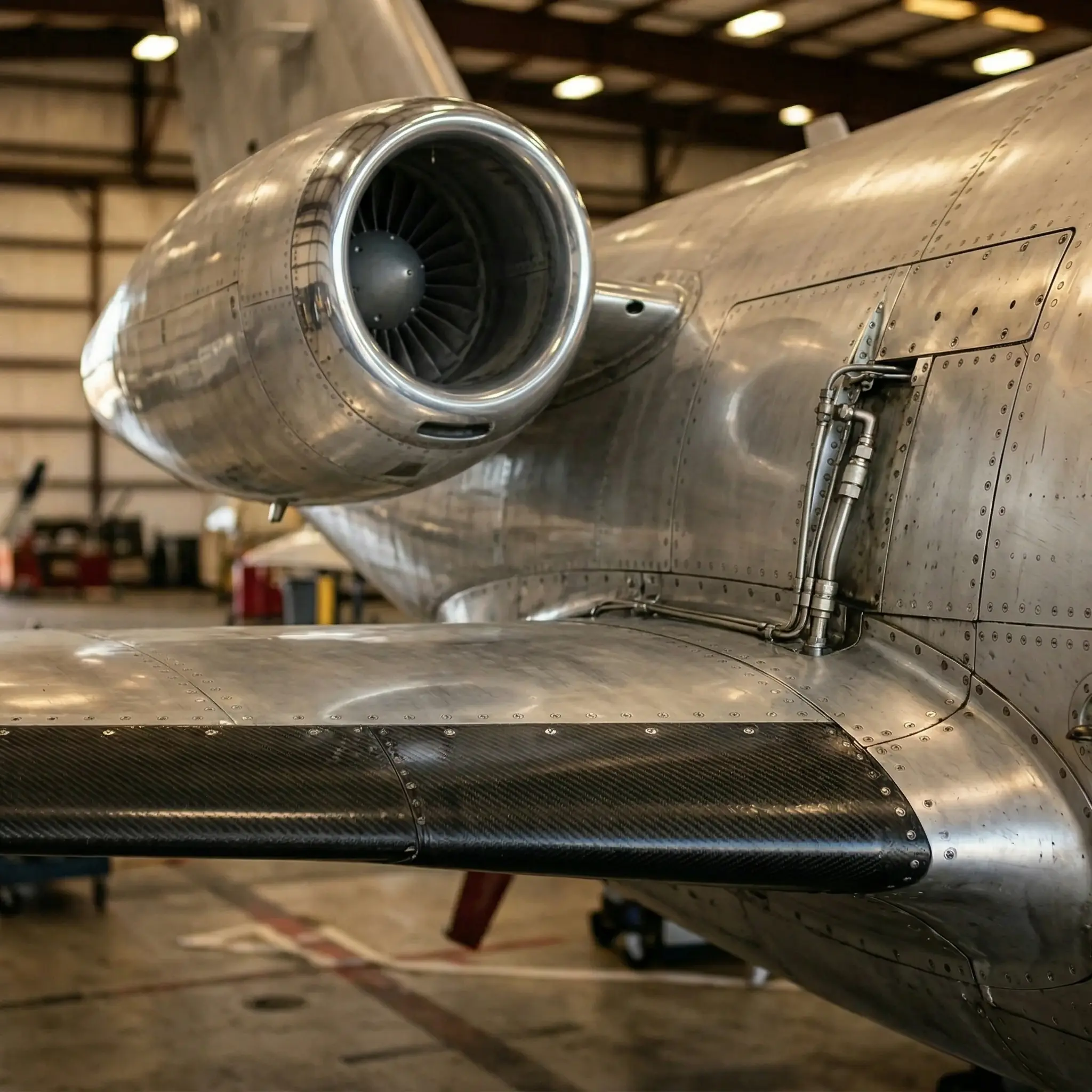
The Numbers Behind the Aircraft
Beyond the cockpit technology, the performance figures position the CJ4 Gen3 aggressively within the light jet segment. The original CJ4 already held the title as the largest Citation in its category. This generation builds on that foundation.
- Maximum range: 2,165 nautical miles, connecting most U.S. city pairs nonstop
- Maximum cruise speed: 451 knots, competitive with aircraft well above this category
- Maximum altitude: 45,000 feet, above commercial traffic and most weather
- Useful load: 6,930 pounds, generous for a light jet mission profile
- Seating: Up to 11 occupants in standard configuration
The 2,165-nautical-mile range is particularly notable. For context, that range covers New York to Denver, Los Angeles to Chicago, or Miami to Toronto with room to spare. Owner-operators who’ve historically bumped up to midsize jets purely for range now have a light jet option that handles the same routes at lower operating costs.
What This Means for Owner-Operators
The CJ4 Gen3 targets a specific kind of buyer. This is the owner-operator who flies regularly, often without a co-pilot, and wants a capable aircraft without the complexity or cost structure of a midsize jet. The combination of advanced single-pilot safety systems and strong range makes that profile work better than it ever has.
Textron has also designed the aircraft with versatility clearly in mind. Air ambulance and search and rescue configurations are both supported, which speaks to how the airframe’s useful load and range translate beyond the corporate mission. That flexibility tends to hold residual value well, which matters when you’re looking at a purchase decision that could approach or exceed six figures per year in operating costs.
The reduced pilot workload that the G3000 PRIME and autothrottle integration provide is a practical benefit, not just a marketing point. On longer legs, managing thrust manually while monitoring weather, communicating with ATC, and running fuel calculations adds fatigue. Autothrottles remove one element from that workload. The cumulative effect on a four-hour single-pilot flight is real.
Where the Program Stands
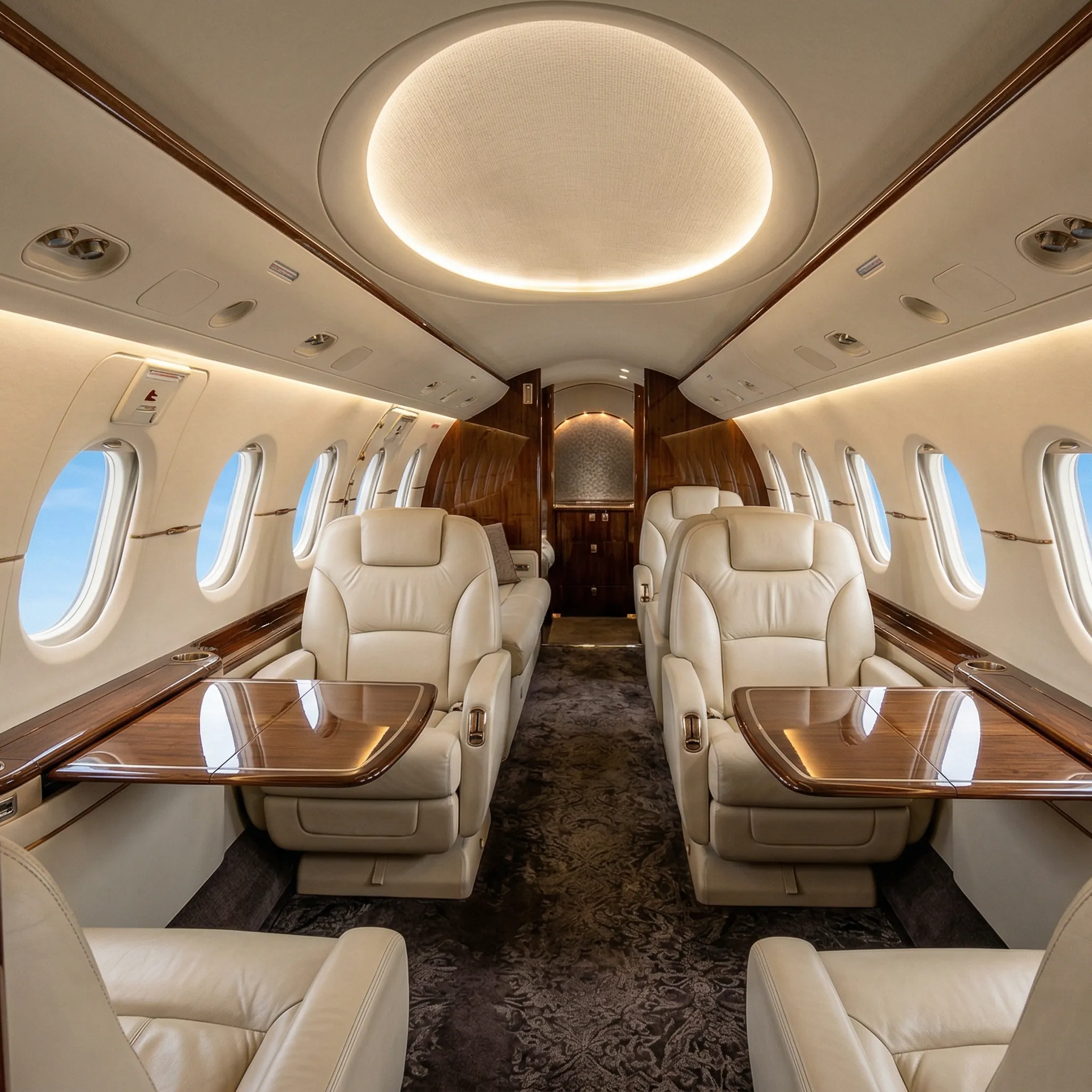
This second test article specifically focuses on avionics, human factors, and interior systems, which means the harder structural and performance testing has already advanced substantially with the initial prototype. Textron is still projecting a 2026 entry into service, and the milestone-by-milestone progress suggests that timeline remains credible.
For buyers currently evaluating light jets, the CJ4 Gen3’s certification schedule is worth watching closely. The aircraft sits in an interesting position relative to its competition, offering avionics technology that no comparable aircraft currently carries.
| Specification | CJ4 Gen3 | CJ4 Current |
|---|---|---|
| Max Range | 2,165 nm | 2,165 nm |
| Max Cruise Speed | 451 knots | 451 knots |
| Max Altitude | 45,000 ft | 45,000 ft |
| Avionics | Garmin G3000 PRIME | Garmin G3000 |
| Emergency Autoland | Yes | No |
| Autothrottles | Yes | No |
The performance specs between generations are broadly similar. That’s the point. Textron didn’t redesign the aircraft from scratch. They took a proven, capable platform and infused it with genuinely next-generation avionics technology. For buyers who already know and trust the CJ4’s flying qualities, the Gen3 offers a meaningful upgrade path without starting over.
The light jet segment rarely generates this kind of attention. The CJ4 Gen3 deserves it. If certification holds to schedule and the G3000 PRIME performs in service the way it does on paper, this aircraft will set the standard that competitors spend the next decade chasing.