
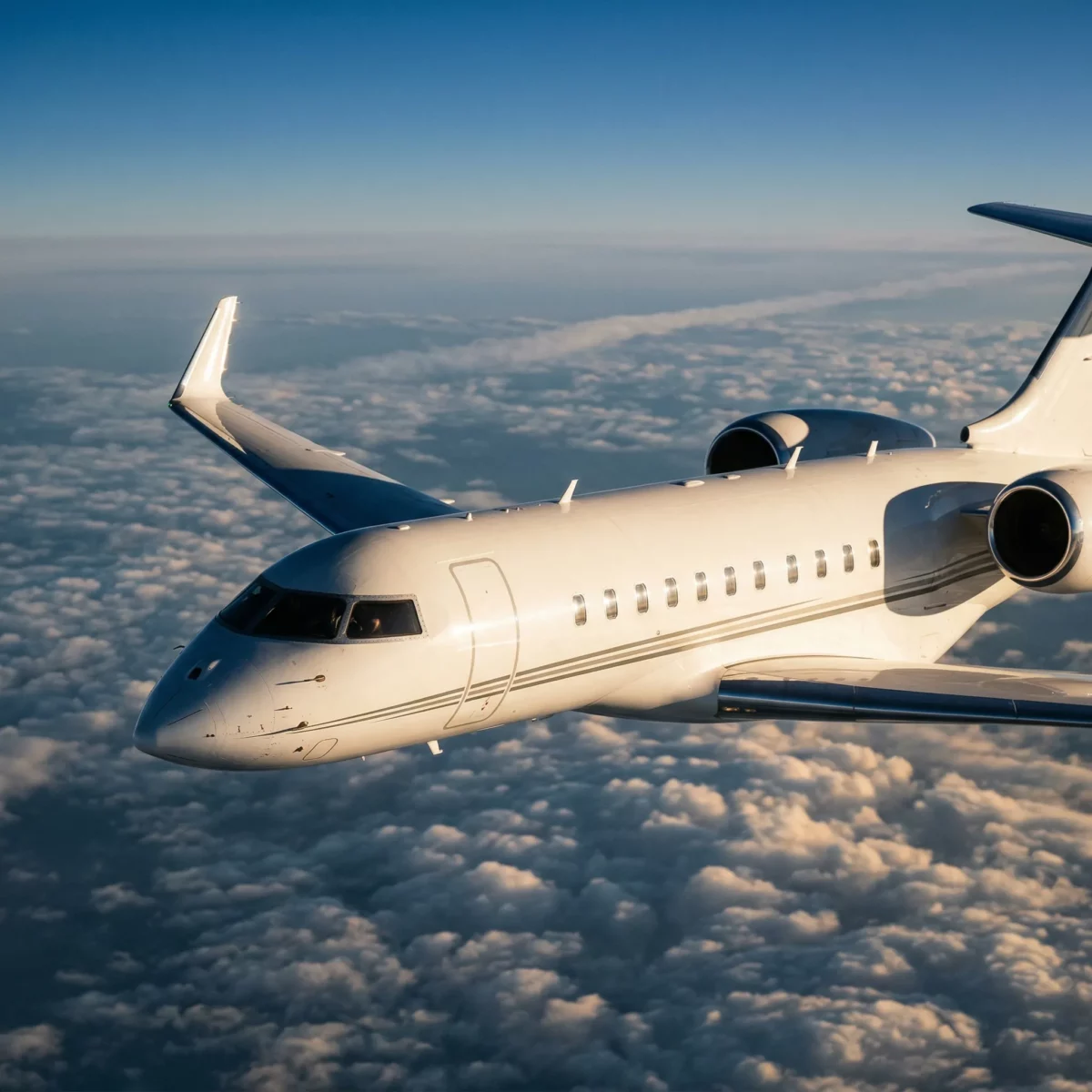
Patrick Reed’s name has never been far from controversy, but when it comes to racking up air miles, few professional athletes can match him. The 2018 Masters champion has competed across four professional tours, spanning North America, Europe, Asia, and the Middle East. Managing a schedule like that without a reliable aviation partner isn’t just inconvenient. It’s operationally impossible at the highest level. When VistaJet brought Reed on as a brand ambassador back in 2024, timed with that year’s Masters tournament in Augusta, the move made a certain kind of sense that went well beyond a celebrity endorsement deal. Two years on, it looks less like a timely announcement and more like a cornerstone of a deliberate long-term strategy.
Golf Is Not Just a Sport to VistaJet
Look at VistaJet’s ambassador roster and you’ll spot a pattern immediately. Phil Mickelson. Jon Rahm. Gary Player. Reed. This isn’t a coincidence, and it isn’t just about brand prestige. These are athletes whose careers demand exactly the kind of flexible, global aviation access that VistaJet’s model is built to deliver.
Professional golf has one of the most demanding travel calendars in sport. A top-ranked player competing across the PGA Tour, LIV Golf, and international events might need to get from Scottsdale to Riyadh, then on to Singapore, then back to Georgia inside a two-week window. Commercial connections don’t cut it. And even traditional charter gets complicated when you need guaranteed availability in markets where positioning costs are brutal and aircraft options are thin.
For a global operator with a fleet of over 360 aircraft and a fixed monthly cost structure, that kind of complexity is actually a selling point. When Reed joined the program, he cited VistaJet’s ability to handle intricate domestic and international schedules as his primary reason for the partnership. That’s not marketing language. That’s a working professional describing a real operational problem getting solved.
What Ambassadors Actually Get, and What They Give
The specifics of ambassador contracts in private aviation are rarely disclosed, and this one is no different. But having watched this space for years, the structure is fairly consistent across major programs.
- Flight access: Ambassadors typically receive a significant allocation of flight hours as part of their compensation, often structured as a full membership in the operator’s program
- Guaranteed availability: Unlike standard charter, program membership guarantees aircraft access with as little as 24 hours’ notice, which matters enormously during tournament weeks
- Global network access: VistaJet’s footprint covers over 187 countries, meaning Reed can book a flight from virtually anywhere to anywhere on a single platform
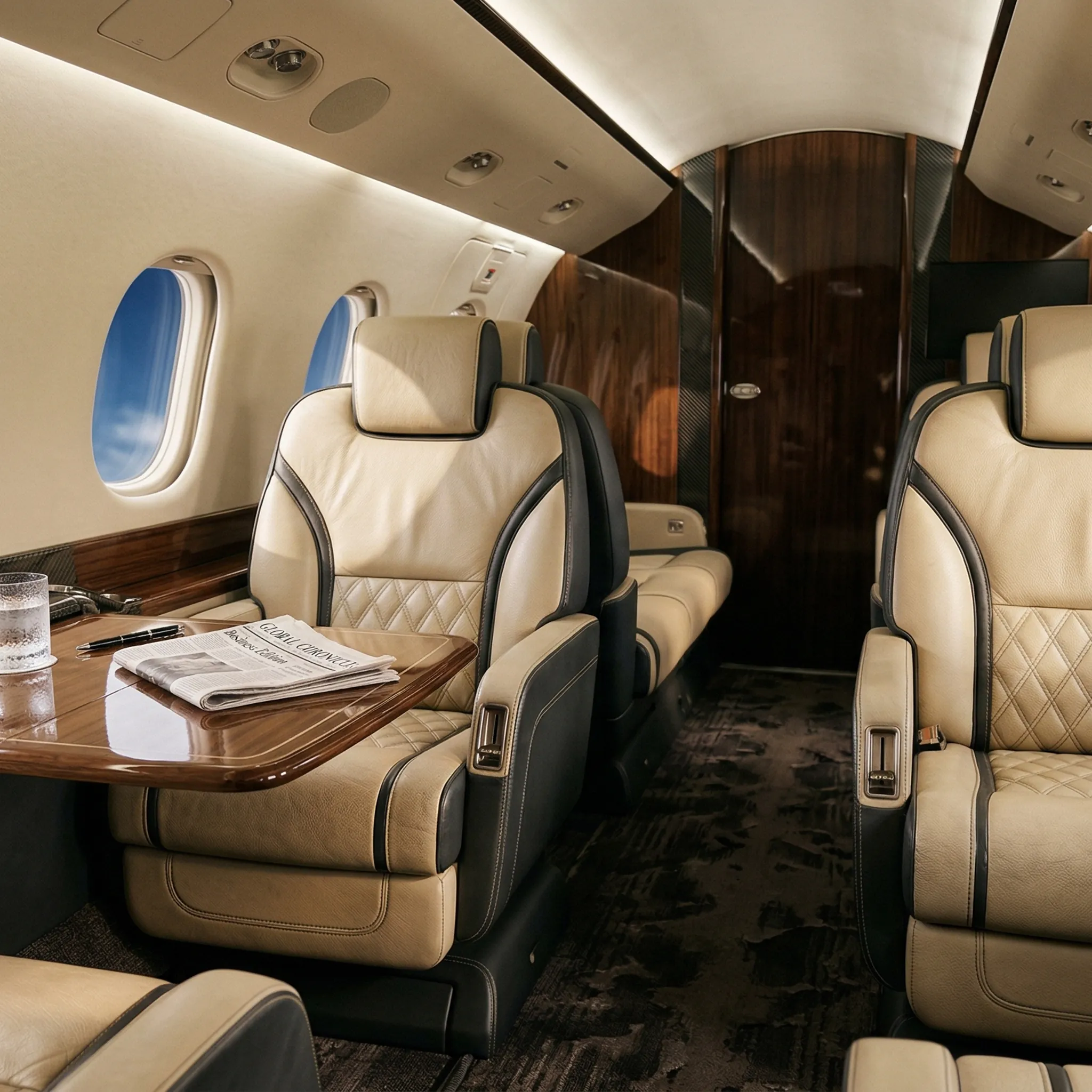
- Consistent cabin experience: Every VistaJet aircraft is finished in the same branded interior, so there’s no lottery on cabin quality when booking
- Concierge-level ground coordination: Catering preferences, ground transportation, customs documentation, all handled through a dedicated account team
In return, ambassadors appear at signature events, support marketing campaigns, and lend their credibility to what is fundamentally a trust-based product. When a $40 million career earnings athlete tells you he trusts this operator with his schedule, it carries weight with the audience VistaJet is trying to reach.
The Masters Activation Tells You Everything
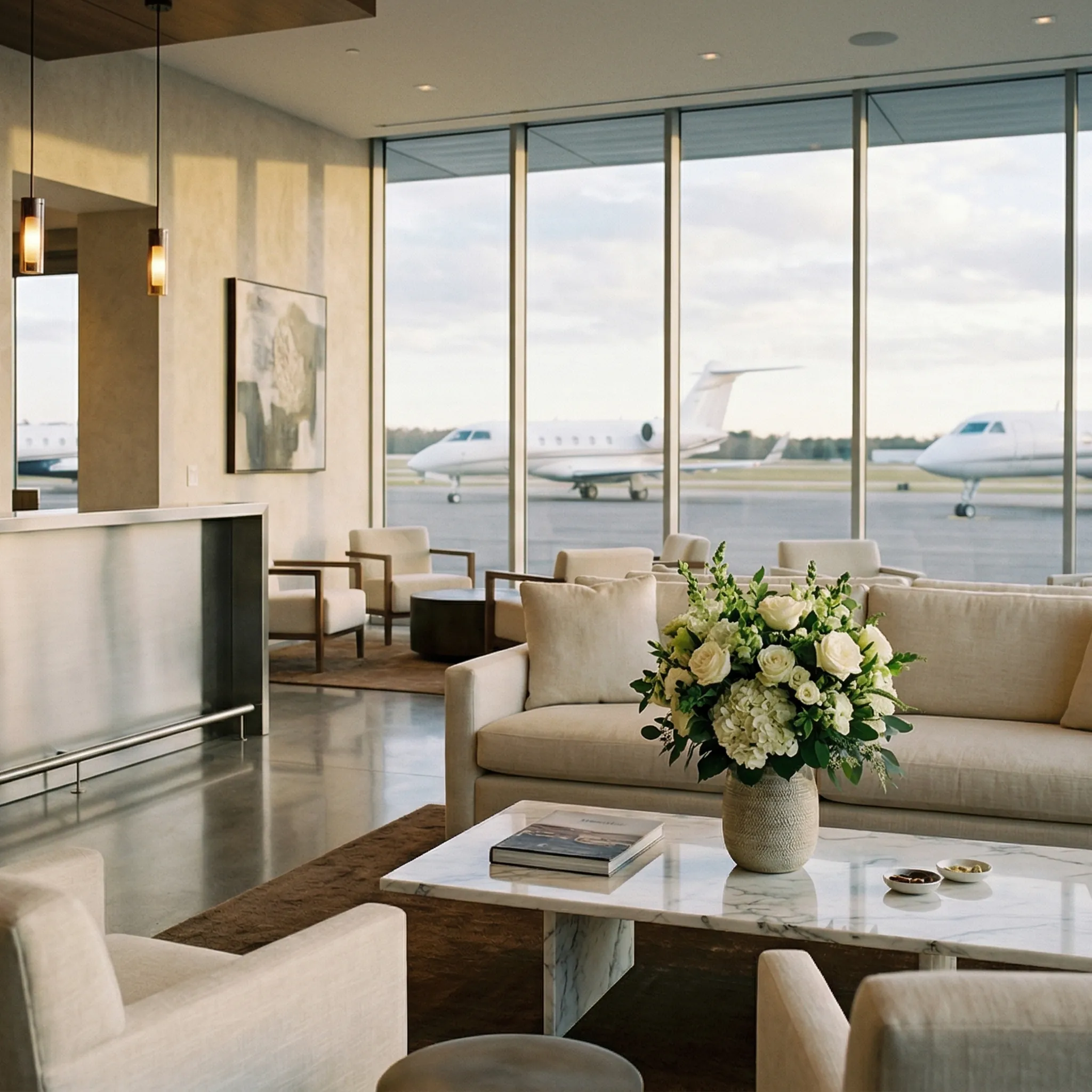
The timing of the original Reed announcement wasn’t accidental. VistaJet and its sister company XO have made Augusta a centerpiece of their annual hospitality strategy, building out a dedicated venue they’ve branded the “Vista House” to run throughout Masters week. This isn’t a branded tent with logoed napkins. The programming has consistently been genuinely impressive.
When the strategy launched in 2024, it set a high-water mark for what ground-level aviation hospitality could look like. The opening night featured a Grammy Award-winning country act. Insider golf conversations were hosted by figures including Chad Mumm, the executive producer of Netflix’s Full Swing, alongside prominent voices from PGA Tour media. That blueprint, pairing elite access with authentic golf credibility, has become the template VistaJet continues to refine at Augusta each year. For the operator’s existing clients and prospects, it represents the brand extending its cabin-level hospitality onto the ground.
That’s a deliberate evolution. The private aviation market, particularly at the ultra-premium end, has shifted toward what you might call vertically integrated lifestyle access. Transportation is the entry point. The real value proposition is access to experiences, people, and moments that can’t be bought through a ticket window.
The Masters is the perfect venue for that message. Augusta National’s membership culture and exclusivity mirror the world VistaJet clients inhabit. Every person inside that hospitality space is a potential long-term customer. And for those already flying VistaJet, it reinforces the feeling that their operator understands them.
What This Means if You’re Evaluating VistaJet Right Now
If you’re comparing global operators, the ambassador strategy actually tells you something useful about how VistaJet positions itself versus competitors. Unlike fractional programs such as NetJets or Flexjet, VistaJet doesn’t sell fractional shares. Their model is a monthly program fee plus an occupied hourly rate, with no repositioning charges and no peak day surcharges.
That structure is what makes the golf ambassador strategy coherent. A fractional share works well for a client flying predictable routes out of a home base. Reed’s schedule, like many of VistaJet’s core clients, doesn’t work that way. The next departure city is rarely the last arrival city. A global program with no repositioning exposure is a fundamentally different product for that kind of unpredictable demand.
The ambassador lineup also signals VistaJet’s target client profile. These aren’t regional business flyers. They’re global citizens with complex, often last-minute schedules across multiple continents. If that describes you, the investment in watching how VistaJet treats its most public-facing clients is a reasonable proxy for how they’ll treat you.

Golf and Private Aviation: A Partnership That Goes Deep
The relationship between professional golf and private aviation runs deeper than any single sponsorship deal. The PGA Tour’s schedule, spanning 40-plus events across 10 months, was practically designed to stress-test an aviation partner. Players who make the cut must sometimes travel between events with less than 48 hours between the final round and the next pro-am. Commercial travel makes that borderline untenable at the top level.
That’s why the roster of golf ambassadors across the private aviation industry is so long. Wheels Up has built entire campaigns around golf partnerships. VistaJet is simply the most consistent and strategically coherent right now about linking ambassadors to its operational story rather than just using them as photogenic brand assets.
Reed’s place in that strategy reflects his status as one of the sport’s most globally active players. Whether competing on LIV Golf’s international circuit or chasing points on other tours, his travel requirements remain a credible real-world case study for what VistaJet’s platform can handle, and have been for two years running.
The broader takeaway for the private aviation market is this: operators are no longer competing purely on price or fleet size. They’re competing on the lifestyle ecosystem they can build around their core service. VistaJet is betting that a golfer’s world, with its particular mix of pressure, precision, and global movement, resonates deeply with the clients they most want to attract. Given the names already established on that roster, and the staying power of those relationships, it’s a bet that’s clearly working.