
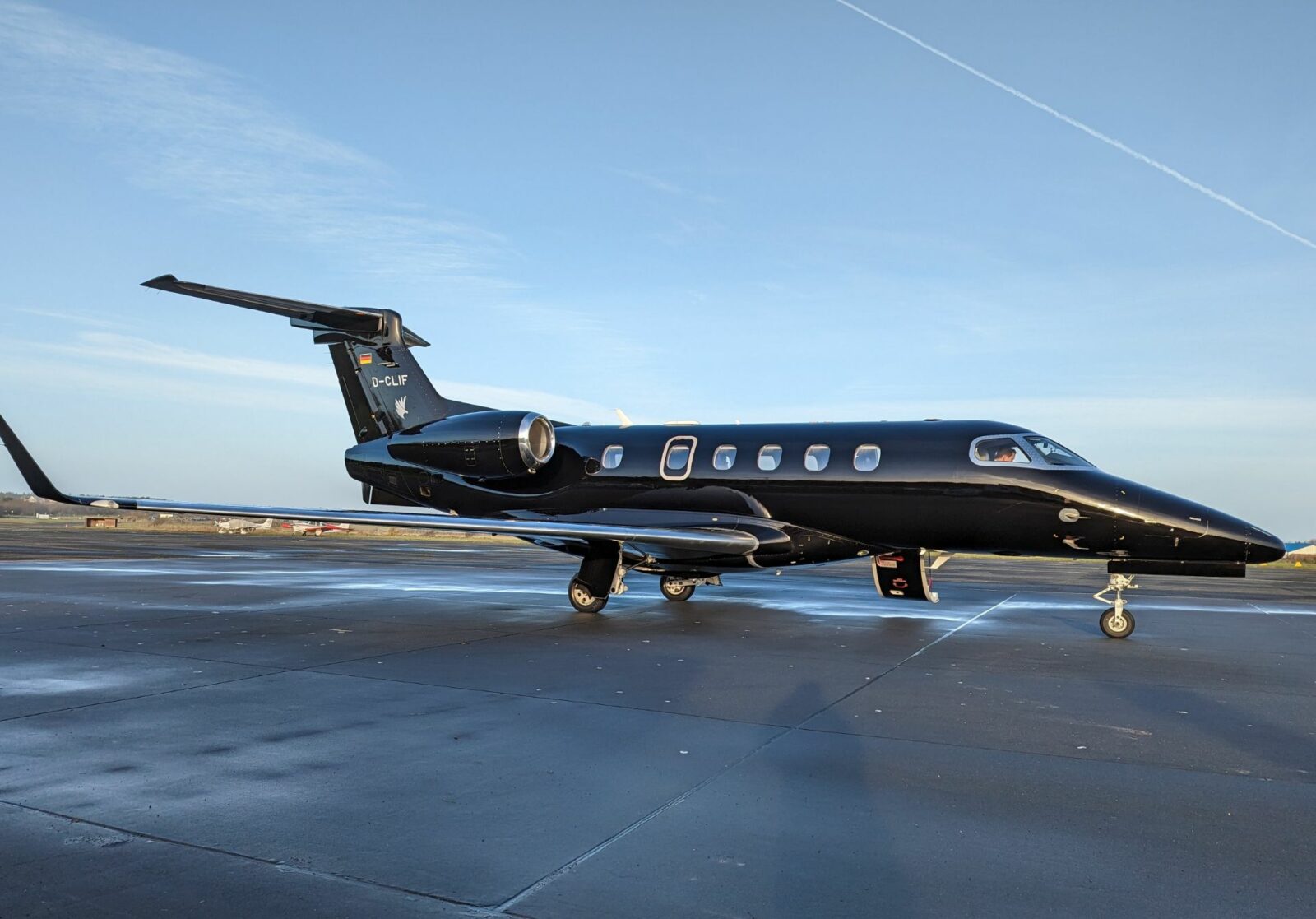
Winter can bring many challenges to air travel, but private jet charters are designed to adapt to these conditions with minimal disruption. Whether you’re on a ski vacation or flying in on a business trip, knowing how private jets cope with winter weather will enable you to make an informed decision and enjoy a worry-free trip.
Why Winter Weather Can Disrupt Air Travel
Commercial aviation is often affected by winter storms, ice, and snow, causing delays, cancellations, and long de-icing waits. But private jets have several benefits that make them more resilient to these conditions:
Flexible Schedules
In contrast to commercial airlines with strict timetables, private jets follow your schedule. This versatility allows operators to adjust departure times to avoid bad weather and reduce travel time.
Access to Smaller Airports
Private jets can fly into regional airports, which are less vulnerable to winter storms than major hubs. Many of these airports are well suited to private jets and less congested, which makes winter operations smoother.
Advanced Weather Monitoring
Private jet pilots use the latest weather tracking equipment to plan the safest and most efficient flights. This allows them to adjust routes in real time when severe weather develops.
How Private Jets Handle Winter Conditions
Private jet operators prioritize safety and comfort, even during the winter. Here’s how they keep everything running:
De-Icing Procedures
De-icing is essential for any aircraft operating in snowy or icy conditions. It typically takes a shorter time to de-ice private jets than commercial aircraft because there are dedicated ground crews at private terminals (FBOs). This shortens wait times and keeps things safe.
Specialized Aircraft Design
Many private jets are outfitted with technology to handle the cold weather better. Modern jets, for example, have anti-icing mechanisms that help keep ice off key surfaces such as wings and engines.
Crew Expertise
Private jet pilots are highly trained to handle winter conditions. They also undergo rigorous simulations to operate in low light, on icy runways, and in gusty winds.
Efficient Turnaround Times
Private jet terminals (FBOs) are specifically adapted to speed up the boarding process, making winter more advantageous. Passengers do not need to wait in freezing temperatures and get right on board the plane.
Benefits of Flying by Private Jet in Winter
Flying in a private jet during the winter season has many advantages, so it is an excellent option for travelers looking for a hassle-free journey in all weather. The most significant benefit is reliability. Because private jets have flexible schedules, they are much less prone to cancellations or major delays than commercial carriers. They may alter the departure time or the route to avoid bad weather.
Another standout advantage is convenience. Private jets bypass the terminals and security queues of a regular airport. This is especially useful in winter when weather-related disruptions can make business travel even more stressful. Instead, passengers on private jets have exclusive access to private terminals and can board without any hassles.
Finally, private jets offer unparalleled luxury and comfort. Everything is planned around the passengers’ requirements, from individualized in-flight entertainment to relaxing cabin space. For business or leisure, flying private in the winter is comfortable, practical, and stress-free.
Winter doesn’t need to interfere with your vacation plans. Choosing a private jet will provide you flexibility, reliability, and comfort even in the worst conditions. Thanks to high-tech equipment, trained pilots, and a vast network of airports, private jets bring you to your winter destination quickly and without hassle. If you’re heading on a ski trip or need to attend important meetings, private jets are the perfect vehicle for the season.