

A jet that can take off and land on a short runway opens up far more destinations. It can use smaller airports and remote airstrips that larger aircraft cannot reach, often closer to where you actually want to be. That means more privacy, more flexibility and less time on the road after you land.
In this guide, we look at private aircraft that can operate from the shortest runway. We examine the design, performance and technology of five private jets that excel here. Light weight, efficient wings and strong engines allow them to operate from runways that would rule out larger jets.
Planning a private flight?
Tell us your route, number of passengers and dates, and get a private jet charter price for your trip.
1. HondaJet Elite II: Redefining Short Runway Capabilities
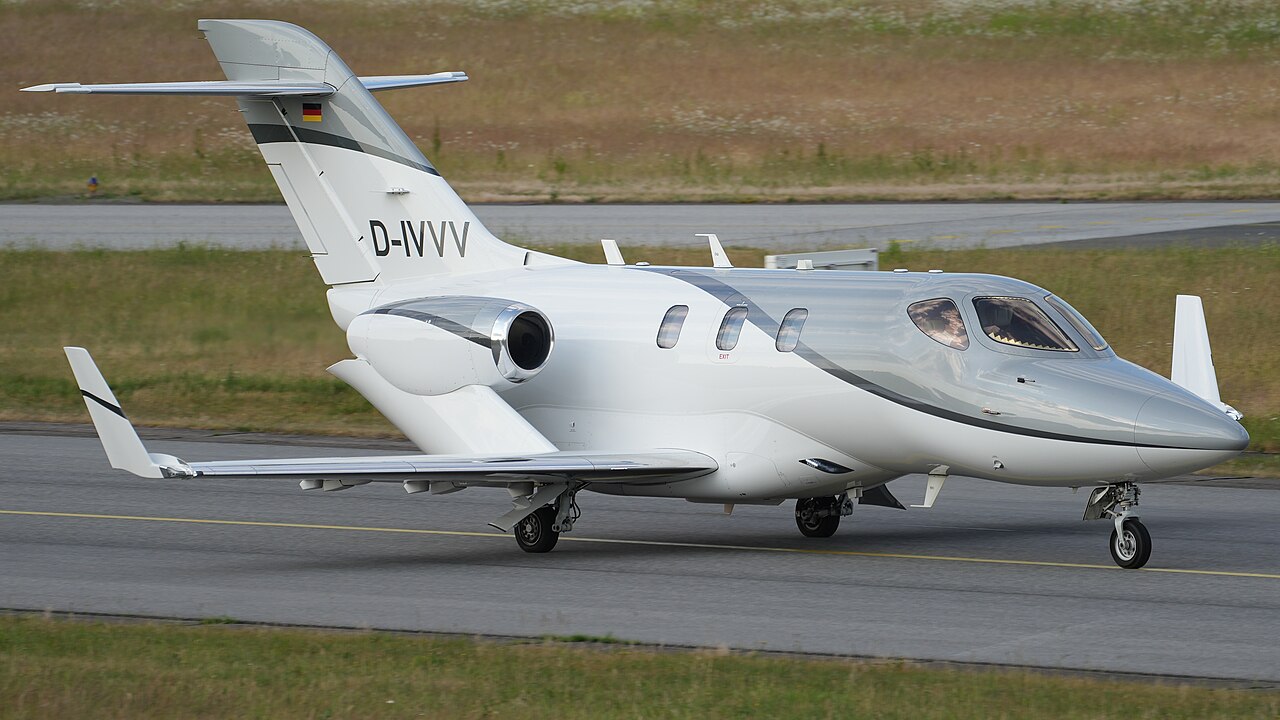
Photo: MarcelX42, CC BY-SA 4.0, via Wikimedia Commons
The HondaJet Elite II stands out for its distinctive over-the-wing engine mounts, the signature of HondaJet’s aerodynamic design.
This layout reduces cabin noise, improves fuel efficiency and contributes to the jet’s strong performance. It needs about 3,700 feet of runway for takeoff at maximum weight, which still opens up a wide range of smaller airports. It pairs that with a range of 1,547 nautical miles and a top cruise speed of 422 knots, among the best in its class.
The cabin is comfortable and well finished. It seats up to seven passengers with a single pilot and includes a private, enclosed lavatory, customizable leather seating and effective noise reduction.
The cockpit uses a Garmin G3000-based avionics suite, with intuitive controls and well-integrated flight data. Together with its runway flexibility, these features make the Elite II a strong choice for business and leisure travelers who want efficiency, comfort and access.
2. Embraer Phenom 300E: A Leader in Short Runway Efficiency
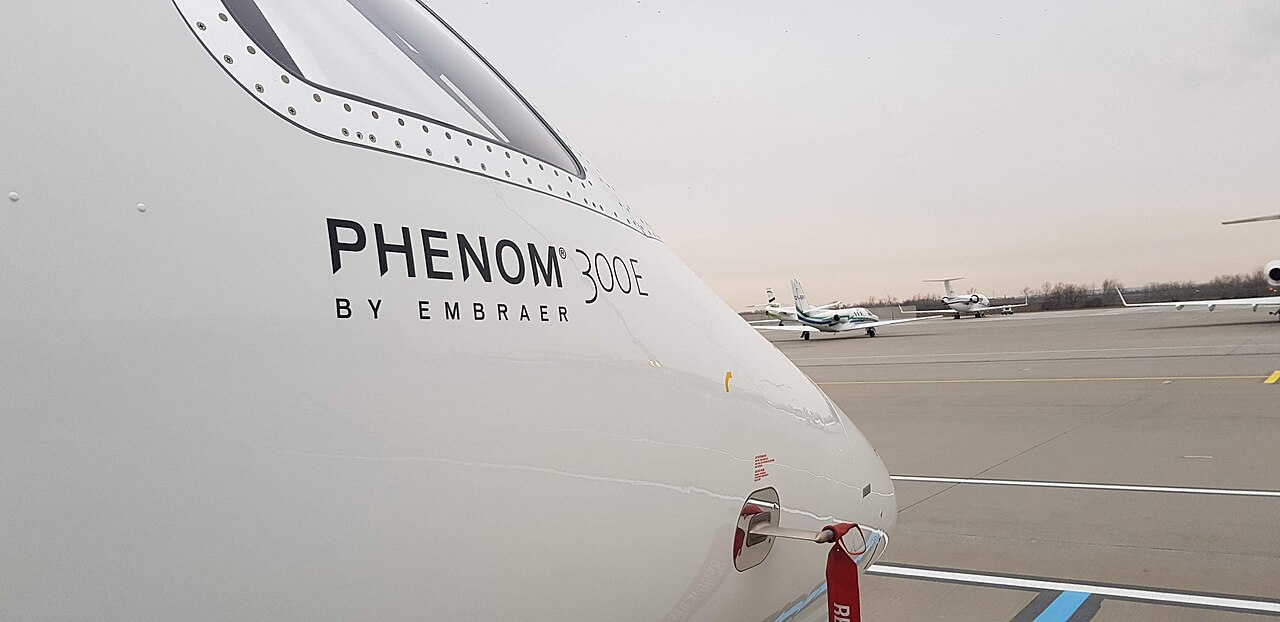
Photo: The.rud, CC BY-SA 4.0, via Wikimedia Commons
The Embraer Phenom 300E leads the light jet segment and has strong short-runway performance. It needs only 3,209 feet for takeoff, so it can use smaller airfields and gives more flexibility in flight planning.
Its efficient aerodynamics and Pratt & Whitney Canada PW535E1 engines deliver both economy and a top speed of 464 knots. That mix of speed, range and runway flexibility makes the 300E a favorite for business and leisure travel.
Inside, the Phenom 300E has a spacious cabin for a light jet. It can carry up to 10 passengers and offers large windows, refined finishes and a modern in-flight entertainment system.
The cockpit features Embraer’s Prodigy Touch flight deck, based on the Garmin G3000, with an intuitive interface and comprehensive flight information. Performance, comfort and access earn the Phenom 300E its place on this list.
3. Cessna Citation CJ4: Mastering Short Runway Operations
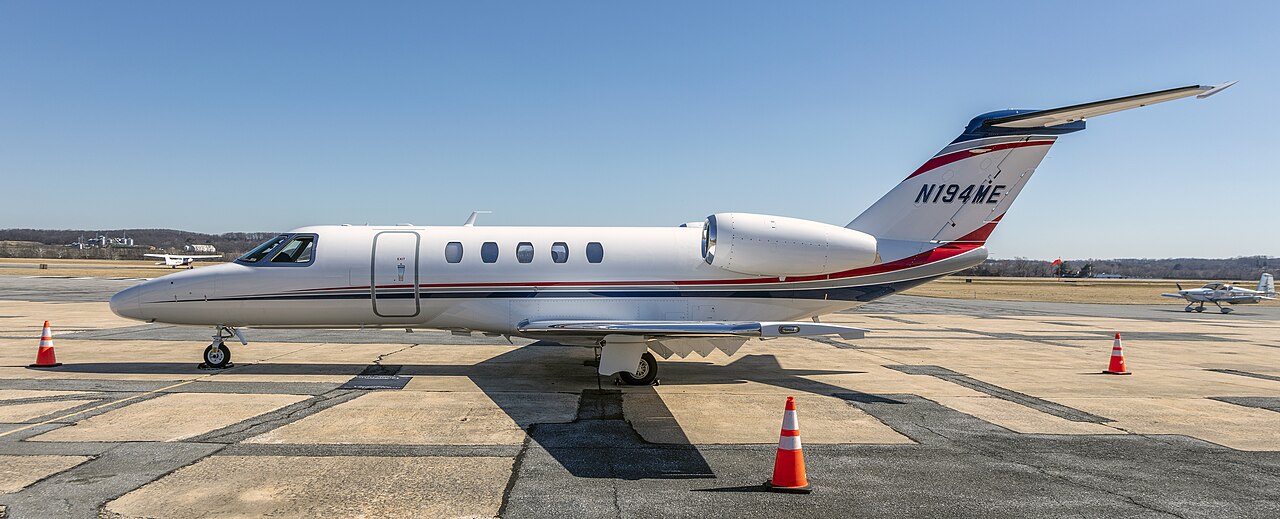
Photo: Acroterion, CC BY-SA 4.0, via Wikimedia Commons
The Cessna Citation CJ4 is another strong performer on short runways. Part of Cessna’s long-running Citation family, it combines performance, reliability and efficiency.
It needs just 3,410 feet of runway for takeoff, which gives it access to many smaller, less congested airports. Its Williams International FJ44-4A turbofans and efficient wing provide both speed and good field performance.
The cabin is comfortable and practical. It can seat up to 10 passengers and has a modern cabin management system that lets passengers control lighting, temperature and entertainment.
The Collins Aerospace Pro Line 21 avionics suite supports precise navigation and a smooth, safe flight. Combined with its short-runway ability, these qualities make the CJ4 an excellent choice for travelers who value efficiency, comfort and a wide choice of destinations.
4. Cirrus Vision Jet SF50: Revolutionizing Short Runway Access

Photo: Acroterion, CC BY-SA 4.0, via Wikimedia Commons
The Cirrus Vision Jet SF50 changed the private jet market and has the best short-field performance on this list. It needs just 2,036 feet for takeoff, so it can use small airports that most jets cannot.
Its single-engine design and V-tail make it unique among private jets and well suited to owner-pilots. A Williams International FJ33-5A turbofan provides a good balance of power and efficiency.
The cabin focuses on comfort and visibility. It carries up to seven people, including the pilot, in a cabin with large panoramic windows. Its most notable feature is the Cirrus Airframe Parachute System (CAPS), a whole-aircraft parachute that was a first for a certified jet.
The cockpit uses Cirrus Perspective Touch+ by Garmin, an intuitive avionics suite that simplifies flying. With its unconventional design and short-runway ability, the Vision Jet has opened private jet flying to a new group of owners.
5. Embraer Phenom 100EV: Compact Jet, Impressive Runway Capability
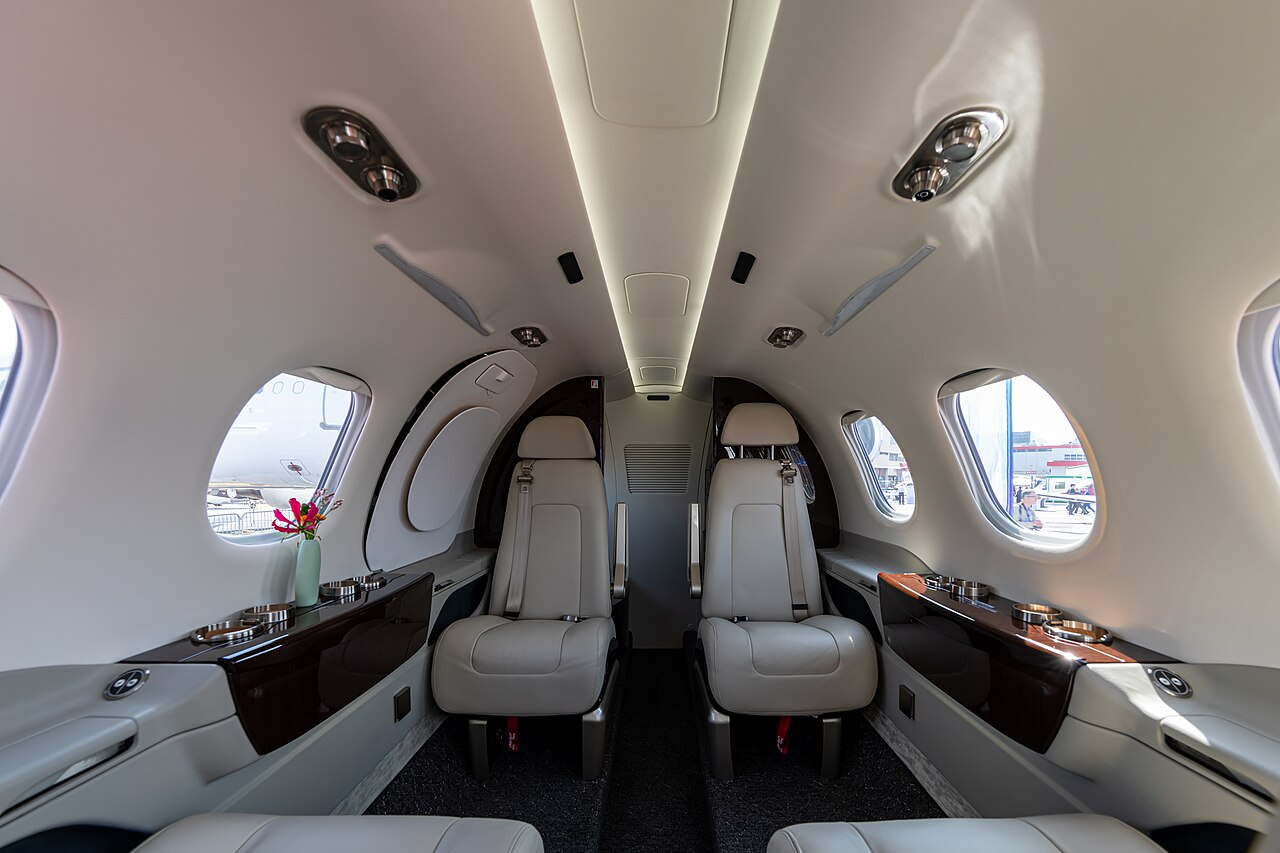
Photo: Matti Blume, CC BY-SA 4.0, via Wikimedia Commons
The Embraer Phenom 100EV is one of the best short-runway performers in the very light jet class. It needs only 3,125 feet of runway for takeoff, so it can use a wide range of airports. Its Pratt & Whitney Canada PW617F1-E engines provide the thrust needed for short runways while keeping fuel burn and operating costs down.
The cabin is well designed, with a comfortable and elegant environment for up to six passengers. Options include high-speed internet, cabin controls and a refreshment center.
For pilots, the Prodigy Touch flight deck, based on Garmin’s G3000, provides strong situational awareness and flight management. Short-runway agility, a refined cabin and modern technology put the Phenom 100EV at the front of the very light jet class.
What are short runway takeoff capabilities in private jets?
Why are short runway takeoff capabilities important for private jet owners?
What factors contribute to a private jet’s short runway takeoff capabilities?
How do short runway takeoff capabilities benefit private jet owners and operators?
See what your trip would cost
Enter your departure and arrival airports, group size and travel dates to get a charter price.