
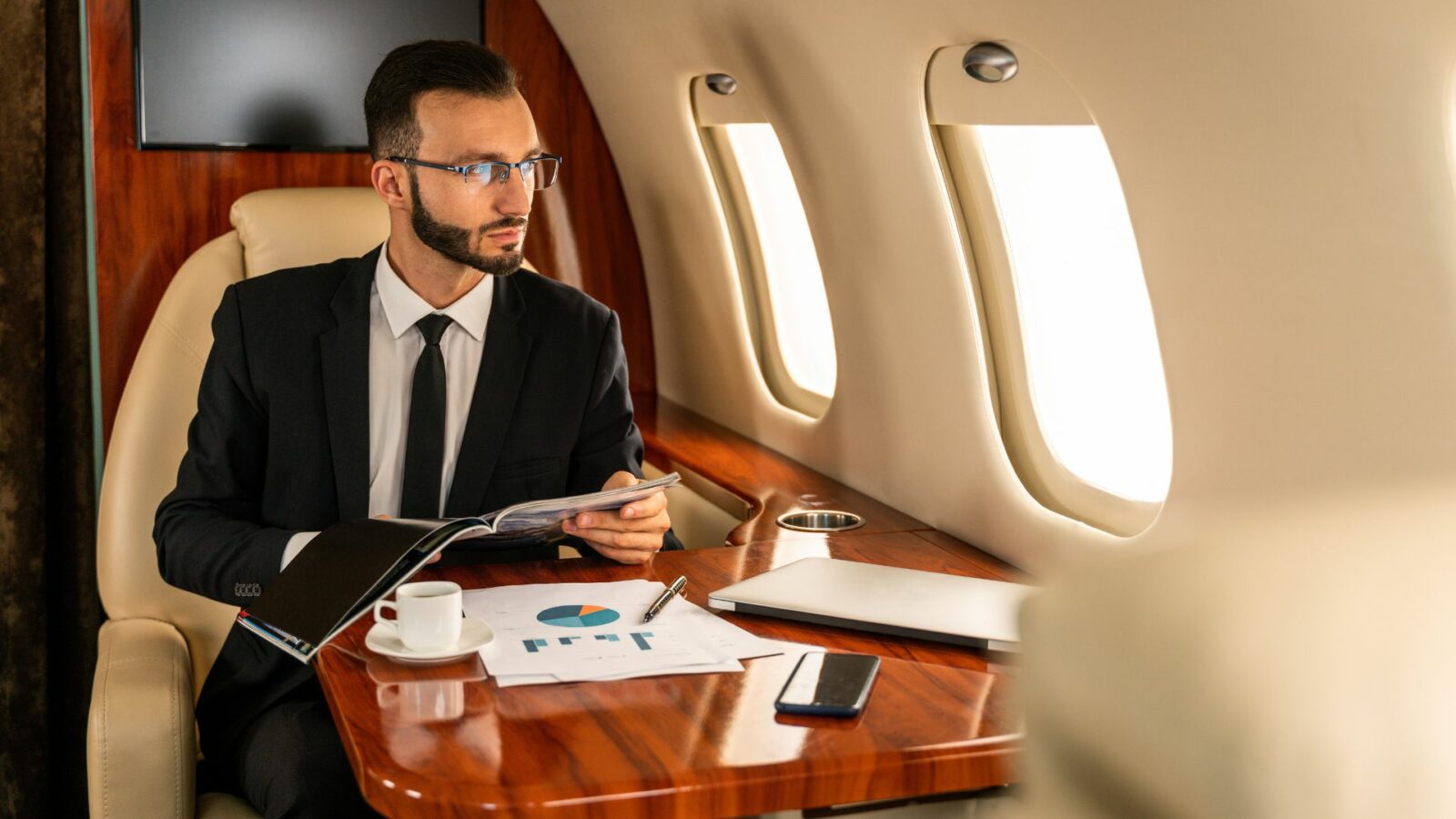
For senior executives, time is the scarcest resource. As companies operate across more cities and markets, the need for fast, flexible travel keeps growing, and private jets have become a practical business tool. Used well, a private jet is not a status symbol but an investment in efficiency, productivity and the well-being of the people who fly on it.
This article looks at the main advantages of private jet travel for business. We cover how it saves time, how it turns the cabin into a working office and how it compares with commercial travel on cost, comfort and confidentiality. From fast boarding to a tailored in-flight experience, private jets combine convenience, comfort and discretion that commercial airlines cannot match.
1. Efficiency and Time-Saving
Private jets cut the time spent on the ground. There is no long check-in or crowded security line, and passengers usually board within minutes of arriving at the terminal. Jets can fly directly to many smaller airports that airlines don’t serve, which makes trips to remote locations much faster. Flights can be arranged at short notice to fit a tight schedule. Visiting several cities in a single day, without overnight stays, is a major advantage for time-sensitive business.
2. Enhanced Productivity
A private cabin is quiet and private, so passengers can work without interruption. With a table, power and space to spread out, travel time can be used for meetings, focused work or rest. Confidentiality makes it possible to discuss sensitive matters openly. Less travel stress and fewer distractions than on a commercial flight also help passengers stay focused.
3. Connectivity and Technology
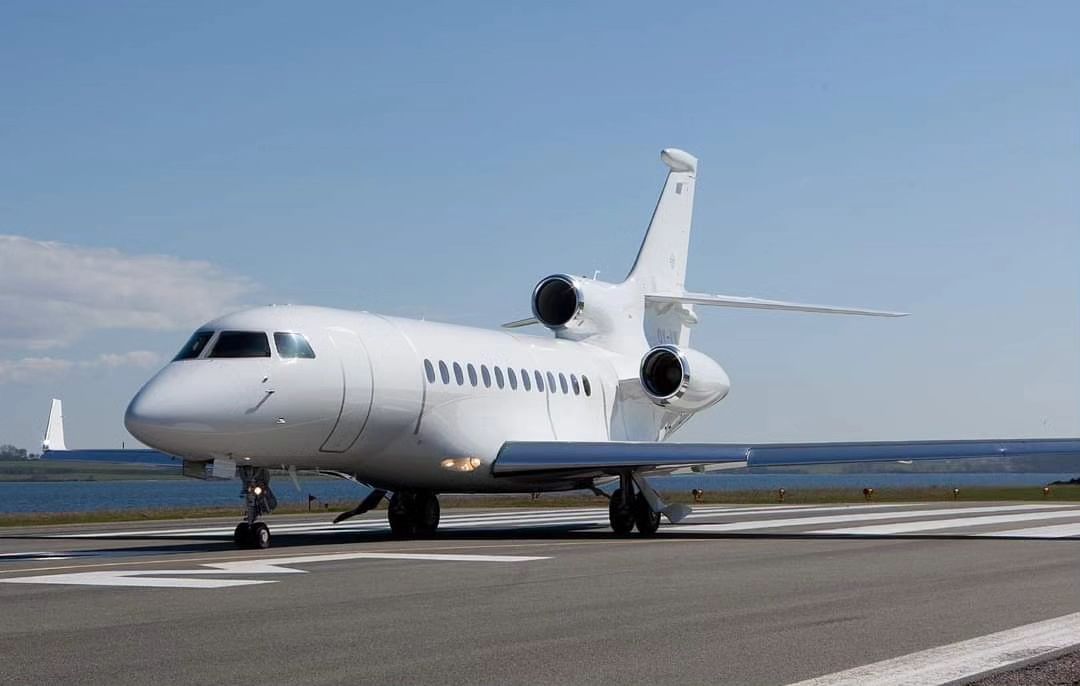
Photo credit: instagram.com
Many modern private jets are equipped with high-speed internet, so passengers can stay connected and work efficiently in the air. Connectivity varies widely, though: some light and older jets have slow Wi-Fi or none at all, so confirm what is installed when you book. On well-equipped aircraft, reliable communication is especially valuable for global businesses that depend on constant contact. Entertainment systems also make long flights more relaxing.
4. Comfort and Well-being
Private jet cabins are designed for comfort, with generous seating, space to move around and high-quality catering. That comfort reduces travel fatigue, so passengers arrive refreshed and ready for business. On larger jets, the cabin can be set up for rest, dining or meetings. Many modern private jets also have a lower cabin altitude and better air quality than older aircraft, which further reduces fatigue.
5. Customization and Flexibility
Private jet travel is highly flexible. Passengers can choose the aircraft that fits each trip, based on range, cabin size and amenities. Departure times are set around the passenger’s schedule, a level of control that commercial flights cannot offer. Onboard service is flexible too, with catering and amenities tailored to personal preferences.
6. Privacy and Security
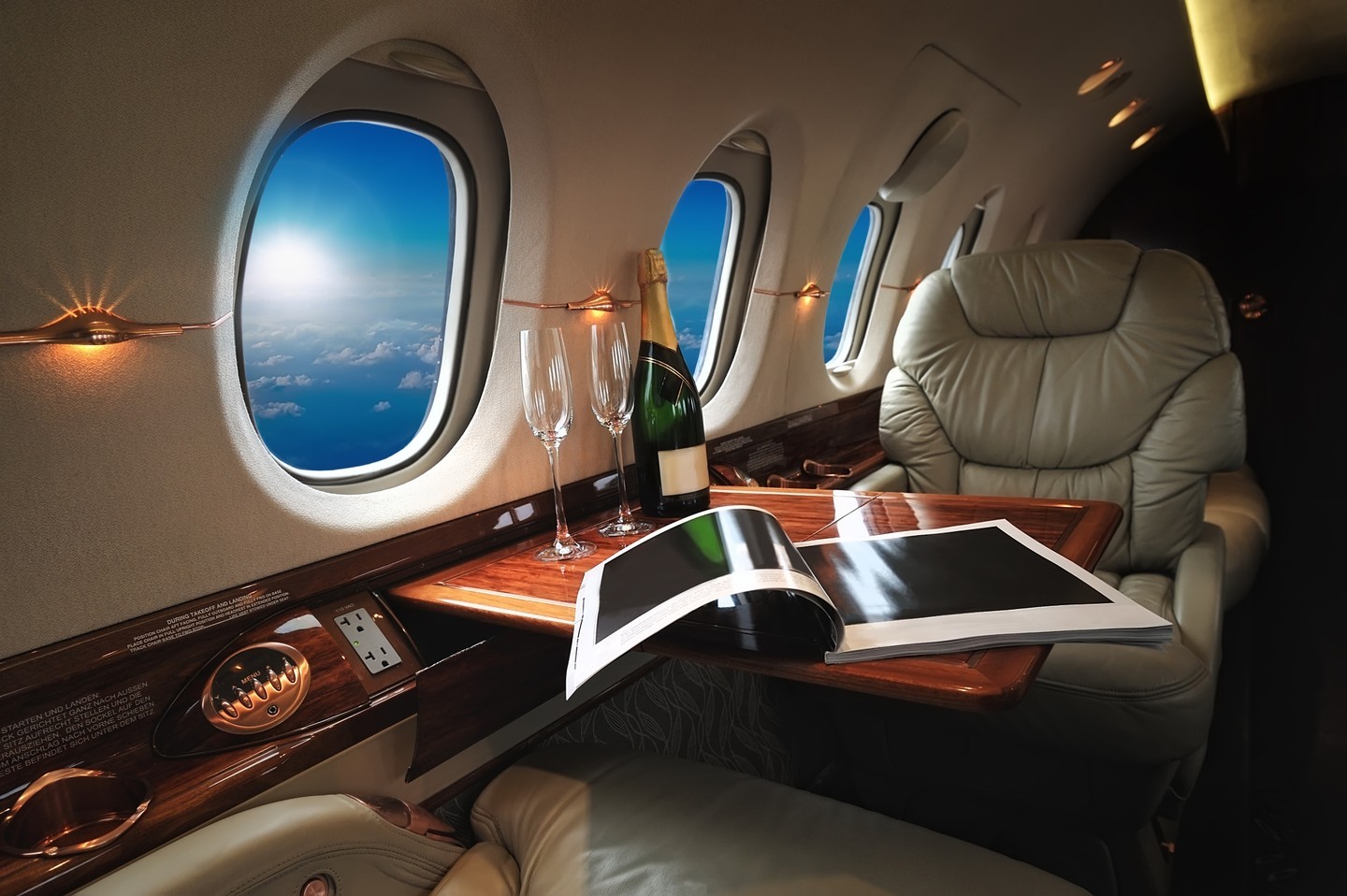
Photo credit: instagram.com
Private jet travel offers a high level of privacy and security, which matters for VIPs and senior executives. Private terminals and lounges keep arrivals and departures discreet. That privacy is important when carrying sensitive documents or holding confidential conversations. Operators can also arrange additional security measures when needed.
7. Economic Considerations
Private jet travel costs more upfront than commercial flights, but the time saved and the productivity gained can make it worthwhile for businesses. When several executives travel together, the cost of a charter can come closer to the price of multiple first-class tickets. Many companies find the time savings justify the expense, especially for their most senior people.
8. Environmental Impact and Sustainability
The private aviation industry is working to reduce its environmental impact. Many operators now offer carbon offset programs so businesses can compensate for their emissions. Newer aircraft and engines burn less fuel than older models. The industry is also increasing its use of sustainable aviation fuels (SAF) to cut emissions further.
9. What It Looks Like in Practice

Photo credit: instagram.com
Consider a typical example. A leadership team needs to visit three regional sites in one day. By airline, that could mean connecting flights, at least one night in a hotel and two or three days away from the office. By private jet, the team leaves in the morning from a private terminal close to home, flies directly to small airports near each site and is home the same evening. The flights become working sessions, and the team gains back days of productive time.
10. Future Trends
The future of private aviation centers on new technology, sustainability and wider access. Electric and hybrid-electric aircraft are in development and promise cleaner options for short trips. The industry is also opening private flying to more travelers through shared services, jet cards and fractional ownership.
Private jet travel for business is more than a symbol of luxury. It is a practical tool for saving time and working effectively. Flexibility, direct routes and a cabin suited to both work and rest let business leaders make far better use of their travel time.
As technology improves and sustainability efforts grow, private aviation is becoming a practical, efficient choice for companies competing in global markets. Every hour in the air can be an hour of productive work.