

Private aviation has long meant luxury and exclusivity, and a high price. Over the past two decades, new technology and stronger competition have produced a group of aircraft that deliver the benefits of private flying at a much lower cost than larger jets.
This article looks at the seven most affordable private jet models and one turboprop alternative included in the list: their features, their prices and why they stand out. Prices are approximate, change every year and depend on equipment, so treat them as a guide and ask the manufacturer or a broker for a current quote.
Planning a private flight?
Tell us your route, number of passengers and dates, and get a private jet charter price for your trip.
1. Cessna Citation CJ3+
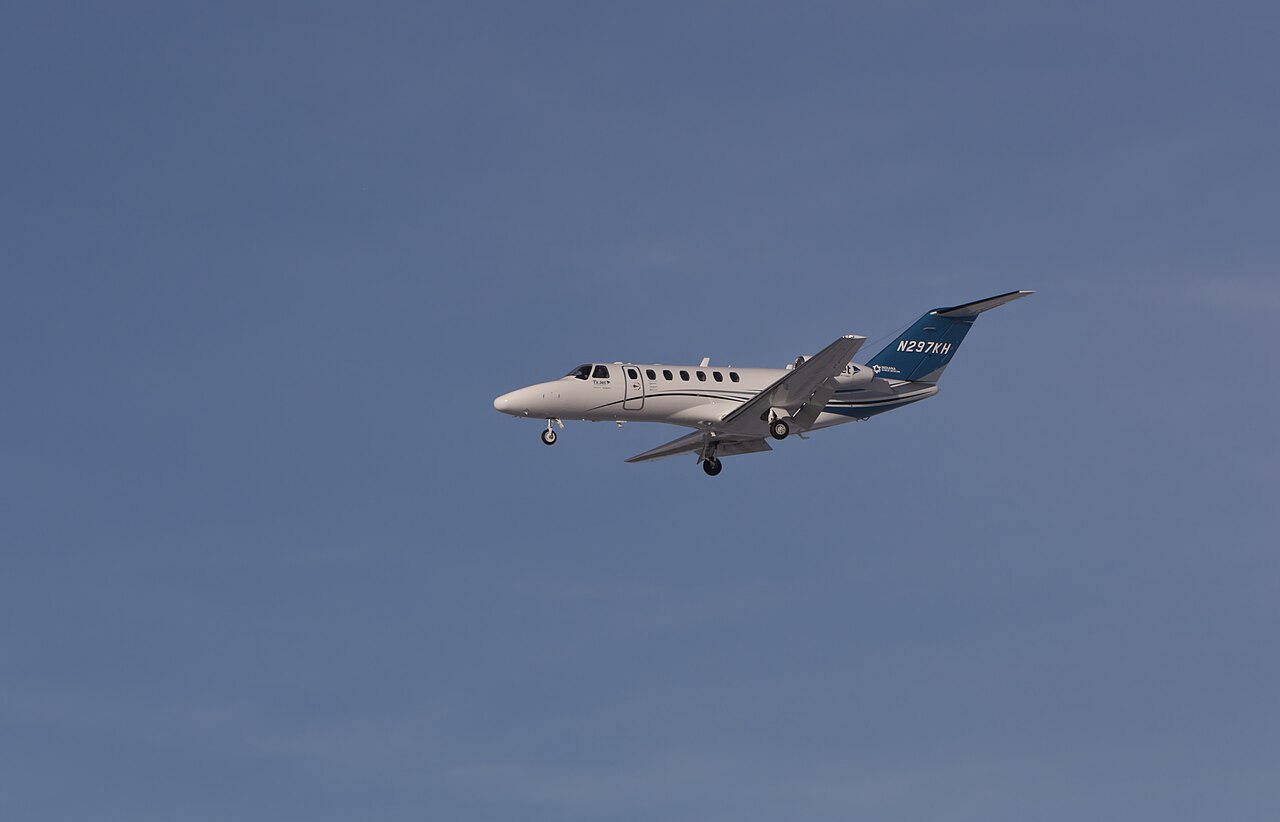
Photo: Sixflashphoto, CC BY-SA 4.0, via Wikimedia Commons
The Cessna Citation CJ3+ is a light jet known for its efficiency, reliability and performance. Its low operating costs make it a popular choice for owners who want a capable jet without a large-jet budget. Two Williams International FJ44-3A turbofans power the aircraft and deliver strong performance with good fuel economy.
The CJ3+ has a range of 2,040 nautical miles and a maximum cruise speed of 416 knots (about 478 mph). That efficiency means lower operating costs than many jets in its class. Its Garmin G3000 avionics improve safety and reduce pilot workload, which matters to owner-pilots and flight departments alike.
Low maintenance and operating costs are the main reason the CJ3+ ranks among the most affordable private jets. A new, well-equipped CJ3+ has been priced at around $10 million, and pre-owned examples cost less. Cessna designed it for simplicity and reliability, which keeps maintenance less frequent and less complex. For owners who watch long-term costs, that is a major advantage. Cessna has since certified an updated version, the CJ3 Gen2.
The cabin seats up to nine passengers, though six or seven is more typical for comfort, and it has generous baggage space. This mix of practicality, comfort and low running costs makes the CJ3+ an attractive choice for owners and charter customers alike.
2. Embraer Phenom 300E
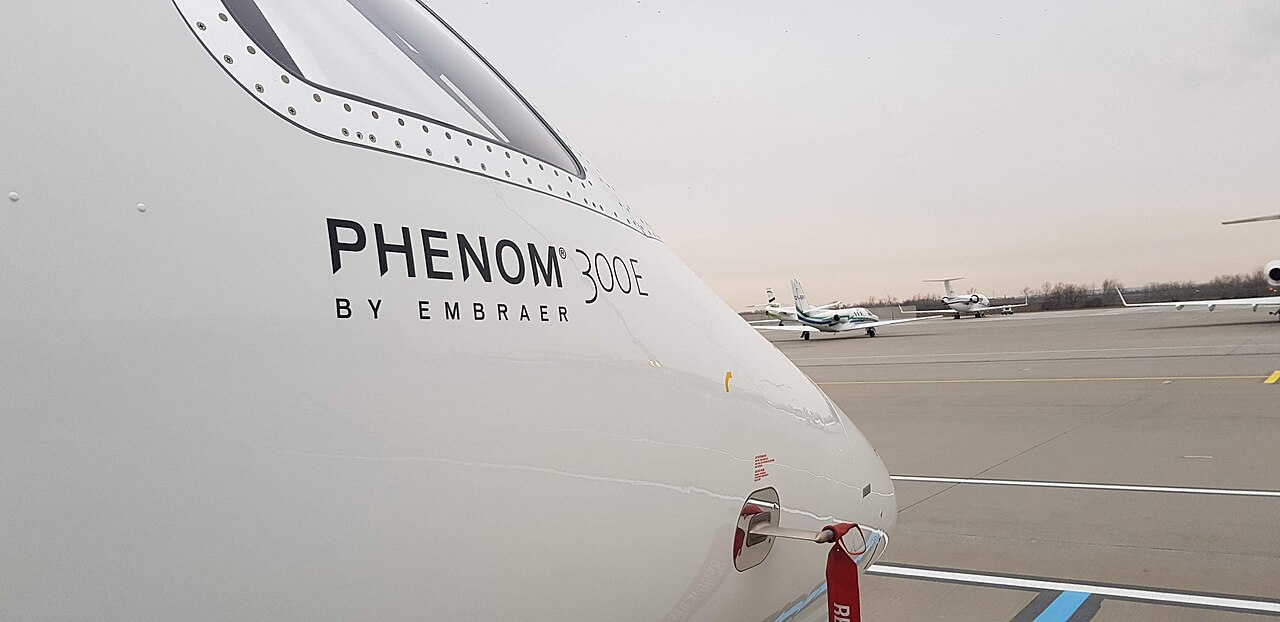
Photo: The.rud, CC BY-SA 4.0, via Wikimedia Commons
The Embraer Phenom 300E is one of the best-selling light jets in the world, thanks to its performance, modern technology and cost-efficiency. It is powered by two Pratt & Whitney Canada PW535E1 engines that combine speed, range and fuel efficiency, which keeps fuel burn and operating costs down.
The latest Phenom 300E has a range of about 2,010 nautical miles and a top speed of 464 knots (about 534 mph), the fastest in its class. It uses the Prodigy Touch flight deck, based on Garmin’s G3000 system, which improves safety and reduces pilot workload. Its aerodynamic design adds to its efficiency.
The Phenom 300E is considered one of the most cost-effective jets because its operating and maintenance costs are low for its size. A new, well-equipped Phenom 300E costs around $11 million, which is competitive for a jet with its performance and cabin. Durable materials and long maintenance intervals help lower the total cost of ownership.
The cabin is spacious and comfortable. It usually seats six to eight passengers and up to ten with optional seating, which suits both business and leisure travel. Together, these strengths make the Phenom 300E an attractive option for buyers who want strong performance without the cost of a larger jet.
3. HondaJet Elite
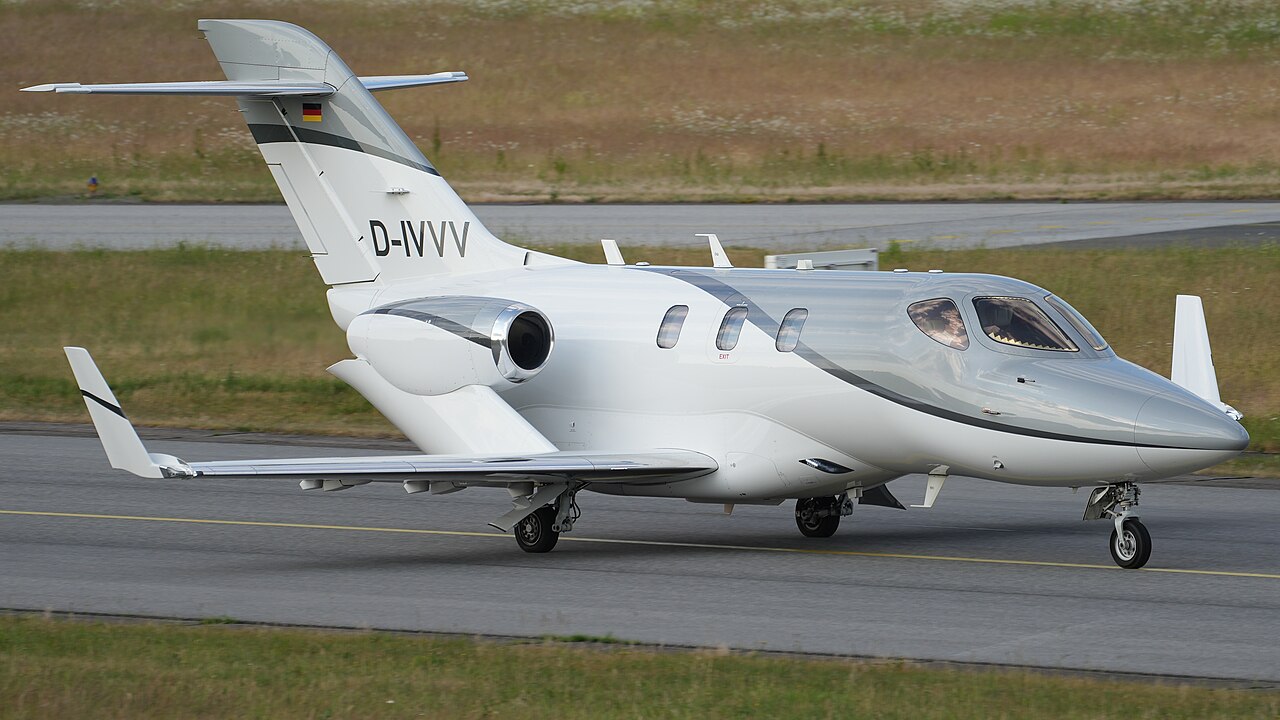
Photo: MarcelX42, CC BY-SA 4.0, via Wikimedia Commons
HondaJet Elite is a light jet known for its innovative design. Its signature feature is the over-the-wing engine mount, which reduces drag, improves fuel efficiency and makes the cabin quieter.
The jet is powered by two GE Honda HF120 engines, known for their fuel efficiency and reliability. The Elite has a range of about 1,437 nautical miles and a top speed of 422 knots (about 486 mph). Garmin G3000 avionics improve safety and make the aircraft easier to fly.
The HondaJet is one of the least expensive twin-engine jets to operate. Its efficient engines and aerodynamic design reduce fuel burn, the largest single operating expense. The Elite was priced at about $5.25 million when it launched in 2018. Its successor, the HondaJet Elite II, launched in 2022 at about $7 million, with more range. Honda also designed the aircraft for straightforward maintenance.
For its class, the cabin is surprisingly spacious and seats up to seven people. The combination of efficiency, modest maintenance needs and comfort makes the HondaJet a favorite with owner-pilots and small businesses.
4. Beechcraft King Air 260
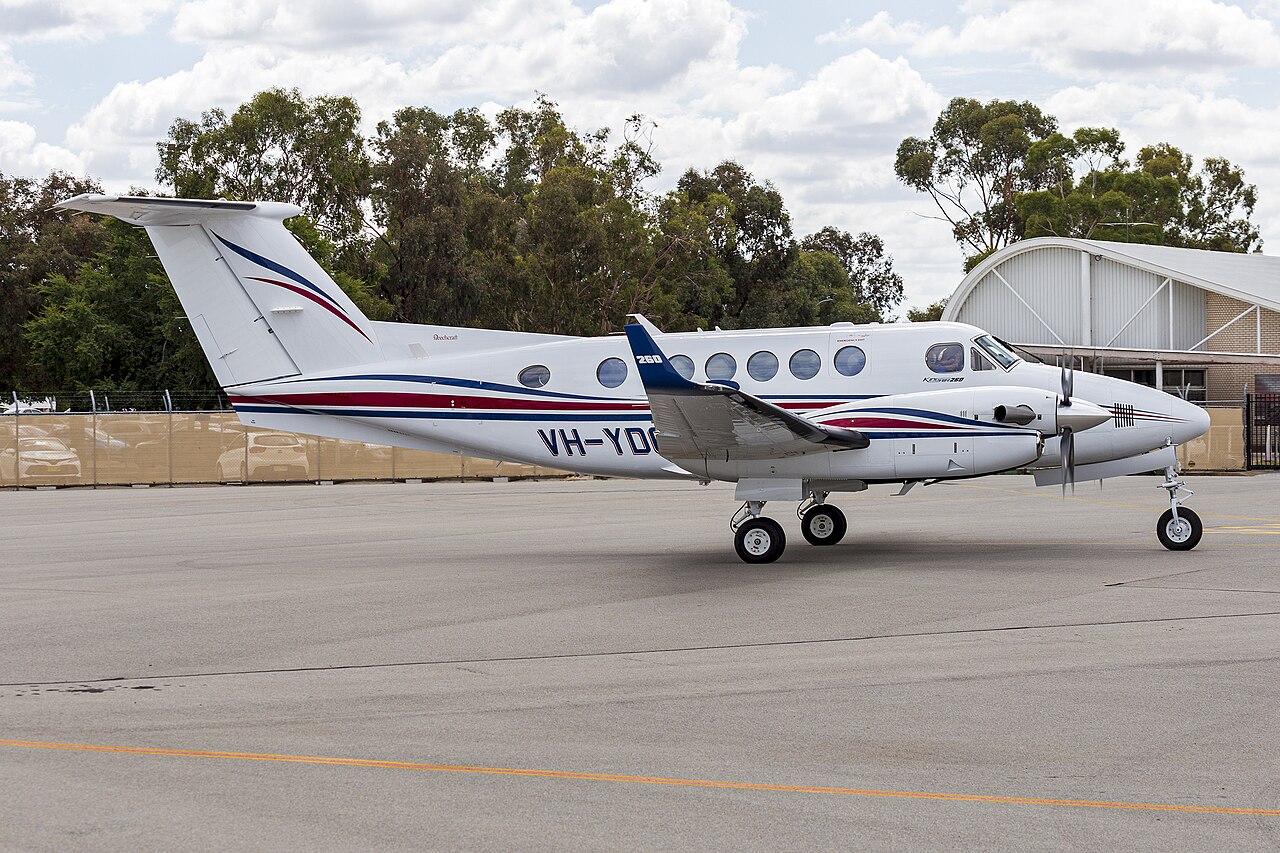
Photo: Robert Myers, CC BY-SA 3.0 AU, via Wikimedia Commons
The Beechcraft King Air 260 is the one aircraft on this list that is not a jet. It is a twin-engine turboprop, included as a budget-friendly alternative to a light jet. It is the latest version of the long-running King Air series and is known for its versatility and reliability. Two Pratt & Whitney Canada PT6A-52 engines give it a range of about 1,720 nautical miles and a cruise speed of about 310 knots (roughly 357 mph), ideal for short- to medium-range trips.
The PT6A engines are famous for their durability and balance performance with fuel economy. The aircraft uses the Collins Aerospace Pro Line Fusion avionics suite, which simplifies operations and improves safety. The King Air can also use shorter runways and rougher airfields than most jets, which opens up more destinations.
The King Air 260 costs less to operate and maintain than similarly sized jets. AOPA lists its new price at around $6.4 million, and the final figure depends on equipment. Turboprop engines burn less fuel on short trips, which cuts operating expenses.
Its robust build and proven reliability keep maintenance demands low. The cabin is compact but well appointed and seats up to nine passengers, making it suitable for both business and personal travel. For travelers whose trips are mostly short, it is one of the most economical ways to fly privately.
5. Pilatus PC-24
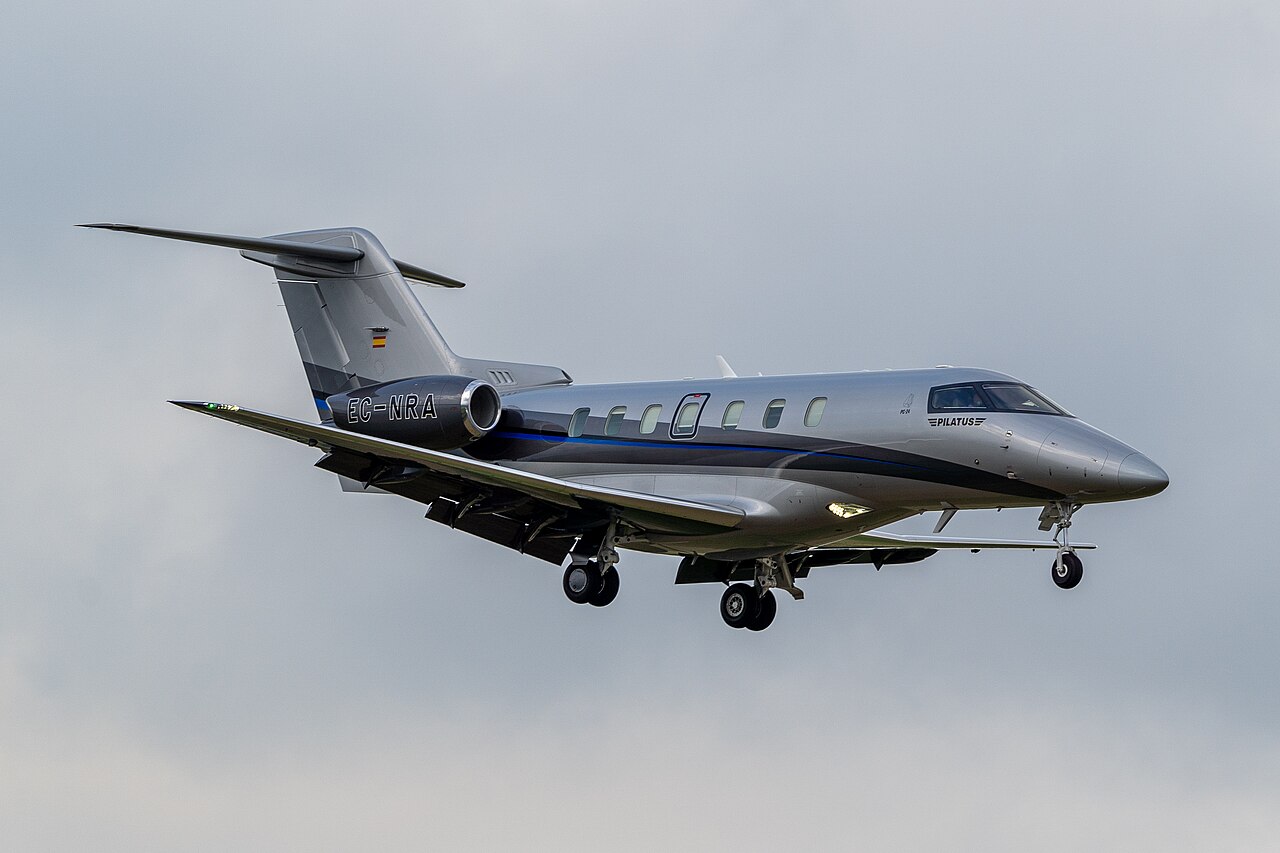
Photo: Hugo LUC, CC BY-SA 4.0, via Wikimedia Commons
The Pilatus PC-24 stands out for its versatility, performance and efficiency. Pilatus calls it the “Super Versatile Jet” because it can operate from short and even unpaved runways, something few jets can do. That opens up more airports, often closer to your final destination, and saves time on ground transportation.
The aircraft is powered by two Williams FJ44-4A engines, known for their fuel efficiency and reliability. It has a range of about 2,000 nautical miles and a maximum cruise speed of 440 knots (about 506 mph). Its modern avionics improve safety and efficiency.
The PC-24 offers good value for what it can do, with reasonable operating and maintenance costs. It launched at about $8.9 million in 2017, and a well-equipped new aircraft has since risen to about $12 million. Few jets in this price range combine short-field ability with a large cabin.
The PC-24 is also designed for durability and easy maintenance, which lowers the overall cost of ownership. Its spacious cabin can be configured in several ways and seats up to ten passengers. Its access to more airports and the time it saves make it a popular choice for individuals and businesses.
6. Cirrus Vision Jet
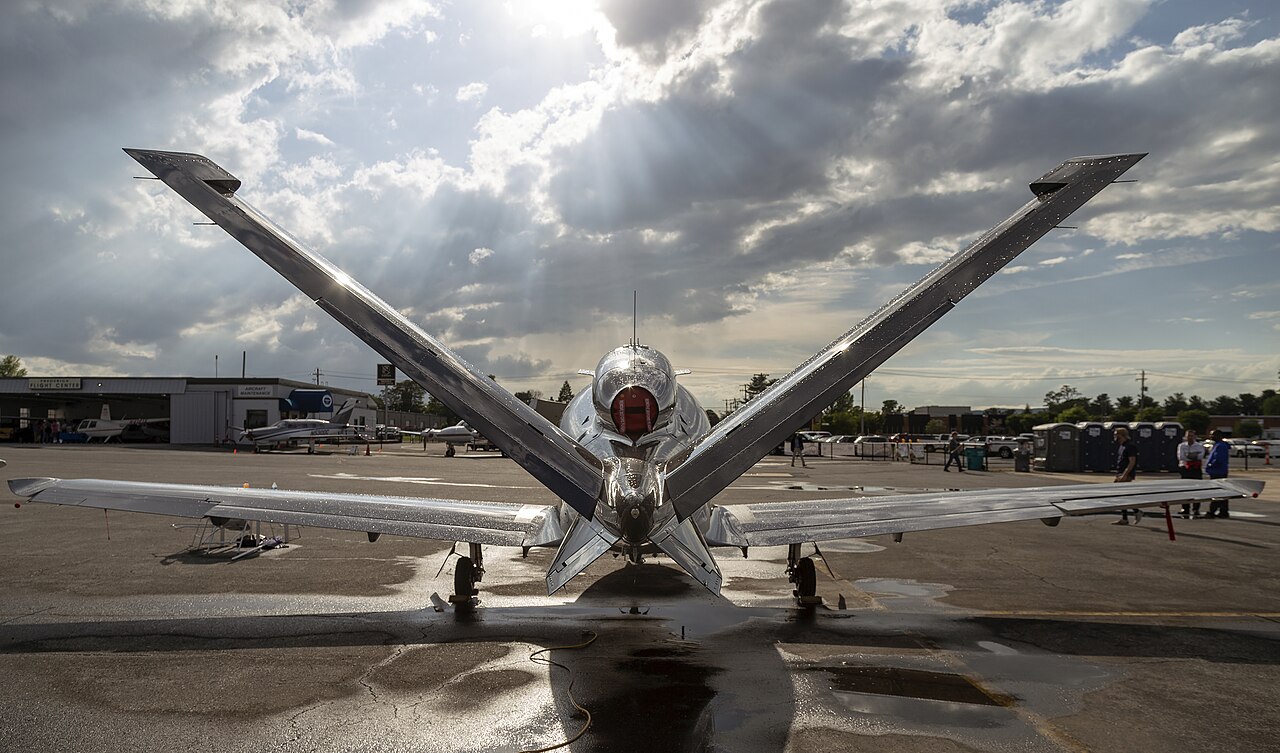
Photo: Acroterion, CC BY-SA 4.0, via Wikimedia Commons
Cirrus Vision Jet, the first single-engine personal jet to enter service, has created its own niche in private aviation through innovation, simplicity and affordability. A single Williams International FJ33-5A turbofan powers it, which cuts maintenance and operating costs compared with twin-engine jets. The current G3 version, which replaced the G2+ in 2026, has a range of about 1,275 nautical miles and a top speed of about 317 knots (roughly 365 mph).
The Vision Jet is celebrated for its ease of flying and for its Cirrus Airframe Parachute System (CAPS), a whole-aircraft parachute that appeals to owner-pilots. Garmin Perspective Touch+ avionics simplify navigation and flight planning, and the Safe Return emergency autoland system can land the aircraft at the push of a button.
The Vision Jet stands out for its low purchase price and operating costs. A new Vision Jet starts at around $3 million to $3.5 million, depending on options, which makes it the most affordable new private jet on the market. The single engine lowers the purchase price and also reduces fuel, maintenance and insurance costs, a major factor for cost-conscious owners.
The cabin is smaller than in larger business jets but is stylishly designed and seats up to five adults and two children. Its combination of affordability, safety features and private jet comfort makes the Vision Jet an attractive entry point into private aviation.
7. Bombardier Learjet 75 Liberty
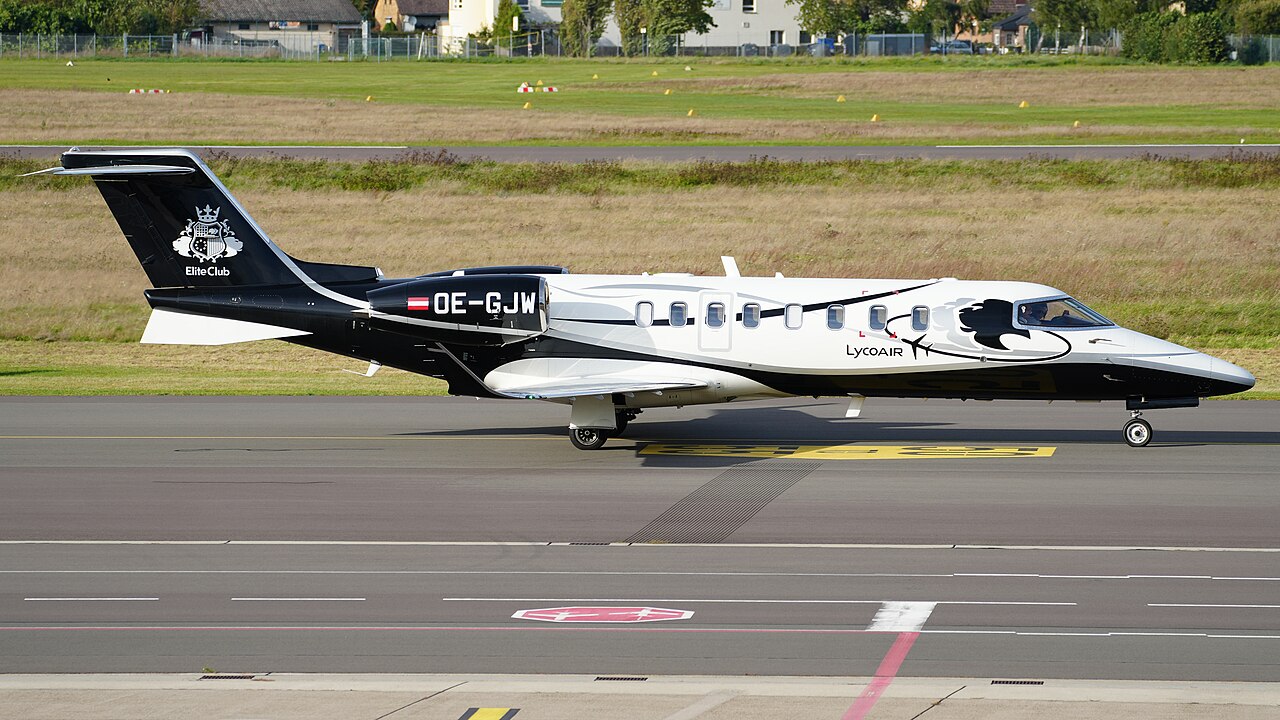
Photo: MarcelX42, CC BY-SA 4.0, via Wikimedia Commons
Bombardier Learjet 75 Liberty is a light jet known for its performance, comfort and value. It builds on the Learjet legacy with high speed and a range that compares well with other jets in its class. Two Honeywell TFE731-40BR engines power it. It has a range of about 2,080 nautical miles and a top speed of 465 knots (about 535 mph).
The Learjet 75 Liberty has the Bombardier Vision flight deck, based on the Garmin G5000 system. These modern avionics improve safety and efficiency and appeal to both experienced and newer pilots.
The Liberty was launched in 2018 at about $9.9 million, well below other jets with similar speed and range. Bombardier ended Learjet production in 2021, so the Learjet 75 Liberty is now available only pre-owned. Used prices vary with age, hours and condition, and are usually well below the original list price. Bombardier continues to support the fleet.
The Liberty is defined by its six-seat executive cabin, with comfortable club seating and plenty of legroom. For buyers who want a fast, capable light jet on the pre-owned market, it remains an attractive option.
The right choice depends on how you fly. The Vision Jet and HondaJet suit owner-pilots on shorter trips. The CJ3+, Phenom 300E and PC-24 carry more people farther, and the PC-24 adds short-field access. The King Air 260 is the most economical choice for short hops, while a pre-owned Learjet 75 Liberty offers speed for less. Purchase price is only part of the cost, so compare fuel, maintenance, crew and insurance before you decide.
FAQs
What are the factors influencing the affordability of private jet models?
How does the size of a private jet impact its affordability?
How can individuals or businesses determine the most cost-effective private jet model for their needs?
See what your trip would cost
Enter your departure and arrival airports, group size and travel dates to get a charter price.