

When the Pacific Palisades ignited on January 7, 2025, the resulting firestorm consumed neighborhoods, displaced thousands, and claimed 24 lives. It also, somewhat predictably, consumed Leonardo DiCaprio’s reputation for a few news cycles. On January 10, three days into the disaster, DiCaprio was photographed arriving in Cabo San Lucas with his girlfriend, Vittoria Ceretti, and his father. They flew private. The internet did the rest.
By the time California’s Department of Forestry and Fire Protection tallied the damage, nearly 41,000 acres had burned and over 12,000 structures lay destroyed. The optics of a climate activist escaping on a high-emission aircraft while his city burned were, to put it gently, complicated. The backlash was swift and sharp. Critics called him a hypocrite. A fraud. A man who preaches sacrifice while practicing privilege.
The Inconvenient Math of Celebrity Environmentalism
Here’s what makes the DiCaprio story genuinely interesting rather than just another pile-on: the man has reportedly donated over $80 million toward sustainability causes over his career. His foundation has funded marine conservation, renewable energy projects, and climate policy advocacy on a scale that most governments would envy. His environmental commitment is not performative. It is documented, substantial, and ongoing.
And yet a single private jet flight can overshadow all of it in the public eye. That’s not a commentary on DiCaprio specifically. It’s a commentary on how the conversation around private aviation and climate responsibility has shifted. The rules of engagement have changed, and many high-profile flyers haven’t fully adjusted to that reality.
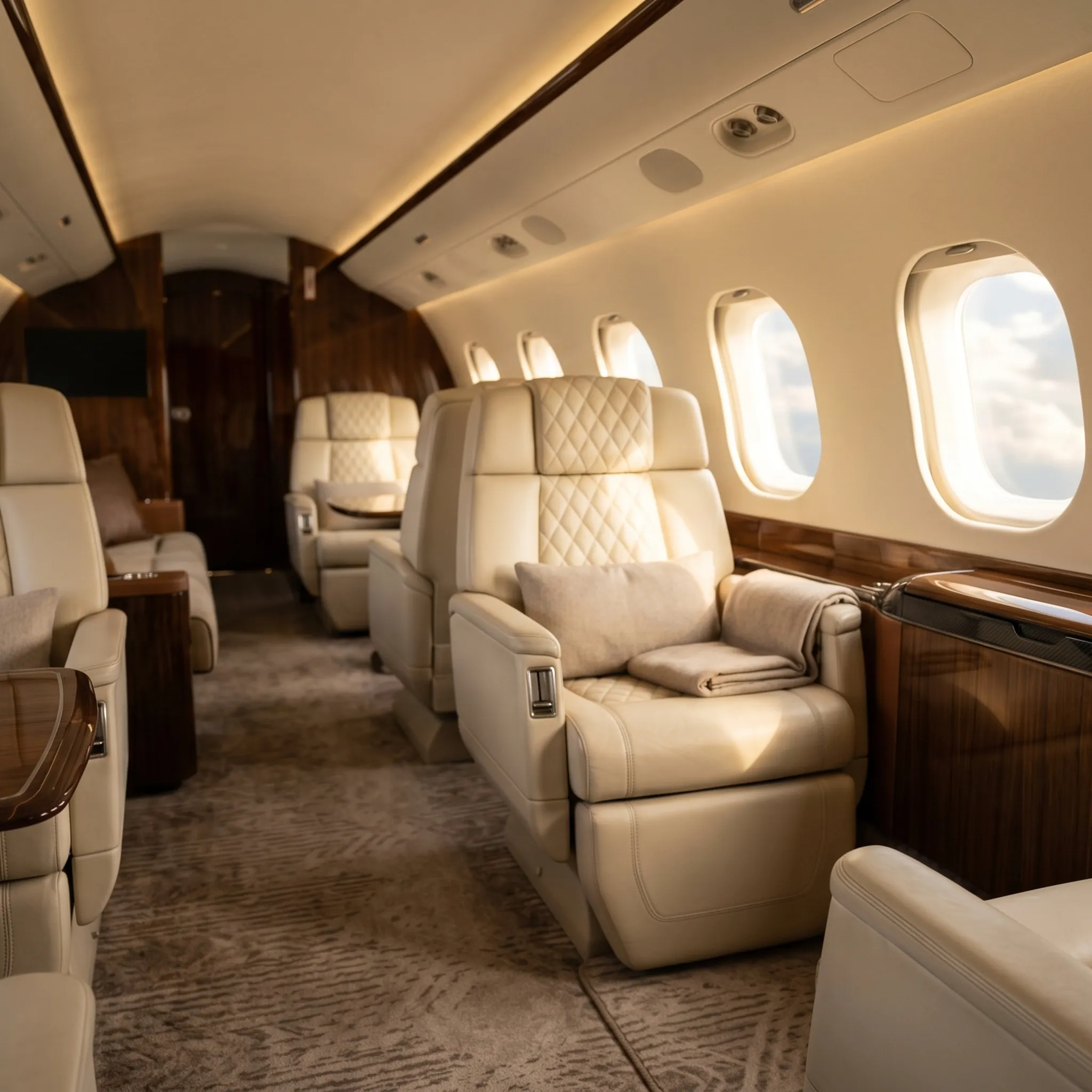
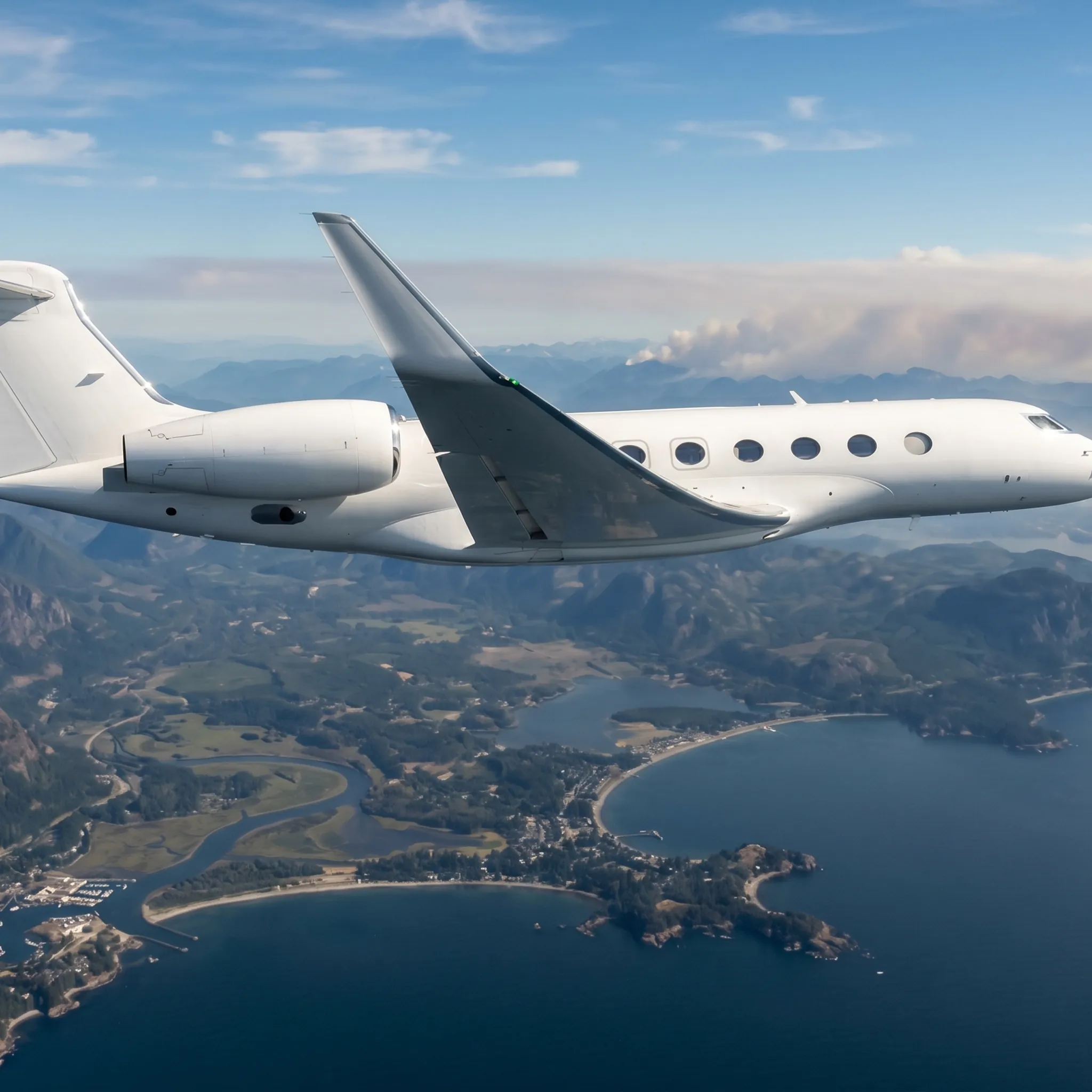
A typical large-cabin jet like a Gulfstream G550 burns roughly 400 to 450 gallons of Jet-A per hour. A Los Angeles to Cabo San Lucas flight runs about two hours. That’s somewhere around 900 gallons of fuel for a single trip, a carbon load that a carbon-conscious celebrity can’t easily explain away with a press release. Social media doesn’t grade on a curve.
Was This Actually an Emergency Evacuation?
Context matters here, and it’s been largely missing from the conversation. The fires were genuinely threatening large sections of Los Angeles. Mandatory evacuation orders were in effect across multiple neighborhoods. DiCaprio’s home in the area put him in the path of an active, fast-moving disaster. Chartering or boarding a private jet was, under those circumstances, a reasonable decision.
But perception doesn’t negotiate with context. The images showed a wealthy couple touching down in a Mexican resort town, and the headline practically wrote itself. The destination didn’t help. Cabo San Lucas is not a disaster shelter. It’s a vacation destination. Whatever the original motivation for the trip, the optics landed closer to leisure than evacuation.
That gap between reality and optics is exactly where reputational risk lives for high-profile private aviation users. And it’s a gap the industry is increasingly being asked to help close.
What High-Profile Flyers Are Doing Differently Now
The DiCaprio situation reflects a broader pattern that has reshaped how celebrities and executives approach private aviation communication. Since 2024, several high-profile figures have quietly adjusted their approach in response to what the industry has started calling the jet-shaming era, a period defined by flight-tracking apps, viral social media posts, and growing public scrutiny of personal carbon footprints.
The response from the private aviation world has been genuine, if uneven. Here’s where things stand for flyers who want to manage both their environmental impact and their reputation:
- Sustainable Aviation Fuel: SAF reduces lifecycle carbon emissions by up to 80% compared to conventional Jet-A and requires no aircraft modifications. Several major FBO chains now offer SAF blends at select locations, including in Southern California. The catch is cost. SAF currently runs three to four times the price of standard Jet-A, though that gap is narrowing as production scales.
- Carbon offset programs: Operators including VistaJet, NetJets, and Flexjet offer verified carbon offset programs tied to certified environmental projects. The quality of these programs varies significantly, so independent verification through standards like Gold Standard or Verra matters more than the program’s marketing language.
- Fleet transparency: Some operators now publish environmental performance data by aircraft type, allowing flyers to choose lower-emission options for shorter segments. A Pilatus PC-24 or Embraer Phenom 300 carries a fraction of the carbon footprint of a large-cabin jet on a two-hour hop.
- Flight necessity framing: Communications consultants now routinely advise high-profile clients to establish clear, documented criteria for when private aviation is used. Vague justifications invite scrutiny. Specific criteria, including safety concerns, emergency contexts, and production requirements, provide defensible ground.
The Industry’s Uncomfortable Position
Private aviation accounts for a small fraction of global aviation emissions, roughly two percent by most estimates. But it represents a disproportionately large share of public attention. That asymmetry has pushed manufacturers and operators into an unusual position: defending a product that their best customers sometimes feel they need to apologize for using.
Gulfstream, Bombardier, and Dassault have all invested heavily in next-generation efficiency. The Gulfstream G700 burns roughly 15% less fuel than the aircraft it effectively replaces in the large-cabin segment. Bombardier’s Global 7500 incorporates aerodynamic refinements that translate directly to reduced fuel burn per passenger mile. These gains are real. They’re also poorly understood by a public that sees any private jet as inherently indefensible.
For the industry, the DiCaprio story is a reminder that technical progress alone won’t resolve the optics problem. The narrative around luxury aviation and environmental accountability requires active management, not passive assumption that improvements will speak for themselves.
What This Means If You Fly Privately
Most private flyers aren’t Leonardo DiCaprio. They don’t have a climate activist brand to protect. They’re executives, entrepreneurs, and families who fly privately because it’s efficient, safe, and practical. The scrutiny they face is modest by comparison.
But the trend line is clear. Flight-tracking transparency will increase, not decrease. Public sensitivity around high-emission travel will grow alongside climate policy debates. And the association between private aviation and environmental irresponsibility will continue to be weaponized in political and media contexts.
The smarter approach isn’t to hide the habit. It’s to own it with genuine accountability attached. Fly SAF where available. Use offset programs that meet independent verification standards. Choose right-sized aircraft for the segment rather than defaulting to the largest option available. These aren’t just PR moves. They’re reasonable practices for flyers who take the issue seriously.
DiCaprio’s situation will fade, as these stories always do. But the structural tension between the lifestyle demands of high-profile individuals and the public’s evolving expectations around environmental behavior won’t. Private aviation’s challenge for the next decade isn’t building better aircraft. The aircraft are already remarkable. The challenge is building a credible story about how this industry fits into a world paying much closer attention to where the carbon goes.