
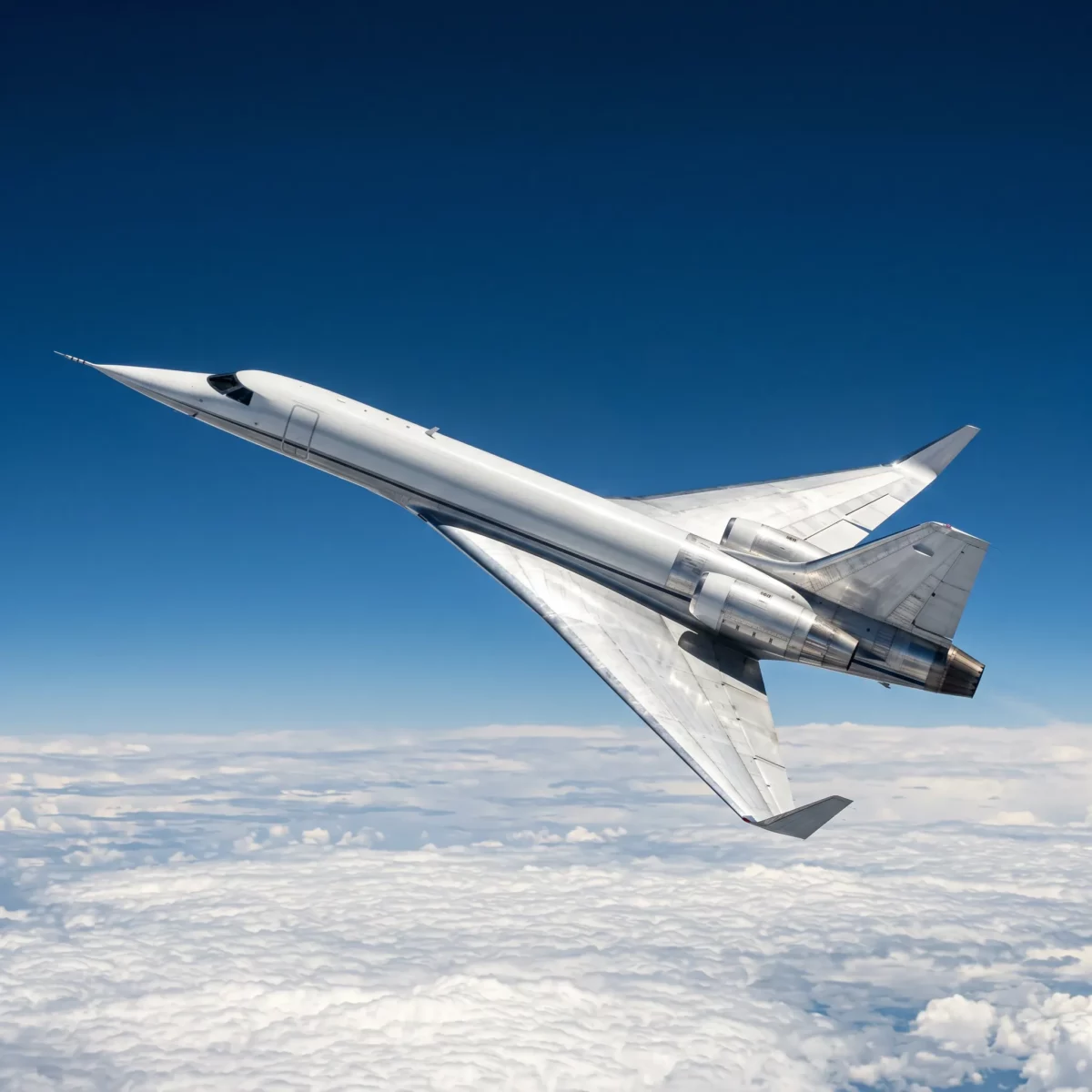
For more than half a century, a single regulatory line held back the speed of American skies. Cross the coastline heading inland, and you throttled back. The sonic boom ban, put in place in 1973, drew an invisible wall around the continental United States. No civil aircraft could go supersonic over land. Period. Now, the Federal Aviation Administration has formally initiated a rulemaking process to establish the regulatory frameworks needed to allow supersonic civil flight over land, and the implications for private aviation are bigger than most people realize.

Why This Ban Existed in the First Place
The rule traces back to the early days of commercial supersonic ambitions. The Concorde was generating headlines, and American regulators were fielding complaints about sonic booms during test flights over populated areas. The solution was blunt: ban supersonic flight over U.S. land entirely. It effectively ended any practical transatlantic or transcontinental supersonic routing for civil aircraft.
The Concorde flew for decades between New York and London, but it went supersonic only once it cleared the coast. The same applied on the return. Every minute saved over the Atlantic was negated by the requirement to crawl at subsonic speeds through U.S. airspace. For a domestic supersonic route, the ban made the entire concept commercially pointless.
The FAA’s move in 2026 signals something different. The agency isn’t simply updating old rules. It’s responding to a real and growing pipeline of supersonic aircraft that are actually getting built, and it’s building the legal scaffolding that overland supersonic operations would require.
The Aircraft Already in Development
The supersonic business jet space has matured considerably. Aerion Supersonic famously ran out of funding in 2021 before its AS2 could reach the runway, but its failure didn’t kill the market. It cleared the decks for better-capitalized programs.
Spike Aerospace has been quietly advancing its S-512 supersonic business jet, designed to carry 12 to 18 passengers at speeds approaching Mach 1.6, roughly 1,070 miles per hour. Boom Supersonic, better known for its Overture airliner, has laid important groundwork on propulsion and aerodynamics that the business aviation sector is drawing from directly. And newer entrants have absorbed the lessons from Aerion‘s collapse, focusing on keeping development costs realistic and regulatory pathways clear.
The FAA’s move changes the business case for all of them. An aircraft that can legally fly supersonic coast to coast is a fundamentally different product than one relegated to oceanic routes.
What the Flight Times Actually Look Like
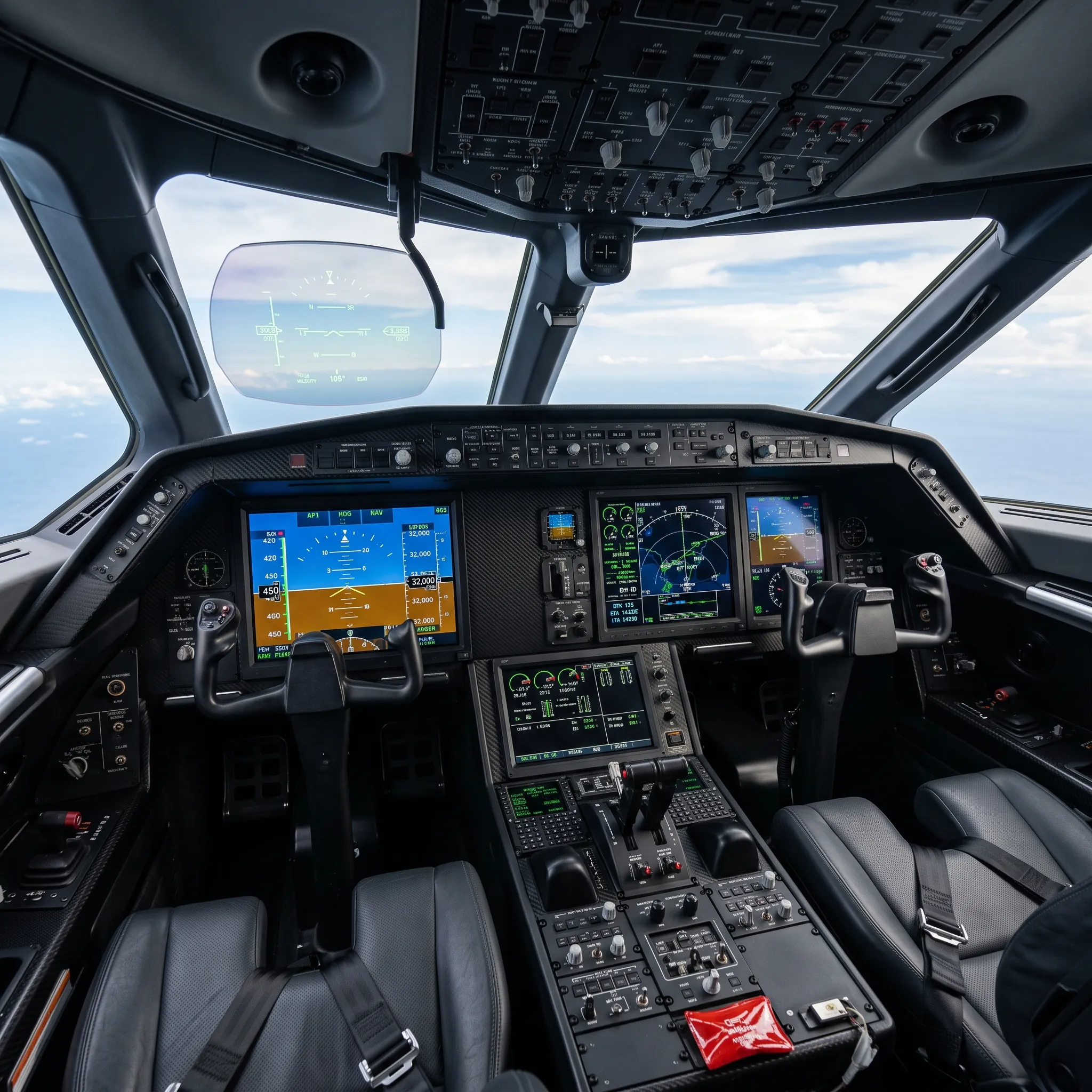
This is where things get genuinely interesting for business travelers. The time savings on domestic routes are not marginal. They’re transformational.
| Route | Current Best Time | Projected Supersonic Time |
|---|---|---|
| New York to Los Angeles | ~5 hrs 30 min | ~2 hrs 30 min |
| New York to Miami | ~3 hrs | ~1 hr 20 min |
| Chicago to Los Angeles | ~4 hrs 15 min | ~2 hrs |
| New York to London | ~7 hrs | ~3 hrs 30 min |
Flying from New York to Los Angeles in under three hours changes how you think about same-day meetings. A morning departure from Teterboro, a full afternoon in Century City, back home before midnight. That itinerary doesn’t exist today unless you’re willing to spend the night. Supersonic makes it routine.
For the private aviation community specifically, these aren’t just nice numbers. Time is the core value proposition of private flight. You skip the terminal, you control departure, you avoid connections. Supersonic doubles that advantage.
What Still Has to Happen
Establishing this new framework is not the end of the regulatory story. It’s the beginning of a new chapter. The FAA still needs to define and finalize noise standards for supersonic flight over land. The agency has been working on this through its supersonic flight rule rulemaking process, and the noise question remains the hardest one to solve.
Modern supersonic designs generate a much softer boom than the sharp crack that spooked regulators in the 1970s. NASA‘s X-59 quiet supersonic demonstrator is scheduled for critical flight testing specifically to gather data on how communities experience low-boom sonic signatures at ground level. That research feeds directly into what acceptable noise thresholds might look like.
- Noise standards: The FAA must finalize overland noise limits before any operator can fly passengers supersonically across the country
- Aircraft certification: Supersonic business jets will require new type certificates under updated rules
- Route approvals: Specific flight corridors may be designated before full open routing is permitted
- Community feedback: The rulemaking process includes public comment periods that could shape final standards
Realistically, the first commercially certified supersonic business jet won’t enter service tomorrow. The most optimistic timelines put initial deliveries in the late 2020s, with broader fleet availability following into the early 2030s. But the regulatory foundation being built right now determines whether those timelines hold.
What This Means if You’re Flying Private Today
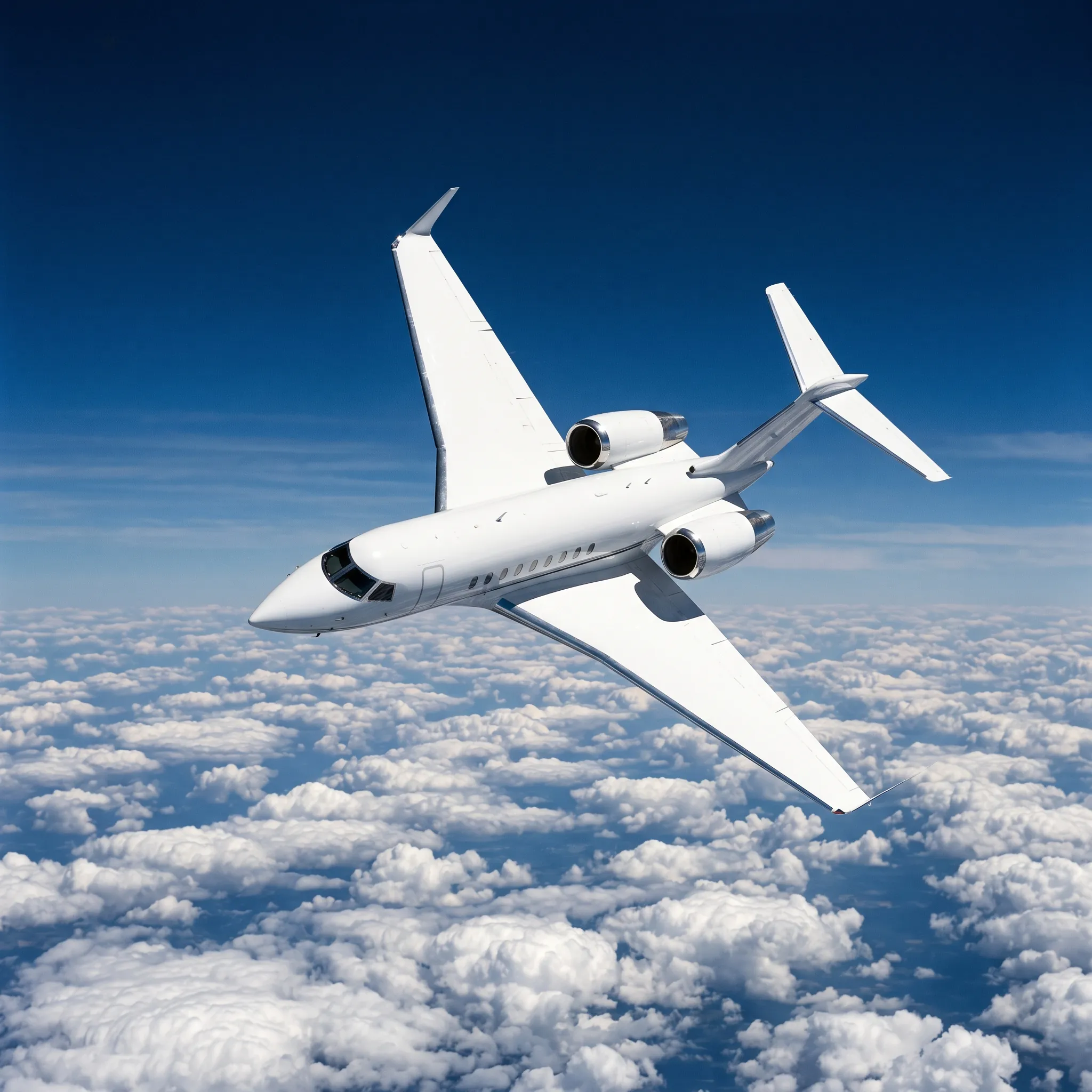
If you’re a current owner or frequent charter client, the near-term impact is indirect but real. Aircraft manufacturers are watching this development closely. Gulfstream, Bombardier, and Dassault have all been tracking the supersonic business jet space. None has committed to a program publicly, but a shifting regulatory landscape makes internal development conversations easier to justify.
For buyers evaluating large-cabin jets in the $60 to $80 million range right now, it’s worth understanding what the market looks like in a decade. A supersonic business jet priced competitively with today’s ultra-long-range aircraft would reshape fleet decisions entirely. Some buyers may find it worth waiting. Others will rightfully note that the technology needs time to mature before putting passengers in the cabin.
Charter operators and fractional ownership programs are paying close attention too. The first fractional provider that can offer supersonic access will have a genuinely new story to tell. That’s rare in an industry that has largely been selling variations of the same value proposition for thirty years.
The Bigger Picture
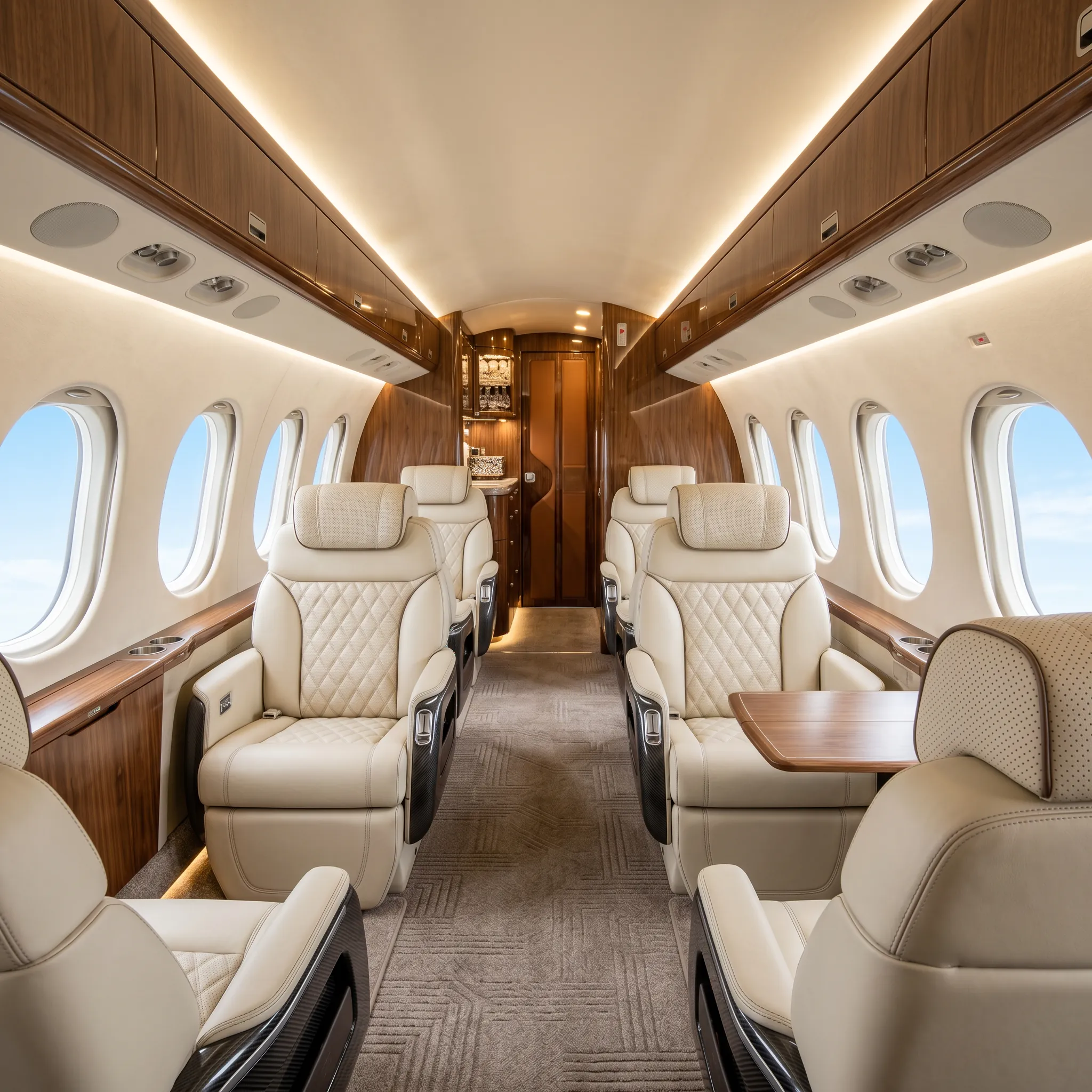
The FAA’s move toward a new regulatory framework is more than a housekeeping exercise. It’s an acknowledgment that supersonic flight has moved from science project to near-term reality. The 1973 ban made sense given the technology and noise levels of that era. Leaving it untouched as a new generation of quieter, purpose-built aircraft approached certification was starting to look like regulatory inertia rather than sound policy.
Private aviation has always been about compressing time. The entire industry exists because some people’s schedules and ambitions don’t fit neatly into commercial airline timetables. Supersonic flight is the natural extension of that idea. New York to Los Angeles in the time it currently takes to clear security at JFK is not a luxury. For the right client, it’s a competitive advantage.
The FAA opening this door doesn’t guarantee that supersonic private travel arrives on schedule. But for the first time in 53 years, there is a formal regulatory path being built toward it. That matters.