

The champagne-soaked leisure charters of 2022 have given way to the spreadsheet-driven efficiency of 2026. Business travel is back on top. Not just competing with leisure demand. Leading it. And that change has real consequences for anyone booking a charter flight today, especially if your plans are more French Riviera than quarterly earnings call.
According to insights released in late February 2026 by ALTOUR, an Internova Travel Group company, business aviation now holds the largest share of private jet usage across the industry. Following it: leisure trips, family travel, and a notable surge in multi-generational travel. The pandemic-era boom, fueled by first-time flyers and spontaneous getaways, has settled into something more disciplined and predictable. The industry is maturing. And that maturity looks a lot like 2019, only with higher fuel bills.
Why Corporate Demand Came Roaring Back
The shift isn’t hard to explain once you understand who’s been flying and why. When commercial airlines pulled back service from smaller markets, companies faced a choice: lose hours to connecting flights and regional hops, or go direct. Most chose the latter. Private aviation filled the gap that commercial carriers left behind, connecting executives to manufacturing facilities, distribution hubs, and mid-market clients that no major airline serves directly anymore.
ALTOUR President Gabe Rizzi and Vice President of ALTOUR Air Kate Scott describe today’s customers as “repeat flyers,” people who’ve built private aviation into their travel infrastructure, not just a luxury add-on. That’s a fundamentally different profile from the pandemic-era newcomers who flooded the market. Those early adopters treated private jets like an upgrade. Today’s business travelers treat them like a tool.
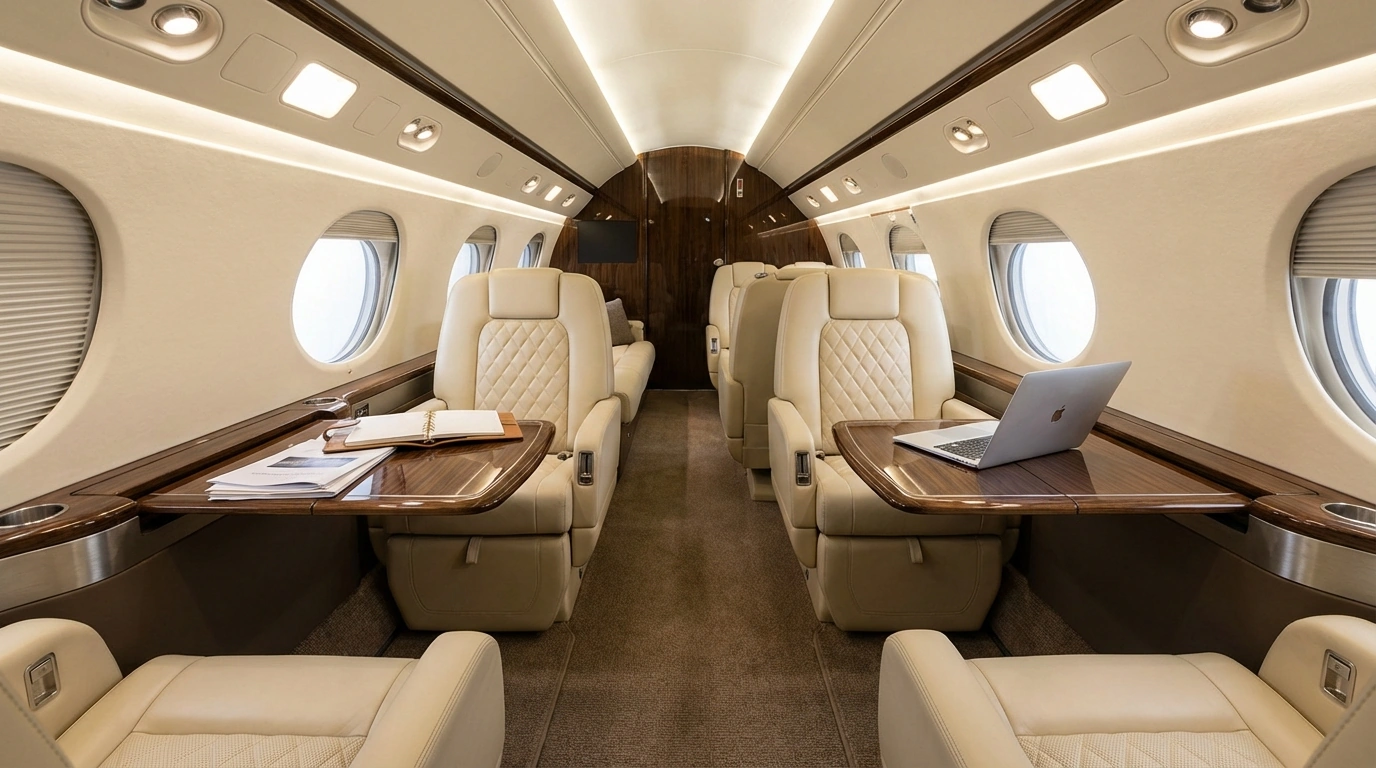
The route profile backs this up. The majority of private flights today run two to four hours—think Teterboro to West Palm Beach, or Chicago Executive to Nashville—with light jets and midsize aircraft carrying most of that load, connecting regional markets efficiently. The ultra-long-range segment gets all the glamour in aviation coverage, but the real workhorse market sits firmly in the light and midsize categories. That’s where corporate demand lives.
What This Means If You’re Flying for Pleasure
While corporate demand dominates the weekdays, leisure travelers are finding a newly bifurcated market. Business demand is consistent and structured. It peaks on Monday mornings and Thursday afternoons. It clusters around specific corridors and markets. That predictability actually helps leisure travelers plan around it, but it also creates pressure on availability during crossover periods.
Charter rates remain elevated above pre-pandemic levels. Rising fuel costs, maintenance expenses, and insurance premiums have kept the floor high. That’s not changing regardless of whether demand is driven by boardrooms or beach holidays. If you flew charter in 2019 and remember those prices, set that memory aside. The math is different now.
The smart play for leisure travelers in 2026 is to plan further out than feels necessary. ALTOUR Air recommends booking 30 to 60 days in advance, especially for peak periods. Summer travel to Europe and winter ski season remain the pressure points. Those windows still see real capacity strain, and last-minute availability gets thin fast.

A More Disciplined Market Cuts Both Ways
The stabilization of the market has a silver lining. Operators are running tighter, more rational businesses than they did during the frenzied growth of 2021 and 2022. Reliability has improved. The wild fluctuations in pricing and aircraft availability that characterized that period have settled considerably. You’re less likely to encounter last-minute crew shortages or sudden rate spikes unrelated to your booking.
Safety standards have held firm through the transition. ALTOUR Air specifically flags the importance of using carriers with third-party ratings from ARGUS or Wyvern, the two leading independent safety audit organizations in business aviation. In a market that attracted a wave of new operators during the pandemic boom, those ratings matter. Not every operator that launched in 2021 runs a program that holds up to scrutiny. Third-party audits cut through the marketing.
Multi-Generational Travel and the New Leisure Profile
Multi-generational family travel is now a cornerstone of the leisure segment, forcing a rethink of cabin configurations. Grandparents, adult children, and grandchildren sharing a cabin has become a genuine booking pattern, not just an occasional anomaly. Midsize jets that work perfectly for two executives feel cramped for five family members and their luggage.
For families booking with this configuration in mind, super-midsize aircraft like the Bombardier Challenger 350 or Cessna Citation Longitude offer the right combination of cabin volume and range without jumping to the price point of a large-cabin aircraft. Worth having that conversation with your aviation advisor before defaulting to whatever’s available.
Planning for the Rest of 2026
The broader picture is actually encouraging. A market driven by disciplined, repeat corporate demand is more predictable and sustainable than a market chasing viral trends. Operators plan their fleets around it. Pricing reflects real costs rather than opportunistic spikes. The industry isn’t going back to pandemic-era chaos, and most serious aviation professionals consider that good news.
For leisure travelers, the message is straightforward. Book early, especially for summer Europe routes and ski season. Know your aircraft category before you call. And work with a charter broker or operator who uses independently audited carriers. As the market returns to a disciplined state, the sophisticated traveler must evolve their booking strategy in kind.